Harnessing Traditional Ecological Knowledge for Fire Management
The management of wildland fire is a complex and evolving challenge, increasingly demanding innovative and holistic approaches. For millennia, Indigenous communities across the globe have lived in intricate relationship with their environments, developing a profound understanding of ecological processes, including the role of fire. This deep wellspring of information, known as Traditional Ecological Knowledge (TEK), offers invaluable insights and practices that can significantly enhance contemporary fire management strategies. Recognizing and integrating TEK is not merely an act of cultural preservation; it is a crucial step towards building more resilient landscapes and fostering safer, more effective fire management outcomes.
Traditional Ecological Knowledge encompasses the cumulative body of knowledge, practices, and beliefs, evolving by adaptive processes and handed down through generations by cultural transmission, about the relationship of living beings (including humans) with one another and with their environment. It is characterized by its holistic nature, its deep observational basis, and its emphasis on long-term sustainability. TEK is not static; it is a dynamic knowledge system that continuously adapts to changing environmental conditions and incorporates new observations. Within TEK, fire is often viewed not as an enemy to be eradicated, but as an integral ecological process that plays a vital role in shaping landscapes, promoting biodiversity, and maintaining ecological health.
The Holistic Nature of TEK
A cornerstone of TEK is its holistic perspective. Unlike Western scientific approaches that may focus on specific components of an ecosystem, TEK considers the interconnectedness of all elements. This includes understanding how fire interacts with soil, water, plant communities, animal populations, and even cultural and spiritual values. This integrated understanding allows for the development of management practices that are more nuanced and attuned to the complex dynamics of fire-prone ecosystems. For example, TEK holders may understand that a particular fire regime is necessary to maintain the health of a specific plant species that is culturally significant or provides food and shelter for game animals.
Observational Depth and Long-Term Perspectives
TEK is built upon generations of meticulous observation and practical experience. Indigenous peoples have observed fire for thousands of years, noting its patterns, its effects, and its relationships with various environmental factors. This long-term perspective is crucial for fire management, as it allows for the understanding of ecological changes over time that might be missed by shorter-term scientific studies. This includes understanding historical fire frequencies, intensities, and the ecological consequences of both the presence and absence of fire. For instance, knowledge of past fire events and their subsequent impacts on vegetation regeneration or the prevalence of certain wildlife species provides a valuable historical context for current management decisions.
Fire as an Ecological Process, Not Just a Hazard
A fundamental difference in perspective often exists between Western fire management and TEK. While Western approaches have historically focused on fire suppression and hazard reduction, many TEK systems recognize fire as a natural and often beneficial ecological process. This perspective shifts the paradigm from solely mitigating risk to actively managing fire to achieve desired ecological outcomes. For example, controlled burns, or cultural burning practices, are used to mimic natural fire cycles, clear undergrowth, promote the growth of specific plants, and reduce the risk of large, destructive wildfires. This understanding is critical for developing proactive and adaptive fire management strategies.
Traditional ecological knowledge (TEK) plays a crucial role in understanding fire management practices that have been utilized by Indigenous communities for centuries. By integrating TEK with contemporary fire management strategies, we can enhance our approach to wildfire prevention and ecosystem restoration. For further insights into how traditional practices can inform modern approaches, you may find the article on economic scenarios relevant, as it discusses the broader implications of environmental management. You can read more about it here: 2025 Worst-Case Economic Scenarios Unveiled.
Historical and Cultural Significance of Fire in TEK
Across diverse Indigenous cultures, fire has held profound historical and cultural significance, shaping landscapes and informing spiritual practices. The intentional use of fire by Indigenous peoples has often been instrumental in maintaining the ecological health and biodiversity of their territories. These practices, passed down through generations, represent a deep understanding of ecological relationships and the transformative power of fire.
Cultural Burning Practices
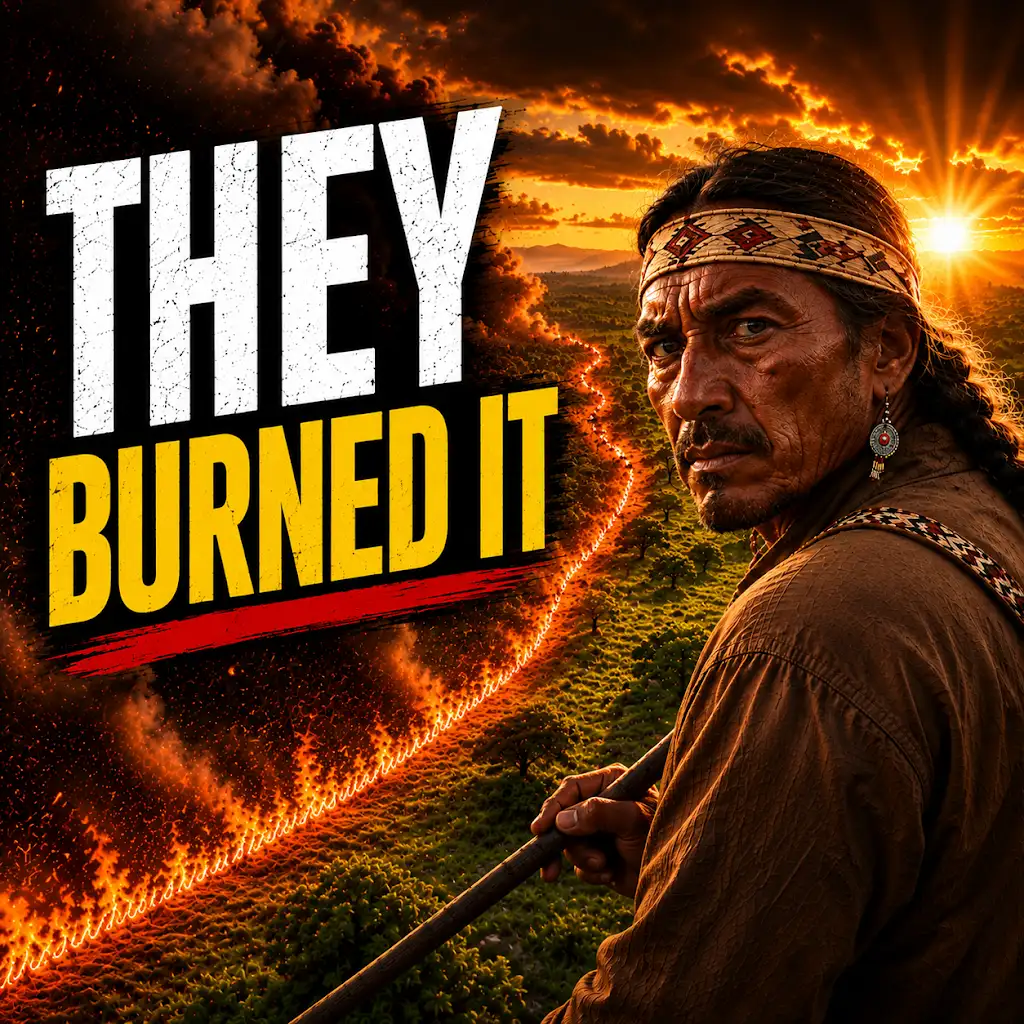
Cultural burning, also known as traditional burning, is a practice that has been employed by Indigenous peoples for millennia. These are intentional fires set for a variety of purposes, including but not limited to: clearing land for agriculture, promoting the growth of food and medicinal plants, improving habitat for game animals, and reducing the risk of larger, more intense wildfires. The timing, intensity, and scale of these burns are carefully considered based on deep ecological knowledge and cultural protocols. For example, certain plants may only produce seeds or resprout effectively after experiencing a specific type of fire.
Shaping Landscapes and Biodiversity
The judicious use of fire by Indigenous peoples has demonstrably shaped landscapes, fostering unique ecosystems and supporting exceptional biodiversity. Areas that have experienced regular cultural burning often exhibit a mosaic of vegetation types, with different successional stages present. This diversity provides a wider range of habitats and resources for various species, leading to greater overall biodiversity. The absence of fire, conversely, can lead to the accumulation of fuel, creating conditions ripe for catastrophic wildfires that can devastate ecosystems and the species they support. Understanding these historical landscape manipulations is crucial for informing modern land management decisions.
Spiritual and Ceremonial Connections
Fire often holds deep spiritual and ceremonial significance within Indigenous cultures. It is seen as a purifier, a source of warmth and light, and a conduit to the spirit world. These cultural values are intrinsically linked to the ecological understanding of fire. The practices surrounding fire management are often interwoven with cultural traditions and ceremonies, reinforcing the respect and responsibility associated with its use. This spiritual connection underscores the importance of incorporating TEK, as it represents a comprehensive worldview that extends beyond purely ecological considerations.
Integrating TEK into Modern Fire Management Frameworks

The integration of TEK into contemporary fire management frameworks is a necessary and beneficial step towards more effective and sustainable practices. This integration requires a commitment to collaboration, respect, and a willingness to learn from Indigenous knowledge holders. By bridging the gap between TEK and Western scientific approaches, we can create more robust and adaptive fire management strategies.
Collaborative Partnerships and Co-Management
Effective integration necessitates the establishment of strong collaborative partnerships between Indigenous communities and fire management agencies. This involves recognizing Indigenous peoples as sovereign knowledge holders and empowering them to lead and participate meaningfully in decision-making processes. Co-management approaches, where Indigenous communities and government agencies share responsibility and authority for land and fire management, offer a promising pathway for integrating TEK. Such partnerships ensure that management decisions are informed by both TEK and scientific research, leading to more equitable and effective outcomes.
Bridging Knowledge Systems
Integrating TEK is not about replacing scientific knowledge, but about complementing and enriching it. This requires fostering an environment of mutual respect and understanding between TEK holders and scientists. This can involve developing protocols for knowledge sharing, ensuring that TEK is acknowledged and properly attributed, and creating spaces for dialogue and learning. Researchers can learn about historical fire regimes, ecological indicators, and management techniques from TEK, while TEK holders can benefit from scientific data and tools that can aid in their traditional practices or in communicating their knowledge to broader audiences.
Developing Culturally Relevant Fire Management Plans
Fire management plans developed with the input of TEK holders are more likely to be effective and culturally appropriate. This means moving beyond standardized approaches and developing plans that are tailored to the specific ecological and cultural contexts of a region. TEK can inform decisions about prescribed burning locations, timing, intensity, and objectives, as well as strategies for fire prevention and response. This also includes considering the cultural values and traditional land use practices that may be impacted by fire or fire management activities.
Examples of TEK Application in Fire Management

Numerous examples demonstrate the practical application and effectiveness of Traditional Ecological Knowledge in modern fire management. These case studies highlight how TEK can inform diverse aspects of fire management, from prescribed burning to post-fire recovery.
Prescribed Burning and Cultural Ignitions
Many Indigenous communities have long-standing practices of using prescribed burning to maintain landscape health. In regions like Australia, the Aboriginal custodians of land have been using fire for thousands of years to manage vegetation, promote biodiversity, and reduce fuel loads. These traditional ignitions are often timed and conducted with a deep understanding of seasonal conditions and ecological responses. In North America, Indigenous groups are increasingly working with land management agencies to reintroduce cultural burning practices, such as those historically used by the Karuk Tribe in California to manage forests and promote the growth of culturally significant plants.
Post-Fire Restoration and Rehabilitation
TEK offers valuable insights into post-fire ecological processes and restoration techniques. Indigenous knowledge holders often understand which plant species are likely to regenerate after a fire, which species are important for wildlife habitat, and how to assist in the recovery of the ecosystem. This can include traditional methods of seed collection, propagation, and planting, as well as understanding the role of fire in stimulating the germination of certain seeds. For example, knowledge of how fire impacts native berry bushes important for both human consumption and wildlife sustenance can inform rehabilitation efforts.
Fire Prevention and Risk Reduction
TEK can contribute to fire prevention and risk reduction strategies by providing an understanding of historical fire patterns and the factors that influence fire behavior. This includes knowledge of localized wind patterns, fuel types, and the historical frequency and intensity of fires. Indigenous communities may also have traditional practices for reducing ignition risks, such as clearing areas around homes or managing combustible vegetation in specific ways. This often stems from a deep understanding of how their actions can impact the surrounding environment.
Traditional ecological knowledge (TEK) plays a crucial role in understanding fire management practices that have been used by Indigenous communities for generations. This knowledge emphasizes the importance of controlled burns to maintain healthy ecosystems and reduce the risk of catastrophic wildfires. For a deeper exploration of how traditional practices intersect with modern policies, you can read about the implications of land management in the context of national security in this article on eminent domain. The integration of TEK into contemporary fire management strategies could lead to more sustainable outcomes for both the environment and local communities. You can find the article here: eminent domain.
Challenges and Opportunities for TEK Integration
| Community | Fire Management Practice | Effectiveness |
|---|---|---|
| Aboriginal Australians | Cool burning to reduce fuel load | Highly effective in preventing large wildfires |
| Native American tribes | Prescribed burning to promote biodiversity | Successful in maintaining healthy ecosystems |
| Maori people | Traditional fire knowledge for land management | Proven to enhance soil fertility and crop yields |
While the benefits of integrating TEK into fire management are clear, several challenges must be addressed to facilitate its widespread and effective implementation. Overcoming these obstacles requires a conscious effort from all stakeholders involved.
Addressing Historical Mistrust and Power Imbalances
Historically, Indigenous knowledge has often been marginalized or dismissed by Western scientific institutions. Addressing this legacy of mistrust and power imbalance is crucial for fostering genuine collaboration. This requires acknowledging past injustices, actively working towards reconciliation, and ensuring that Indigenous communities have a genuine voice and control in fire management decisions that affect their ancestral lands. Building trust is an ongoing process that requires consistent commitment and open dialogue.
Knowledge Transfer and Capacity Building
Ensuring the effective transfer of TEK and building capacity for its application is essential. This involves supporting Indigenous knowledge holders in documenting and sharing their knowledge, while also providing opportunities for fire management professionals to learn from and engage with TEK. Capacity building also extends to ensuring that Indigenous communities have the resources and training necessary to participate fully in co-management initiatives and to implement TEK-informed practices. This could involve intergenerational knowledge transfer programs or collaborative training exercises.
Legal and Policy Frameworks
Current legal and policy frameworks may not adequately recognize or accommodate TEK. Adapting these frameworks to include provisions for TEK, co-management, and Indigenous leadership is necessary to enable its full integration into fire management. This may involve developing new policies that explicitly value and incorporate TEK, or amending existing legislation to ensure that Indigenous rights and knowledge are respected and protected. The creation of policy that supports culturally appropriate burning practices, for instance, is a vital step.
Future Directions and Recommendations
The path forward for harnessing TEK in fire management involves a continued commitment to collaboration, innovation, and respect. By embracing these principles, we can build more resilient landscapes and foster a more holistic and effective approach to fire management.
Investing in Indigenous-Led Research and Monitoring
Supporting Indigenous-led research and monitoring initiatives is crucial for generating and validating TEK, as well as for tracking ecological changes from an Indigenous perspective. This empowers Indigenous communities to lead in the scientific understanding of their own territories and ensures that research priorities are aligned with their cultural and ecological values. Funding these initiatives also ensures that TEK is not simply extracted but that its custodians are empowered to be its stewards.
Promoting Interdisciplinary and Intercultural Dialogue
Fostering ongoing dialogue and collaboration between TEK holders, scientists, policymakers, and fire management practitioners is essential. Creating platforms for interdisciplinary and intercultural exchange will facilitate a deeper understanding of different knowledge systems and promote innovative solutions to complex fire management challenges. This dialogue should be a continuous process, not a one-off event, allowing for ongoing learning and adaptation.
Education and Public Awareness
Raising public awareness about the importance of TEK in fire management is critical for building support for its integration. Educational initiatives that highlight the history and effectiveness of traditional fire practices can help to shift public perceptions and foster a greater appreciation for Indigenous knowledge. This can involve developing educational materials, hosting public forums, and incorporating TEK into curricula at all levels of education. Ultimately, a more informed public is more likely to support the necessary policy and resource allocation for effective TEK integration.
The integration of Traditional Ecological Knowledge into fire management is not just a progressive idea; it is an imperative for building a more sustainable and resilient future. By embracing the wisdom of Indigenous peoples, we can move towards a more nuanced, effective, and culturally respectful approach to managing the powerful force of fire. The future of fire management lies in the harmonious convergence of ancient knowledge and modern science.
The Wilderness Was Engineered
FAQs
What is traditional ecological knowledge (TEK) in relation to fire?
Traditional ecological knowledge (TEK) refers to the knowledge, practices, and beliefs of indigenous and local communities that have been developed over generations and are adapted to specific environments. In relation to fire, TEK encompasses the understanding of fire behavior, its ecological role, and traditional fire management practices.
How is traditional ecological knowledge (TEK) related to fire management?
TEK is related to fire management in that it offers valuable insights into the use of controlled burning, fire prevention, and the ecological impacts of fire. Indigenous and local communities have developed traditional fire management practices that are often more sustainable and effective in maintaining ecosystem health and reducing the risk of catastrophic wildfires.
What are some examples of traditional ecological knowledge (TEK) practices related to fire?
Examples of TEK practices related to fire include the use of controlled burns to maintain healthy ecosystems, the timing and frequency of burning to promote specific plant species, and the use of fire breaks to protect communities and resources from wildfires. These practices are often based on a deep understanding of local ecosystems and are passed down through oral traditions and cultural practices.
How does traditional ecological knowledge (TEK) contribute to modern fire management strategies?
TEK contributes to modern fire management strategies by providing valuable insights into sustainable and effective approaches to fire management. Incorporating TEK into modern fire management can help improve ecosystem health, reduce the risk of catastrophic wildfires, and promote cultural preservation and resilience within indigenous and local communities.
Why is it important to incorporate traditional ecological knowledge (TEK) into fire management policies and practices?
Incorporating TEK into fire management policies and practices is important because it recognizes the value of indigenous and local knowledge in maintaining healthy ecosystems and reducing the risk of wildfires. By integrating TEK into fire management, policymakers and land managers can benefit from centuries of wisdom and experience, leading to more effective and culturally sensitive approaches to fire management.