
The windswept plains of Anatolia hold secrets buried beneath millennia of dust. Among these, the ruins of Hattusa, the ancient capital of the Hittite Empire, stand as a monumental testament to a once-powerful civilization. Yet, the story of Hattusa is not solely one of imperial grandeur and eventual decline; it is also a narrative shrouded in enigma, particularly regarding its final moments. Evidence suggests that this sprawling metropolis was not violently conquered and systematically destroyed by an invading force, but rather was abandoned, and only then, perhaps deliberately, put to the torch. This chilling revelation shifts our understanding of the Hittites’ end, pointing not towards a swift, decisive defeat, but a more complex, perhaps even sorrowful, departure.
The Grandeur of Hittite Power
Hattusa, strategically positioned in central Anatolia, near the modern-day village of Boğazkale, was the heart of the Hittite world for over four centuries, from approximately 1600 to 1178 BCE. Its imposing fortifications, monumental architecture, and vast archives speak to a sophisticated and powerful empire that rivaled the great powers of its day, including Egypt and Assyria. The city was a hub of political, religious, and economic activity, a melting pot of cultures and ideas within the ancient Near East.
A Capital City of Imposing Scale
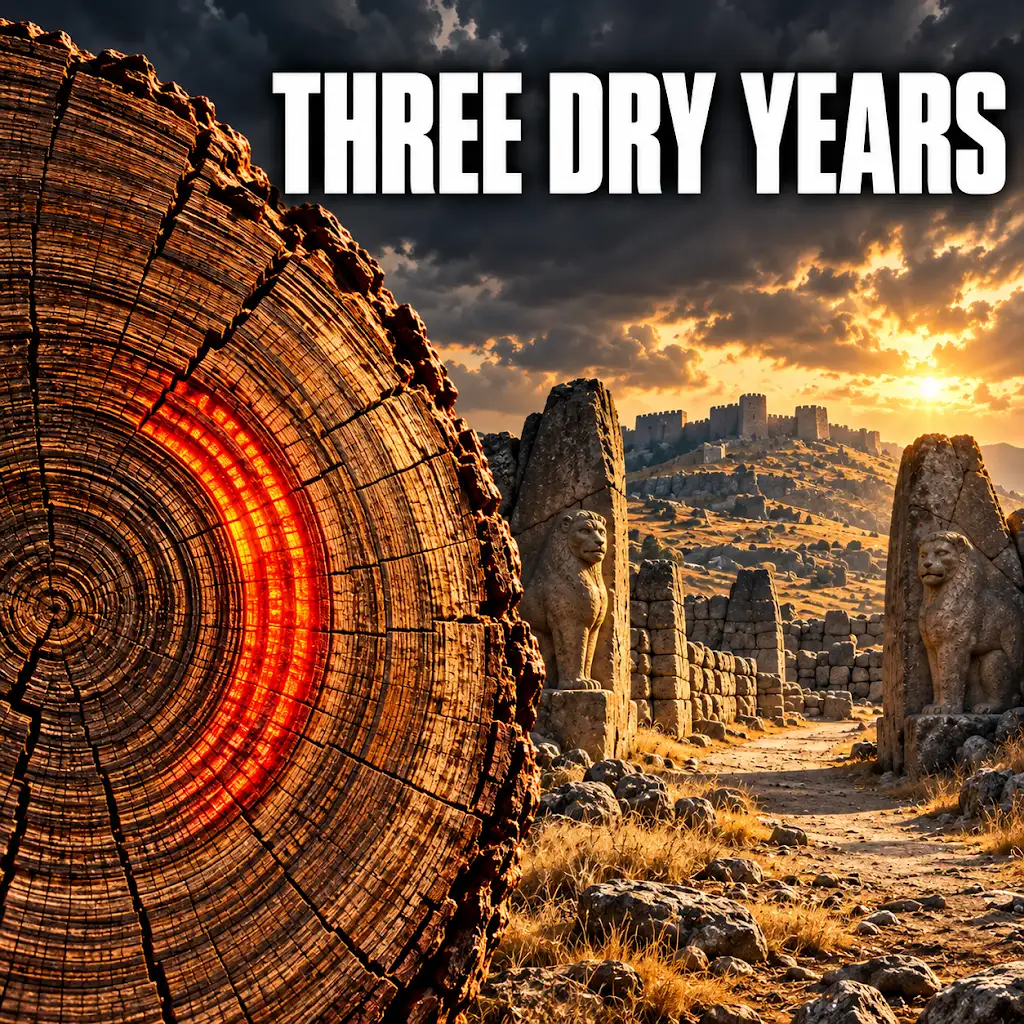
The sheer scale of Hattusa is breathtaking. Spread over an area of approximately 1.8 square kilometers, it was enclosed by a formidable defensive system. The outer walls, constructed from massive stone blocks, stretched for nearly six kilometers and were punctuated by numerous towers and formidable gates, most notably the impressive Lion Gate and the Sphinx Gate. These fortifications were not merely defensive; they were a statement of power and permanence, designed to awe visitors and deter potential enemies. Within these walls lay a city of remarkable complexity, divided into several distinct districts, each serving a specific purpose. The Upper City, for instance, housed the royal palace and the Great Temple, the spiritual and administrative centers of the empire. The Lower City, by contrast, contained residential areas, workshops, and storage facilities, reflecting the bustling daily life of its inhabitants.
The Royal Palace and the Great Temple: Centers of Authority
The royal palace, though largely in ruins, provides glimpses into the opulent lifestyle of the Hittite rulers. Excavations have revealed foundations of large halls, courtyards, and numerous smaller rooms, suggesting a sprawling complex befitting an imperial court. The sheer size of the palace complex indicates the considerable administrative and ceremonial functions it performed. Adjacent to the palace stood the Great Temple, dedicated to the storm god Teshub and his consort Hepat. This was not just a place of worship; it was also a significant economic institution, owning vast lands and employing numerous individuals. The religious life of Hattusa was deeply intertwined with its political and social fabric, with the king often acting as the chief priest, further solidifying his authority. The iconography and religious texts found within the temple complex reveal a rich pantheon and intricate rituals, painting a picture of a deeply spiritual society.
The Archives: A Window into the Hittite Mind
Perhaps the most significant discovery at Hattusa has been its vast archives, comprising thousands of clay tablets inscribed with cuneiform script. These tablets, painstakingly excavated and translated, have revolutionized our understanding of the Hittites. They contain a wealth of information on Hittite law, religion, diplomacy, military campaigns, and even literature. Treaties with other major powers, such as the famous Treaty of Kadesh with Egypt, reveal the Hittites’ sophisticated diplomatic practices and their position as a major player on the international stage. Royal chronicles provide insights into their dynastic history and military exploits, while religious texts shed light on their complex mythology and rituals. The administrative records offer a glimpse into the economic workings of the empire, detailing trade, taxation, and resource management. The discovery of these archives has allowed historians to reconstruct a detailed picture of Hittite society, its governance, and its interactions with the wider ancient world.
The ancient city of Hattusa, once a thriving center of the Hittite Empire, has long fascinated archaeologists and historians alike, particularly due to its mysterious abandonment before being burned. This intriguing aspect of Hattusa’s history is reminiscent of other archaeological sites that reveal the secrets of lost civilizations. For those interested in exploring more about ancient mysteries, a related article titled “Antarctica: Uncovering the Unknown Past” delves into the enigmatic histories of other forgotten places. You can read it here: Antarctica: Uncovering the Unknown Past.
The Unsettling Signs of Departure
Despite its strength and evident prosperity, Hattusa met its end under perplexing circumstances. Archaeological evidence at the site points not to a violent siege and destruction by an attacking army, but to a deliberate and organized abandonment. The layers of debris, the absence of widespread battle damage, and the careful removal of valuable artifacts all contribute to this unsettling picture.
Absence of Widespread Destruction
When archaeologists began excavating Hattusa in the early 20th century, they expected to find evidence of a violent sacking. However, the reality proved to be far more nuanced. While there are indeed signs of burning, these are not indicative of a city systematically razed by conquerors. Instead, the fire appears to have been more localized, concentrated in specific areas. Crucially, there is a remarkable lack of evidence for widespread destruction of fortifications, public buildings, and residential structures by enemy action. Weapons are scarce, and the defensive walls, while impressive, do not bear the marks of prolonged battering. This absence of the tell-tale signs of a brutal conquest is the first crucial clue that something different was happening in Hattusa’s final days. It suggests that any potential attackers were either repelled before they could inflict significant damage or, more intriguingly, that the inhabitants left before the city was fully overrun.
The Ritualistic Nature of the Burning
The burning of Hattusa, when it did occur, appears to have been a deliberate act rather than a consequence of enemy occupation. Layers of ash and charcoal are present, but they are often found in conjunction with intact structures or within buildings that show signs of having been systematically emptied. This suggests that the fires were either set by the departing inhabitants themselves, perhaps to deny resources to any potential pursuers, or that they were part of a ritualistic cleansing or abandonment ceremony. The selective nature of the burning, with some areas scorched while others remain relatively untouched, further supports the idea of intentionality. It is as if the city was being prepared for a final act, a deliberate erasure rather than a chaotic obliteration.
The Careful Removal of Valuables
Another perplexing observation is the apparent systematic removal of valuable artifacts from many of Hattusa’s important buildings. Numerous smaller, portable items, such as finely crafted pottery, jewelry, and precious metal objects, are either absent from the archaeological record or are found in much smaller quantities than would be expected in a city that was abruptly destroyed. The great quantities of cuneiform tablets, however, remain a notable exception, as these were not removed. This selective removal suggests that the inhabitants had time to pack and transport their most cherished possessions, indicating a planned departure rather than a panicked flight. The fact that the clay tablets, while valuable for historical knowledge, were not considered portable wealth in the same way as precious metals or gemstones, further supports this interpretation.
Whispers of External Pressure
While the internal evidence points to an abandonment, external factors undoubtedly played a significant role in the Hittites’ eventual demise. The Late Bronze Age Collapse, a period of widespread societal breakdown across the Eastern Mediterranean and Aegean, created a volatile environment that likely contributed to Hattusa’s downfall.
The Looming Shadow of the Sea Peoples
The “Sea Peoples,” a confederation of seafaring raiders, are frequently implicated in the collapse of many Late Bronze Age civilizations. Their incursions are documented in Egyptian sources, which describe their devastating attacks on the coasts of the Levant and Egypt. While there is no direct textual evidence placing the Sea Peoples within Hattusa itself, their presence and destructive capabilities in the broader region would have undoubtedly created immense pressure on the Hittite Empire. Their raids could have disrupted trade routes, depleted vital resources, and weakened the Hittite military, forcing them to divert resources and attention away from their capital. The constant threat of their arrival would have created a pervasive sense of insecurity and instability.
The Collapse of the Bronze Age World
Hattusa’s end was not an isolated event. The Late Bronze Age Collapse was a complex phenomenon that saw the decline and destruction of many major powers, including Mycenaean Greece, Ugarit, and parts of the Egyptian Empire. This widespread breakdown of established order suggests a confluence of factors, including climate change, internal strife, and the aforementioned external pressures. The Hittite Empire, as a vast and complex entity, would have been particularly vulnerable to such systemic shocks. The disruption of established trade networks, which were vital for the supply of essential raw materials like tin for bronze production, would have severely hampered the Hittite economy and military. The interconnectedness of the Late Bronze Age world meant that the collapse of one major power could have a domino effect on others.
Internal Strife and Shifting Alliances
While external pressures are undeniable, internal weaknesses may have also played a part in the Hittites’ decline. Evidence of intermittent civil unrest and power struggles within the Hittite royal family has been suggested by some scholars. Furthermore, the Hittites faced constant competition and shifting alliances with their neighbors, including the Assyrians, Babylonians, and Egyptians. These geopolitical pressures, combined with potential internal instability, could have weakened the empire’s ability to respond effectively to the escalating crises of the Late Bronze Age. The strain of maintaining such a vast empire, coupled with the challenges of managing diverse populations and regions, might have created internal fractures that made the empire more susceptible to external threats.
The Final Farewell
The precise sequence of events leading to Hattusa’s abandonment remains a subject of ongoing debate, but the archaeological evidence paints a compelling picture of a planned departure, imbued with a sense of resignation and perhaps even sorrow. The reasons for this final exodus are likely multifaceted, a culmination of the pressures that had been mounting for decades.
A Strategic Decision to Relocate or Disperse
One prominent theory suggests that the abandonment of Hattusa was a strategic decision made by the Hittite leadership. Faced with overwhelming external threats and the prospect of inevitable destruction, they may have chosen to preserve the core of their civilization by relocating their administration and population to a more defensible location or by dispersing them to safer regions. This would explain the organized nature of the departure and the careful removal of portable valuables. The Hittites were a pragmatic people, and such a calculated decision, while a devastating loss of their capital, could have been seen as the only way to ensure the survival of their people and their cultural legacy. It is possible that they anticipated the loss of their magnificent city but sought to safeguard their people and the knowledge they held.
The Evacuation of a Dying Empire
Alternatively, the abandonment could have been a more desperate measure, an evacuation of a dying empire. As the surrounding territories fell to invaders or succumbed to internal collapse, the inhabitants of Hattusa may have realized that their capital was no longer sustainable. The fires that consumed parts of the city might have been set by the inhabitants as a last act of defiance or as a means of denying valuable resources to any incoming enemy, a scorched-earth policy enacted out of necessity rather than choice. This scenario paints a more somber picture, one of a people forced to abandon their ancestral home in the face of insurmountable odds, leaving behind a legacy of grandeur to be consumed by flames. The silence that fell upon the once-thriving metropolis would have been a profound testament to the end of an era.
The Search for New Beginnings
The question of “where did they go?” remains one of the most significant mysteries. While the Hittite Empire as a unified entity ceased to exist, elements of Hittite culture and language persisted in the Neo-Hittite states that emerged in southern Anatolia and northern Syria in the centuries that followed. These successor states, though smaller and less powerful, continued to carry the torch of Hittite civilization. It is plausible that the people of Hattusa dispersed to these emerging centers, bringing with them their knowledge, traditions, and administrative skills, thus contributing to the resilience and longevity of Hittite cultural influence. The abandonment of Hattusa, therefore, might not have been an end, but a painful transition, a necessary prelude to a new chapter in Anatolian history.
The ancient city of Hattusa, once a thriving center of the Hittite Empire, has long fascinated archaeologists and historians alike. Its abandonment before being burned raises intriguing questions about the circumstances surrounding its decline. For those interested in exploring how global shifts may have influenced ancient civilizations, a related article delves into anticipated changes in our understanding of historical maps and their implications. You can read more about this fascinating topic in the article here.
The Enduring Enigma
| Metric | Data |
|---|---|
| Site Name | Hattusa |
| Location | Central Anatolia, Turkey |
| Period of Abandonment | Circa 1200 BCE |
| Cause of Abandonment | Likely due to invasions and internal decline |
| Evidence of Burning | Burn layers found in archaeological strata |
| Extent of Burning | Partial destruction of city structures |
| Archaeological Findings | Charred remains, collapsed walls, abandoned artifacts |
| Historical Significance | Capital of the Hittite Empire before collapse |
The story of Hattusa, abandoned and then burned, continues to fascinate and puzzle archaeologists and historians alike. The city’s silent ruins offer a poignant testament to the ephemeral nature of empires and the enduring mysteries of the past. While much has been uncovered, the precise narrative of its final days remains elusive, a compelling invitation for continued exploration and interpretation.
A Testament to a Lost Civilization
Hattusa stands as a powerful symbol of the Hittite civilization, a testament to their ingenuity, their power, and their eventual vulnerability. The vastness of its ruins, the sophistication of its architecture, and the wealth of knowledge contained within its archives offer a vivid glimpse into a world that has long since vanished. The abandonment and subsequent burning of the city, however, add a layer of tragedy and intrigue to its legacy, a reminder that even the mightiest empires can fall, and that their final moments are not always easily understood. The city’s demise is a stark reminder of the fragility of human endeavors, even those built with such grand ambition and formidable strength.
Unanswered Questions and Future Research
Despite decades of dedicated research, many questions surrounding the final moments of Hattusa remain unanswered. The exact circumstances of the abandonment, the specific identity of any potential attackers, and the precise reasons for the burning all continue to be subjects of scholarly debate. Future archaeological investigations, employing advanced techniques such as remote sensing and detailed environmental analysis, may yet shed further light on these enduring enigmas. The ongoing decipherment of Hittite texts and the discovery of new archaeological sites related to the Hittite Empire will undoubtedly contribute to a more complete understanding of this pivotal period in ancient history. The silent stones of Hattusa still hold secrets, waiting for the right questions to be asked and the right tools to uncover them.
The Echoes of a Silent City
The abandoned and burned ruins of Hattusa serve as a powerful echo from the past, a reminder of the rise and fall of civilizations and the enduring power of human history. Its story is not just about a lost capital city, but about the resilience, the adaptability, and the eventual fate of a people who once held sway over a vast empire. The mystery of Hattusa’s final moments invites us to ponder the complexities of ancient warfare, the impact of societal collapse, and the profound human stories that lie buried beneath the sands of time. The winds that sweep across the plains of Anatolia carry whispers of forgotten battles, of hurried departures, and of a city that, in its final moments, chose a path of deliberate disappearance rather than utter annihilation.
Your 401(k) Withdrawal Can Make More of Your Social Security Taxable
FAQs
What is Hattusa?
Hattusa was the capital of the Hittite Empire in ancient Anatolia, located in present-day Turkey.
Why was Hattusa abandoned?
Hattusa was likely abandoned due to a combination of factors, including political instability, invasions, and economic decline.
Was Hattusa destroyed by fire?
No, Hattusa was not destroyed by fire. It was abandoned before any major destruction occurred.
When was Hattusa abandoned?
Hattusa was abandoned around 1200 BC, towards the end of the Bronze Age.
What is the significance of Hattusa in history?
Hattusa was a major political and cultural center in the ancient world, playing a crucial role in the history of the Hittite Empire and the broader region of Anatolia.