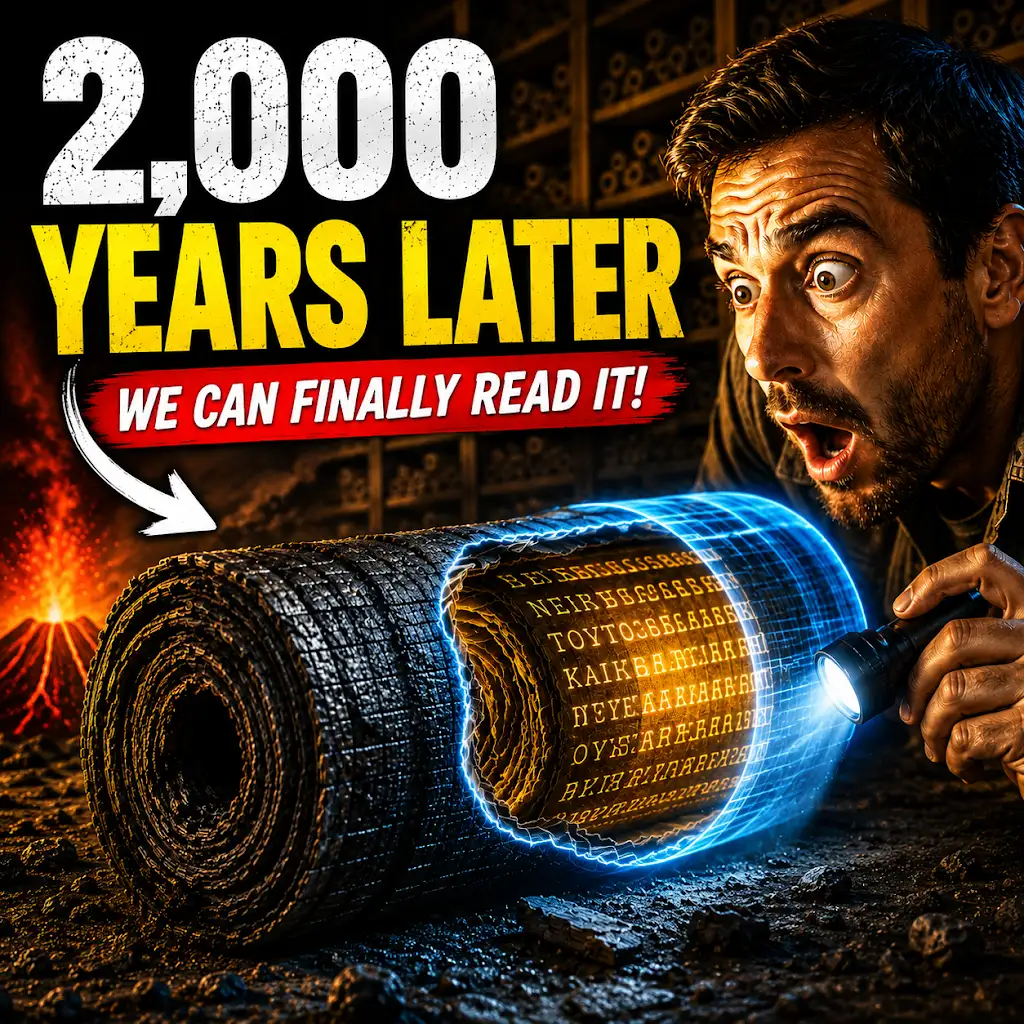
The buried city of Herculaneum, a Roman town tragically preserved by the eruption of Mount Vesuvius in 79 AD, continues to yield astonishing secrets. Among its most precious and enigmatic treasures are the Herculaneum Papyri, a collection of carbonized scrolls unearthed from the Villa of the Papyri. These fragile remnants of ancient literature, transformed into charcoal by the pyroclastic flow, have long presented a formidable challenge to decipherment. Yet, recent breakthroughs in imaging technology and analytical techniques are finally allowing scholars to peer into these darkened scrolls, revealing lost philosophical treatises, forgotten literary works, and a tantalizing glimpse into the intellectual life of the Roman elite. The ongoing quest to unroll and read these papyri is a testament to human ingenuity and a profound connection to the past.
The discovery of the Villa of the Papyri in the mid-18th century was a monumental event. Buried beneath meters of volcanic ash and hardened mud, this sprawling estate was not merely a residence but a veritable library, filled with an unprecedented number of papyrus scrolls. The sheer volume, estimated to be over 1,800, immediately signaled its importance as a repository of ancient knowledge. The villa itself, luxurious and extensive, belonged to the family of Lucius Calpurnius Piso Caesoninus, Julius Caesar’s father-in-law, though its precise ownership and the identity of its inhabitants remain subjects of scholarly debate.
The Circumstances of Preservation: A Tragic Yet Fortuitous Event
The cataclysmic eruption of Mount Vesuvius provided the Herculaneum Papyri with their unique and challenging state of preservation. Unlike Pompeii, which was buried under lighter ash, Herculaneum experienced a deluge of pyroclastic surges – superheated gas and volcanic debris that flowed at immense speed. This intense heat carbonized the papyrus scrolls, rendering them brittle and fused.
The Nature of the Carbonization Process
The high temperatures and pressures associated with the pyroclastic flow caused a chemical transformation of the organic material of the papyrus. Cellulose, the primary component of papyrus, underwent pyrolysis, breaking down into carbon and other volatile compounds. This process effectively turned the delicate scrolls into charcoal-like objects, making them incredibly fragile and resistant to traditional unrolling methods.
The Impact of Volcanic Mud
Following the initial surge, Herculaneum was buried under a thick layer of fine volcanic mud, which slowly solidified. This dense blanket acted as an insulator, protecting the carbonized scrolls from the elements and further decay for millennia. It is this protective layer that allowed for their eventual rediscovery.
Excavation and Early Attempts at Decipherment: A Pioneering Effort
The initial excavations were driven by treasure hunting rather than systematic archaeological study. However, the sheer number of papyri discovered quickly shifted the focus to understanding and preserving these unique artifacts. Early attempts at unrolling the scrolls were rudimentary and often destructive, relying on trial and error.
The Challenges of Early Unrolling Techniques
The fragile nature of the carbonized papyri meant that any attempt to separate the fused layers risked complete disintegration. Early excavators employed methods such as trying to manually separate the layers or using rudimentary tools, which frequently resulted in the destruction of large portions of the scrolls. The lack of understanding of the chemical and physical properties of the carbonized material contributed to these failures.
The Significance of Early Successes
Despite the difficulties, some early successes were achieved, leading to the identification of important philosophical works, most notably those by Philodemus of Gadara. These initial decipherments, painstakingly achieved, provided a crucial early glimpse into the philosophical milieu of Epicureanism and its adherents in the Roman world.
The Modern Renaissance of Papyrus Study: Technological Advancements
The 21st century has witnessed a dramatic transformation in the study of the Herculaneum Papyri, driven by the advent of sophisticated imaging and analytical technologies. These non-invasive methods allow scholars to “read” the scrolls without physically unrolling them, preserving their integrity while unlocking their textual content.
Advanced Imaging Techniques: Peering Through Carbon
The key to modern decipherment lies in the ability of advanced imaging techniques to differentiate between the layers of carbonized papyrus and the ink. Even though the ink is also carbon-based, subtle differences in its composition or the way it has bonded with the papyrus allow specialized equipment to detect its presence.
X-ray and Synchrotron Tomography: Unveiling Hidden Layers
X-ray microtomography, particularly when conducted using synchrotron radiation, has proven to be a game-changer. This technique uses high-intensity X-rays to scan the papyrus in thin slices, creating a three-dimensional model. By analyzing the density differences between the papyrus material and the ink, researchers can reconstruct the text.
The Principle of Differential Absorption
X-rays are absorbed differently by materials of varying densities. The carbonized papyrus and the carbon-based ink, while both dark, possess slight variations in their chemical composition and density. Synchrotron X-rays, with their high intensity and tunable energy, allow for more precise detection of these subtle differences, enabling the reconstruction of text that would otherwise be invisible.
Reconstructing Three-Dimensional Models
The tomographic data generates a series of cross-sectional images. Sophisticated software then stitches these images together to create a virtual three-dimensional representation of the scroll. This allows researchers to examine the text from different angles and even virtually “unroll” sections of the papyrus.
Infrared and Multispectral Imaging: Detecting Subtle Variations
Infrared and multispectral imaging techniques also play a crucial role. These methods analyze the light reflected or absorbed by the papyrus at different wavelengths. Subtle chemical differences in the ink or the papyrus can be detected, which may not be visible to the naked eye or even under standard X-ray.
The Role of Spectral Signatures
Each material has a unique spectral signature – the pattern of light it absorbs or reflects. By analyzing these signatures, researchers can identify the presence and location of ink on the carbonized papyrus. This is particularly useful for detecting faint or degraded ink.
Enhancing Contrast and Visibility
These imaging techniques can be used to enhance the contrast between the ink and the papyrus, making the text more legible. By processing the images with specific algorithms, scholars can effectively “brighten” the ink or “darken” the papyrus, bringing the hidden words into focus.
Computational Analysis: Deciphering the Digital Reconstruction
Once the imaging data has been acquired, powerful computational tools are employed to reconstruct and interpret the text. This involves sophisticated algorithms that can identify letters, words, and even reconstruct damaged or fragmented sentences.
Machine Learning and Artificial Intelligence: Training Algorithms for Text Recognition
Machine learning and artificial intelligence are increasingly being used to train algorithms to recognize the unique patterns of ancient script. These algorithms can learn to identify individual letters, ligatures (joined letters), and common word structures, significantly speeding up the decipherment process.
Pattern Recognition in Ancient Scripts
The algorithms are trained on vast datasets of known ancient texts, allowing them to identify the stylistic nuances and variations of ancient Greek and Latin script. This is crucial for distinguishing between similar-looking letters and for recognizing the cursive or semi-cursive styles often found in papyri.
Automating the Process of Transcription
Once trained, these AI systems can automate much of the tedious and time-consuming process of transcribing the text, allowing scholars to focus on interpretation and analysis. This automation is essential for processing the vast amount of data generated by advanced imaging.
Digital Restoration and Textual Reconstruction: Piecing Together Lost Words
Digital tools are also used to virtually reconstruct missing or damaged parts of the text. By analyzing the patterns and context of existing text, algorithms can predict and suggest missing words or phrases.
Contextual Analysis and Linguistic Prediction
By understanding the grammatical rules and common vocabulary of ancient Greek and Latin, computational tools can predict likely word completions and help fill in gaps in the text. This is akin to a sophisticated form of auto-completion for ancient languages.
Reconstructing Damaged Sections
Where sections of the papyrus are torn or illegible, digital restoration techniques can be employed to “fill in the blanks” based on the surrounding text and the known grammatical structures of the language. This allows for a more complete understanding of the original content.
Latest Discoveries: Unlocking New Worlds of Knowledge
Recent advancements have led to a surge in the decipherment of previously unreadable Herculaneum Papyri, revealing significant new texts and shedding light on forgotten aspects of ancient intellectual history. These discoveries are not merely academic curiosities; they offer a direct window into the thoughts, beliefs, and artistic expressions of people who lived two millennia ago.
New Philosophical Treatises: Expanding the Epicurean Canon
One of the most exciting areas of recent discovery has been the identification of new philosophical works, primarily within the Epicurean tradition. These texts offer deeper insights into the philosophical schools that flourished in the Roman world and their impact on society.
Philodemus of Gadara: A Prolific and Rediscovered Philosopher
Philodemus of Gadara, a Greek poet and Epicurean philosopher who lived in the 1st century BC, has emerged as one of the most frequently identified authors among the Herculaneum Papyri. His works, lost to history until their rediscovery, cover a wide range of topics.
New Texts on Ethics and Rhetoric
Recent decipherments have brought to light new treatises by Philodemus on ethics, offering fresh perspectives on Stoic and Peripatetic philosophies, as well as his own Epicurean views. His writings on rhetoric also provide valuable insights into the art of public speaking and argumentation in the ancient world.
Insights into the Epicurean School
These newly discovered works by Philodemus are crucial for understanding the nuances of Epicurean philosophy. They reveal a more complex and multifaceted school than previously understood, engaging with other philosophical traditions and offering practical guidance for living a virtuous and happy life.
Other Epicurean Thinkers and Their Contributions
Beyond Philodemus, evidence suggests the presence of other Epicurean thinkers whose works are yet to be fully deciphered. The ongoing analysis of the papyri may lead to the identification and attribution of these lost voices, further enriching our understanding of this influential philosophical movement.
Lost Literary Works: Resurrecting Forgotten Authors and Genres
The Herculaneum Papyri have also yielded tantalizing evidence of lost literary works, including poetry, drama, and historical accounts. The potential for rediscovering entire genres or works by hitherto unknown authors is immense.
Rediscovery of Epic Poetry: New Voices in Ancient Literature
The possibility of finding lost epic poems, akin to Homer’s epics, is a constant source of excitement. Such discoveries would dramatically expand our understanding of ancient literary traditions and the evolution of narrative forms.
Traces of Mythological Narratives
While full epic poems are yet to be definitively identified, fragments and references suggest the presence of mythological narratives that could be part of larger, lost works. These fragments offer glimpses into ancient storytelling and thematic preoccupations.
Unknown Dramas: A Window into Ancient Theatrical Traditions
The discovery of new dramatic works would be monumental, providing invaluable insights into ancient theatre, including plot structures, character development, and staging conventions.
Potential for Tragedies and Comedies
The carbonized scrolls could contain lost tragedies that explore profound human themes or comedies that offer witty social commentary, mirroring the dramatic traditions of ancient Greece and Rome.
Historical and Scientific Texts: Expanding the Scope of Ancient Knowledge
The Herculaneum Papyri are not solely the domain of philosophy and literature. Evidence suggests the presence of historical chronicles, scientific treatises, and even practical guides, broadening our understanding of the ancient world’s intellectual landscape.
Historical Accounts: Filling Gaps in Roman History
The decipherment of historical texts could fill significant gaps in our knowledge of Roman history, offering new perspectives on events, figures, and social structures that are currently poorly understood.
Eyewitness Accounts of Roman Life
The potential for finding detailed eyewitness accounts of daily life, political events, or military campaigns would be revolutionary, offering unparalleled authenticity to our understanding of the Roman past.
Scientific and Technical Treatises: Early Innovations and Discoveries
The discovery of scientific and technical texts could reveal early advancements in fields such as medicine, astronomy, engineering, and agriculture, demonstrating the intellectual curiosity and ingenuity of the ancient world.
Early Medical Practices and Theories
The identification of ancient medical texts could shed light on the diagnostic methods, treatments, and theoretical understanding of diseases prevalent in Roman times.
Astronomical Observations and Calculations
Discoveries related to astronomy could reveal early methods of celestial observation, calculation of planetary movements, and understanding of the cosmos, providing a comparative basis for the history of science.
The Future of Herculaneum Papyrus Research: Ongoing Challenges and Prospects
Despite the remarkable progress made, the study of the Herculaneum Papyri remains an ongoing endeavor, fraught with challenges but also brimming with exciting prospects for the future. The sheer scale of the collection and the inherent fragility of the material ensure that this field of research will continue to captivate scholars for generations to come.
Preservation and Conservation: The Delicate Balancing Act
The primary challenge in the long term is the preservation and conservation of these incredibly delicate artifacts. As they are exposed to new environments and handling, their fragility increases.
Maintaining Stable Environmental Conditions
Ensuring that the papyri are stored in stable, controlled environments with appropriate temperature and humidity levels is paramount. Fluctuations can exacerbate their brittleness and lead to further deterioration.
Developing New Conservation Techniques
Researchers are constantly developing and refining new conservation techniques to stabilize the carbonized papyrus and prevent further decay. This involves the use of specialized materials and methodologies.
Continued Technological Innovation: Pushing the Boundaries of “Reading”
The field of imaging and computational analysis is rapidly evolving. Future innovations will undoubtedly lead to even more sophisticated ways of deciphering the papyri.
Higher Resolution Imaging and Improved Algorithms
The development of even higher-resolution imaging techniques and more advanced algorithms will allow for the decipherment of texts that are currently too faint or damaged to be read.
Virtual Reality and Immersive Exploration
The potential for using virtual reality to explore the reconstructed texts in an immersive environment could revolutionize how scholars interact with and study these ancient documents, allowing for a more intuitive understanding of their context and content.
Interdisciplinary Collaboration: Uniting Expertise for Deeper Understanding
The study of the Herculaneum Papyri benefits immensely from collaboration between experts from diverse fields. This interdisciplinary approach ensures a holistic understanding of the discoveries.
Archaeologists and Historians: Contextualizing the Discoveries
Archaeologists provide the crucial context of the Villa of the Papyri and the city of Herculaneum, while historians interpret the textual content within the broader framework of Roman history and culture.
Linguists and Paleographers: Deciphering Language and Script
Linguists and paleographers are essential for understanding the nuances of ancient Greek and Latin, as well as the specific characteristics of the script used in the papyri, ensuring accurate transcription and interpretation.
Materials Scientists and Conservators: Preserving the Artifacts
Materials scientists contribute by analyzing the composition of the papyrus and ink, while conservators develop and implement methods for preserving these fragile artifacts for future generations.
The Enduring Legacy of the Herculaneum Papyri: A Bridge to the Past
The Herculaneum Papyri represent more than just ancient documents; they are a tangible link to a lost world, offering us an unparalleled opportunity to understand the thoughts, beliefs, and achievements of people who lived two millennia ago. Each newly deciphered word is a victory against time, a testament to the enduring power of human knowledge and the insatiable curiosity that drives us to explore our past.
Understanding Ancient Intellectual Life: A Window into the Roman Mind
These papyri provide invaluable insights into the intellectual landscape of the Roman world. They reveal the philosophical debates, literary trends, and scientific inquiries that shaped the minds of educated Romans, offering a nuanced understanding of their worldview.
The Dominance of Greek Intellectual Traditions
The prevalence of Greek philosophical and literary texts underscores the profound influence of Greek culture on Roman society, demonstrating a vibrant intellectual exchange between these two civilizations.
The Flourishing of Specific Philosophical Schools
The concentration of Epicurean texts, in particular, highlights the significant presence and influence of this school of thought, offering a detailed look at its doctrines and practices.
Cultural Exchange and Transmission of Knowledge: A Globalized Ancient World
The Herculaneum Papyri are also a testament to the vast networks of cultural exchange and knowledge transmission that existed in the ancient world. The presence of texts from various origins speaks to a cosmopolitan intellectual environment.
The Role of Libraries in Roman Society
The Villa of the Papyri, as a private library, exemplifies the importance of the written word and the intellectual pursuits of the Roman elite, offering a glimpse into their engagement with literature and philosophy.
The Spread of Ideas Across the Mediterranean
The diverse origins of the texts suggest a far-reaching network of trade and communication, allowing for the dissemination of ideas and literary works across the Mediterranean world.
The Enduring Quest for Lost Knowledge: A Human Endeavor
The ongoing quest to decipher the Herculaneum Papyri is a powerful illustration of humanity’s enduring desire to recover lost knowledge and to connect with its past. It is a testament to the collaborative efforts of dedicated scholars and the transformative power of technological innovation.
The Fascination with the Unknown
The allure of deciphering what has been lost to time, of bringing forgotten voices back to life, continues to drive research in this field, captivating both scholars and the public alike.
The Future of Discovery: Unforeseen Revelations Await
With each new technological advancement and every dedicated research effort, the possibility of further unforeseen revelations remains high. The Herculaneum Papyri continue to hold secrets, promising to enrich our understanding of the ancient world in ways we can only begin to imagine. The ongoing work at Herculaneum is not merely an archaeological endeavor; it is a profound act of cultural retrieval, allowing us to listen to echoes from the past and to learn from the wisdom of those who came before us.