
Hexagonal Joints: Innovating Underwater Stone Masonry
The underwater environment presents a unique and formidable set of challenges for construction. Water pressure, currents, limited visibility, and the inherent difficulty of manipulating large stones at depth have historically made underwater stone masonry a specialized and labor-intensive endeavor. Traditional methods often relied on techniques developed for terrestrial construction, adapted with significant modifications for subaquatic use. These adaptations, while functional, often involved substantial compromises in terms of structural integrity, efficiency, and long-term performance. However, recent advancements in materials science and engineering have paved the way for innovative solutions, with hexagonal joints emerging as a particularly promising development in revolutionizing underwater stone masonry. This article will explore the principles behind hexagonal joints, their advantages over conventional methods, their applications, and the future potential they hold for subaquatic construction.
The fundamental appeal of hexagonal joints lies in their inherent geometric properties. A hexagon, with its six equal sides and six equal interior angles, is a shape that tessellates perfectly – meaning it can tile a plane without any gaps or overlaps. This characteristic, observed in nature from honeycombs to snowflake structures, translates into significant advantages when applied to masonry.
The Hexagon in Nature: A Blueprint for Efficiency
Nature itself has long employed the hexagonal form for optimal structural performance. Perhaps the most iconic example is the honeycomb, where bees meticulously construct hexagonal cells. This choice is not arbitrary. The hexagonal shape offers the greatest volume for a given surface area, making it incredibly efficient in terms of material usage. Furthermore, the six-sided structure distributes stress evenly across its walls, providing remarkable strength and stability. This biological blueprint serves as a powerful testament to the inherent advantages of hexagonal geometry in load-bearing applications.
Geometric Principles of Interlocking
The effectiveness of hexagonal joints in masonry stems from their interlocking capabilities. When hexagonal stone units are positioned together, their angled sides create a series of interconnected points of contact. This creates a matrix where forces are channeled and distributed in multiple directions, rather than being concentrated at singular points. Unlike the simple square or rectangular interfaces of conventional stone blocks, which can create shear planes of weakness, hexagonal joints resist displacement by engaging a broader surface area of contact. Imagine trying to slide a single row of square tiles versus a tessellated pattern of hexagons; the latter offers a far more stable configuration.
Stress Distribution: A Multi-Vector Approach
In traditional masonry, particularly where mortar is used, stress can concentrate along the horizontal and vertical mortar lines. Under hydrostatic pressure or the dynamic forces of currents, these lines can become points of failure. Hexagonal joints, by their very nature, distribute stress in a more complex, multi-vectoral manner. Loads are not simply transferred vertically; they are dispersed outwards and downwards along the angled interfaces between stones. This significantly reduces the likelihood of localized stress concentrations and enhances the overall structural resilience of the masonry assembly.
Hexagonal joints in underwater stone masonry represent a fascinating aspect of ancient engineering, showcasing the ingenuity of past civilizations in constructing durable structures that withstand the test of time. For those interested in exploring more about the remarkable achievements of ancient architecture, a related article can be found at City of Secrets: The Unsinkable City, which delves into the mysteries and innovations of submerged cities and their remarkable construction techniques.
Conventional Underwater Stone Masonry: Challenges and Limitations
Historically, underwater stone construction has relied on methods that, while effective, were often cumbersome and prone to limitations. The primary goal was to create a secure and stable structure, but achieving this often involved extensive preparation and reinforcement.
Dry Docks and Cofferdams: Creating Artificial Islands
One of the most common approaches to building underwater structures has been to isolate the construction area from the surrounding water. This typically involved the use of cofferdams – temporary barriers built to keep water out of an excavation – or dry docks, which are enclosed basins designed to be flooded and drained. While these methods create a controlled environment for construction, they are extremely resource-intensive, requiring significant engineering, materials, and labor. The sheer scale of these operations in deep water can be prohibitive.
Mortar and Grouting: The Underwater Adhesive
The application of mortar to bind stones underwater posed its own set of challenges. Traditional cementitious mortars could leach into the surrounding water, causing environmental concerns. Furthermore, achieving proper adhesion and full void filling in the presence of water pressure could be difficult, leading to weakened joints. Specialized underwater grouts were developed to address these issues, but they often required precise mixing, rapid application, and careful monitoring to ensure efficacy. The inherent difficulty of ensuring perfect grout penetration in irregular underwater spaces meant that even with specialized materials, the reliability of the bond could be compromised.
Pre-fabricated Elements and Large Stone Placement
Another approach involved the use of large, pre-fabricated stone units, or precise cutting of natural stone to fit together with minimal gaps. This method aimed to reduce the need for extensive underwater mortar work by relying on the sheer weight and tight fit of the stones. However, the transportation and precise placement of these massive blocks underwater, often under challenging visibility conditions, required specialized heavy-lift equipment and a high degree of skill. Minor inaccuracies in cutting or placement could still lead to gaps that needed to be addressed, and the forces acting on these large, monolithic pieces could still cause them to shift over time if not perfectly supported.
The Problem of In-Situ Degradation and Movement
Regardless of the method employed, underwater stone structures are constantly subjected to environmental forces. Salinity, abrasion from currents and sediment, and biological fouling can all contribute to the slow degradation of the masonry. Furthermore, the dynamic nature of the underwater environment means that even well-constructed structures can experience subtle movements over time, particularly if the foundation is not perfectly stable or if there are variations in water pressure. These movements can lead to cracking, loosening of stones, and ultimately, structural compromise.
The Hexagonal Advantage: Superior Interlocking and Stability

Hexagonal joints offer a fundamentally different approach to underwater stone construction, addressing many of the limitations inherent in traditional methods. Their geometric design inherently provides superior interlocking and stability.
Enhanced Mechanical Interlocking: A Deeper Bond
The angled faces of hexagonal stones create a much more robust mechanical interlocking system than simple rectilinear joints. When pressure is applied, these angled surfaces press into each other, effectively “locking” the stones in place. This creates a much stronger resistance to shear forces and prevents individual stones from shifting independently. Think of building a wall with LEGO bricks – a hexagonal arrangement would inherently be more stable against being pushed from the side than a simple stack of rectangular blocks, even without any adhesive.
Reduced Reliance on Mortar or Grout
The enhanced mechanical interlocking intrinsic to hexagonal joints significantly reduces the reliance on mortar or grout for structural integrity. While a binder might still be used for sealing or aesthetic purposes, the primary load-bearing capacity comes from the geometric fit of the stones themselves. This is a major advantage in underwater construction, where perfect mortar application is difficult and environmental concerns related to leaching are present. The stones become self-supporting to a greater degree, acting as a coherent, interlocking matrix.
Tolerance for Irregularities and Shifting Baselines
While precise manufacturing is always ideal, the interlocking nature of hexagonal joints can offer a greater tolerance for minor imperfections or slight shifts in the substrate. The angled interfaces can accommodate small variations more readily than flat surfaces, preventing the formation of significant stress points. This resilience is crucial in the dynamic underwater environment where foundations can be subject to settling or scour.
Increased Resistance to Hydrostatic Pressure and Currents
The multi-directional stress distribution inherent in hexagonal joints makes them exceptionally resistant to the forces exerted by hydrostatic pressure and water currents. Instead of concentrating stress on linear interfaces, the forces are diffused across the numerous contact points. This makes the entire structure more capable of withstanding the constant push and pull of the underwater environment. Imagine a net versus a single rope; the net distributes the force more effectively when pulled.
Applications of Hexagonal Joints in Underwater Stone Masonry
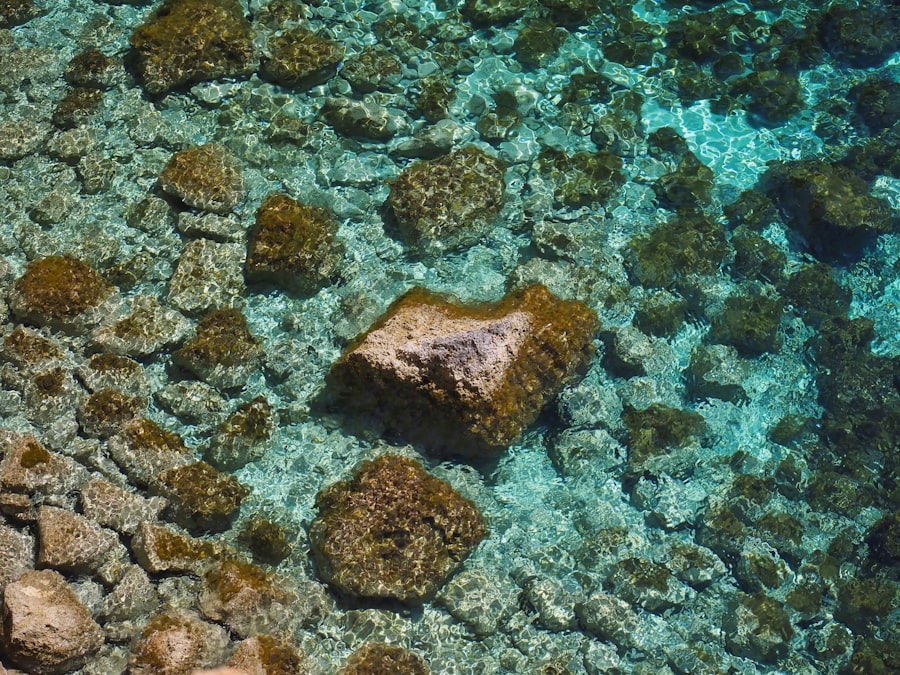
The unique advantages of hexagonal joints lend themselves to a variety of underwater construction applications, offering more durable, efficient, and environmentally conscious solutions.
Submerged Breakwaters and Coastal Defenses
Breakwaters and coastal defenses are constantly battered by waves and currents. Traditional rubble mound breakwaters, while effective, can be prone to settlement and erosion. Hexagonal stone units, interlocked to form a stable matrix, can create breakwaters that are more resistant to displacement and scour. The interlocking nature prevents individual stones from being dislodged, leading to a longer lifespan and reduced maintenance requirements. This is akin to building a robust armor for the shoreline.
Artificial Reefs and Habitat Restoration
The creation of artificial reefs for marine life provides crucial habitats in areas where natural reefs are degraded or absent. Hexagonal stone structures offer an ideal foundation for marine organisms to colonize. The varied surfaces and interlocking cavities provide shelter and attachment points for a diverse range of species. Furthermore, the use of interlocking hexagonal units can facilitate faster and more stable reef construction compared to the haphazard placement of individual rocks. This transforms inert structures into vibrant ecosystems.
Submarine Foundations and Scour Protection
Pipelines, cables, and other subsea infrastructure require stable foundations that are protected from scour – the erosion of sediment around a structure caused by currents. Hexagonal stone mattresses or fascines can be deployed to create a protective layer around these assets, preventing sediment from being washed away and thus ensuring the stability of the foundation. The interlocking geometry ensures that the protective layer remains cohesive even under significant current forces.
Dock Walls and Quay Construction
Constructing durable dock walls and quays in marine environments demands structures that can withstand constant wave action, ship berthing forces, and the potentially corrosive effects of seawater. Hexagonal stone masonry, with its inherent strength and resistance to movement, offers a superior alternative to traditional methods. The interlocking design can reduce the need for extensive timber or concrete reinforcement, leading to more cost-effective and environmentally friendly quay construction.
Hexagonal joints in underwater stone masonry represent a fascinating aspect of ancient engineering, showcasing the ingenuity of builders who utilized natural materials to create durable structures. For a deeper understanding of the skills and techniques involved in such constructions, you can explore an insightful article that highlights Mexico’s skilled engineering talent. This resource provides valuable context on how traditional methods continue to influence modern practices in various fields. To read more about this topic, visit this article.
Manufacturing and Installation: Precision meets Practicality
| Parameter | Value | Unit | Notes |
|---|---|---|---|
| Joint Width | 10 | mm | Optimal width for hexagonal joints to ensure water tightness |
| Joint Depth | 30 | mm | Recommended depth for underwater stone masonry joints |
| Mortar Compressive Strength | 15 | MPa | Minimum strength for underwater mortar mix |
| Water Permeability | 0.01 | cm/s | Maximum allowable permeability for joint sealing |
| Joint Angle | 120 | Degrees | Internal angle of hexagonal joints |
| Stone Block Size | 300 | mm | Average edge length of hexagonal stone blocks |
| Setting Time of Mortar | 60 | minutes | Initial setting time suitable for underwater application |
| Joint Flexibility | 5 | % strain | Allowable strain to accommodate underwater movement |
The successful implementation of hexagonal joints in underwater stone masonry relies on advancements in manufacturing precision and practical installation techniques.
Advanced Stone Cutting and Profiling
To achieve the tight tolerances required for effective hexagonal interlocking, precision stone cutting is paramount. Modern CNC (Computer Numerical Control) machinery allows for the precise shaping of natural stone or the manufacturing of interlocking concrete units to exact hexagonal specifications. This ensures that even with natural stones, the degree of irregularity is minimized, allowing for optimal geometric fit.
Bespoke Concrete Units and Geopolymer Formulations
Beyond natural stone, specially engineered concrete units designed with hexagonal profiles are a viable and increasingly popular option. These units can be cast with internal void spaces to reduce weight for easier handling and deployment, or reinforced with specialized materials for enhanced durability. The development of high-performance geopolymer concrete formulations, which exhibit superior resistance to chemical attack and abrasion in marine environments, further enhances the longevity and performance of these pre-fabricated hexagonal elements.
Deployment Techniques: From Art to Science
The installation of hexagonal stone elements underwater requires specialized techniques. While diving operations are often necessary, advancements in remotely operated vehicles (ROVs) and automated seabed placement systems are increasingly being utilized. These technologies allow for precise positioning and interlocking of units, even in challenging conditions. The interlocking geometry simplifies the placement process, as each unit naturally guides and locks into its neighbors, reducing the need for extensive manual adjustments.
Quality Control and Performance Monitoring
Rigorous quality control during the manufacturing process and ongoing performance monitoring of installed structures are essential. Non-destructive testing methods, sonar imaging, and regular visual inspections can be employed to ensure the integrity of the joints and the overall stability of the structure over time. This proactive approach is key to maximizing the lifespan and effectiveness of underwater stone masonry.
Hexagonal joints in underwater stone masonry have intrigued researchers and historians alike, as they reveal advanced construction techniques used in ancient civilizations. These unique joints not only provide structural stability but also showcase the ingenuity of early engineers. For those interested in exploring the mysteries of ancient technologies, a fascinating article discusses the enigmatic Baghdad Battery and its potential applications in historical contexts. You can read more about it in this insightful piece here.
The Future of Underwater Stone Masonry: A Hexagonal Horizon
The adoption of hexagonal joint technology signifies a paradigm shift in underwater stone masonry. As research and development continue, we can anticipate even more innovative applications and widespread integration of this robust and efficient construction method.
Integration with Smart Materials and Sensing Technologies
Future developments may see the integration of smart materials and embedded sensing technologies within hexagonal stone units. Sensors could monitor stress levels, water pressure, and environmental conditions, providing real-time data on the structural health of the masonry. This data could be used for predictive maintenance and to optimize the performance of subaquatic structures. Imagine stones that can “feel” and report their own well-being.
Novel Joining Mechanisms and Hybrid Systems
While interlocking geometry is the primary advantage, research may also explore novel joining mechanisms that can complement or enhance the hexagonal fit. This could include advanced adhesives, mechanical locking pins designed for subaquatic deployment, or hybrid systems that combine geometric interlocking with the strength of specialized binders.
Environmental Sustainability and Reduced Impact
The inherent efficiency of hexagonal designs, requiring less material and often reducing the need for extensive cofferdams or dredging, contributes to a more environmentally sustainable approach to underwater construction. Further innovation in materials and installation techniques will likely further minimize the ecological footprint of such projects, making them a more attractive option for sensitive marine environments.
Large-Scale Infrastructure and Exploration
The advancements in hexagonal joint technology have the potential to unlock new possibilities for large-scale subaquatic infrastructure projects, from submerged transportation routes to deep-sea exploration bases. The inherent stability and resilience of these structures will be crucial for ventures operating in the most challenging and remote underwater frontiers.
FAQs
What are hexagonal joints in underwater stone masonry?
Hexagonal joints refer to the six-sided interlocking shapes formed between stones in underwater masonry. These joints help create a stable and tightly fitted structure that resists water pressure and movement.
Why are hexagonal joints used in underwater stone masonry?
Hexagonal joints provide enhanced stability and strength by distributing loads evenly across the structure. Their interlocking shape minimizes gaps, reducing water infiltration and erosion, which is crucial for underwater constructions.
How are hexagonal joints created in underwater stone masonry?
Stones are carefully cut or shaped into hexagonal forms before placement. Skilled masons then fit these stones together underwater, often using specialized tools and techniques to ensure precise alignment and tight joints.
What materials are commonly used in underwater stone masonry with hexagonal joints?
Durable natural stones such as granite, basalt, or limestone are commonly used due to their strength and resistance to water damage. These stones are selected and shaped to form the hexagonal joints.
What are the benefits of using hexagonal joints in underwater stone masonry compared to other joint types?
Hexagonal joints offer superior interlocking capabilities, which enhance the overall durability and longevity of underwater structures. They reduce the risk of displacement caused by water currents and provide better resistance to mechanical stresses than simpler joint shapes.