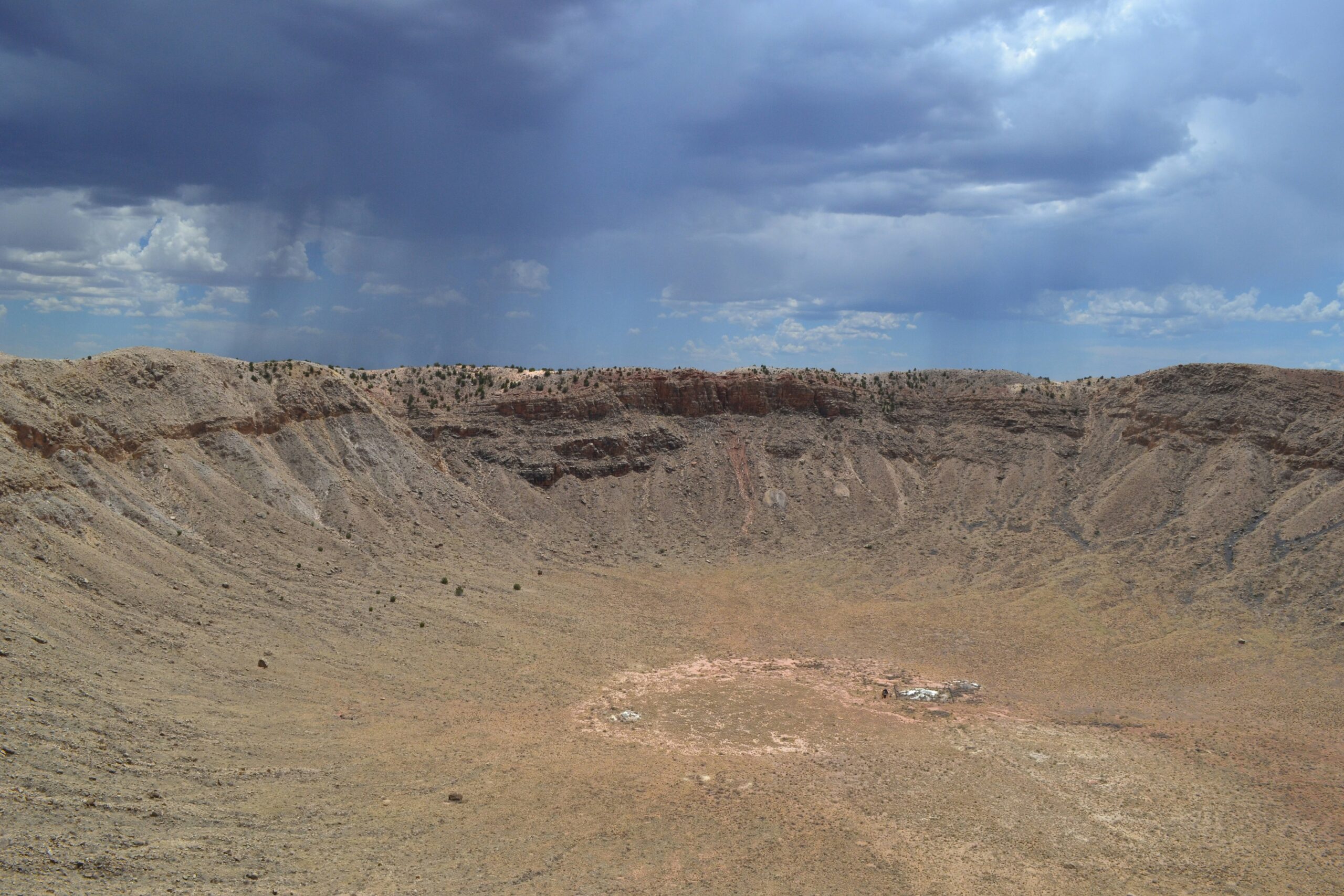
A team of international scientists, working under the biting winds and perpetual twilight of the Antarctic interior, have announced a startling discovery: a colossal, ancient crater, hidden for millennia beneath kilometers of solid ice. This revelation, detailed in a groundbreaking paper published this week, challenges existing theories about the continent’s geological history and raises intriguing questions about past impacts and the potential for life to have once thrived in a dramatically different Antarctica.
The discovery of this massive impact structure, tentatively named the “Aurora Borealis Crater” by the research team due to its location in a region often swept by auroral displays, came about through a serendipitous combination of advanced technology and meticulous data analysis. For years, geophysicists and glaciologists have been probing the subglacial landscape of East Antarctica, utilizing techniques like ice-penetrating radar and gravimetry to map the bedrock beneath the thick ice sheets. High-resolution surveys, conducted over a vast and previously less explored region, began to reveal anomalies – subtle but persistent variations in gravitational pull and unusual subsurface reflectivity.
A Symphony of Science: Tools of Discovery
The initial hints of something extraordinary beneath the ice were picked up by a network of airborne gravimeters deployed as part of the International Polar Observation Program. These sensitive instruments measure minute changes in the Earth’s gravitational field, which can be caused by variations in rock density beneath the surface. Anomalous readings in a particular sector of East Antarctica suggested a distinct geological feature, larger and denser than the surrounding bedrock.
This initial data spurred a dedicated campaign using ice-penetrating radar. This technology emits radio waves that penetrate the ice and reflect off the underlying bedrock and any structures within it. The team, led by Dr. Anya Sharma of the National Ice Research Institute and Professor Jian Li from the Peking University Geophysical Institute, utilized a new generation of high-frequency radar systems that offered unprecedented resolution. These systems can penetrate over three kilometers of ice, providing detailed cross-sections of the bedrock.
- Radar Imaging: The radar data painted a picture of a colossal, circular depression in the bedrock, with a distinct rim profile and a central uplift. This morphology is highly characteristic of an impact crater.
- Gravimetric Analysis: Complementary gravimetric data confirmed the presence of a dense anomaly within the crater’s structure, consistent with impact melt rock and ejecta. The sheer scale of the gravitational distortion indicated a feature of immense proportions.
- Magnetic Surveys: While less conclusive on its own, magnetic surveys also revealed patterns that aligned with the interpretation of a buried impact structure, with variations in magnetic susceptibility that could be attributed to altered rock formations.
Piecing Together the Puzzle
The laborious process of consolidating data from these disparate sources took months. Researchers had to account for the distorting effects of the overlying ice sheet, including variations in ice thickness and internal ice structures. Sophisticated modeling techniques were employed to invert the geophysical data and generate a three-dimensional reconstruction of the subglacial landscape. This meticulous work, performed by a diverse team of geophysicists, glaciologists, and computational scientists, finally allowed them to present their findings with a high degree of confidence. The sheer size of the anomaly, measuring an estimated 200 kilometers in diameter, immediately positioned it as one of the largest impact structures ever discovered on Earth.
Recent discoveries have unveiled a hidden crater beneath the ice, prompting scientists to explore its implications for climate change and geological activity. This fascinating topic is further explored in a related article discussing the geopolitical shifts involving the U.S., Mexico, and China, which can provide context on how global dynamics influence scientific research and environmental policies. For more insights, you can read the article here: The Geopolitical Shift: U.S., Mexico, and China.
The Genesis of a Monster Impact
The discovery of such a massive crater inevitably leads to questions about the impact event itself. The immense energy required to excavate a crater of this magnitude suggests a colossal impactor, likely an asteroid or comet, striking the Earth millions, if not hundreds of millions, of years ago. The subsequent encapsulation of the crater by the Antarctic ice sheet has effectively preserved this ancient scar, shielding it from erosion and weathering.
The Impact Event: A Cataclysmic Encounter
Scientists are currently working to estimate the size and composition of the impactor. Based on the crater’s dimensions and the estimated strength of the bedrock, preliminary calculations suggest an object several kilometers in diameter. The energy released during such an impact would have been staggering, far exceeding that of any known volcanic eruption or earthquake.
- Impactor Size and Velocity: Estimates range from 5 to 15 kilometers for the diameter of the impactor, depending on its composition and impact angle. Velocity is also a critical factor, with typical asteroid speeds ranging from 11 to 72 kilometers per second.
- Energy Release: For a 10-kilometer asteroid impacting at 20 kilometers per second, the energy released would be on the order of 10^23 joules, equivalent to billions of tons of TNT. This would have caused immediate widespread devastation.
- Geological Consequences: Such an impact would have triggered massive earthquakes, generated colossal tsunamis (if occurring in a marine environment, though Antarctica was likely terrestrial at the time), and ejected vast amounts of ejecta, blanketing large areas of the planet.
Dating the Scar: Unlocking Its Age
Determining the age of the Aurora Borealis Crater is a crucial next step. This will provide vital context for understanding Antarctica’s paleoclimate and its role in Earth’s geological and biological history. While direct dating of impact melts from within the crater is challenging due to the ice cover, scientists are exploring several avenues.
- Geochemical Analysis of Ejecta: If samples of ejecta can be obtained through future drilling operations, their radiometric dating could reveal the impact’s age. Tephra layers within ice cores from the surrounding region might also offer clues.
- Paleomagnetic Records: The intense heat and pressure of an impact can reset the magnetic field in the affected rocks. Analyzing the paleomagnetic signatures in bedrock samples could help constrain the timing of the event.
- Correlation with Known Extinction Events: The age of the crater might correlate with significant extinction events in Earth’s history, potentially indicating the impactor’s role as a driver of mass extinctions.
Implications for Antarctic History and Paleoclimate

The existence of the Aurora Borealis Crater has profound implications for our understanding of Antarctica’s past. For millions of years, this vast continent hosted a very different environment, and this impact event likely played a significant role in shaping its geological and climatic trajectory.
A Once-Temperate Continent
The discovery strongly suggests that Antarctica was not always the frigid, ice-bound landmass it is today. The scale of the impact and the associated environmental disruption would have occurred on a planet with a vastly different climate, potentially much warmer, and free of its colossal ice sheets.
- Continental Drift and Geography: At the time of the impact, Antarctica’s tectonic position would have been different, potentially closer to warmer latitudes. This would have allowed for a more temperate climate and possibly even the presence of forests and diverse ecosystems.
- Atmospheric and Oceanic Influences: The impact’s effects on the atmosphere and oceans would have been globally significant, potentially influencing long-term climate patterns and contributing to or mitigating periods of glaciation.
Environmental Catastrophe and Recovery
The immediate aftermath of such a colossal impact would have been catastrophic. The ejection of vast amounts of dust and debris into the atmosphere would have blocked sunlight, leading to a prolonged period of darkness and global cooling – an “impact winter.” This would have had devastating consequences for life on Earth.
- Knock-on Effects on Ecosystems: The environmental shockwaves would have triggered widespread ecosystem collapse. Photosynthetic organisms would have struggled to survive, leading to the collapse of food webs.
- Resilience and Adaptation: The eventual recovery of life would have depended on the resilience and adaptability of surviving species. The impact could have also driven evolutionary innovation, paving the way for new life forms.
The Potential for Extraterrestrial Clues
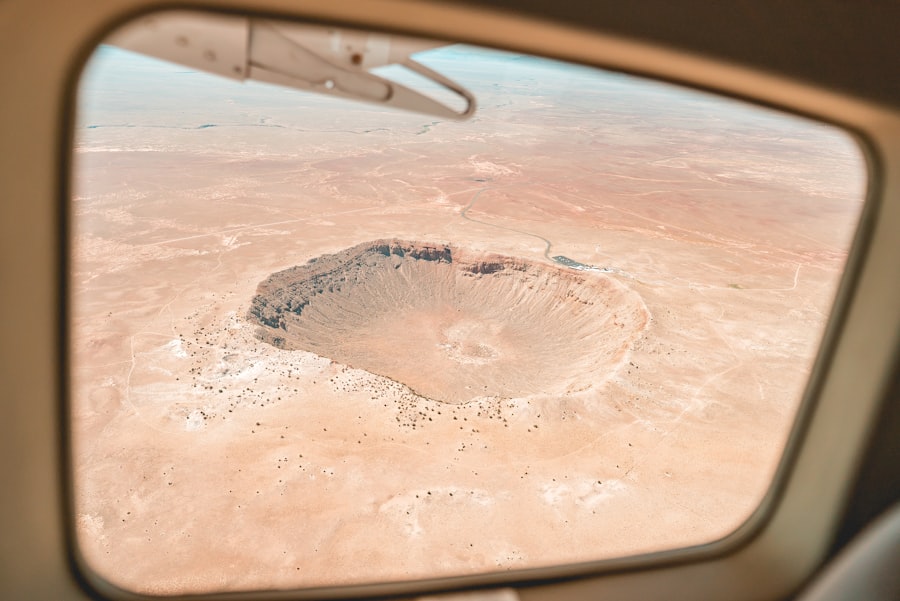
The discovery of an impact crater of this magnitude also opens up the possibility of finding extraterrestrial material preserved within the impact melt. Asteroids and comets are compositions from the early solar system, and their study can provide invaluable insights into the formation and evolution of our planetary neighborhood.
Precious Cargo: Extraterrestrial Remnants
The immense heat and pressure generated by the impact would have melted and altered terrestrial rocks, but it is possible that fragments of the impactor itself, composed of extraterrestrial materials, could have survived and become incorporated into the impact melt.
- Asteroid and Comet Composition: Identifying fragments of the impactor could reveal its origin within the solar system, whether it was a stony asteroid, a metallic asteroid, or even a comet rich in ice and organic compounds.
- Isotopic Signatures: The isotopic composition of elements within the impact melt can serve as a unique fingerprint, allowing scientists to distinguish extraterrestrial material from terrestrial rocks.
Unlocking Solar System Secrets
If extraterrestrial fragments are identified, they could offer a window into the composition of the early solar system at a time when our own planet was still forming. These samples could provide clues about the building blocks of life and the conditions that prevailed during the formation of planets.
- Pre-solar Grains: The impact could have preserved pre-solar grains – microscopic particles that predate the formation of the sun itself, offering insights into the interstellar medium from which our solar system emerged.
- Organic Molecules: If the impactor was a cometary body, it could have delivered organic molecules to Earth, further fueling the debate about the origins of life.
Recent discoveries of a hidden crater beneath the ice have sparked interest in the geological processes that shape our planet. This fascinating topic is closely related to the ongoing environmental challenges faced in various regions, including Sub-Saharan Africa. For a deeper understanding of the urgent issues impacting this area, you can read more about it in the article on the crisis and the need for action. The insights from this piece can provide valuable context to the broader implications of geological changes. You can find the article here: Sub-Saharan Africa Crisis: The Urgent Need for Action.
Future Research and the Challenge of Exploration
| Location | Antarctica |
|---|---|
| Depth | Over 300 meters |
| Discovery | 2020 |
| Size | About 31 kilometers wide |
| Impact | Potential to affect ice flow and sea level rise |
The discovery of the Aurora Borealis Crater presents immense scientific opportunities, but also significant logistical and technological challenges. Extracting information from beneath kilometers of ice requires cutting-edge technology and a deep understanding of the Antarctic environment.
The Next Frontiers: Drilling and Sampling
The ultimate goal of the research will be to obtain physical samples from the crater. This will likely involve extremely complex drilling operations, pushing the boundaries of current technological capabilities.
- Deep Ice Drilling: Specialized deep ice drilling equipment will be required to penetrate the thick ice sheet and reach the bedrock. This technology is expensive and requires careful planning to avoid contaminating the pristine subglacial environment.
- Subglacial Exploration: Once the bedrock is reached, robotic probes or specialized drilling techniques will be needed to explore the crater and collect rock samples.
Technological Advancements and International Collaboration
The realization of these ambitious research goals will necessitate significant advancements in drilling technology, robotics, and environmental monitoring. International collaboration will be essential to pool resources, expertise, and funding.
- Robotics and Automation: The development of highly sophisticated autonomous underwater vehicles (AUVs) or subglacial exploration robots could be crucial for navigating and sampling the subglacial environment.
- Environmental Protection: Strict protocols will need to be implemented to ensure that human activities do not contaminate this unique, previously undisturbed subglacial ecosystem.
The Aurora Borealis Crater stands as a testament to the dynamic and often violent history of our planet. Its discovery beneath the seemingly static expanse of Antarctic ice offers a tantalizing glimpse into a lost world and promises to rewrite our understanding of Earth’s past, its potential for life, and its place in the broader cosmic narrative. This hidden giant is no longer hidden, and its secrets are just beginning to be unveiled.

This Crater Was Supposed to Rewrite Human History… It Didn’t
FAQs
What is the hidden crater beneath ice?
The hidden crater beneath ice refers to a large impact crater that has been discovered beneath the Hiawatha Glacier in northwest Greenland. It is estimated to be over 31 kilometers wide, making it one of the 25 largest impact craters on Earth.
How was the hidden crater discovered?
The hidden crater was discovered using satellite imagery and aerial surveys. Scientists noticed a circular depression beneath the ice, which led to further investigation using ice-penetrating radar and other geophysical techniques to confirm the presence of the crater.
When did the impact that created the hidden crater occur?
The impact that created the hidden crater is estimated to have occurred around 12,000 years ago, during the last ice age. This makes it a relatively recent event in geological terms.
What are the implications of the hidden crater discovery?
The discovery of the hidden crater has significant implications for our understanding of the impact history of Earth and its potential effects on climate and ecosystems. It also highlights the importance of studying the polar regions for uncovering hidden geological features.
What further research is planned for the hidden crater beneath ice?
Further research on the hidden crater will involve studying its impact on the surrounding environment, as well as its potential connection to past climate changes. Scientists also plan to investigate the possibility of finding preserved evidence of the impact within the ice and sediment layers.