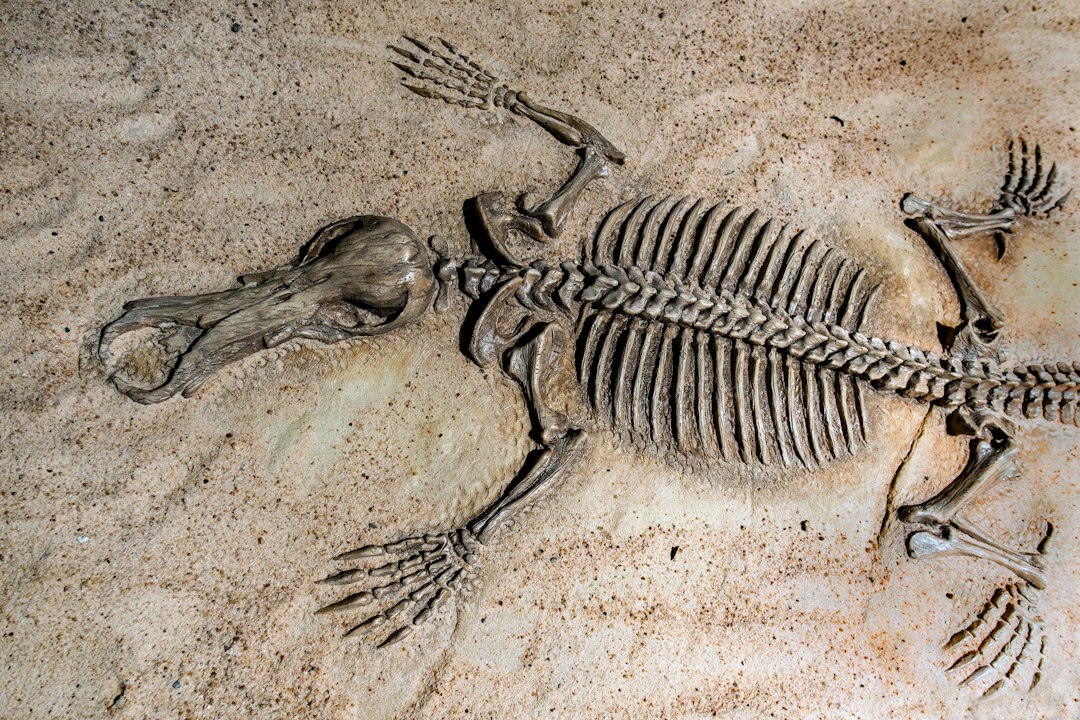
The Thawing Frontier: A New Era of Paleontological Discovery
The relentless march of climate change, with its most visible manifestation being the rapid melting of polar ice sheets, is inadvertently revealing secrets buried for millennia. Beneath the ancient ice, once considered an impenetrable vault of frozen time, a treasure trove of paleontological wonders is steadily emerging. This article delves into the groundbreaking discoveries of extinct mammal fossils being unearthed as glaciers recede, offering an unprecedented glimpse into prehistoric ecosystems and the evolutionary journeys of life on Earth. The implications of these finds extend far beyond simple cataloging; they are reshaping our understanding of past climates, biogeographical connections, and the profound impact of environmental shifts on species survival.
Recent discoveries of extinct mammal fossils hidden under ice have shed light on the ancient ecosystems that once thrived in these now-frigid regions. These findings not only provide insights into the species that roamed the Earth millions of years ago but also raise questions about climate change and its impact on biodiversity. For a deeper understanding of how environmental shifts can lead to the downfall of entire ecosystems, you can read more in this related article on ancient civilizations and their sudden collapses at The Downfall of Ancient Civilizations: Sudden Collapse Explained.
Echoes from a Frozen Past: Unveiling Prehistoric Giants

The sheer age and scale of the ice sheets in regions like Greenland and Antarctica have long presented formidable barriers to scientific exploration. For centuries, these vast expanses remained largely inaccessible, their geological histories locked away beneath meters of solid ice. However, as global temperatures climb and glaciers retreat at an accelerated pace, the frozen earth is giving up its long-held secrets. Scientists are now discovering remarkably preserved fossils of extinct mammals, offering tantalizing clues about the biodiversity that once thrived in these now-frigid landscapes. These discoveries are not merely isolated finds; they represent a growing body of evidence pointing to a radically different past.
The Mammoth’s Domain: Remains in the Permafrost
One of the most anticipated types of fossils emerging from the thawing ice are the remains of mammoths, woolly rhinoceroses, and other Ice Age megafauna. These colossal creatures, adapted to harsh, cold environments, roamed across vast territories that are now ice-covered or significantly altered. The permafrost, acting as a natural freezer, has preserved these specimens with astonishing fidelity. Soft tissues, fur, and even stomach contents have been recovered, providing invaluable data for genetic analysis, dietary studies, and insights into the physiology of these extinct giants. The presence of these fossils directly beneath melting ice sheets in regions that were once steppe-tundra environments emphasizes the dramatic climatic shifts that have occurred over geological timescales. Researchers are meticulously documenting the locations and conditions of these discoveries, piecing together a more detailed narrative of Ice Age life.
Beyond the Ice Age: Evidence of Earlier Mammalian Life
While Ice Age megafauna are prominent, the thawing ice is also beginning to reveal evidence of even older mammalian life. As ice sheets erode bedrock and expose previously glaciated terrain, paleontologists are finding fossils that predate the last glacial maximum. These discoveries can include fragments of ancient rodents, early forms of carnivores, and even potential ancestors of modern mammal groups. The significance of these finds lies in their ability to fill gaps in the fossil record, illuminating periods of mammalian evolution that were previously poorly understood due to lack of accessible fossil sites. Each unearthed bone or tooth offers a piece of a complex evolutionary puzzle, contributing to a more comprehensive understanding of how mammals diversified and adapted to changing global conditions.
A Window into Prehistoric Ecosystems: Reconstructing Lost Worlds
The fossils unearthed from beneath the melting ice are more than just individual specimens; they are keys to reconstructing entire prehistoric ecosystems. By studying the types of mammals found, their relative abundances, and the geological context in which they are discovered, scientists can paint a vivid picture of the environments that existed thousands or even millions of years ago. This involves not only identifying the mammals but also understanding their interactions with each other and with their surroundings.
Flora and Fauna in Tandem: Understanding Paleoenvironments
The preservation of fossilized plant material alongside animal remains is a crucial aspect of reconstructing paleoenvironments. Pollen, seeds, and even macroscopic plant fragments can provide direct evidence of the vegetation that supported these extinct mammals. For instance, the discovery of mammoth remains in areas now covered by ice, alongside fossilized grasses and sedges, confirms the existence of open grasslands that were essential for their sustenance. Similarly, the presence of specific tree species in fossil assemblages can indicate the extent and type of forest cover. By integrating this botanical data with the paleontological findings, researchers can create detailed models of ancient landscapes, including temperature ranges, precipitation patterns, and the overall ecological structure. This holistic approach allows for a deeper appreciation of the complex interdependencies within these lost worlds.
Migratory Pathways and Biogeographical Connections
The distribution of fossil finds across different regions can also shed light on ancient migratory pathways and biogeographical connections. As ice sheets recede, revealing new fossil sites, scientists can observe patterns of species distribution that were previously obscured. For example, the discovery of similar mammoth subspecies in geographically distant areas that were once connected by land bridges, now submerged or glaciated, provides concrete evidence of ancient faunal movement. Understanding these pathways is critical for comprehending how species colonized continents, adapted to new environments, and eventually went extinct. This research has profound implications for understanding current patterns of biodiversity and the potential impacts of future climate-induced migrations.
Challenges and Opportunities: The Delicate Dance with a Warming Planet
The ongoing thawing of ice sheets presents both immense opportunities for scientific discovery and significant challenges. The very process that reveals these ancient treasures also highlights the destructive power of unchecked climate change. Scientists are racing against time to document and preserve these fragile specimens before they degrade or are lost to erosion.
The Urgency of the Thaw: Preservation in a Precarious Environment
The accelerated melting of ice sheets creates a sense of urgency for paleontological research. Once exposed, fossils are susceptible to the elements – wind, rain, and fluctuating temperatures can quickly degrade delicate organic materials. This necessitates rapid mobilization of research teams to survey newly exposed areas, carefully excavate specimens, and implement immediate preservation strategies. The logistical challenges of working in remote, often hazardous, polar environments are compounded by the need for swift action. Funding for such expeditions and the development of specialized equipment for working in these conditions are crucial for maximizing the scientific return from these fleeting opportunities. The ephemeral nature of these discoveries underscores the critical importance of continued investment in polar research.
Technological Innovations: Tools for a New Frontier
The unique conditions of fossil discovery beneath melting ice have spurred the development of innovative technologies. Advanced remote sensing techniques, such as ground-penetrating radar and satellite imagery, are being employed to identify potential fossil-bearing sites beneath the ice before physical excavation. On-site, portable laboratories equipped with specialized tools for delicate excavation and initial preservation are essential. Furthermore, advancements in radiocarbon dating and genetic sequencing are allowing scientists to extract more information from even fragmentary specimens, providing precise age estimates and insights into the evolutionary relationships of these extinct mammals. The application of drone technology for aerial surveys and the use of digital mapping tools are also revolutionizing the way these discoveries are documented and analyzed, enabling researchers to build comprehensive 3D models of fossil sites and their surrounding landscapes.
Recent discoveries of extinct mammal fossils hidden under ice have sparked significant interest among paleontologists and climate scientists alike. These findings not only shed light on the ancient ecosystems that once thrived but also raise questions about the impact of climate change on permafrost regions. For those looking to understand the broader implications of environmental shifts, a related article discusses the potential economic ramifications of a US debt crisis and how it could affect funding for scientific research. You can read more about this topic here.
Broader Implications: Climate Change, Evolution, and Our Future
| Fossil Name | Species | Age (Years) | Location Found | Estimated Size (m) | Significance |
|---|---|---|---|---|---|
| Woolly Mammoth Tusk | Mammuthus primigenius | 10,000 – 20,000 | Siberian Ice | 4 – 5 | Well-preserved DNA for genetic studies |
| Giant Ground Sloth Bone | Megatherium americanum | 12,000 – 15,000 | Patagonian Ice Fields | 6 | Insight into Pleistocene megafauna |
| Steppe Bison Skull | Bison priscus | 15,000 – 18,000 | Alaskan Permafrost | 2 | Helps understand Ice Age ecosystems |
| Woolly Rhinoceros Horn | Coelodonta antiquitatis | 20,000 – 30,000 | European Glacial Ice | 3.5 | Rare specimen showing adaptation to cold |
| Ancient Cave Lion Skeleton | Panthera spelaea | 25,000 – 35,000 | Ural Mountains Ice | 2.5 | Provides data on predator-prey dynamics |
The discovery of extinct mammal fossils beneath melting ice sheets is not merely an academic pursuit; it carries profound implications for our understanding of climate change, evolutionary processes, and the future of life on Earth. These ancient remains serve as powerful case studies, demonstrating the dramatic consequences of past climatic shifts and offering valuable lessons for the present and the future.
Lessons from Extinction: Understanding Past Resilience and Vulnerability
The extinction events that led to the demise of these magnificent creatures, and the environmental changes they experienced, offer crucial insights into the factors that drive species survival and vulnerability. By studying the adaptations of these extinct mammals, such as their thick fur coats and specialized diets, and understanding the environmental pressures they faced – be it changing vegetation, fluctuating temperatures, or increased competition – scientists can gain a deeper appreciation for the complex interplay of factors that determine a species’ fate. This knowledge is invaluable in the current era of rapid anthropogenic climate change, helping us to identify species at risk and to develop more effective conservation strategies. The fossil record provides a historical perspective on how ecosystems respond to significant environmental perturbations, offering a framework for predicting future ecological changes.
A Stark Reminder and a Call to Action: The Present and the Future
The visual evidence of ancient life emerging from beneath the ice serves as a powerful and tangible reminder of the profound impact of climate change. The very fact that these fossils are being unearthed is a direct consequence of a warming planet. This connection compels a deeper understanding of our role in shaping the Earth’s future. The knowledge gained from studying these extinct ecosystems and the creatures that inhabited them provides a stark warning about the potential consequences of inaction. It underscores the interconnectedness of all life and the delicate balance of Earth’s systems. By learning from the past, as revealed through these remarkable discoveries, humanity is better equipped to make informed decisions about its present actions and to strive for a more sustainable future, mitigating the risks of further biodiversity loss and environmental degradation. The thawing frontier, therefore, is not just a source of scientific marvel, but a critical call to action.

Beneath the Ice: Surviving the Ice Age 20,000 Years Ago
FAQs
What is the significance of finding extinct mammal fossils hidden under ice?
Finding extinct mammal fossils hidden under ice is significant because it provides valuable insights into the Earth’s past climate, ecosystems, and the evolution of mammalian species.
How do scientists locate and excavate extinct mammal fossils hidden under ice?
Scientists use ground-penetrating radar and satellite imagery to locate potential fossil sites under ice. Excavation involves carefully melting the ice to access the fossils without damaging them.
Which extinct mammal species have been discovered under ice so far?
Extinct mammal species such as woolly mammoths, saber-toothed cats, and giant ground sloths have been discovered under ice in various regions around the world.
What can the study of extinct mammal fossils hidden under ice tell us about ancient environments?
The study of these fossils can provide information about the vegetation, climate, and geography of ancient environments, helping scientists reconstruct past ecosystems and understand how they have changed over time.
Why are extinct mammal fossils hidden under ice well-preserved compared to other fossil types?
Extinct mammal fossils hidden under ice are well-preserved because the cold temperatures and lack of oxygen slow down the decomposition process, allowing the fossils to retain more of their original structure and biological material.