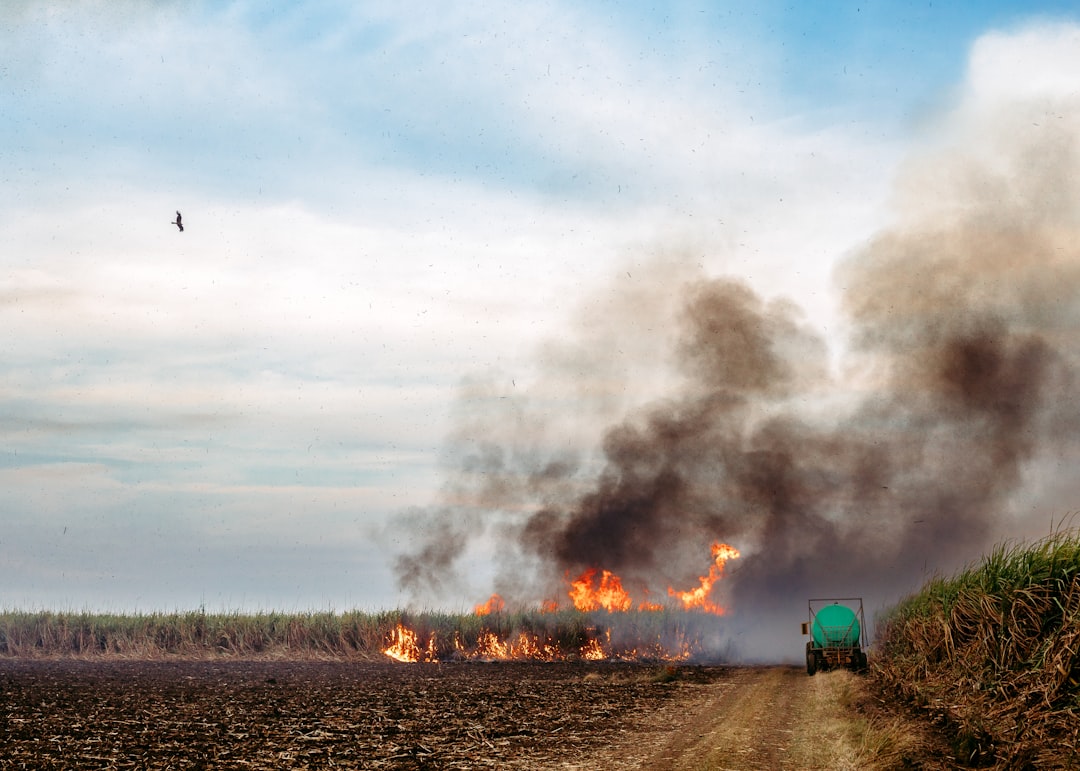
The history of prescribed fire is a narrative woven into the very fabric of natural ecosystems, a story of adaptation, suppression, and rediscovery. For millennia, fire, both natural and human-ignited, played a crucial role in shaping landscapes, influencing vegetation composition, and maintaining ecological health. Today, prescribed fire, a carefully planned and executed application of fire under specific weather and fuel conditions, stands as a vital tool for modern ecosystem management, a testament to humanity’s evolving understanding of ecological processes. This article delves into the historical trajectory of prescribed fire, exploring its Indigenous roots, the era of suppression, and its modern resurgence as a cornerstone of conservation and land management.
Early Human Encounters with Fire
The relationship between humans and fire is ancient, stretching back hundreds of thousands of years. Early hominids likely encountered naturally occurring fires, such as those ignited by lightning strikes, and learned to harness its transformative power. The control and use of fire marked a pivotal moment in human evolution, providing warmth, protection from predators, and a means to cook food, which in turn facilitated nutrient absorption and brain development. As human populations grew and spread across the globe, so too did their deliberate use of fire.
Traditional Ecological Knowledge and Cultural Burning
Indigenous peoples across diverse continents and ecosystems developed sophisticated systems of land management that often incorporated fire as a central element. These practices, often referred to as cultural burning or traditional burning, were not haphazard but were deeply embedded in cultural knowledge, spiritual beliefs, and a profound understanding of local ecological dynamics. For millennia, Indigenous communities utilized fire to achieve a variety of objectives.
Fuel Management and Wildfire Prevention
One primary objective of cultural burning was fuel management. By intentionally igniting low-intensity fires, Indigenous peoples cleared accumulated dead vegetation, undergrowth, and leaf litter. This process reduced the potential for catastrophic wildfires, which could devastate entire landscapes and threaten human settlements. These controlled burns created mosaic patterns of burned and unburned areas, effectively breaking up fuel continuity and thus mitigating the intensity and spread of inevitable natural fires.
Enhancing Biodiversity and Habitat Creation
Beyond wildfire prevention, cultural burning was also a deliberate strategy for enhancing biodiversity. Many plant species, particularly in fire-adapted ecosystems, depend on fire for germination, seed release, or to break dormancy. By periodically introducing fire, Indigenous peoples promoted the growth of these species, creating a more diverse and resilient plant community. This, in turn, supported a greater variety of animal life by providing varied food sources and habitats. For instance, burning meadows could stimulate the growth of grasses and forbs, attracting herbivores like deer and bison, which were crucial to Indigenous sustenance.
Promoting Specific Plant and Animal Resources
Cultural burning also served to cultivate specific resources. Certain roots, tubers, and berries were stimulated by fire, making them more abundant and accessible. Burning could also improve foraging conditions for game animals by encouraging the growth of fresh shoots and clearing dense underbrush. The knowledge of when, where, and how to burn was passed down through generations, representing a sophisticated form of adaptive management honed over vast periods.
Spiritual and Ceremonial Significance
In many Indigenous cultures, fire held deep spiritual and ceremonial significance. Burning was not merely a utilitarian practice but was often integrated into rituals and ceremonies, connecting communities to the land and its cycles. The act of burning could be seen as a way to honor the land, clear away the old to make way for the new, and maintain a spiritual balance within the ecosystem. The ongoing practice of cultural burning by Indigenous communities today is a vital act of cultural preservation and ecological stewardship.
The history of prescribed fire is a crucial aspect of land management and ecological restoration, as it has been used for centuries by various cultures to promote healthy ecosystems and reduce the risk of uncontrolled wildfires. For a deeper understanding of how strategic planning, such as Mexico’s development initiatives, can influence environmental practices, you can explore the article on Mexico’s Strategic Development Industrial Zone Plan at this link. This article provides insights into how modern development strategies can intersect with traditional land management practices, including the use of fire as a tool for maintaining ecological balance.
The Era of Fire Suppression: A Shift in Management Philosophy
The Rise of Industrialization and Perceived Danger of Fire
The arrival of European colonizers and the subsequent industrialization of many parts of the world brought about a dramatic shift in fire management philosophy. As settlements expanded and resource extraction intensified, fire began to be perceived primarily as a destructive force, a threat to human lives, property, and valuable timber resources. This perception was amplified by the increasing frequency of large, intense wildfires that occurred as a consequence of decades of fire suppression.
The “Smokey Bear” Era and the War on Wildfire
In the early 20th century, particularly in the United States, a concerted effort was launched to eradicate wildfire. This campaign, heavily influenced by public relations initiatives like the iconic “Smokey Bear” character, promoted the idea that “only YOU can prevent forest fires.” The message was clear: all fires were bad and should be extinguished immediately. This led to the establishment of dedicated firefighting agencies, extensive fire detection networks, and the aggressive suppression of every igniting flame.
Unintended Ecological Consequences of Suppression
While the intention behind fire suppression was to protect human interests, the unintended ecological consequences were profound and largely unforeseen. By preventing natural and human-ignited fires from burning at their historical frequencies and intensities, landscapes began to accumulate vast quantities of unburned fuel. This build-up created conditions ripe for larger, more severe, and more destructive wildfires when they eventually did occur.
Fuel Accumulation and Increased Fire Intensity
The absence of regular, low-intensity fires meant that dead wood, leaf litter, and dense undergrowth accumulated unchecked. This increased fuel load provided the material for fires to burn hotter, faster, and more intensely. These high-intensity fires were far more damaging to ecosystems, often killing mature trees, destroying soil organic matter, and leading to significant erosion.
Shift in Vegetation Composition
Fire suppression also altered vegetation composition in many ecosystems. Species that were historically fire-dependent or fire-tolerant began to decline, while species that were more shade-tolerant and less fire-adapted thrived in the absence of fire. This led to a homogenization of landscapes and a loss of biodiversity. Forests that were once open and park-like, with a diversity of understory plants, became dense and choked with flammable underbrush.
Loss of Habitat for Fire-Adapted Species
Many species of plants and animals have evolved in conjunction with fire and are dependent on its occurrence for their survival and reproduction. Fire suppression led to the decline or disappearance of these species, further impacting ecosystem health and resilience. For example, many prairie ecosystems are maintained by fire, which prevents woody encroachment and promotes the growth of grasses and wildflowers that are crucial for numerous insect and bird species.
The Rediscovery of Fire’s Ecological Role and the Birth of Prescribed Burning
Emerging Scientific Understanding
As the detrimental effects of prolonged fire suppression became increasingly apparent, a new generation of scientists began to question the prevailing dogma. Researchers observed that many ecosystems were not thriving under complete fire exclusion and that the occasional megafires were far more destructive than the smaller, more frequent fires of the past. This led to a critical re-evaluation of fire’s natural role in ecosystem processes.
The Concept of Prescribed Fire as a Management Tool
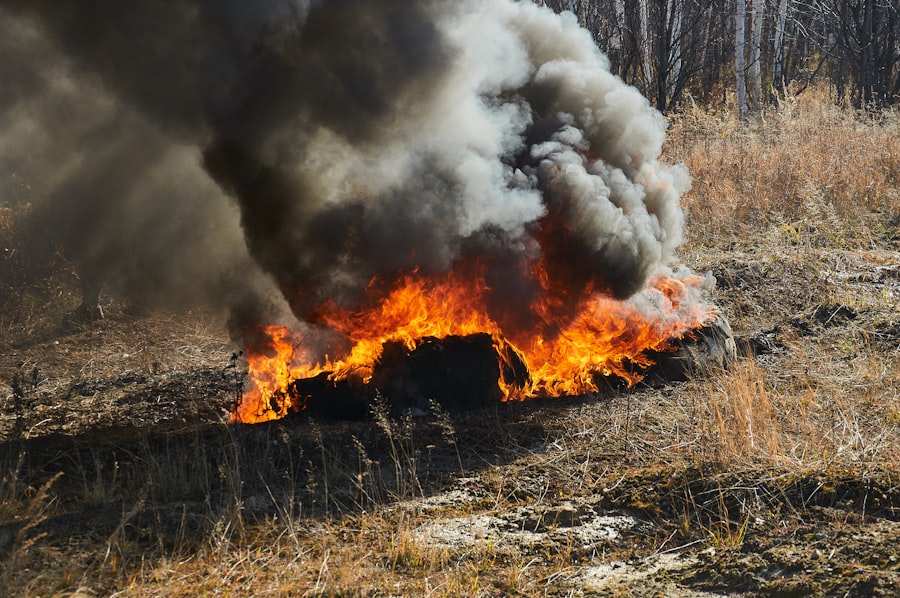
The understanding that fire was not inherently “bad” but rather a natural and often beneficial ecological force paved the way for the development of prescribed burning as a deliberate management tool. The concept was to reintroduce fire into landscapes in a controlled and predictable manner, mimicking the historical role of natural fires. This involved careful planning, precise execution, and a deep understanding of fire behavior and its ecological impacts.
Mimicking Natural Fire Regimes
The goal of early prescribed burning efforts was to mimic natural fire regimes – the historical patterns of fire occurrence, frequency, intensity, and seasonality. By understanding the specific fire history of a particular ecosystem, land managers could design burns that would achieve desired ecological outcomes, such as restoring habitat for fire-dependent species or reducing fuel loads to prevent future catastrophic wildfires.
The Importance of Fuel Management and Habitat Restoration
Prescribed fire offered a way to actively manage fuel loads, reducing the risk of uncontrollable wildfires. By burning accumulated dead vegetation under controlled conditions, land managers could create healthier, more resilient landscapes. Furthermore, prescribed fire became a powerful tool for habitat restoration, helping to re-establish the ecological conditions that many species relied upon.
Early Pioneers in Prescribed Burning
The transition from fire suppression to prescribed burning was not immediate or without resistance. However, a number of pioneering scientists, land managers, and Indigenous knowledge holders championed the idea. Their work laid the foundation for modern prescribed fire practices. These individuals often faced skepticism and opposition, but their dedication to understanding and working with natural processes gradually shifted the paradigm.
Modern Prescribed Fire: A Sophisticated Approach to Ecosystem Management

Scientific Advancements and Technological Innovations
Today, prescribed fire is a sophisticated and scientifically grounded management tool. Decades of research have led to a much deeper understanding of fire ecology, fire behavior, and the complex interactions between fire and ecosystems. This knowledge, coupled with advancements in technology, has significantly enhanced the effectiveness and safety of prescribed burning.
Fire Behavior Modeling and Prediction
Modern fire behavior models are sophisticated tools that can predict how fire will spread under various weather and fuel conditions. These models allow land managers to select appropriate burn windows, identify potential risks, and develop contingency plans, thereby increasing the likelihood of a successful and safe burn.
Weather Monitoring and Forecasting
Accurate and detailed weather monitoring and forecasting are crucial for prescribed burning. Understanding wind speed and direction, temperature, humidity, and fuel moisture content allows managers to identify optimal conditions for igniting and controlling fires. Advanced meteorological tools provide real-time data to inform burn decisions.
GPS and GIS Technologies
Global Positioning System (GPS) and Geographic Information System (GIS) technologies have revolutionized prescribed fire planning and execution. GPS allows for precise mapping of burn boundaries, ignitions, and safety zones. GIS integrates various spatial data layers, such as vegetation types, topography, and historical fire records, to create detailed burn plans and analyze the potential impacts of a burn.
The Multifaceted Benefits of Prescribed Fire
Prescribed fire offers a wide array of ecological and societal benefits, making it an indispensable tool for sustainable land management. Its application is tailored to the specific needs of different ecosystems and management objectives.
Enhancing Forest Health and Resilience
Prescribed fire is instrumental in maintaining forest health and resilience. By removing ladder fuels and understory vegetation, it reduces the risk of severe wildfires that can devastate forests. This promotes the growth of healthier, more vigorous trees and creates a more diverse forest structure. It can also help to control invasive species that may be outcompeted by native vegetation after a fire.
Restoring and Maintaining Grassland Ecosystems
Grasslands, particularly prairies, are highly fire-dependent ecosystems. Prescribed fire is essential for preventing woody encroachment, stimulating the growth of native grasses and wildflowers, and creating habitat for grassland-dependent wildlife. Without fire, grasslands can quickly transition to shrublands or forests, leading to a loss of biodiversity.
Improving Wildlife Habitat
The mosaic patterns created by prescribed burning can significantly improve wildlife habitat. By creating a mix of burned and unburned areas, it provides diverse foraging opportunities, shelter, and breeding grounds for a wide range of species. For example, burned areas can stimulate the growth of nutritious new vegetation for herbivores, while unburned patches offer cover from predators.
Managing Invasive Species
Prescribed fire can be an effective tool for controlling certain invasive plant species that may be less fire-tolerant than native vegetation. By strategically applying fire, managers can reduce the competitive advantage of invasives and promote the recovery of native plant communities.
Carbon Sequestration and Climate Change Mitigation
While the immediate impact of fire releases carbon, the long-term effects of prescribed burning can contribute to carbon sequestration. By reducing the frequency and intensity of catastrophic wildfires, prescribed fire helps to preserve forests and other ecosystems that store large amounts of carbon. Healthier, more resilient forests are better able to sequester carbon over time. Furthermore, by preventing the massive carbon releases associated with severe wildfires, prescribed fire indirectly contributes to climate change mitigation.
Economic Benefits and Resource Management
Prescribed fire can also yield economic benefits. By improving timber health and reducing wildfire risk, it can protect valuable timber resources. It can also enhance forage for livestock in grazing areas and support recreational activities like hunting and birdwatching. Effective fuel management through prescribed fire can also lead to significant savings in wildfire suppression costs in the long run.
The history of prescribed fire is a fascinating topic that reveals how ancient civilizations utilized controlled burns to manage landscapes and promote biodiversity. For those interested in exploring this subject further, a related article can be found in the documentary that delves into the practices of early societies and their relationship with fire. You can read more about it in this insightful piece on uncovering ancient secrets. This documentary sheds light on the significance of fire in shaping ecosystems and cultural practices throughout history.
Challenges and the Future of Prescribed Fire
| Year | Number of Prescribed Fires | Total Area Burned (acres) |
|---|---|---|
| 2010 | 500 | 100,000 |
| 2011 | 600 | 120,000 |
| 2012 | 550 | 110,000 |
| 2013 | 700 | 140,000 |
Overcoming Public Perception and Policy Barriers
Despite its proven benefits, the widespread adoption of prescribed fire faces ongoing challenges. Public perception remains a significant hurdle. Concerns about smoke, property damage, and the perceived danger of fire can lead to public opposition and political resistance to prescribed burning initiatives. Changing these perceptions requires effective public education and transparent communication about the benefits and safety measures associated with prescribed fire. Policy barriers, such as stringent regulations and permitting processes, can also hinder implementation.
Smoke Management and Air Quality Concerns
Smoke is an inherent byproduct of burning, and managing smoke to minimize impacts on air quality and public health is a critical consideration. Advancements in smoke modeling and forecasting, coupled with careful burn planning and execution, aim to direct smoke away from populated areas and sensitive receptors. Collaborative efforts between land managers, public health officials, and air quality agencies are essential for addressing these concerns.
The Need for Increased Funding and Resources
Implementing effective prescribed fire programs requires significant investment in personnel, equipment, and training. Limited funding and a shortage of skilled prescribed fire practitioners can be a bottleneck for expanding its use. Increased investment from government agencies, private organizations, and philanthropic sources is crucial to scaling up prescribed fire efforts.
Integrating Indigenous Knowledge with Modern Science
The future of prescribed fire lies in the continued integration of Indigenous ecological knowledge with modern scientific understanding. Indigenous communities possess invaluable, long-standing wisdom regarding fire management practices tailored to specific landscapes. Collaborating with Indigenous knowledge holders can enhance the effectiveness, cultural relevance, and sustainability of prescribed fire programs. This partnership fosters a more holistic and respectful approach to land management.
The Growing Importance of Prescribed Fire in a Changing Climate
As the planet experiences more frequent and intense wildfires due to climate change, the importance of prescribed fire as a proactive management tool will only continue to grow. It is a critical component of building landscape resilience in the face of a warming world. By proactively reducing fuel loads and restoring ecological processes, prescribed fire can help to mitigate the impacts of climate change and create healthier, more sustainable ecosystems for future generations. The history of prescribed fire is a reminder that fire, when understood and managed wisely, is not an enemy but a powerful ally in the ongoing stewardship of our natural world.

The Wilderness Was Engineered
FAQs
What is prescribed fire?
Prescribed fire, also known as controlled burning, is a planned fire set intentionally for a specific purpose, such as reducing wildfire risk, promoting ecosystem health, or managing vegetation.
How long has prescribed fire been used?
Prescribed fire has been used for thousands of years by indigenous peoples around the world as a land management tool. In the United States, Native American tribes have used prescribed fire for centuries to maintain healthy ecosystems and promote the growth of important plant species.
What are the benefits of prescribed fire?
Prescribed fire can help reduce the buildup of flammable vegetation, decrease the risk of catastrophic wildfires, improve wildlife habitat, and promote the growth of fire-adapted plant species. It can also help restore and maintain healthy ecosystems.
How is prescribed fire used today?
Today, prescribed fire is used by land managers, conservation organizations, and government agencies to achieve a variety of land management goals, including reducing wildfire risk, restoring natural ecosystems, and promoting biodiversity. It is also used in some agricultural settings to manage crop residues and control invasive species.
What are the challenges associated with prescribed fire?
Challenges associated with prescribed fire include air quality concerns, public safety considerations, regulatory hurdles, and the need for specialized training and equipment. Additionally, weather conditions and other factors can make it difficult to implement prescribed burns safely and effectively.