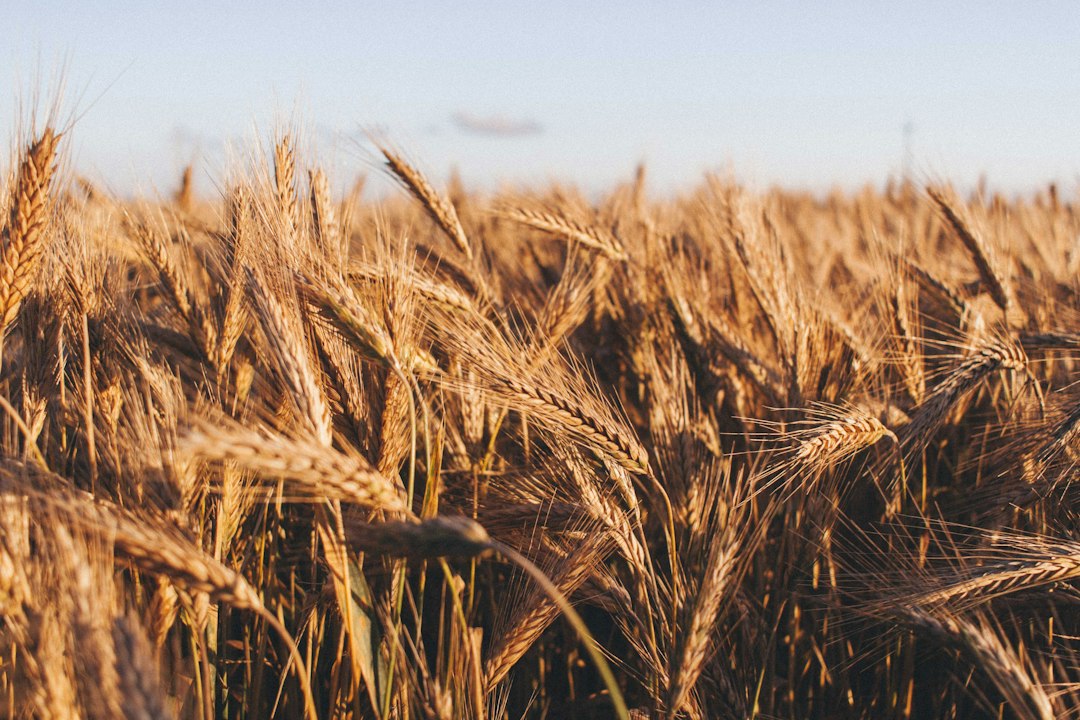
The Hittite civilization, flourishing in Anatolia from the 17th to the 12th centuries BCE, faced a persistent adversary: an environment characterized by unpredictable weather patterns, arid conditions, and fertile lands prone to erosion. At the heart of their sustenance and societal stability lay barley agriculture, a crop remarkably resilient yet inherently susceptible to the vagaries of nature. The Hittites, through a combination of empirical knowledge, adaptive practices, and perhaps even ritualistic appeals, developed a sophisticated system of barley cultivation that allowed them to not only survive but thrive for centuries amidst these ancient stress challenges. Understanding this agricultural prowess offers a unique window into the ingenuity and resilience of this remarkable Bronze Age empire.
The Arid Embrace: Anatolia’s Challenging Agricultural Canvas
Anatolia, the heartland of the Hittite Empire, presented a formidable agricultural landscape. While certain regions boasted alluvial plains and river valleys, a significant portion of the Hittite territory was characterized by semi-arid to arid conditions. Rainfall was often erratic, with prolonged droughts punctuated by intense, erosive downpours. This inherent variability posed a constant threat to crop yields, demanding a farming system that could withstand periods of scarcity and recover quickly. The Hittite farmers, therefore, did not cultivate in an environment of gentle bounty but rather in a landscape that required constant vigilance and adaptation.
The Central Anatolian Plateau: A Harsh but Crucial Breadbasket
The vast Central Anatolian Plateau, where the Hittite capital of Hattusa was located, was a particularly challenging region. Characterized by high altitudes, cold winters, and hot, dry summers, it offered a narrow window for successful crop growth. Rainfall here was limited, averaging less than 400 millimeters annually in many areas. This necessitated a reliance on drought-tolerant crops, and barley, with its superior resilience compared to wheat, became the staple grain. The Hittites understood that success in this region was not guaranteed and that a single failed harvest could have devastating consequences for the empire.
Seasonal Extremes: Drought and Deluge as Constant Companions
The Hittite agricultural calendar was dictated by the stark seasonality of Anatolian weather. Summer months were often bone-dry, demanding careful water management and sowing at the opportune moment. Conversely, spring and autumn could bring torrential rains, leading to flooding and soil erosion, washing away precious topsoil and damaging young seedlings. This duality of drought and deluge meant that Hittite farmers had to be masters of both conservation and drainage, employing techniques to retain moisture during dry spells and mitigate the impact of sudden inundation.
Soil Quality: A Fragile Foundation Requiring Constant Care
While some areas possessed fertile alluvial soils, many of the lands utilized by the Hittites were more marginal, prone to degradation and nutrient depletion. The intensive cultivation of barley, essential for feeding a growing population and an army, would have placed significant demands on the soil. Without modern fertilizers, the Hittites relied on a combination of natural processes and traditional farming methods to maintain soil health, recognizing that the long-term productivity of their land was paramount to their survival.
In examining the agricultural practices of the Hittites, particularly their cultivation of barley, it is essential to consider the environmental stresses that influenced their farming techniques. A related article that delves into the complexities of resource management in historical contexts can be found at Exploring the Final Frontier: Space Race vs. Space War. This piece provides insights into how civilizations adapt to challenges, drawing parallels to the Hittite strategies in barley agriculture amidst climatic and social pressures.
Barley: The Backbone of Hittite Subsistence and Society
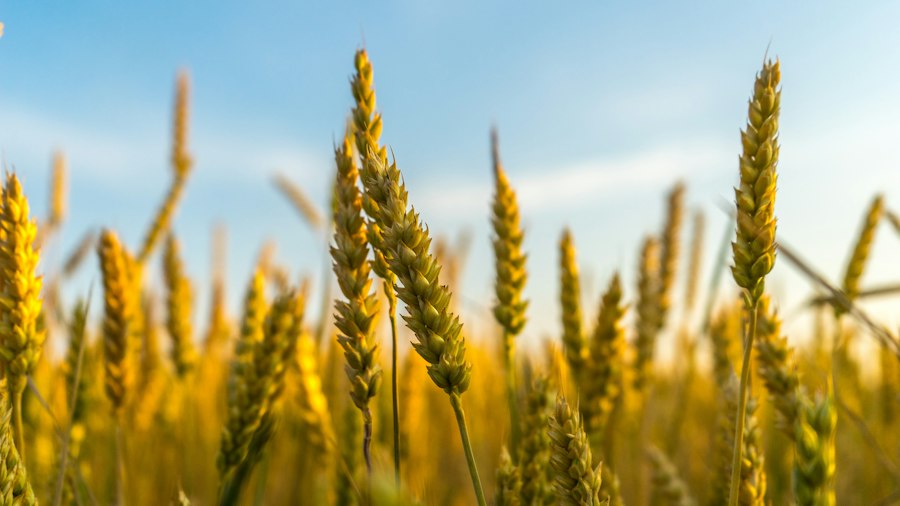
Barley (Hordeum vulgare) was more than just a crop for the Hittites; it was the very foundation of their agricultural economy and the bedrock of their society. Its inherent hardiness made it the most reliable grain for cultivation in Anatolia’s challenging climate. The widespread cultivation of barley influenced Hittite diet, economy, and even their religious practices, underscoring its central role in their civilization.
Adaptability and Resilience: Why Barley Prevailed
Compared to wheat, barley exhibits remarkable adaptability. It can tolerate a wider range of soil conditions, including less fertile and saline soils, and requires less water. Its shorter growing season also made it more suitable for the Anatolian climate, offering a greater chance of a successful harvest even with unpredictable rainfall. Furthermore, barley’s straw was a valuable byproduct, used for animal fodder, construction, and fuel, adding to its overall utility and importance.
Dietary Staple and Economic Engine
Barley formed the cornerstone of the Hittite diet. It was consumed in various forms, most commonly as unleavened bread or porridge. Beyond direct consumption, barley was a vital commodity for trade, taxation, and the provisioning of the Hittite army. Granaries, meticulously managed by the state, were filled with barley, serving as a crucial reserve against famine and a means of economic control. The surplus or deficit of barley directly impacted the empire’s wealth and stability.
Beyond Sustenance: Barley in Hittite Culture and Religion
The significance of barley extended beyond its practical uses. It was deeply woven into the fabric of Hittite culture and religious beliefs. Offerings of barley were made to deities to ensure good harvests and avert disaster. Certain festivals and rituals likely revolved around the agricultural cycle, with barley playing a prominent role in appeasing the gods and maintaining cosmic order. The very fertility of the land, represented by the bounty of barley, was seen as a divine blessing.
Hittite Agricultural Innovations and Adaptations
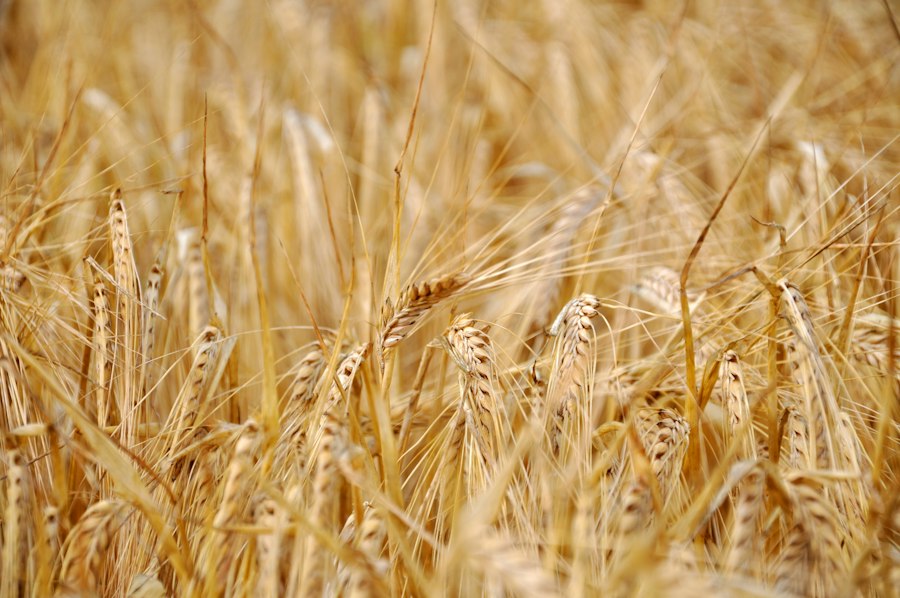
The Hittites were not simply passive recipients of their environment; they actively developed and implemented strategies to overcome its challenges. Archaeological evidence and deciphered cuneiform texts reveal a sophisticated understanding of agricultural principles and a repertoire of techniques designed to maximize barley yields and minimize risks. These innovations, though ancient, demonstrate a remarkable level of foresight and practical knowledge.
Water Management: Conserving Every Precious Drop
Water was the most critical resource for Hittite agriculture. The Hittites employed a range of water management techniques to capture, store, and distribute water effectively. This included the construction of small dams and reservoirs to collect rainwater and runoff, as well as irrigation channels to deliver water to fields. The careful planning and maintenance of these water systems were essential for ensuring crop survival during dry spells. Evidence suggests the use of cisterns for storing water and even rudimentary well systems.
Field Management and Soil Husbandry: Nurturing the Land
Beyond water, the Hittites recognized the importance of soil health. While direct evidence of elaborate fertilization techniques is limited, they likely practiced crop rotation and allowed fields to lie fallow to regenerate nutrients. The careful tilling of the soil, crucial for aeration and water penetration, was also a fundamental practice. They would have understood the concept of soil erosion and likely employed methods to mitigate its effects, such as terracing on sloped land or planting windbreaks.
Seed Selection and Varietal Choice: Choosing the Toughest
The Hittites were astute observers of nature. It is highly probable that they engaged in a form of seed selection, choosing the hardiest and most productive barley varieties that performed best in their specific microclimates. This empirical process of identifying and propagating resilient strains would have been crucial for long-term agricultural success. The vastness of the Hittite Empire likely meant exposure to diverse barley landraces, from which they could select the most advantageous ones.
Timing is Everything: The Agricultural Calendar’s Precision
The Hittite agricultural calendar was a finely tuned instrument, dictated by the seasons and the specific needs of barley cultivation. Sowing times were critical, ensuring that seeds germinated and established themselves before the harshest dry periods or the onset of winter. Harvesting would have been timed to coincide with the maturation of the crop, minimizing losses due to spoilage or pest infestation. This precise timing required deep knowledge of local weather patterns and plant phenology.
The Role of the State in Agricultural Stability
The Hittite state played a crucial, overarching role in ensuring the stability and productivity of barley agriculture. Through centralized control, resource allocation, and organizational efforts, the empire provided a framework that allowed for large-scale cultivation and the management of agricultural risks. This state intervention was not merely administrative but was deeply intertwined with the survival and prosperity of the Hittite realm.
Granaries and Reserves: Buffers Against Famine
The construction and maintenance of state-controlled granaries were central to Hittite agricultural policy. These vast stores of barley served as a critical buffer against crop failures and periods of famine. The ability to release grain from reserves during times of scarcity provided a vital safety net for the population and helped to maintain social order. These granaries were not simply passive storehouses but active instruments of economic and political control.
Labor Organization and Resource Allocation
The Hittite state organized and mobilized labor for large-scale agricultural projects, such as the construction and maintenance of irrigation systems and the cultivation of royal lands. This centralized control over labor and resources allowed for efficient use of manpower and materials, essential for maximizing agricultural output. The state likely dictated which lands were to be cultivated with barley and to what extent, ensuring that staple food production remained a priority.
Record Keeping and Administrative Oversight
The meticulous record-keeping practices of the Hittites, evidenced by thousands of cuneiform tablets, extended to agricultural matters. These administrative records likely included information on land ownership, crop yields, taxation, and grain distribution. This data provided the state with valuable insights into agricultural performance, allowing for informed decision-making and the identification of areas requiring intervention.
Legal Frameworks and Disputes Resolution
The Hittite legal system provided a framework for resolving disputes related to land use, water rights, and agricultural production. This legal certainty would have fostered a more stable environment for farming, encouraging investment and long-term planning. The state’s ability to enforce contracts and settle disagreements ensured that agricultural practices could proceed without undue disruption.
Hittite barley agriculture faced significant stress due to various environmental factors and changing climatic conditions. Understanding how ancient civilizations adapted their farming practices can provide valuable insights into modern agricultural challenges. For a fascinating exploration of how humans have historically managed to thrive in demanding environments, you can read more in this article about securing long-term human presence on the Moon, which highlights the importance of sustainable practices in extreme conditions. Check it out here.
Facing the Future: Lessons from Ancient Hittite Resilience
| Metric | Description | Value/Observation | Source/Notes |
|---|---|---|---|
| Average Yield | Barley yield per hectare under normal conditions | 800-1000 kg/ha | Estimated from archaeological seed remains |
| Yield Reduction under Stress | Decrease in barley yield due to drought or heat stress | 30-50% | Based on paleoclimate reconstructions and experimental analogs |
| Water Availability | Estimated annual precipitation during Hittite period | 300-500 mm/year | Derived from sediment and pollen analysis |
| Soil Salinity | Impact of soil salinity on barley growth | Moderate to high in some regions | Inferred from ancient irrigation practices and soil samples |
| Stress Adaptation Techniques | Methods used by Hittites to mitigate agricultural stress | Crop rotation, irrigation canals, drought-resistant barley varieties | Documented in cuneiform tablets and archaeological evidence |
| Barley Varieties | Types of barley cultivated | Two-row and six-row barley | Identified from seed morphology in archaeological sites |
| Temperature Stress | Effect of high temperatures during growing season | Reduced grain filling, up to 40% yield loss | Modeled from climate data and experimental studies |
The study of Hittite barley agriculture offers compelling insights into the enduring capacity of human societies to adapt and thrive in challenging environments. Their success was not a matter of chance but a testament to their empirical knowledge, innovative spirit, and effective organizational structures. The lessons learned from their ancient struggles and triumphs remain remarkably relevant today.
The Importance of Crop Diversity and Resilience
The Hittites’ reliance on barley highlights the critical role of selecting and cultivating drought-tolerant and resilient crop varieties. In an era of accelerating climate change and increasing weather volatility, this ancient strategy serves as a powerful reminder of the need to prioritize biodiversity and genetic diversity in our modern food systems. Diversifying our agricultural landscape with a range of adaptable crops is crucial for future food security.
Sustainable Water Management as a Paramount Concern
The Hittites’ sophisticated approach to water management underscores its enduring importance. As water scarcity becomes a growing global concern, their innovative techniques for conservation, storage, and efficient distribution offer valuable lessons. Investing in sustainable water infrastructure and implementing water-wise agricultural practices are essential for ensuring that agricultural production can keep pace with global demand.
The Interconnectedness of Agriculture and Societal Stability
The Hittite experience vividly illustrates the profound link between agricultural stability and the well-being of a society. When the land provides, societies flourish; when it falters, instability can follow. This enduring truth emphasizes the need for governments and communities to prioritize food security, invest in agricultural research and development, and support farmers in their efforts to produce food sustainably.
A Legacy of Ingenuity in the Face of Adversity
The Hittite farmers, through their hard work and ingenuity, transformed a challenging landscape into a source of sustenance and prosperity. Their story is a powerful testament to human adaptability and the enduring capacity to overcome environmental obstacles. By studying their achievements, we can gain a deeper appreciation for the resilience of ancient civilizations and draw inspiration for confronting the agricultural challenges of our own time. The legacy of Hittite barley agriculture is not merely a historical footnote but a living lesson in survival and enduring success.

Your 401(k) Withdrawal Can Make More of Your Social Security Taxable
FAQs
What is Hittite barley agriculture?
Hittite barley agriculture refers to the cultivation of barley by the Hittite civilization, an ancient Anatolian people who lived in what is now modern-day Turkey during the Bronze Age.
How did stress impact Hittite barley agriculture?
Stress, such as environmental factors like drought or pests, could have a significant impact on Hittite barley agriculture by affecting crop yields and overall food production.
What evidence suggests that Hittite barley agriculture faced stress?
Archaeological findings, such as crop remains and written records, indicate that the Hittite civilization experienced challenges related to barley agriculture, including periods of crop failure and food shortages.
How did the Hittites adapt to stress in barley agriculture?
The Hittites likely employed various agricultural techniques to adapt to stress, such as crop rotation, irrigation systems, and the use of drought-resistant barley varieties.
What can we learn from studying Hittite barley agriculture stress?
Studying the impact of stress on Hittite barley agriculture can provide insights into how ancient civilizations coped with environmental challenges and inform modern agricultural practices in the face of climate change and other stressors.