
The Colossal Pillars of Hattusa
The winds that sweep across the Anatolian plateau whisper tales of a forgotten civilization, a power that once dominated the ancient Near East. This was the Hittite Empire, a formidable force whose influence stretched from the Aegean Sea to Mesopotamia, and whose capital, Hattusa, stands today as a testament to their engineering prowess and strategic might. Nestled amidst rugged hills and dramatic gorges, Hattusa was not merely a city; it was a sprawling fortress, a political and religious heartland, and a living embodiment of Hittite ambition. Exploring its ruins is to step back in time, to walk the same paths trod by kings, priests, and warriors, and to unravel the mysteries of a civilization that dared to challenge the giants of its age.
The Hittites, who emerged as a significant power around the 17th century BCE, were a people of Indo-European origin who settled in Anatolia. Their rise was marked by military innovation, particularly their effective use of chariots, and a sophisticated understanding of diplomacy and administration. By the height of their empire, from roughly 1600 to 1178 BCE, they had established a complex network of vassal states and forged alliances and rivalries with other major powers, including Egypt and Assyria. Hattusa, strategically located in central Anatolia near the modern village of Boğazkale, served as the unshakeable epicenter of this vast dominion. Its formidable defenses, extensive administrative buildings, and sacred precincts speak volumes about the wealth, organization, and religious beliefs of its inhabitants.
The Hittite Empire, known for its significant influence in the ancient Near East, had its capital at Hattusa, a city that showcases remarkable architectural and cultural achievements. For those interested in exploring the geopolitical dynamics of ancient civilizations, a related article discusses contemporary geopolitical issues and their implications, which can provide a fascinating contrast to the historical context of the Hittite Empire. You can read more about it in this article: The Geopolitical Impact of Artemis Accords.
The Grandeur of the Citadel
The physical presence of Hattusa is overwhelming. The sheer scale of its fortifications, built and rebuilt over centuries, immediately conveys the city’s importance and the constant need for defense. The citadel, known as the Büyükkale (Great Fortress), is the most prominent feature, a massive, artificial mound strategically positioned to oversee the surrounding landscape and the city below. Its imposing walls, constructed from colossal stone blocks, were designed to withstand siege and to project an image of impregnable power. Within the citadel’s confines, remnants of royal palaces, administrative offices, and temple complexes have been unearthed, hinting at the complex life of the Hittite elite and the machinery of imperial governance.
The Unassailable Walls of Hattusa
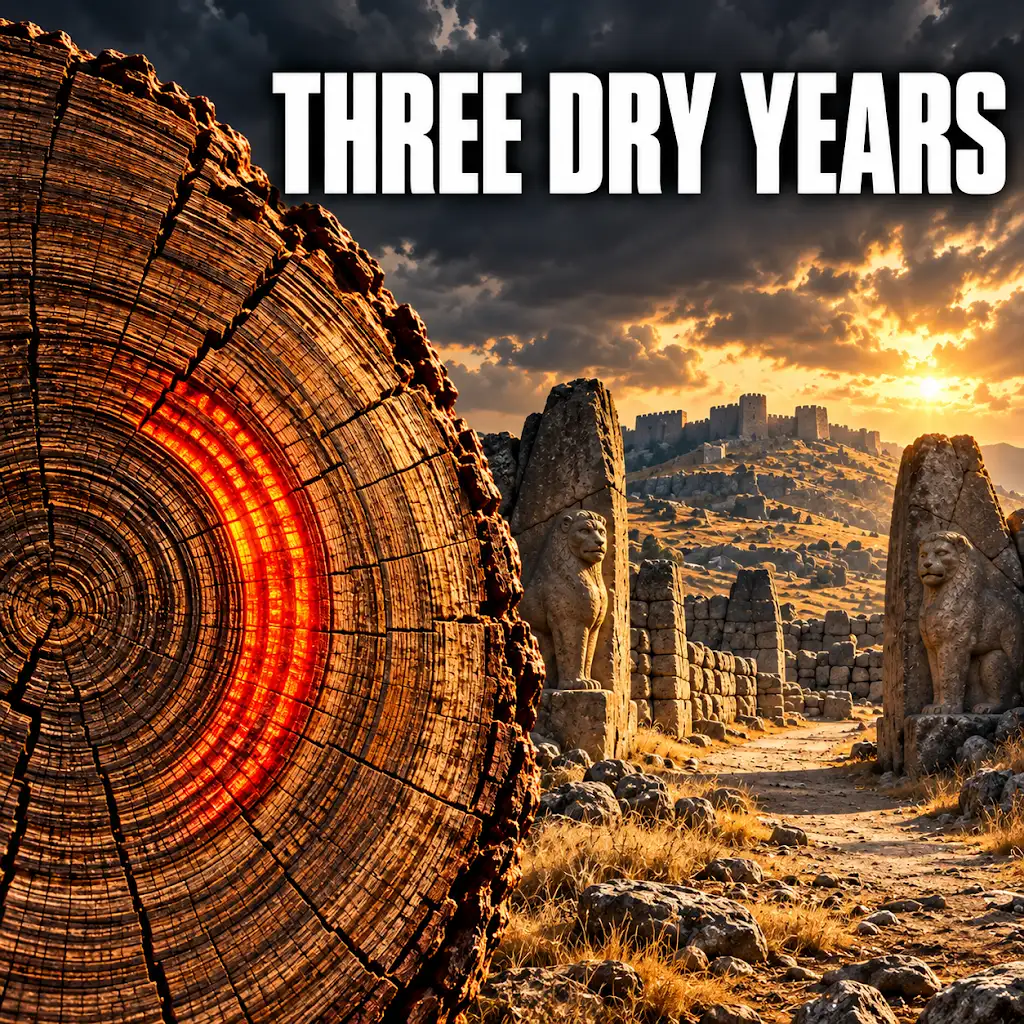
The Hittites were master builders, and their defensive architecture at Hattusa is a prime example of this skill. The city is encircled by a series of impressive walls, extending for miles and incorporating natural topographical features to enhance their effectiveness. These fortifications are not monolithic but rather a complex system of ramparts, ditches, and bastions, designed to channel attackers into kill zones and to provide defenders with advantageous positions. The Great Wall, in particular, is a marvel of ancient engineering, with its massive, finely cut stone blocks fitted together with remarkable precision, showcasing a level of craftsmanship that belies the perceived primitiveness of the era. The sheer effort involved in constructing such defenses underscores the Hittites’ understanding of the strategic importance of their capital and their unwavering commitment to its security. The numerous gates, often elaborate structures themselves, served not only as entry points but also as focal points for ceremonies and displays of imperial authority.
The Royal Precincts of Büyükkale
Dominating the skyline of Hattusa, Büyükkale was the administrative and residential heart of the Hittite Empire. This elevated plateau was meticulously planned and fortified, housing the palaces of the Hittite kings, the royal archives, and numerous administrative buildings. Excavations have revealed the foundations of sprawling complexes, with courtyards, storerooms, and chambers that once echoed with the pronouncements of royalty and the bustle of imperial bureaucracy. The sheer size of the royal complex suggests a well-developed hierarchical society, where the king and his immediate entourage wielded considerable power and lived in a manner befitting their status. The strategic advantage of Büyükkale, overlooking both the city and the surrounding countryside, ensured that the rulers were aware of any approaching threats and could effectively manage their vast territories from this secure vantage point.
The Sacred Heart of the Empire
Beyond its military and administrative functions, Hattusa was also a vibrant religious center. The Hittites possessed a complex pantheon of gods and goddesses, drawn from their own traditions and from the cultures they encountered. This religious devotion is deeply embedded in the fabric of Hattusa, with numerous temples and sacred sites dedicated to these deities. The exploration of these religious spaces offers a profound insight into the spiritual beliefs, rituals, and cosmology of the Hittite people, revealing a society deeply intertwined with the divine. The sacred landscape of Hattusa is as vital to understanding the empire as its formidable fortifications.
The Temples of the Gods
Hattusa was dotted with numerous temples, each dedicated to a specific deity or a pair of deities. The most significant of these are the Great Temple (Temple I) and Temple II, located in the lower city. Temple I, a large, rectangular structure, is believed to have been dedicated to the Storm God Teshub, the chief deity of the Hittite pantheon, and his consort Hepat. Its impressive scale and the numerous artifacts recovered from its ruins, including votive offerings and religious paraphernalia, attest to its importance as a major center of worship. Temple II, situated nearby, is thought to have been dedicated to the Sun Goddess of Arinna, another prominent figure in Hittite religion. The architectural features of these temples, including their imposing entrances and the layout of their interior spaces, were designed to facilitate communal worship and to honor the divine presence.
The Sacred Rock and the Festival of the Gods
A particularly intriguing aspect of Hattusa’s religious life is the presence of the “Sacred Rock” and its associated rituals. This natural rock formation, often incorporated into the city’s defensive ramparts, played a role in religious ceremonies. While the precise nature of these rituals remains somewhat speculative, it is believed that they were connected to fertility rites and the appeasement of the gods. Furthermore, evidence suggests that Hattusa was the site of major religious festivals, such as the “Festival of the Gods,” during which representatives from across the empire would gather to participate in elaborate ceremonies. These events were crucial for maintaining the unity of the empire and reinforcing the divine mandate of the Hittite kings. The intricate rituals performed within these sacred spaces reveal a deeply spiritual society, where the favor of the gods was sought for prosperity, victory, and the well-being of the empire.
The Daily Lives of the Hittite People
While the grand structures of Hattusa speak of power and divinity, understanding the Hittite Empire also requires delving into the everyday lives of its inhabitants. Archaeological evidence from the city provides glimpses into the social structures, economic activities, and cultural practices of ordinary Hittites. From the artisans who crafted intricate pottery and metalwork to the farmers who cultivated the surrounding lands, each played a role in sustaining the empire. The insights gleaned from residential areas and workshops paint a picture of a complex society, with its own unique customs and traditions.
Homes, Workshops, and Markets
Excavations in the lower city of Hattusa have revealed extensive residential quarters, offering a tangible connection to the lives of the people who lived and worked there. These areas feature the remains of houses, ranging from simple dwellings to more substantial structures, often built around courtyards. Evidence of workshops for various crafts, such as pottery making, metalworking, and textile production, indicates a thriving artisanal economy. The presence of numerous artifacts, including tools, domestic utensils, and decorative items, allows archaeologists to reconstruct aspects of daily life, from cooking and eating habits to leisure activities. The layout of these areas, with their proximity to each other and to potential market spaces, suggests a bustling urban environment where trade and social interaction were commonplace.
The Legacy of the Hittite Language
One of the most significant discoveries at Hattusa has been the vast collection of cuneiform tablets found in the royal archives. These tablets, written in various languages including Akkadian and the indigenous Hittite language, provide an unparalleled window into the administrative, legal, religious, and economic affairs of the empire. The decipherment of the Hittite language, an Indo-European tongue, was a monumental achievement that revolutionized our understanding of ancient linguistics and the history of the Hittite people. These texts reveal a sophisticated legal system, detailed diplomatic correspondence, and religious texts that shed light on their beliefs and practices. The scribes of Hattusa were the keepers of knowledge, and their diligent record-keeping has allowed us to reconstruct a remarkably detailed picture of this ancient civilization.
The Hittite Empire, known for its remarkable capital city of Hattusa, played a significant role in ancient history, showcasing advanced architecture and a complex society. For those interested in exploring how ancient civilizations can be affected by modern environmental changes, a related article discusses the implications of Antarctica’s melting ice caps and their potential impact on sea levels. You can read more about this pressing issue in the article linked here: Antarctica’s melting ice caps threatening sea level rise.
The Architects of Empire
| Metric | Details |
|---|---|
| Empire Name | Hittite Empire |
| Capital City | Hattusa |
| Location | Central Anatolia, modern-day Turkey |
| Period of Prominence | c. 1600 BCE – c. 1178 BCE |
| City Area | Approx. 4 square kilometers |
| Population Estimate | Up to 20,000 inhabitants |
| City Walls Length | Approx. 6 kilometers |
| Notable Features | Massive fortifications, royal palace, temples, archives with cuneiform tablets |
| Language Used | Hittite (Indo-European), Akkadian for diplomacy |
| Significance | Political and religious center of the Hittite Empire |
The Hittite Empire, with Hattusa at its core, was a testament to the organizational capabilities, military might, and diplomatic acumen of its people. Their ability to forge a powerful and enduring empire in a volatile region speaks volumes about their leadership and their societal structure. The archaeological remains of Hattusa offer concrete evidence of their achievements, from the colossal fortifications that defended their capital to the intricate administrative systems that governed their vast territories. The Hittites were not just conquerors; they were builders, administrators, and cultural innovators who left an indelible mark on the ancient world.
Military Might and Diplomatic Savvy
The Hittites were renowned for their military prowess, particularly their effective use of the chariot, a technological innovation that gave them a significant advantage in warfare. Their armies were well-disciplined and organized, capable of engaging in large-scale campaigns and defending their extensive territories. However, the Hittites were not solely reliant on military force. They also demonstrated remarkable diplomatic skill, forging alliances, negotiating treaties, and engaging in complex political maneuvering with other major powers of the Near East, most notably their famous peace treaty with Egypt after the Battle of Kadesh. This blend of military strength and diplomatic sophistication was crucial to the longevity and success of the Hittite Empire, allowing them to maintain a delicate balance of power in a region rife with conflict.
The Shadow of the Sea Peoples and the End of an Era
Despite its immense power and influence, the Hittite Empire ultimately succumbed to the pressures of the late Bronze Age collapse. Around the late 12th century BCE, the empire faced widespread destruction and disruption, often attributed to the enigmatic “Sea Peoples” and internal strife. Hattusa itself suffered significant damage, and the once-mighty empire fragmented into smaller Neo-Hittite states. While the centralized power of the empire waned, Hittite culture and influence persisted in these successor kingdoms for centuries. The abandonment and subsequent ruin of Hattusa mark the end of a glorious chapter in ancient history, but the stones of its fallen city continue to speak of its former glory, inviting us to explore the enduring legacy of this formidable Anatolian power. The exploration of Hattusa is an ongoing process, with new discoveries continually enriching our understanding of this fascinating civilization.
Your 401(k) Withdrawal Can Make More of Your Social Security Taxable
FAQs
What was the Hittite Empire?
The Hittite Empire was an ancient civilization that existed in Anatolia (modern-day Turkey) during the Bronze Age. It was a powerful empire that rivaled Egypt and Mesopotamia in its influence and military strength.
Where was the capital of the Hittite Empire located?
The capital of the Hittite Empire was Hattusa, located in present-day Boğazkale, Turkey. Hattusa was a strategically important city that served as the political and religious center of the empire.
What was the significance of Hattusa as the capital of the Hittite Empire?
Hattusa was not only the political and religious center of the Hittite Empire but also served as a major hub for trade and diplomacy. The city was heavily fortified and contained impressive temples, palaces, and administrative buildings.
How did the Hittite Empire come to an end?
The Hittite Empire faced various challenges, including invasions by the Sea Peoples, internal unrest, and conflicts with neighboring powers. These factors, combined with a series of natural disasters, contributed to the decline of the empire. Hattusa was eventually sacked and abandoned around 1200 BCE.
What is the legacy of the Hittite Empire and Hattusa?
The Hittite Empire left a lasting impact on the ancient Near East through its military achievements, diplomatic relations, and cultural exchanges. The ruins of Hattusa provide valuable insights into Hittite architecture, art, and religious practices, contributing to our understanding of this ancient civilization.