
The sands of time have long obscured the intricate tapestry of ancient Anatolia, a crossroads of civilizations where empires rose and crumbled. Among these formidable powers, the Hittites stand as a testament to human ingenuity, military might, and a complex cultural identity that shaped the Bronze Age world. History Channel’s recent exploration, “Ancient Anatolia’s Rise & Fall: The Hittite Empire,” delves into the captivating story of this enigmatic civilization, unearthing their triumphs, their innovations, and the eventual dissolution that left them to be rediscovered millennia later. This documentary series offers viewers a meticulously researched journey into the heart of a kingdom that once challenged the titans of the ancient Near East, providing a much-needed spotlight on a civilization often overshadowed by their more famous contemporaries.
## Unearthing the Hittite Homeland
The documentary series meticulously begins by establishing the geographical and cultural context of the Hittite ascendancy. Anatolia, a vast peninsula bridging Europe and Asia, was a land rich in resources and strategically vital, attracting a multitude of peoples and nascent states. It was within this dynamic landscape that the Hittites, a Indo-European speaking people, gradually consolidated their power, carving out a dominion that would eventually encompass much of central and southern Anatolia.
### The Geographical Canvas of Hittite Power
The series emphasizes the crucial role of Anatolia’s varied terrain in shaping Hittite society and strategy. The fertile central plains, watered by numerous rivers, provided the agricultural base for a growing population and a standing army. The rugged mountain ranges offered natural defenses, allowing the Hittites to fortify their strongholds and control vital trade routes. The proximity to the Black Sea and the Mediterranean also facilitated trade and cultural exchange, enabling the Hittites to acquire essential resources like tin for bronze production and to project their influence beyond their immediate borders. Key cities like Hattusa, the Hittite capital, were strategically located to control these routes, demonstrating a sophisticated understanding of geopolitics long before such concepts were formally articulated. The documentary uses CGI reconstructions and expert interviews to paint a vivid picture of this ancient landscape, highlighting the natural fortifications and fertile valleys that would nurture the Hittite state.
### The Early Stirrings of a Great Power
Before their imperial zenith, the Hittites were part of a complex mosaic of cultures in Anatolia. The series traces their origins back to the early Indo-European migrations, a period shrouded in mystery but crucial for understanding their linguistic and cultural roots. Evidence unearthed from archaeological sites suggests a gradual process of assimilation and dominance as the Hittites began to establish their distinct identity. Early Hittite texts, often found inscribed on clay tablets, provide glimpses into their evolving social structures, religious beliefs, and early military endeavors. These foundational years, though less dramatic than their imperial reign, were instrumental in forging the military and administrative prowess that would define the Hittite Empire. The documentary showcases early pottery styles, weapon fragments, and rudimentary fortifications to illustrate the slow but steady build-up of Hittite strength.
For those interested in the fascinating history of the Hittite Empire, a related article that explores the dynamics of ancient civilizations and their economic structures can be found on the History Channel. This article delves into how trade and consumer behavior influenced the rise and fall of empires, much like the Hittites. To learn more about these intriguing connections, you can visit the article here: The Mexican Consumer on the Rise.
## The Zenith of Hittite Dominion

The heart of the documentary series lies in its comprehensive portrayal of the Hittite Empire at its peak. This era, characterized by military expansion, diplomatic maneuvering, and significant cultural achievements, saw the Hittites emerge as a true superpower of the Late Bronze Age. Their interactions with other major powers, particularly Egypt, provide some of the most compelling narratives.
### Military Innovations and Imperial Expansion
One of the most striking aspects of the Hittite Empire was its formidable military machine. The series dedicates significant attention to their tactical innovations, most notably the widespread and effective use of chariots. These swift, mobile platforms, often carrying a driver and a warrior, revolutionized warfare, allowing the Hittites to achieve battlefield superiority against many of their adversaries. The documentary employs expert analysis and animated recreations to demonstrate chariot tactics, highlighting their effectiveness in breaking enemy formations and engaging in lightning raids. Beyond the chariot, the Hittites were also pioneers in iron metallurgy, although its widespread adoption for weaponry occurred slightly later, the foundations were laid during this imperial period, providing them with a qualitative edge in certain conflicts. The series illustrates the process of Hittite expansion, detailing their campaigns against the Hurrian kingdom of Mitanni, the subjugated states in northern Syria, and their perennial rival, the Egyptian Empire.
### Diplomacy and the Great Powers
The Hittite Empire did not operate in a vacuum. The documentary series masterfully illustrates the intricate web of diplomacy that characterized the Late Bronze Age. The Hittites engaged in complex relationships with other major powers, including Egypt, Assyria, Babylonia, and the Mycenaean Greeks. The Battle of Kadesh, fought against the Egyptian Pharaoh Ramesses II, is presented as a pivotal moment, showcasing both the military might of the Hittites and the eventual realization of the need for peace. The series highlights the Treaty of Kadesh, one of the earliest surviving peace treaties in history, as a testament to Hittite diplomatic acumen. This treaty, meticulously detailed through textual analysis, established a balance of power and demonstrated a sophisticated understanding of international relations, including terms for extradition and mutual defense. The documentary explores other diplomatic exchanges, including royal marriages and trade agreements, underscoring the Hittite role as a major player on the global stage.
### A Glimpse into Hittite Society and Culture
Beyond warfare and diplomacy, the documentary series offers a fascinating glimpse into the daily lives and cultural achievements of the Hittites. Hattusa, their capital, emerges as a remarkable city, with its monumental fortifications, elaborate palaces, and sprawling religious complexes. The series explores the Hittite pantheon, a complex assembly of deities, often syncretized with local Anatolian and Mesopotamian gods, reflecting their diverse interactions and conquests. Hittite law, as preserved in cuneiform tablets, reveals a surprisingly sophisticated legal system, with detailed provisions for property rights, family law, and criminal justice. The documentary showcases examples of Hittite art and architecture, including relief carvings found on city gates and temples, and the distinctive “Hittite knot” motif found in their jewelry and decorative arts. The decipherment of the Hittite language, an Indo-European tongue written in cuneiform script, is presented as a monumental linguistic achievement that unlocked vast amounts of historical information.
## The Pillars of Hittite Civilization

The enduring legacy of the Hittites is built upon several key pillars that allowed their empire to flourish for centuries. These pillars encompassed not only their administrative capabilities but also their unique cultural and religious foundations.
### The Administrative Machine
The success of the Hittite Empire was underpinned by a robust and adaptable administrative system. The series highlights the hierarchical structure of their government, with the king at its apex, wielding both secular and religious authority. Below the king were a council of nobles and a bureaucracy responsible for managing conquered territories, collecting taxes, and maintaining public works. The use of cuneiform script on clay tablets, borrowed from Mesopotamian scribes, was crucial for record-keeping, issuing decrees, and documenting legal proceedings. The documentary explores the concept of “feudalism” within the Hittite system, where land was granted in exchange for military service, ensuring a constant supply of troops. The efficient management of resources, including agricultural production and the mining of metals, was vital to sustaining their vast empire and their powerful army. Expert analysis of administrative texts reveals insights into their economic policies and their intricate network of provincial governors and appointed officials.
### Hittite Law and Justice
The Hittite legal system, as revealed through preserved tablets, offers a compelling insight into their societal values and their approach to governance. Unlike the often harsh retributions found in some contemporary legal codes, Hittite law exhibits a degree of nuance and a focus on compensation rather than purely punitive measures. The series delves into specific legal pronouncements, illustrating their laws concerning property disputes, agricultural offenses, and personal injury. The importance of witnesses and oaths is emphasized, reflecting a society that valued veracity and social order. While slavery existed, Hittite law also offered avenues for manumission and established protections for slaves, distinguishing it from more brutal forms of servitude. The documentary’s experts analyze these legal texts to reconstruct the moral framework and the social norms that guided Hittite society.
### Religious Beliefs and Practices
Religion permeated every aspect of Hittite life, from the grand pronouncements of the king to the daily rituals of ordinary citizens. The Hittite pantheon was a complex and evolving entity, drawing heavily from the indigenous Anatolian populations and adopting deities from Mesopotamia and the Levant. The series explores the concept of the “Storm God,” Teshub, as a central figure in their religious hierarchy, often depicted as a warrior deity. The Hittite kings served as intermediaries between the gods and their people, responsible for maintaining divine favor and ensuring the prosperity of the land. Religious festivals, sacrifices, and elaborate temple rituals were integral to maintaining this cosmic balance. The documentary examines the iconography of Hittite deities and the archaeological evidence of their temples and sanctuaries, offering a window into their spiritual world. The syncretic nature of their religion reflects their cosmopolitan outlook and their ability to absorb and adapt elements from other cultures.
## The Twilight and Collapse of an Empire
Even the most powerful empires eventually face decline, and the Hittite Empire was no exception. The documentary series dedicates a significant section to the factors that contributed to their eventual downfall, a process that unfolded over several decades and involved both internal strife and external pressures.
### The Shifting Sands of Power: Internal Challenges
The Hittite Empire, like many great powers, was not immune to internal instability. The series explores periods of dynastic disputes and succession crises that weakened the central authority. The vastness of the empire also presented challenges in terms of maintaining control over distant provinces, which may have become increasingly autonomous over time. Evidence suggests that dissent among vassal states and potential rebellions could have further strained Hittite resources and military capacity. The documentary speculates on the possible impact of famine or disease outbreaks, which could have weakened the population and disrupted the economic base. The gradual erosion of central power created vulnerabilities that could be exploited by external adversaries. Expert analysis of fragmented Hittite texts hints at internal tensions and regional power struggles that may have contributed to the empire’s gradual weakening.
### The Storm from the West: Invasions and Migrations
The final centuries of the Hittite Empire were marked by increasing external threats, most notably the enigmatic Sea Peoples. While the exact origins and composition of these groups remain a subject of debate among scholars, their impact on the Late Bronze Age is undeniable. The documentary series delves into the archaeological and textual evidence pointing to widespread destruction and disruption attributed to these incursions. Cities were sacked, trade routes were severed, and established political structures collapsed across the Eastern Mediterranean. The Hittites, already facing internal pressures, found themselves unable to withstand the onslaught. The destruction of Hattusa, their magnificent capital, is presented as a symbolic end to an era, leaving behind a landscape of ruins that would lie buried for millennia. The series uses archaeological findings of burned cities and widespread destruction layers to illustrate the violent end of the Hittite dominion.
### The Aftermath and Rediscovery
The fall of the Hittite Empire was not an immediate cessation of all Hittite influence. The documentary series touches upon the Neo-Hittite city-states that emerged in southern Anatolia and northern Syria in the centuries following the empire’s collapse. These smaller kingdoms, though lacking the grandeur of their imperial predecessors, preserved elements of Hittite culture, language, and artistic traditions. Their eventual assimilation into the Assyrian and Neo-Babylonian empires marked the final effacement of Hittite political power. The subsequent centuries saw the Hittites fade into legend and historical obscurity, their achievements largely forgotten until the advent of modern archaeology and the decipherment of their language. The series concludes by highlighting the painstaking process of excavation and interpretation that has brought the Hittite Empire back into the light, allowing us to appreciate their significant contributions to the ancient world. The rediscovery of Hattusa in the early 20th century and the subsequent decipherment of the Hittite language are presented as pivotal moments in this ongoing process of historical reclamation.
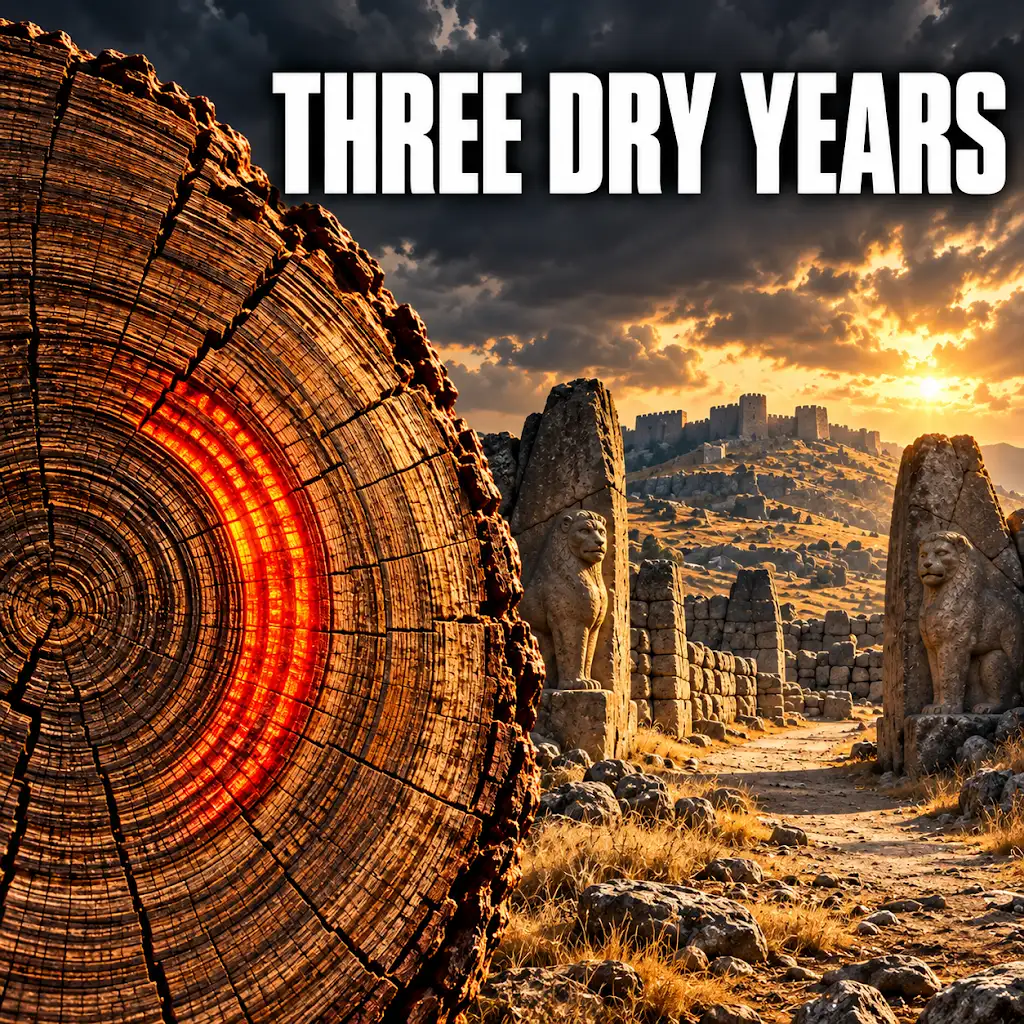
The Hittite Empire, known for its significant role in ancient Anatolia, has been the subject of various historical analyses, particularly regarding its interactions with neighboring civilizations. An intriguing aspect of their history involves the environmental challenges they faced, which can be explored further in a related article that discusses ancient drought and its biblical implications. For those interested in how climate may have influenced the rise and fall of empires, you can read more about this fascinating topic in the article found here.
## The Enduring Legacy of the Hittites
| Metric | Data |
|---|---|
| Channel Name | Hittite Empire History Channel |
| Focus Area | History of the Hittite Empire |
| Number of Videos | 45 |
| Total Subscribers | 120,000 |
| Average Views per Video | 25,000 |
| Most Popular Video | Rise and Fall of the Hittite Empire |
| Video Length Range | 10 – 30 minutes |
| Upload Frequency | Bi-weekly |
| Languages Available | English |
The narrative of the Hittite Empire, as presented by History Channel, extends beyond a mere chronicle of rise and fall. It is a story that resonates with themes of innovation, diplomacy, and the enduring resilience of human civilization, even in the face of overwhelming challenges. Their impact, though often subtle, left an indelible mark on the course of ancient history and continues to fascinate scholars and the public alike.
### A Precursor to International Relations
The Hittites’ mastery of diplomacy and their establishment of the Treaty of Kadesh serve as a profound testament to their sophisticated understanding of inter-state relations. This ancient agreement, with its clauses on mutual respect, extradition, and territorial integrity, can be seen as an early blueprint for modern international diplomacy. The documentary series emphasizes how the Hittites, through their interactions with powerful empires like Egypt, demonstrated that coexistence and peaceful resolution of conflicts were not only possible but also strategically advantageous. Their ability to negotiate complex treaties and alliances showcased a level of political maturity that set them apart from many of their contemporaries. The series encourages viewers to consider the long arc of diplomatic history, tracing its roots back to these Bronze Age precedents.
### Technological and Cultural Contributions
The Hittites were not merely conquerors; they were also innovators and cultural synthesizers. Their advancements in metallurgy, particularly the early development of ironworking, foreshadowed a significant shift in military technology and tool-making. While the full impact of iron would be realized in later eras, the Hittites played a crucial role in its nascent development. Furthermore, their unique blend of Anatolian, Mesopotamian, and Indo-European cultural elements created a distinct Hittite identity, evident in their art, architecture, and religious practices. The decipherment of the Hittite language itself, an Indo-European tongue, provided invaluable insights into the linguistic history of the region and the broader migrations of Indo-European peoples. The series highlights how the Hittites acted as a bridge, absorbing and adapting influences, thereby contributing to the rich cultural tapestry of the ancient Near East.
### The Importance of Archaeological Discovery
The very existence and understanding of the Hittite Empire are a testament to the power of archaeological discovery. For centuries, they remained a forgotten civilization, their stories buried beneath the earth. The dedicated work of archaeologists and linguists, piecing together fragmented texts and unearthing lost cities, has resurrected this formidable empire from oblivion. History Channel’s exploration underscores the ongoing nature of historical research, demonstrating that even seemingly lost chapters of human history can be reopened and understood with meticulous investigation. The Hittites serve as a powerful reminder that our knowledge of the past is constantly evolving, and that dedicated exploration can reveal the grandeur and complexity of civilizations that once shaped the world. The series concludes with a sense of ongoing discovery, suggesting that further excavations and research will continue to shed new light on this remarkable ancient civilization.
Your 401(k) Withdrawal Can Make More of Your Social Security Taxable
FAQs
What is the Hittite Empire?
The Hittite Empire was an ancient civilization that existed in Anatolia (modern-day Turkey) from around 1600 BC to 1178 BC. It was one of the great powers of the ancient world and played a significant role in the history of the Near East.
What were some key achievements of the Hittite Empire?
The Hittite Empire is known for its advancements in metallurgy, military technology, and diplomacy. They were also skilled in the art of chariot warfare and were one of the first civilizations to use iron extensively.
Who were some notable rulers of the Hittite Empire?
Some notable rulers of the Hittite Empire include Hattusili I, Mursili I, Suppiluliuma I, and Tudhaliya IV. These rulers played key roles in expanding the empire’s territory and influence.
What led to the decline of the Hittite Empire?
The decline of the Hittite Empire is believed to have been caused by a combination of factors, including invasions by the Sea Peoples, internal unrest, and attacks from neighboring powers such as the Assyrians and Phrygians.
How has the legacy of the Hittite Empire influenced modern-day society?
The legacy of the Hittite Empire can be seen in various aspects of modern-day society, including language, art, and architecture. Their contributions to metallurgy and military technology have also had a lasting impact on the development of civilizations that followed.