
Unearthing the Scars of Thirst: Hittite Tablets and the Echoes of Drought
For millennia, the vast Anatolian plateau, a cradle of ancient civilizations, has silently guarded its secrets. Among the most profound are the cuneiform tablets unearthed from the ruins of Hattusa, the once-mighty capital of the Hittite Empire. These clay documents, etched with the wedge-shaped script of Mesopotamia, offer an unparalleled window into a world long past, revealing not only the political machinations and religious beliefs of the Hittites but also the profound impact of environmental forces on their society. In recent decades, scholarly analysis of these intricate records has illuminated a recurring and devastating enemy that stalked the Hittite civilization: drought. The written word, preserved in baked clay, now speaks to us across the ages, detailing the societal strains, economic disruptions, and even the existential crises brought about by prolonged periods of water scarcity.
The study of Hittite written records reveals significant insights into the impact of drought on ancient civilizations. For a deeper understanding of how paleoclimate data can illuminate the environmental challenges faced by the Hittites and other ancient societies, you can explore the article titled “Uncovering Ancient Civilizations Through Paleoclimate Data” available at this link. This resource provides valuable context on how climate fluctuations influenced societal developments and responses in the ancient world.
The Hittite Domain: A Land of Shifting Fortunes
The Hittite Empire, flourishing from the 17th to the 12th centuries BCE, controlled a vast swathe of Anatolia, a region characterized by its diverse topography and, crucially, its reliance on rainfall for agriculture. From their imposing citadel at Hattusa, perched strategically on a rocky outcrop, the Hittite kings governed a complex realm that stretched across much of modern-day Turkey and into Syria. This dominion encompassed fertile river valleys and vast, semi-arid plains, where the success of their economy and the stability of their society were inextricably linked to the predictable rhythms of the seasons and the availability of water.
Anatolia’s Hydrological Tapestry
Anatolia’s geography is a study in contrasts. While major river systems like the Halys (modern Kızılırmak) provided vital arteries of water, much of the agricultural land depended on seasonal rainfall. The vast interior plateaus, while offering fertile soil, were particularly susceptible to fluctuations in precipitation. This delicate hydrological balance meant that the Hittite people, like many ancient societies, were acutely vulnerable to climatic shifts. Their ability to thrive was a direct function of the sky’s generosity, a dependency that the Hittite written records starkly illustrate.
The Foundations of Hittite Society: Agriculture and Water
The Hittite economy was overwhelmingly agrarian. The cultivation of grains such as wheat and barley formed the bedrock of their sustenance and the basis of their trade. Livestock raising was also a significant component, requiring ample pastureland that, in turn, depended on consistent rainfall or access to water sources. Therefore, any disruption to the water supply had immediate and cascading effects, impacting food production, peasant livelihoods, and the surplus necessary for supporting the royal court, the military, and the vast administrative apparatus of the empire. The Hittite worldview, as reflected in their texts, often imbued natural phenomena with divine significance, and the control and appeasement of weather gods were central to their religious practices, underscoring the vital role water played in their lives.
Whispers from the Past: Hittite Records as Climate Archives
The Hittite cuneiform tablets, numbering in the tens of thousands, have provided archaeologists and historians with an invaluable, albeit fragmented, archive of the past. While not explicitly written as climatological reports, these administrative, legal, religious, and diplomatic documents contain myriad references that, when pieced together, paint a compelling picture of the Hittites’ struggle with drought. The painstaking process of deciphering these ancient texts has unlocked a wealth of information, revealing the daily realities and long-term consequences of water scarcity.
Administrative Records: The Pulse of the Empire
Among the most revealing are the administrative and economic tablets. These documents detail grain inventories, livestock counts, tax assessments, and labor allocations. During periods of drought, these records often show a drastic decline in agricultural yields, leading to shortages of essential foodstuffs. Royal pronouncements might decree the redistribution of grain reserves or call for increased tribute from more fortunate regions. Decreased agricultural output also directly impacted tax revenues, weakening the state’s financial capacity to respond to crises or maintain its military strength. The meticulous bookkeeping of the Hittite scribes, unintentionally, has become a chronicle of ecological stress.
Legal and Judicial Texts: The Social Fabric Under Strain
Legal and judicial texts offer insights into how drought impacted social structures and human behavior. Records might document disputes over dwindling water resources, the sale of land or even individuals into servitude due to crop failure, or the implementation of emergency measures to prevent social unrest. The desperation born of thirst could fray the social fabric, leading to increased crime or internal migration as people sought more hospitable lands. The Hittite legal system, designed to maintain order, would have been stretched to its limits during prolonged environmental hardship.
Religious and Ritualistic Texts: Appeasing the Heavens
The religious texts are particularly poignant, revealing a deep-seated belief that the gods controlled the weather. During times of drought, Hittite kings would commission elaborate rituals and prayers aimed at appeasing the divine powers and coaxing them to release the life-giving rains. Incantations, processions, and sacrifices were undertaken in the hope of averting divine displeasure and restoring natural balance. The frequency and intensity of these drought-related rituals, as documented in the texts, serve as a powerful indicator of the severity and persistence of the water crises they faced.
The Tangible Traces of Thirst: Evidence of Drought’s Impact
The textual evidence is buttressed by findings from archaeological and paleoclimatological research, which corroborate the historical accounts of drought. By examining geological strata, tree rings, and other natural archives, scientists can reconstruct past climatic conditions, providing an independent verification of the environmental challenges faced by the Hittites. This multidisciplinary approach offers a more complete understanding of the epochal struggles that shaped this ancient civilization.
Paleoclimatological Reconstructions: The Earth’s Own Records
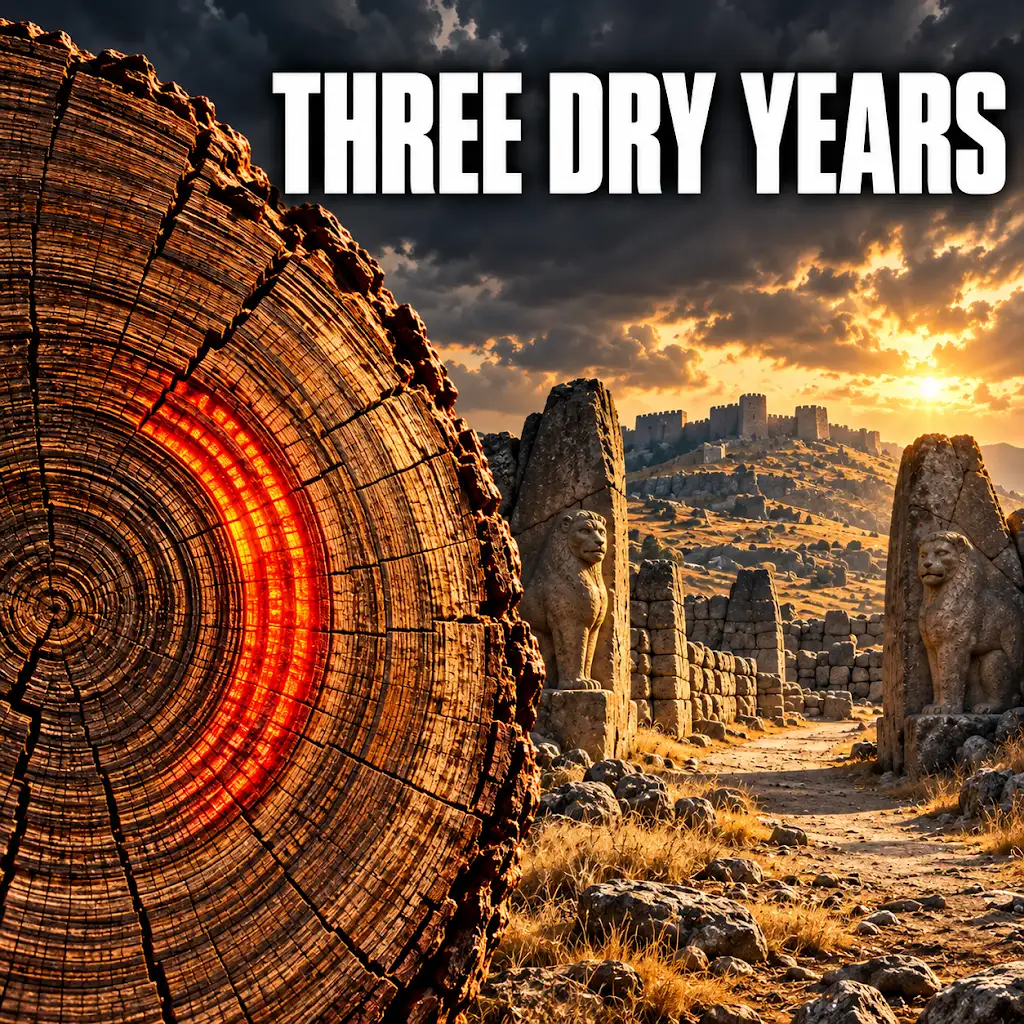
Modern scientific techniques have provided compelling evidence of arid periods coinciding with Hittite rule. Studies of lake sediments, speleothems (cave formations), and pollen analysis from Anatolia have revealed distinct periods of reduced rainfall and increased aridity. These paleoclimatic records offer a long-term perspective, demonstrating that the Hittites were not merely experiencing a localized bad spell but were likely contending with regional or even broader climatic shifts that intensified the challenges of water management. These scientific findings provide a crucial backdrop against which to interpret the Hittite records.
Archaeological Manifestations: Cities and Settlements Under Stress
Archaeological investigations at Hittite sites offer tangible evidence of the impact of environmental stress. Evidence of reduced agricultural activity, changes in settlement patterns, and even abandoned or fortified settlements can point to periods of hardship. For instance, the discovery of wells that were dug deeper during certain periods or the analysis of ancient soils might reveal changes in land use or the intensification of irrigation efforts, all indicative of a struggle to cope with water scarcity. The very landscape, scarred by the efforts of a people battling the elements, tells a story alongside the inscribed clay.
The Human Cost: Famine and Migration
While direct archaeological evidence of widespread famine is often difficult to find, the textual records strongly imply its occurrence. References to food shortages, the desperate measures taken by the populace, and the potential for social upheaval all point to the grim reality of hunger. Furthermore, the possibility of internal migration, with people abandoning their parched lands in search of more fertile or water-rich areas, is a logical consequence of prolonged drought, and such movements, while not always explicitly documented, would have undoubtedly reshaped the demographic landscape of the Hittite realm.
Recent studies have shed light on the impact of drought on ancient civilizations, particularly through the lens of Hittite written records. These records provide valuable insights into how the Hittites managed their resources during periods of aridity, revealing their agricultural practices and societal responses to environmental stress. For a deeper understanding of how ancient maps and documents can inform us about historical climates, you can explore this fascinating article on uncovering the source documents of the Piri Reis map. This connection highlights the importance of interdisciplinary research in reconstructing the past and understanding the challenges faced by ancient peoples.
Coping with the Crisis: Hittite Strategies and Their Limitations
| Metric | Data/Value | Source/Notes |
|---|---|---|
| Period of Hittite Drought | c. 1200 BCE | Derived from Hittite cuneiform tablets and climate proxies |
| Duration of Drought | Approximately 10-15 years | Estimated from repeated references in Hittite records |
| Impact on Agriculture | Severe crop failures reported | Hittite administrative texts mention grain shortages |
| Recorded Famine Incidents | Multiple documented famines | Letters and petitions to the king requesting aid |
| Geographical Extent | Central Anatolia and surrounding Hittite territories | Based on locations mentioned in drought-related texts |
| Correlation with Collapse | Contributed to Late Bronze Age collapse | Scholarly consensus linking drought to societal stress |
Faced with the relentless threat of drought, the Hittites developed various strategies to mitigate its effects and ensure the survival of their civilization. These ranged from sophisticated water management techniques to adjustments in agricultural practices and the reliance on imperial authority to distribute resources. However, the ultimate effectiveness of these measures was often constrained by the scale and duration of the climatic challenges.
Water Management and Infrastructure Projects
The Hittites were not passive victims of their environment. They invested in and maintained sophisticated water management systems. Evidence suggests the construction and upkeep of reservoirs, cisterns, and irrigation channels. Royal decrees sometimes mention the repair or expansion of these facilities, indicating a conscious effort to harness and conserve water resources. These projects, while impressive for their time, may have been insufficient to counter the effects of prolonged and severe droughts that pushed beyond the capacity of their infrastructure.
Agricultural Adaptations and Crop Diversity
The Hittites likely experimented with agricultural adaptations. This could have included shifting to more drought-resistant crops, altering planting and harvesting cycles, or developing techniques to conserve soil moisture. While the specific details of these adaptations are not always clearly articulated in the surviving texts, the resilience of their agrarian system over centuries suggests a degree of adaptive capacity. However, even the most resilient crops and techniques can falter under extreme and sustained climatic duress.
The Role of Imperial Authority and Resource Distribution
The Hittite Empire, with its centralized administration, played a crucial role in managing resources during times of crisis. Royal granaries were likely used to store surplus grain, which could then be distributed to affected populations during periods of famine or crop failure. Royal pronouncements ordering the allocation of food or the suspension of certain taxes during hardship periods highlight the state’s attempt to alleviate suffering and maintain social order. Nevertheless, the capacity of the empire to effectively respond to widespread and prolonged droughts would have been significantly challenged, and such interventions might have been insufficient to prevent widespread hardship.
Recent studies have shed light on the impact of drought on ancient civilizations, particularly through the examination of Hittite written records. These records provide valuable insights into how the Hittites managed their resources during periods of scarcity, reflecting their adaptability and resilience. For a deeper understanding of how geographical factors influence political dynamics, you can explore this related article on political geography. This connection underscores the importance of environmental conditions in shaping historical narratives and societal structures.
The Long Shadow of Drought: Lessons for Today
The Hittite experience, illuminated by their written records, offers a timeless cautionary tale. It underscores the profound interconnectedness of human civilization and its environment, a relationship that remains as critical today as it was in the Bronze Age. The ancient echoes of their struggles with drought resonate with contemporary concerns about climate change and water security.
The Precedent of Environmental Vulnerability
The Hittites serve as a stark reminder that even powerful ancient empires were not immune to the forces of nature. Their decline, while attributed to a complex interplay of factors including invasions and internal strife, was undoubtedly exacerbated by the recurring environmental stresses they faced. This historical precedent highlights the inherent vulnerability of societies reliant on stable climatic conditions and the potential for environmental degradation to contribute to societal collapse.
Modern Parallels and the Imperative of Preparedness
In the 21st century, as climate change intensifies and water scarcity becomes an increasingly pressing global issue, the Hittite experience provides a valuable historical context. The challenges they faced – food shortages, social unrest, the strain on governance – are remarkably similar to those anticipated and experienced in many parts of the world today. The Hittite records urge a proactive approach, emphasizing the importance of sustainable water management, agricultural resilience, and robust disaster preparedness in the face of a changing climate.
Preserving Knowledge for a Sustainable Future
The legacy of the Hittites, preserved in their clay archives, is not merely an academic curiosity; it is a vital repository of human experience that can inform our present and future. By studying their triumphs and their failures in confronting environmental challenges, we gain a deeper understanding of our own vulnerabilities and the critical need to develop more resilient and sustainable ways of living in harmony with our planet. The lessons unearthed from the dust of Hattusa continue to speak, offering wisdom for a world grappling with the profound and enduring impacts of thirst.
Your 401(k) Withdrawal Can Make More of Your Social Security Taxable
FAQs
What are Hittite written records?
Hittite written records are ancient documents written in the Hittite language, which was spoken by the Hittite people in Anatolia (modern-day Turkey) during the Bronze Age.
How do Hittite written records provide insights into ancient history?
Hittite written records provide valuable information about the political, social, and religious aspects of the Hittite civilization, as well as their interactions with other ancient civilizations such as Egypt and Mesopotamia.
What is the significance of the Hittite written records drought?
The Hittite written records drought refers to a period in history where there is a lack of new Hittite written records, making it challenging for historians and archaeologists to study and understand this ancient civilization during that specific time frame.
How do historians and archaeologists cope with the Hittite written records drought?
Historians and archaeologists rely on existing Hittite written records, as well as archaeological findings, inscriptions, and artifacts from the Hittite civilization to piece together a comprehensive understanding of the culture and history during the period affected by the drought.
What are some theories about the causes of the Hittite written records drought?
Some theories suggest that the Hittite written records drought may have been caused by political instability, natural disasters, invasions, or other significant events that disrupted the production and preservation of written records during that time.