The fragmented tapestry of human evolution is a saga of migrations, adaptations, and the rise and fall of various hominin species. Among the most intriguing chapters are the stories of Homo erectus and the enigmatic Denisovans. For a long time, their connection seemed tenuous, separated by vast stretches of time and geography, known only through distinct fossil and genetic records. However, a growing body of scientific evidence, pieced together through meticulous archaeological excavation, sophisticated genetic analysis, and comparative anatomical studies, is revealing a surprisingly intimate and complex ancient connection between these two remarkable groups of hominins. This connection is not a simple linear lineage, but rather a web of interactions, gene flow, and shared ancestry that significantly reshaped the trajectory of human evolution.
Homo erectus, whose name literally means “upright man,” stands as a monumental figure in our evolutionary history. Emerging in Africa around 1.9 million years ago, this species was not only the first hominin to venture out of Africa in significant numbers but also the longest-surviving hominin species known to date, with evidence suggesting their presence for nearly two million years. Their success can be attributed to a suite of remarkable adaptations that set them apart from their australopithecine ancestors and paved the way for subsequent hominin developments.
Anatomical Innovations and Behavioral Shifts
The most striking characteristic of Homo erectus was their significantly larger brain size compared to earlier hominins. While still smaller than modern humans, their cranial capacity was substantial, averaging around 900 to 1100 cubic centimeters. This increase in brain size is thought to have been accompanied by advancements in cognitive abilities, including improved problem-solving skills, more sophisticated tool use, and potentially the beginnings of more complex social structures.
- Skeletal Adaptations: Homo erectus possessed a more modern skeletal structure, with longer legs and shorter arms, enabling more efficient bipedal locomotion over long distances. Their pelvis was also more modern in shape, facilitating childbirth for larger-brained infants. The structure of their hands and feet indicates a transition towards fully terrestrial life.
- Tool Technology: The Acheulean tool industry, characterized by sophisticated bifacial handaxes and cleavers, is strongly associated with Homo erectus. The creation of these tools required planning, foresight, and the ability to conceptualize abstract forms, reflecting a significant leap in cognitive capabilities. The widespread distribution of Acheulean tools across Africa, Asia, and parts of Europe underscores the migratory success of Homo erectus.
- Fire Control (Debated but Significant): While definitive proof remains elusive and highly debated, evidence suggests that Homo erectus may have been among the earliest hominins to control fire. The ability to harness fire would have offered immense advantages, including warmth, protection from predators, and the ability to cook food. Cooking food makes it more digestible and unlocks more nutrients, potentially contributing to the energetic demands of larger brains and improved health.
Geographic Expansion and Diversification
The defining feature of Homo erectus was their unparalleled dispersal across continents. From their African origins, they spread into the Near East, South Asia, Southeast Asia, and East Asia. This vast geographic range led to the development of regional variations, with different populations adapting to diverse environments and likely evolving distinct physical traits. Notable fossil sites include Dmanisi in Georgia, Java in Indonesia, and Zhoukoudian in China, each providing crucial insights into the morphology and behavior of these ancient pioneers. The sheer adaptability and resilience of Homo erectus are testaments to their evolutionary success, laying the groundwork for future hominin radiations.
Recent studies on early human ancestors, such as Homo erectus and Denisovans, have shed light on the evolutionary pathways that shaped modern humans. These findings highlight the complex interactions between different hominin species and their adaptations to various environments. For those interested in exploring more about the implications of such evolutionary studies on contemporary issues, you might find this article on the safety of physical silver as a financial asset intriguing: Is Physical Silver a Safe Haven from Government?.
The Enigmatic Denisovans: A Ghost in the Genetic Machine
The Denisovans, in stark contrast to the relatively well-established fossil record of Homo erectus, emerged from the shadows of our genetic past. Their existence was first revealed not through bones, but through ancient DNA extracted from a finger bone and a tooth found in Denisova Cave in the Altai Mountains of Siberia. This sparse fossil evidence, coupled with groundbreaking genetic analysis, painted a picture of a distinct hominin group that coexisted with both Neanderthals and early modern humans.
Genetic Revelation and Ancient DNA
The discovery of Denisovans in 2010 was a watershed moment in paleoanthropology. The remarkable preservation of DNA in the frigid Siberian cave allowed scientists to sequence a significant portion of their genome. This genetic blueprint revealed that Denisovans were a distinct lineage, separate from Neanderthals and modern humans, yet closely related to both. They shared a common ancestor with Neanderthals and Homo sapiens that lived hundreds of thousands of years ago.
- Mitochondrial DNA and Nuclear DNA: Initial analysis of mitochondrial DNA from the finger bone provided the first clues. Later, nuclear DNA sequencing provided a much more comprehensive picture, allowing for comparisons with Neanderthal and modern human genomes. This revealed that Denisovans were a distinct hominin group that diverged from the lineage leading to Neanderthals and modern humans around the time of their last common ancestor.
- Limited Fossil Evidence: The current fossil record for Denisovans is exceptionally scarce. The most significant finds are the finger bone and two teeth from Denisova Cave. More recently, a jawbone fragment found in the Baishiya Karst Cave in Tibet has also been attributed to Denisovans, providing tantalizing glimpses of their physical appearance and geographic range. The scarcity of fossils poses a significant challenge to understanding their full morphology and behavior.
A Widespread, Yet Undefined, Presence
Despite the limited fossil evidence, genetic analysis suggests that Denisovans were geographically widespread. Their DNA is found in significant frequencies among modern populations in East Asia, Southeast Asia, and Oceania, indicating interactions and interbreeding with migrating Homo sapiens. The presence of Denisovan genetic material in Tibet, a high-altitude environment, also suggests remarkable adaptability to challenging conditions. The exact extent of their range and the duration of their existence remain subjects of ongoing research.
The Intertwined Paths: Evidence of Interaction
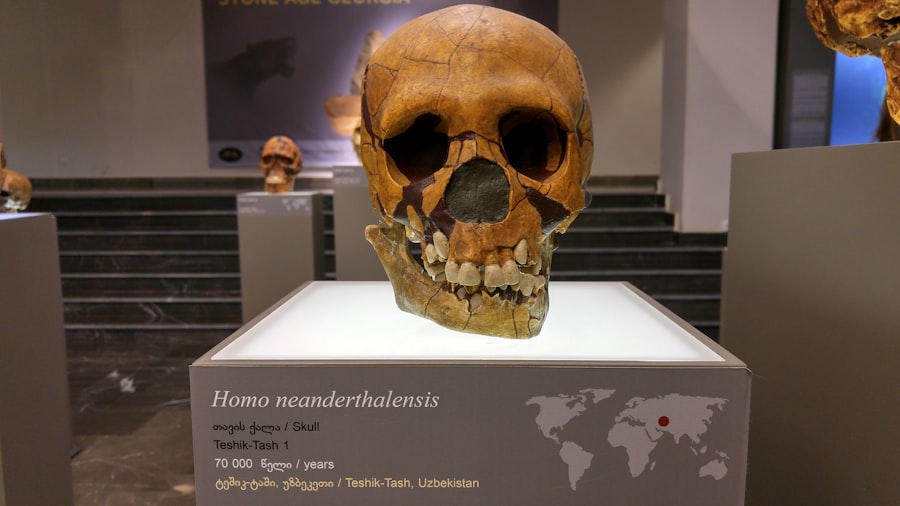
The notion that Homo erectus and Denisovans might have shared ancient connections has gained traction as our understanding of both groups has evolved. While they represent different temporal and geographical spheres in popular conception, a closer examination of the fossil and genetic evidence suggests overlapping periods and potential points of contact. The most compelling evidence for an ancient connection comes from the realm of genetics, where Denisovan DNA itself holds clues about their ancestral lineage.
Denisovan Ancestry: A Link to Archaic Humans
The genetic sequencing of Denisovans has revealed that their lineage diverged from the one that led to Neanderthals and Homo sapiens at a very ancient stage of hominin evolution. Critically, the Denisovan genome contains segments of DNA that appear even older, suggesting that they themselves inherited genetic material from even more archaic hominin ancestors. This raises the tantalizing possibility that Homo erectus could be one of these deeper ancestral groups.
- Mitochondrial DNA Comparisons: While direct comparisons of Homo erectus mitochondrial DNA are challenging due to degradation and limited samples, some studies have explored potential links. The divergence times inferred from these comparisons can provide hints about ancestral relationships.
- Autosomal DNA Insights: The analysis of autosomal DNA (DNA found in chromosomes other than sex chromosomes) from Denisovans has provided the most robust evidence for deep ancestry. The presence of basal lineages within the Denisovan genome, predating their divergence from Neanderthals and Homo sapiens, strongly suggests contributions from earlier hominin groups.
The “Super-Archaic” Signal in Denisovans
A significant finding in Denisovan genetics is the presence of what scientists have termed “super-archaic” DNA. This refers to DNA sequences that are considerably more divergent from modern human and Neanderthal genomes than expected, suggesting an ancestry that predates the split between Denisovans and Neanderthals. Some researchers hypothesize that this “super-archaic” component could originate from a population closely related to, or even representing, a later wave of Homo erectus migration out of Africa.
- The Denisovan 11 Genome: The analysis of a complete Denisovan genome (Denisovan 11) revealed segments that are more distantly related to Neanderthals and modern humans than the rest of the genome. This “introgression” of older genetic material is a key piece of evidence for deeper ancestral connections.
- Potential Contribution of Early Migrants: If Homo erectus migrated out of Africa in multiple waves, it is plausible that earlier waves encountered and interbred with hominin populations that were ancestral to Denisovans. The genetic legacy of these earlier migrations could be preserved within the Denisovan genome.
Reconstructing the Interactions: Gene Flow and Coexistence
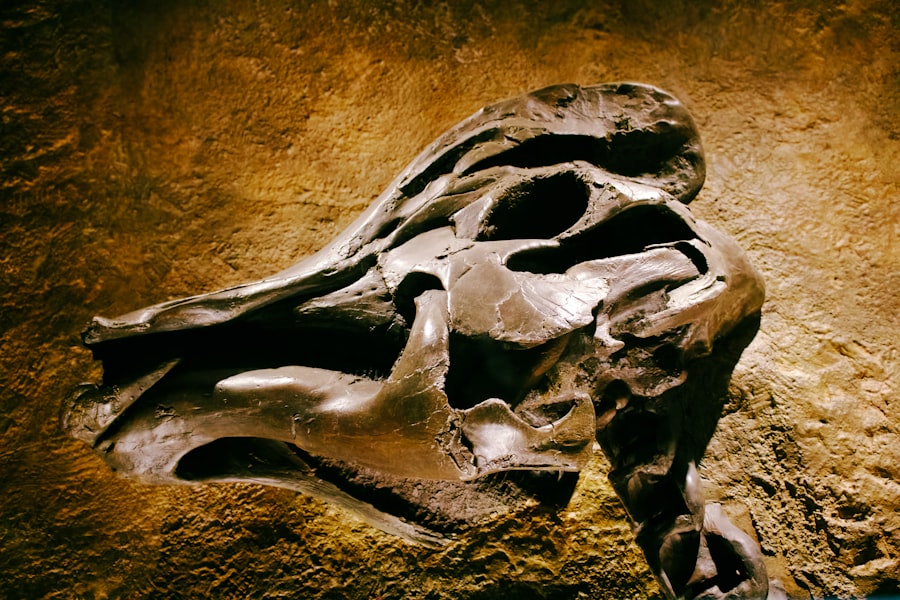
The question of how Homo erectus and Denisovans might have interacted is complex, given the temporal and geographical gaps in our knowledge. However, by combining what we know about the dispersal patterns of Homo erectus with the genetic evidence for Denisovan ancestry and their known interactions with other hominins, we can begin to reconstruct plausible scenarios.
Overlapping Timelines and Geographic Overlaps
While Homo erectus first emerged around 1.9 million years ago, their presence extended for a vast period. Denisovans, as a distinct group, likely emerged and persisted within the last few hundred thousand years, overlapping with the later stages of Homo erectus existence. Furthermore, the geographic ranges of these groups, particularly in Asia, may have overlapped considerably.
- **Late Homo erectus in Asia:** Evidence suggests that Homo erectus populations persisted in East Asia for a very long time, possibly even into the early Pleistocene. This means that their presence in regions where Denisovans later thrived could have been contemporaneous.
- Denisovan Range in Asia: The discovery of Denisovan fossils and genetic evidence in Siberia, China, and Tibet points to a significant presence in these areas. These are also regions where Homo erectus fossils have been found, suggesting potential for contact.
The Possibility of Interbreeding and Ancestral Contributions
The most compelling argument for a connection lies in the genetic evidence that Denisovans carry DNA from even more ancient hominin populations. If these ancient populations are indeed linked to Homo erectus, then interbreeding between these groups would have occurred.
- Denisovan Contribution to Modern Humans: We know that Denisovans interbred with early Homo sapiens who migrated out of Africa. This is evidenced by the presence of Denisovan DNA in modern populations, particularly in Melanesia, Australia, and East Asia.
- **Hypothesizing Homo erectus Contribution to Denisovans:** The “super-archaic” signal within the Denisovan genome strongly suggests an earlier introgression event. It is plausible that this introgression came from a population that was either Homo erectus itself or a closely related descendant of a very early Homo erectus migration. This scenario would place Homo erectus as a contributor to the Denisovan gene pool, a significant, albeit indirect, connection.
Recent discoveries about Homo erectus and Denisovans have shed light on the complexities of human evolution and migration patterns. These ancient hominins not only contributed to the genetic diversity of modern humans but also showcased remarkable adaptations to their environments. For a deeper understanding of how technological advancements have influenced human development throughout history, you can explore this insightful article on revolutionizing technology.
Unraveling the Deeper Ancestry: Future Directions
| Species | Time Period | Location | Physical Characteristics |
|---|---|---|---|
| Homo erectus | 1.9 million to 143,000 years ago | Africa, Asia, Europe | Large brow ridges, thick skull bones, long low skull, and a protruding face |
| Denisovans | Approximately 50,000 to 200,000 years ago | Siberia, Russia | Large molars, broad mandibles, and a wide pelvis |
The relationship between Homo erectus and Denisovans is a frontier of human evolutionary research, with much still to be uncovered. Future discoveries in paleoanthropology and advancements in genetic technology hold the key to unlocking the full extent of their ancient connection.
The Search for More Fossils
The scarcity of fossil evidence, especially for Denisovans, remains a significant hurdle. Continued archaeological exploration in regions known to have been inhabited by both Homo erectus and Denisovans could yield crucial new fossils, providing more insights into their morphology, behavior, and the potential for direct physical evidence of their interactions.
- Targeted Excavations: Focusing excavations in areas where both species are known to have existed, such as Southeast Asia and East Asia, could be particularly fruitful.
- New Dating Techniques: The application of advanced dating techniques to existing and newly discovered fossils will be crucial for establishing more precise timelines of coexistence.
Advancements in Ancient DNA Analysis
The field of ancient DNA analysis is rapidly evolving. Future improvements in DNA extraction and sequencing technologies may allow scientists to retrieve and analyze degraded DNA from older fossil specimens, potentially even from Homo erectus fossils. This would enable direct genetic comparisons and provide definitive answers about ancestral relationships.
- Ancient Proteins and Paleoproteomics: Even when DNA is too degraded to sequence, ancient proteins can sometimes be recovered. Paleoproteomic analysis could provide valuable information about relationships between different hominin groups.
- Improved Bioinformatic Tools: The development of more sophisticated bioinformatic tools will be essential for analyzing and interpreting complex ancient DNA data, including identifying deeper ancestral contributions.
Integrative Approaches: Bridging Genetics and Paleontology
The most promising path forward involves an integrative approach, combining the insights from genetic studies with the anatomical and archaeological evidence from fossils. By working together, geneticists and paleontologists can build a more complete and nuanced picture of our ancient past, revealing the intricate connections that shaped who we are today. The story of Homo erectus and Denisovans is a testament to the dynamic and interconnected nature of human evolution, a narrative that continues to unfold with each new discovery.
Scientists Found Two Unknown Human Ancestors Hiding in Your DNA
FAQs
1. Who were Homo erectus and Denisovans?
Homo erectus is an extinct species of archaic human that lived throughout most of the Pleistocene epoch. They are believed to have been the first human species to migrate out of Africa. Denisovans are an extinct group of archaic humans that are known from a few fossils found in Siberia.
2. What is the relationship between Homo erectus and Denisovans?
There is evidence to suggest that Homo erectus and Denisovans may have coexisted in Asia. Some researchers believe that Denisovans may have descended from Homo erectus, while others propose that they may have shared a common ancestor.
3. What is known about the physical characteristics of Homo erectus and Denisovans?
Homo erectus is known for its robust build and relatively large brain size. Denisovans are known from a few fragmentary fossils, but genetic studies have revealed that they had adaptations to high-altitude environments and interbred with modern humans and Neanderthals.
4. What is the significance of Homo erectus and Denisovans in human evolution?
Homo erectus is considered an important species in human evolution as they were the first to use fire and create more complex tools. Denisovans are significant because of their genetic contribution to modern humans, particularly in populations in Oceania and Southeast Asia.
5. What are some of the ongoing research and discoveries related to Homo erectus and Denisovans?
Ongoing research includes the study of new fossil finds and advancements in genetic analysis to better understand the relationships between Homo erectus, Denisovans, and other human species. Recent discoveries have included the identification of Denisovan DNA in modern human populations and the analysis of ancient DNA from Homo erectus fossils.