The biting winds, the skeletal branches reaching towards a perpetually grey sky, and the ever-present threat of encroaching darkness were only part of the winter landscape our ancient ancestors navigated. While many imagine the harshness of winter primarily in terms of cold and scarcity, an equally potent and often overlooked danger lurked: unpredictable winter forest fires. These were not the slow, creeping blazes of summer, but often sudden, explosive infernos fueled by dry, dead vegetation that had accumulated throughout the warmer months, now brittle and ready to ignite with the slightest spark. Survival in such a volatile environment demanded an intimate understanding of the natural world, a profound respect for its power, and a suite of ingenious adaptations that allowed our forebears to not only endure but thrive amidst the fiery chaos.
Reading the Whispers of the Wind and Wood
The ability to anticipate and react to the threat of fire was a cornerstone of ancient survival strategies. This was not a passive waiting for disaster, but an active engagement with the environment, a constant process of observation and interpretation. Our ancestors, living in intimate communion with the forests, developed an acute awareness of the subtle cues that heralded danger. They understood that winter fires were not uniform; their behavior was dictated by a complex interplay of factors that they learned to recognize.
The Arid Kiss of the Air
The most immediate precursor to a winter fire was often the dryness. Even in colder months, prolonged periods of low humidity, coupled with freezing temperatures that paradoxically draw moisture from the air and landscape, created tinderbox conditions. Our ancestors would have noticed the increased crispness of the air, the way fallen leaves crackled underfoot with a brittle sound, and how exposed bark felt particularly dry and rough to the touch. They understood that a “dry cold” was far more dangerous than a “wet cold.” The absence of snow cover, or its rapid melting, was another significant indicator. A blanket of snow acted as a natural firebreak, insulating the ground and suppressing ignition. The sight of exposed, dry ground in the midst of winter would have sent a clear signal of impending danger.
The Symphony of the Sap and the Scent
Beyond atmospheric conditions, the very lifeblood of the forest offered clues. Our ancestors would have observed the state of the trees themselves. Pines, with their resinous sap, could become particularly volatile. They would have recognized the subtle changes in the scent of the forest – the resinous tang that intensified during dry spells, a scent that, to their keen noses, hinted at the potential for rapid combustion. The presence of deadfall, branches and entire trees brought down by autumn storms or simply succumbing to age, presented a ready fuel source. The way this deadwood lay, its degree of dryness, and its proximity to living trees were all critical factors they would have assessed. They understood that a forest littered with dry, fallen material was a forest on the brink.
The Unseen Hand of the Spark
The ignition source for winter fires was often less obvious than the crackling lightning of summer storms. Natural ignitions in winter were rare but not impossible. Ice storms could bring down power lines if they existed in later periods, or create friction in trees that could generate a spark. More commonly, however, human activity, however unintentional, played a role. The careless discard of a glowing ember from a hearth, a friction spark from tool use, or even the intense heat generated by decomposing organic matter in large piles could be enough to set the stage. Our ancestors, acutely aware of their own presence and its potential impact, would have been mindful of anything that could introduce a spark into a dry, receptive environment. This might have involved establishing fire safety protocols around settlements and during foraging or hunting expeditions.
Ancient ancestors faced numerous challenges, including the threat of unpredictable forest fires during winter months. Their survival strategies likely involved a combination of adaptive behaviors, such as creating firebreaks, utilizing controlled burns, and developing shelter techniques to protect themselves from the elements. For a deeper understanding of how early civilizations navigated such adversities and thrived despite environmental challenges, you can explore the article on ancient advanced civilizations at Uncovering Evidence of Ancient Advanced Civilizations.
Retreat and Resilience: Navigating the Inferno
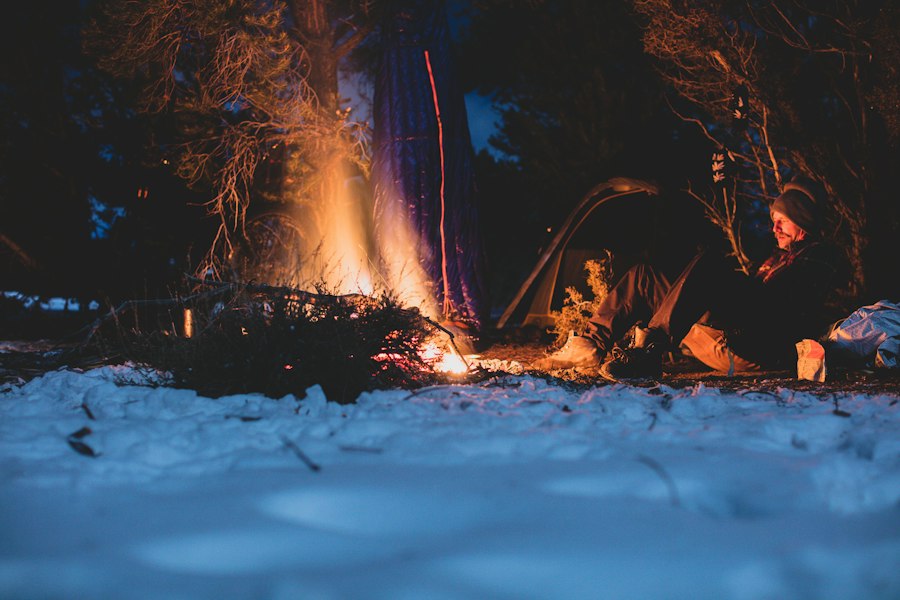
When the inevitable happened, and flames began to lick at the forest’s edge, our ancestors’ survival depended on swift and decisive action. Their strategies were not about fighting the fire head-on, an impossible feat without modern technology, but about strategic retreat and leveraging the landscape to their advantage. This involved a deep understanding of fire behavior and the use of natural and rudimentary man-made defenses.
The Wisdom of the Water’s Edge
The most reliable natural firebreaks were, and remain, water sources. Rivers, lakes, and even large, permanent streams offered a sanctuary from the advancing flames. Our ancestors would have known the locations of these vital resources and would have prioritized proximity to them, particularly during periods of high fire risk. They understood that a wide river could halt the progress of a ground fire, and that the moisture from a lake or stream could help protect them from radiant heat and airborne embers. Establishing temporary encampments near reliable water sources during dry winter spells was likely a common practice.
The Open Plains and the Stony Outcrops
Beyond water, open spaces played a crucial role. Large clearings, meadows, or areas with sparse vegetation offered a natural buffer against fire spread. Our ancestors would have recognized these areas as potential refuges. Similarly, rocky outcrops and scree slopes, devoid of significant fuel, could act as barriers. They would have known the terrain intimately, identifying these natural firebreaks and understanding their capacity to slow or even stop a fire’s advance. The ability to quickly reach such a safe zone was paramount.
The Strategic Value of the Winds
The direction and strength of the wind were critical determinants of fire behavior. Our ancestors, attuned to the subtle shifts in the air, would have used this knowledge to their advantage. If a fire was approaching from a certain direction, they would have sought refuge in areas that offered protection from the prevailing winds. Conversely, they might have used the wind to their advantage, moving ahead of a fire if they knew it would be pushed away from their intended path. Understanding how wind currents interacted with the terrain to influence fire spread was a vital element of their survival toolkit.
Nourishment in the Ashes: Post-Fire Opportunities
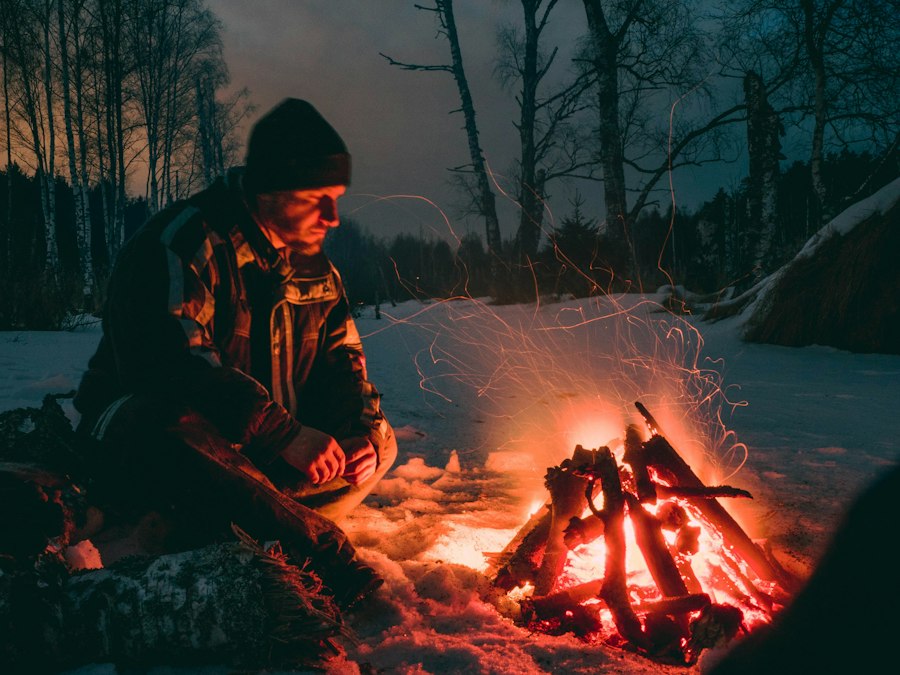
While the immediate aftermath of a winter forest fire was undoubtedly perilous, our ancestors also possessed the foresight to recognize the potential benefits that arose from such devastation. The scorched earth, seemingly a landscape of death and destruction, could, in time, offer new avenues for sustenance and resource acquisition. This perspective transformed the fire from a purely destructive force into a cyclical element of the ecosystem that they learned to harness.
The Unveiling of Hidden Stores
The intense heat of a forest fire, even a winter one, could have unexpected consequences for the vegetation and the animals that inhabited it. For certain plants, fire was a catalyst for regeneration. Seeds of some species, like certain pines and shrubs, are actually stimulated to germinate by the heat and chemicals released during a fire. While this germination might occur more readily in spring, the conditions created by a winter fire could prime these seeds for rapid growth as soon as warmer temperatures arrived. Our ancestors, understanding these botanical cycles, would have known where to look for new growth in the post-fire landscape.
The Harvest of the Charred and the Exposed
Beyond new growth, the fire could also reveal resources that were previously inaccessible. The scorching of bark could make it easier to harvest certain edible inner barks or medicinal compounds. The exposure of roots due to the burning away of surrounding vegetation could facilitate gathering. Furthermore, fires could flush out burrowing animals, making them more vulnerable to hunting. The carcasses of animals killed or trapped by the fire, while a somber sight, could also provide a temporary food source, especially if preserved by the cold temperatures. Our ancestors would have been adept at identifying these post-fire opportunities, turning a landscape of devastation into a temporary bounty.
The Shaping of the Landscape for Future Needs
On a larger scale, our ancestors understood that fire was a tool that shaped the landscape over generations. By observing the patterns of natural fires, they might have even practiced controlled burns themselves, albeit on a much smaller and more localized scale than modern practices. These deliberate fires could be used to clear undergrowth, promote the growth of desired edible plants, and create more open hunting grounds. While definitive proof of widespread deliberate burning by early humans in winter is scarce, the understanding of fire’s ecological role suggests a sophisticated appreciation for its long-term impact. They saw fire not just as a destroyer, but as a sculptor of the environment, a force that, when understood and respected, could contribute to the long-term health and productivity of their territories.
The Cultural Imprint of the Flame
The profound impact of winter forest fires extended beyond mere physical survival. These cataclysmic events were deeply woven into the cultural fabric of our ancient ancestors, shaping their beliefs, their stories, and their rituals. The raw power and unpredictability of fire demanded a level of respect that often bordered on reverence, and its destructive yet regenerative nature fostered a complex relationship with this elemental force.
Tales of Triumph and Terror
Oral traditions undoubtedly played a vital role in transmitting knowledge about fire survival from one generation to the next. Stories would have recounted the harrowing experiences of escaping a raging inferno, the clever strategies employed to find refuge, and the subsequent struggles for survival in a scorched landscape. These narratives would have served as both cautionary tales and as repositories of practical wisdom. They would have highlighted the importance of vigilance, the courage required to face overwhelming odds, and the resilience of the human spirit. The fear of the fire, coupled with the triumph over its destructive potential, would have fueled a rich tapestry of myths and legends.
Rituals of Appeasement and Renewal
The unpredictability of winter fires likely led to the development of rituals aimed at appeasing the spirits believed to control the natural world. These rituals might have involved offerings, prayers, or ceremonies designed to ward off destructive fires or to ensure the land’s renewal after a blaze. The cyclical nature of destruction and rebirth, so vividly embodied by forest fires, would have resonated deeply within their spiritual frameworks. The appearance of new life in the ashes would have been seen as a powerful symbol of renewal and hope, reinforcing the belief in the land’s inherent capacity for regeneration, even after the most devastating events.
The Fire Within: A Symbol of Survival
Beyond the external threat, fire also held immense internal significance. The hearth fire, the source of warmth, light, and a communal gathering space, was a potent symbol of safety and survival against the harshness of the external world, including the threat of winter fires. The ability to control fire, to harness its power for beneficial purposes, represented humanity’s mastery over nature, a crucial element in their self-identity. The contrast between the wild, uncontrollable infernos that ravaged the forests and the controlled, nurturing flame of the hearth would have been a constant reminder of their place within the natural order. The memory of facing and surviving the external fires would have reinforced the value and importance of the internal fire, the spark of life and resilience that allowed them to endure.
Ancient ancestors faced numerous challenges in their quest for survival, particularly when it came to unpredictable forest fires during the winter months. These early humans developed various strategies to cope with such disasters, including creating controlled burns to manage vegetation and reduce fuel for wildfires. Additionally, they relied on their deep understanding of the environment to find safe shelter and food sources. For a deeper exploration of how societies adapt to crises, you might find it interesting to read about the implications of emergency powers in modern contexts, as discussed in this article on the US National Emergency Powers Act, which can be found here.
The Enduring Legacy of Fire-Wise Ancestors
| Survival Strategy | Description | Effectiveness | Evidence Source |
|---|---|---|---|
| Controlled Use of Fire | Ancestors used small, controlled burns to reduce fuel and prevent large wildfires. | High | Archaeological charcoal layers and ethnographic studies |
| Seasonal Migration | Moving to safer areas during high-risk winter months to avoid fire zones. | Moderate | Anthropological records and settlement patterns |
| Fire-Resistant Shelter Construction | Building shelters from materials less likely to ignite, such as stone or damp earth. | Moderate | Archaeological remains of dwellings |
| Food Storage Techniques | Preserving food in underground caches or smokehouses to protect from fire damage. | High | Ethnographic analogies and archaeological findings |
| Early Warning Systems | Using lookout points and smoke signals to detect fires early and evacuate. | Moderate | Historical accounts and oral traditions |
The survival of our ancient ancestors through unpredictable winter forest fires was not a matter of luck, but a testament to their profound understanding of the natural world and their remarkable adaptability. They were not merely passive recipients of nature’s fury, but active participants in a complex ecological dance. Their strategies for reading the environment, for strategic retreat, for finding sustenance in the aftermath, and for embedding these experiences within their culture offer invaluable lessons. While the specific challenges have changed, the fundamental principles of observation, preparation, resilience, and respect for the environment remain as relevant today as they were millennia ago. Their legacy is etched not only in the landscapes they inhabited but in the very DNA of human ingenuity that continues to guide our own interactions with the often-unpredictable forces of nature.

Life 20,000 Years Ago | When an Ice Age Wildfire Traps Your Primitive Family
FAQs
What strategies did ancient ancestors use to predict forest fires?
Ancient ancestors relied on their observations of environmental cues, such as changes in wind patterns, humidity levels, and the behavior of animals. They also paid attention to seasonal patterns and the presence of dry vegetation, which could indicate a higher risk of fire. By understanding these signs, they could take preventive measures or evacuate to safer areas.
How did ancient ancestors protect themselves from forest fires?
To protect themselves from forest fires, ancient ancestors often created firebreaks by clearing vegetation and debris in a controlled manner. They also utilized natural barriers such as rivers and rocky terrains to shield their camps. Additionally, they developed techniques for controlled burns to reduce the amount of combustible material in their surroundings.
What role did community play in surviving forest fires?
Community cooperation was crucial for survival during forest fires. Ancient groups would work together to monitor fire risks, share resources, and establish safe zones. They often communicated warnings and coordinated evacuation efforts, ensuring that everyone had a plan in place to escape danger.
Did ancient ancestors have any specific tools or methods for fire management?
Yes, ancient ancestors developed various tools and methods for fire management, including digging tools to create firebreaks and using controlled burns to manage vegetation. They also utilized fire-starting techniques, such as friction-based methods, to create new fires for warmth and cooking, while being mindful of their surroundings to prevent uncontrolled blazes.
How did ancient ancestors adapt their living habits in response to forest fires?
In response to the threat of forest fires, ancient ancestors adapted their living habits by choosing locations for their settlements that were less prone to fire hazards, such as areas with ample water sources. They also adjusted their seasonal migration patterns to avoid regions that were more susceptible to wildfires during dry periods, ensuring their safety and access to resources.