The flickering flame, a beacon against the encroaching darkness, was more than just a source of light and warmth for ancient humans. It was a vital tool, a weapon against predators, a means to cook food, and a catalyst for social gatherings. Yet, harnessing fire was only half the battle. The ability to transport these precious embers across vast distances, to new territories, or to a different camp, was critical for survival. Imagine a small band of early hominins, forced to relocate due to dwindling resources or the threat of predators. Leaving their fire behind would be akin to surrendering a lifeline. Therefore, understanding the ingenious methods ancient humans employed to carry fire, or more accurately, its glowing heart – the embers – reveals a profound level of ingenuity and a deep understanding of the natural world. These were not haphazard attempts; they were calculated, tested, and refined strategies honed over millennia, demonstrating an evolutionary advantage that was intrinsically tied to fire management.
The very concept of transporting fire speaks volumes about the intelligence and foresight of our ancestors. It wasn’t simply about keeping a fire burning; it was about carrying the potential for fire. This distinction is crucial. Maintaining a large, roaring blaze while on the move was impossible. Instead, the focus shifted to preserving the smoldering embers, the glowing core that held the latent energy of the fire. This required knowledge of how embers behaved, how they lost heat, and what materials could insulate them from the elements. The success of these early humans, their ability to colonize new environments and thrive, was undoubtedly linked to their mastery of fire transport, allowing them to establish new hearths and continue their existence unimpeded by the loss of this fundamental resource.
The Science of Insulation and Containment
The primary challenge in transporting embers was preventing them from being extinguished by exposure to air or moisture. Ancient humans, through observation and trial-and-error, discovered a range of natural materials that possessed excellent insulating properties. These materials acted as a barrier, slowing down the rate of heat loss and protecting the embers from the elements. The selection of these materials was not random; it was informed by an intimate knowledge of their local environment and the properties of various plants and minerals. This section delves into the specific materials used and the scientific principles behind their effectiveness.
Organic Insulators: The Power of Plant Materials
A variety of plant-based materials proved to be exceptionally effective for carrying embers. These were readily available, lightweight, and offered good thermal insulation. The fibrous nature of many plants trapped air, a poor conductor of heat, creating an insulating layer.
Hollowed-Out Fungi and Galls
Certain types of large, dried fungi, particularly those with a spongy, porous structure, were ideal for this purpose. Once harvested and dried, these fungi could be hollowed out to create a natural container. The thick, woody walls of the fungus provided excellent insulation. Furthermore, the internal structure of the fungus itself could often hold a significant amount of glowing embers. Similarly, plant galls, abnormal growths on plants caused by insects or other organisms, sometimes formed a hollow, woody structure that could be repurposed. These galls, often found on trees, offered a compact and durable option for ember transport. The natural cavities within these structures were perfect for cradling the smoldering remains of a fire.
Packed Dry Leaves and Grasses
A more readily available, albeit less permanent, method involved packing dry leaves and grasses around the embers. The key here was to ensure the materials were thoroughly dry. Damp vegetation would merely quench the embers. Ancient humans would carefully gather a significant quantity of dry, dead leaves and soft, dry grasses. They would then place a few glowing embers into the center of this pile, ensuring they were not in direct contact with any potentially flammable green matter. The dry, airy structure of the leaves and grasses would then be compressed around the embers, forming a dense, insulating ball. The success of this method relied on the thickness of the packed material and the initial heat of the embers. Repeated replenishment of dry material might have been necessary for longer journeys.
Animal Hides and Pelts
In regions where large game was hunted, animal hides and pelts offered another effective insulating material. Once tanned or processed to remove moisture, these leathery materials could be used in several ways. A thick hide could be folded to create a pouch, with embers placed within and the edges tightly secured. The fatty tissues and fibrous structure of the hide provided a degree of insulation. Alternatively, dried animal dung, particularly from herbivores, which was essentially a fibrous plant matter, could be collected, dried, and used as an absorbent and insulating material within a hide or basket. This would have been particularly useful for retaining heat over extended periods, as the dung would have held a significant amount of absorbed heat.
Mineral Insulators: Earth and Stone
While organic materials were common, certain mineral substances also played a role, particularly for more permanent or robust transport needs. These materials offered a different kind of insulation, often based on their density and ability to retain heat.
Clay and Mud Pouches
Clay, readily available in many environments, was a versatile material. Ancient humans could have mixed clay with water to form a pliable paste. This paste could then be shaped into a hollow container, similar to a rudimentary pot. Once the embers were placed inside, the opening could be sealed with more clay or a covering of insulating material like dried grass. The clay, once fired through exposure to heat or dried in the sun, would become a hard, relatively durable container that offered good insulation due to its density. This method would have been more time-consuming to prepare but would have provided a robust and reusable fire carrier.
Stone Containers
In environments rich in suitable stones, specially selected stones could have been utilized. The most effective would have been porous stones, which could trap air and offer some insulation, or stones with a high heat capacity, meaning they could absorb a significant amount of heat and release it slowly. While directly placing embers into a cold stone container might have been problematic, a heated stone could have been used to transfer heat to a collection of insulating material. Alternatively, hollowed-out stones, perhaps naturally occurring cavities or carefully worked depressions, could have served as rudimentary hearths for carrying embers, though this would have been less common due to the weight and difficulty of shaping stone. The porous nature of some volcanic rocks, for instance, would have provided a degree of natural insulation when packed with embers.
In exploring the ingenuity of ancient humans, one fascinating aspect is how they protected fire embers during their migrations. This practice was crucial for survival, as fire provided warmth, protection, and a means to cook food. A related article that delves into the broader implications of ancient human behaviors and their impact on history can be found here: Uncovering the Map That Rewrites History. This piece highlights the innovative strategies employed by early humans, including their methods for managing fire, which played a significant role in their development and adaptation to various environments.
The Art of the Ember Nest
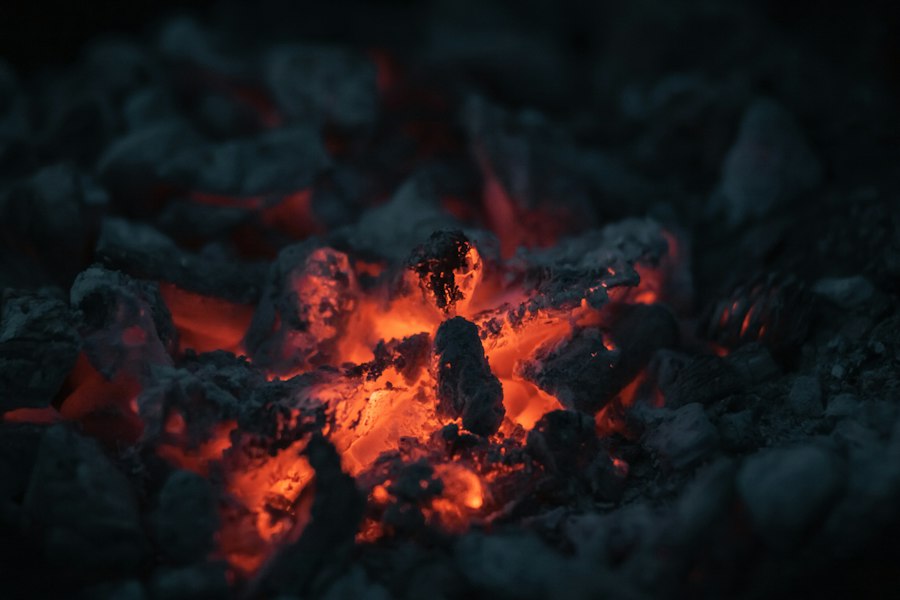
The concept of an “ember nest” goes beyond simply placing embers into a container. It refers to the deliberate creation of an environment within the container that is optimized for ember longevity. This involved understanding the precise airflow needed to keep embers glowing without igniting the insulating material, and how to manage the heat generated.
Controlled Airflow: The Spark of Life
Embers require a minimal amount of oxygen to continue their smoldering process. Too much airflow, and they will ignite into flames and burn themselves out quickly. Too little, and they will extinguish. Ancient humans likely understood this delicate balance.
Strategically Placed Vents and Openings
When using hollowed-out fungi, galls, or clay containers, the size and placement of openings would have been crucial. Small, strategically placed holes could allow just enough oxygen to reach the embers without causing them to flare up. These vents would have been carefully designed to provide a gentle draft, like a bellows in reverse, ensuring the embers received a slow, steady supply of air. The shape of the container could also influence airflow, with narrower openings at the top and a wider base allowing for a more controlled oxygen supply.
The Role of Ash
Ash itself plays a vital role in ember preservation. A layer of ash surrounding and covering the embers acts as a natural insulator, preventing direct contact with excessive oxygen and moisture. Ancient humans would have understood that a significant amount of ash from their hearth was an asset for fire transport. They would carefully collect glowing embers and gently place them into a bed of pre-existing ash within their chosen container. This ash would act as a buffer, moderating the heat and controlling the oxygen flow. It also prevented the embers from adhering to the insulating material, making them easier to manage.
Managing Heat: The Slow Burn
The heat generated by the embers needed to be managed to prevent the insulating material from igniting or deteriorating too rapidly. This involved a combination of material selection and careful packing.
Gradual Introduction of Embers
It is unlikely that a large, fiercely burning fire would have been directly transferred. Instead, smaller, well-established glowing embers would have been selected. These would then be gently placed onto a prepared bed of insulating material, often including ash. This gradual introduction allowed the insulating material to absorb some of the initial heat without becoming immediately overwhelmed.
Dense Packing and Layering
The way the insulating material was packed was also important. A loosely packed nest would allow too much air circulation. Conversely, an overly compressed nest could smother the embers. Ancient humans would have learned to achieve a dense, yet breathable, packing. Layering different materials could also have been employed. For example, a layer of fine ash at the bottom, followed by a layer of dried grass, then the embers, and finally another layer of ash and dried leaves on top. This layered approach would have provided a gradient of insulation and airflow, optimizing ember survival.
Innovative Carrying Techniques and Tools
Once the embers were safely insulated, they needed to be physically transported. This required specialized tools and techniques that ensured stability and protection during movement. The ingenuity extended to how these ember nests were carried, reflecting the practical needs of a nomadic or semi-nomadic lifestyle.
The Human Factor: Dexterity and Care
The most fundamental tool was the human hand itself, guided by millennia of learned behavior. This involved a careful, deliberate approach to handling the ember nests.
Gentle Handling and Stability
Moving with jerky movements or jarring impacts would have been detrimental to the embers. Ancient humans would have learned to move with a deliberate, measured gait, keeping the ember nest as level as possible. They would have carried them cradled in their arms, using their bodies to absorb shocks and vibrations. This wasn’t just about avoiding spills; it was about maintaining the integrity of the ember nest.
Multiple Carriers and Shifting Loads
For longer journeys or when carrying larger ember nests, it is probable that multiple individuals would have shared the task. This would have distributed the weight and allowed for breaks, preventing fatigue from compromising the careful handling of the fire. They might have also developed systems for shifting the load between individuals to maintain a steady pace.
Specialized Carriers and Containers
Beyond simple pouches, more elaborate carrying devices likely evolved to better protect and stabilize the ember nests.
Woven Baskets and Gourds
Woven baskets, made from pliable branches, reeds, or vines, offered a lightweight yet durable carrying solution. These could be shaped to securely cradle an ember nest, with the weave providing both protection and some degree of ventilation. For added insulation and moisture resistance, the interior of these baskets could have been lined with animal hides or dried leaves. Larger, hollowed-out gourds, once dried and treated, could also have served as natural containers. Their rounded shape would have offered good protection, and their tough rind provided durability. These gourds could have been carried by hand or slung over the shoulder.
Hide Slings and Pouches
As mentioned earlier, animal hides were valuable for insulation. They could also be fashioned into sturdy slings or pouches specifically designed for ember transport. These might have incorporated wooden frames for added rigidity and to prevent the pouch from collapsing. A well-made hide sling could be slung over the shoulder or carried at the side, distributing the weight and freeing up the hands for other tasks. The natural water-repellent properties of tanned hides would have offered an additional layer of protection against sudden downpours.
Fire Sticks and Brands
For shorter distances or when needing to transfer embers from one location to another with immediacy, “fire sticks” or “brands” would have been employed. These were essentially sticks or branches with one end charred and glowing with embers. The tip of the stick would be carefully placed into a source of glowing embers, allowing them to ignite the charred wood. The carrier would then hold the stick upright, protecting the ember from wind and rain as much as possible, and rapidly transport it to the new location. This method was effective for transferring a small amount of fire quickly, acting as a “starter” for a new fire. The choice of wood for these brands would have been important, with denser hardwoods likely preferred for their slower burn rate and ability to hold embers.
The Social and Cultural Significance of Fire Transport
The ability to transport fire was not merely a technological achievement; it was deeply intertwined with the social and cultural fabric of ancient human societies. Fire was a unifying force, and the communal effort involved in its maintenance and transport fostered strong social bonds.
Sharing and Maintaining the Hearth
The hearth was often the central gathering point of a community. The ability to transport embers ensured that this central resource was not lost, allowing for the uninterrupted continuation of communal life. The act of sharing embers from one group to another, or between different families within a larger settlement, was a powerful act of cooperation and trust.
Establishing New Settlements
When migrating to new territories, the carrying of embers was paramount. It meant that a new settlement could be established with a ready source of fire, accelerating the process of adapting to a new environment. This ability allowed humans to spread across diverse geographical regions, from cold tundras to dense forests, relying on their portable hearths.
Rituals and Symbolic Meanings
Fire held significant symbolic meaning for ancient humans, often associated with life, purity, and the divine. The careful and deliberate act of transporting embers could have been imbued with ritualistic significance, reinforcing the importance of this vital element in their lives. Certain individuals or groups may have been specifically tasked with the sacred duty of fire carrying, highlighting its elevated status.
The Spread of Knowledge and Technology
The successful transport of fire also facilitated the spread of knowledge and technology. As groups encountered each other, they would have shared their methods and materials for fire preservation, leading to the refinement and dissemination of these techniques across wider populations. This cross-cultural exchange would have accelerated technological development and adaptation. The variations in ember transport methods observed across different archaeological sites suggest a rich history of innovation and localized adaptation, each group contributing its unique insights to the collective knowledge base. The very act of ensuring the continuity of fire was an act of preserving the accumulated wisdom of generations, a testament to their deep understanding of survival.
Ancient humans developed various techniques to protect fire embers while transporting them, ensuring they could maintain warmth and cook food during their migrations. This practice not only highlights their ingenuity but also reflects their deep understanding of fire’s significance in daily life. For a deeper exploration of how early humans adapted their skills for survival, you can read more in this insightful article about trade agreements that shaped human interactions. Check it out here.
Evidence from the Archaeological Record
| Method | Description | Materials Used | Effectiveness | Duration of Ember Preservation |
|---|---|---|---|---|
| Ember Carrying in Ash | Embers were buried in ashes to insulate and slow cooling. | Wood ash, embers | Moderate | Several hours to a day |
| Ember Transport in Bark Containers | Embers placed inside bark or wooden containers to protect from wind and moisture. | Tree bark, wooden bowls | High | Up to 24 hours |
| Use of Animal Hide Pouches | Embers wrapped in damp animal hides to maintain heat and prevent extinguishing. | Animal hides, embers | High | Several hours |
| Continuous Tending | Regularly blowing or adding small twigs to keep embers alive during travel. | Small twigs, breath | Very High | Indefinite with care |
| Fire Drill Reignition | Using friction methods to reignite fire if embers died out. | Wooden sticks, dry wood | Variable | Dependent on skill and conditions |
While direct evidence of ember transport is scarce due to the ephemeral nature of organic materials, archaeological findings provide compelling clues about the practices of ancient humans. The presence of hearths in diverse and sometimes isolated locations, the discovery of specialized tools, and ethnographic parallels all point to sophisticated methods of fire management.
Hearth Sites and Their Implications
The discovery of hearths in locations far from readily available fuel sources suggests that fire was brought to these sites. For example, hearths found in caves or at high altitudes would have required a reliable method of transporting embers to maintain a continuous fire. The careful arrangement of stones in many hearths also suggests a deliberate construction designed to conserve heat and embers.
Tool Assemblages and Their Uses
The presence of finely crafted bone or wooden tools, as well as woven fragments that could have been used for carrying or insulation, provide indirect evidence of ember transport. These artifacts, when found in association with hearths, suggest a coordinated approach to fire management, including its transportation. The careful shaping of certain tools, like probes for rearranging embers or specialized containers, hints at a level of sophistication in fire handling that extends beyond simply gathering firewood.
Ethnographic Parallels and Modern Analogues
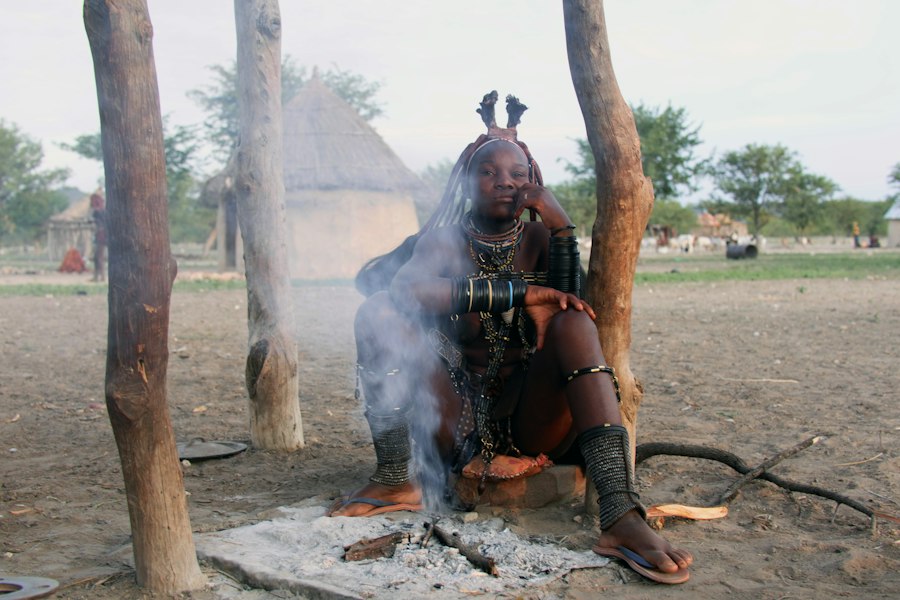
Observing traditional fire-making and transport methods among indigenous communities in remote areas offers valuable insights into how ancient humans might have operated. Many of these communities, even in modern times, employ ingenious techniques for carrying embers, such as using dried moss, animal dung, or specially prepared containers. These living traditions serve as powerful analogues, illustrating the continuity of human ingenuity in the face of environmental challenges. The meticulous care with which these modern practitioners handle their embers, often treating the process with reverence, further underscores the cultural and survival importance of this practice for our ancestors. The success of these methods, passed down through generations, validates the likely effectiveness and widespread adoption of similar techniques by ancient peoples.