The relentless bite of winter has always been a formidable adversary for humanity, and perhaps no resource was more vital in its struggle against the cold than fire. For ancient peoples, the ability to maintain a flame, especially the glowing embers that held the promise of re-ignition, was a matter of survival. This was particularly challenging during harsh winter winds, which could quickly extinguish a nascent flame or, worse, scatter precious embers, plunging communities into darkness and frigid despair. The ingenuity of our ancestors in developing methods to shield these delicate sparks from the elements is a testament to their deep understanding of natural forces and their unwavering will to endure.
The Nature of the Threat: Wind’s Destructive Power
The wind, while a source of power and a means of dispersal, is a chief antagonist when it comes to fire, particularly in its most vulnerable stages. Early humans relied heavily on controlled fire for warmth, cooking, light, and protection from predators. The process of creating fire was often laborious, involving techniques like friction (bow drills, hand drills) or striking stones. Once a spark was generated, it needed to be nurtured into a flame, a process that required the utmost care. Embers, the glowing remnants of a fire, represented a valuable conserved heat source. They held enough energy to reignite a larger blaze with the addition of fuel. However, these embers were incredibly fragile.
The force of wind, even a gentle breeze, could fan a delicate ember into an uncontrollable inferno if not managed properly, or more commonly, could strip away the oxygen they needed to glow, causing them to die out. In the harsh winter months, this threat was amplified. Icy winds, laden with snow and ice particles, could further exacerbate the situation. Not only did these winds possess greater destructive potential, but the very act of tending a fire in such conditions meant venturing into the biting cold, making prolonged exposure and the risk of losing precious embers even higher. The challenge was not simply to start a fire, but to preserve its essence against a relentless, unseen force.
The Delicate Dance of Oxygen and Flame
Understanding the relationship between fire and oxygen was fundamental to ancient firekeeping. Flames consume oxygen, drawing it from the surrounding air. Wind, in its chaotic motion, can both provide too much oxygen, leading to rapid combustion and potential burnout, or it can disrupt the steady flow of air required for sustained burning. Embers, being at a lower temperature than active flames, require a more delicate balance. They need enough oxygen to maintain their glow but not so much that they are rapidly consumed or extinguished by a gust. This nuanced interaction with the atmosphere meant that simple exposure to the elements was often a death sentence for an ember. Ancient peoples observed this intimately, learning through trial and error the subtle ways in which air currents influenced the life of their fires. This observational knowledge formed the bedrock of their ember-preservation strategies.
Winter’s Amplified Fury: Freezing Temperatures and Snow
The winter environment presented a unique set of challenges beyond just wind speed. Freezing temperatures could rapidly cool embers, drawing away their heat and making them harder to revive. Snow and ice, carried by the wind or falling directly, could smother embers, quenching them instantly or turning them into useless, waterlogged lumps. The combination of a strong, cold wind with precipitation created a highly hostile environment for even the most robust fire. For ancient peoples, who often lived in less insulated shelters or spent significant time outdoors engaged in hunting and gathering, the ability to carry fire and its embers was crucial. Losing embers meant the arduous task of relighting from scratch, a process that could be impossible in blizzard conditions or when hands were numb with cold. Therefore, protecting these vital sparks from the combined onslaught of wind, cold, and moisture was paramount for their continued existence and the survival of their communities.
Ancient people developed various techniques to shield fire embers from strong winter winds, ensuring they could maintain warmth and cook food during harsh conditions. One fascinating aspect of this practice was the construction of windbreaks using natural materials like stones, branches, and animal hides. These structures not only protected the fire but also created a more stable environment for communal gatherings. For a deeper understanding of how ancient practices have evolved over time and their relevance in modern contexts, you might find this article interesting: The Rise of Nearshoring: Mexico’s Growing Appeal.
The Art of the Windbreak: Natural and Constructed Defenses
The most immediate and intuitive solution to shielding fire from wind was to create barriers. Ancient peoples were masters of their environments, and they utilized both naturally occurring features and deliberately constructed elements to achieve this vital protection. These windbreaks were not merely rudimentary walls; they were carefully designed and strategically placed to deflect the harshest gusts while still allowing sufficient airflow to sustain the embers. The materials used varied greatly depending on local resources, but the underlying principle remained the same: to channel, diffuse, or block the wind’s direct assault.
Leveraging the Landscape: Hills, Rocks, and Vegetation
The natural world offered a wealth of ready-made windbreaks. Steep hillsides, particularly on the leeward side, provided natural shelter from prevailing winds. Large rock formations, such as boulders or outcrops, offered solid, immovable barriers. Ancient camps were often established in locations that naturally benefited from these geological features, offering an immediate advantage against the elements. Even dense stands of trees or thickets of bushes could serve as effective windbreaks, their foliage breaking up the wind’s force and creating a calmer microclimate around the fire. Early humans learned to identify these advantageous locations and to situate their hearths accordingly, recognizing the passive protection these natural formations afforded. This was an extension of their deep ecological knowledge, using the earth itself as a shield.
Humble Huts and Strategic Hedges: Constructed Defenses
Beyond passive reliance on nature, ancient peoples actively constructed windbreaks. The simplest form might have been a semi-circular arrangement of large branches or logs placed around the fire pit. These were often woven together with smaller branches, leaves, or grasses to create a more solid barrier. In more permanent settlements, these windbreaks could evolve into low walls, constructed from mud, stone, or wood. These walls were often strategically angled to deflect wind away from the hearth. Hedges, planted and maintained, could also serve as long-term windbreaks, growing denser and more effective over time. The placement of these structures was critical; they were not built directly against the fire, which could cause them to ignite, but rather at a strategic distance to disrupt the wind flow. This ensured the fire received the necessary air for combustion without being directly exposed to the full force of the wind.
The Hearth’s Embrace: Integrated Shelter Designs
In some cases, wind protection was integrated directly into the design of shelters. Early dwellings, such as pit houses or semi-subterranean structures, naturally offered significant wind protection. The earth itself acted as an insulator and windbreak. Within these dwellings, hearths were often placed in a corner or a recessed area, further shielded from direct wind drafts. The entrance to the dwelling would also play a role in managing airflow. In above-ground structures, such as simple huts made of branches and hides, the placement of the fire within the shelter, combined with the overall structure of the dwelling, would have provided a degree of protection. The ingenuity lay in understanding how the shelter’s architecture could contribute to the fire’s survival, creating a symbiotic relationship between habitation and hearth.
The Art of Concealment: Shielding Embers in Their Own Nests
When direct windbreaks were insufficient, or when embers needed to be transported or stored for later use, ancient peoples employed sophisticated methods of concealment. This involved creating specialized “nests” or containers that protected the delicate embers from wind and, crucially, retained their heat. These methods were a direct response to the understanding that embers were precious and required a controlled environment to survive. The key was to balance insulation with the ability to release heat and to re-ignite when needed.
The Humble Ash Bed: A Time-Tested Insulator
Perhaps the most ubiquitous and effective method was the use of ash. Once a fire had burned down to embers, they were carefully covered with a thick layer of fine, dry ash. Ash is an excellent insulator; its fine particles trap air, creating a barrier against heat loss and wind. When embers were buried in a deep bed of ash, they could remain glowing for extended periods, sometimes overnight or even longer. The ash would prevent direct contact with the wind and insulate the embers from the cold air. To revive the fire, one would simply carefully uncover the glowing embers and add tinder and fuel. This simple yet profound technique allowed ancient peoples to preserve their fire’s essence, carrying the warmth of one day into the next.
Earth’s Protective Cloak: Burying for Survival
Beyond ash, the earth itself served as a powerful insulator. Embers could be carefully placed in a small pit dug into the ground and then covered with soil or a thick layer of mud. The surrounding earth would absorb and retain heat, acting as a natural thermos. This method was particularly effective for longer-term storage or for transporting embers over significant distances. The soil provided a robust barrier against wind and kept the embers at a relatively stable temperature. When ready to rekindle, the earth would be carefully scraped away to reveal the glowing heart of the fire. This technique demonstrated a deep understanding of thermal properties and the earth’s ability to both store and insulate heat.
Crafted Containers: Baskets, Gourds, and Clay
For portability and even greater protection, ancient peoples developed specialized containers. Woven baskets, often lined with clay or thick layers of animal hide, could be used to carry embers. The weave of the basket would break up the wind, and the lining would provide insulation and prevent the embers from escaping. Gourds, hollowed out and dried, also served as excellent containers. Their natural shape and tough shell offered good insulation, and they could be sealed with mud or other materials to further protect the embers. In some cultures, fired clay pots or specially designed hearth boxes were used. These could be built with a lid or a small opening to control airflow, allowing embers to be transported or stored safely and effectively, ensuring the continuity of fire even on the most challenging journeys.
The Art of Revival: Rekindling the Flame from Dormant Embers
The true triumph of ancient firekeeping was not just in preserving embers, but in the skill and knowledge required to bring them back to life. This was a delicate and often ritualistic process, requiring patience, precise movements, and a keen understanding of how to introduce oxygen and fuel to a dying glow. Rekindling a fire from dormant embers was a vital skill, especially during winter when starting from scratch could be a near-impossible feat.
The Gentle Awakening: Blowing and Fanning Techniques
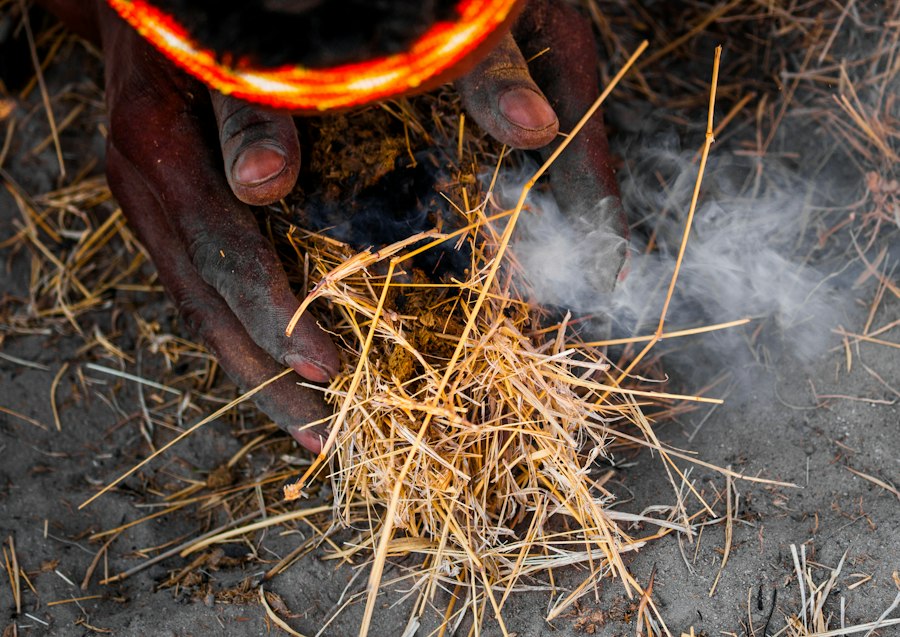
Once glowing embers were uncovered, the next step was to coax them back into a flame. This was typically achieved through careful blowing or fanning. Gentle, consistent breaths were applied to the embers, introducing oxygen without scattering them. Too much force could blow the embers apart or extinguish them altogether. Ancient peoples would often use their cupped hands as a bellows, creating a directed stream of air. In some cases, specialized tools like hollow reeds or carefully shaped bark were used to channel breaths more effectively. The aim was to increase the heat until it could ignite nearby tinder. This process required a steady hand and an intuitive understanding of airflow.
The Sacred Tinder Bundle: Fueling the Revival
The success of rekindling depended heavily on the quality and readiness of the tinder. Ancient peoples meticulously prepared tinder bundles, using materials that ignited easily with minimal heat. These could include dry grasses, shredded bark (especially birch bark), bird’s nests, or the fluffy seeds of certain plants. These materials were kept meticulously dry and stored in a safe place. When the embers were glowing sufficiently, the tinder bundle would be carefully placed over or around them, and the blowing or fanning would intensify. The goal was for the ember’s heat to transfer to the tinder, causing it to smolder and then burst into flame. This symbiotic relationship between ember and tinder was crucial for the fire’s resurgence.
The Role of Fuel: Gradual Introduction for Sustained Fire
Once the tinder had caught fire, the process of building a sustainable flame began. This involved the gradual introduction of increasingly larger fuel. Small, dry twigs would be added first, followed by larger sticks, and then progressively thicker pieces of wood. This staged approach prevented the new flame from being overwhelmed and extinguished by too much fuel at once. Ancient peoples understood that a strong, steady fire was built incrementally, starting from the most delicate spark and growing through careful addition of material. This patient and systematic method ensured that the fire, once revived, would burn strongly and reliably, providing the much-needed warmth and light for their survival through the harsh winter.
Ancient people developed various ingenious methods to shield fire embers from strong winter winds, ensuring they could maintain warmth and cook food even in harsh conditions. They often constructed windbreaks using natural materials like stones, branches, and animal hides to create a barrier that protected their fires from the elements. This practice not only highlights their resourcefulness but also reflects their deep understanding of the environment. For a fascinating exploration of ancient engineering and construction techniques, you might find this article on the Baalbek stone block mystery intriguing, as it delves into the remarkable achievements of ancient civilizations. You can read more about it here.
The Cultural Significance: Fire as a Symbol of Community and Resilience
| Method | Description | Materials Used | Effectiveness | Region/Culture |
|---|---|---|---|---|
| Windbreak Walls | Constructing low walls or barriers around the fire to block wind. | Stone, mud, wood, packed earth | High – significantly reduces wind impact on embers | Various ancient cultures worldwide |
| Fire Pits | Digging pits to lower the fire below ground level, sheltering embers. | Earth, stones | Moderate to High – natural wind protection | Native American tribes, early humans |
| Use of Natural Windbreaks | Positioning fires near natural features like rocks, trees, or hills. | Natural landscape elements | Moderate – depends on location | Global |
| Covering Embers | Covering embers with ash or soil to protect from wind and retain heat. | Ash, soil | High – preserves embers and prevents extinguishing | Various ancient cultures |
| Portable Shields | Using handheld or movable shields to block wind during fire tending. | Animal hides, woven mats, wooden boards | Moderate – temporary protection | Nomadic tribes |
The act of preserving fire and its embers was far more than a practical necessity; it was deeply interwoven with the social fabric and cultural identity of ancient peoples. Fire was the heart of the community, a focal point for storytelling, warmth, and shared sustenance. The ability to maintain this vital resource, especially through the darkest and coldest months, became a symbol of their resilience, their collective ingenuity, and their deep connection to the natural world. The knowledge and practices surrounding firekeeping were often passed down through generations, imbued with spiritual and social significance.
The Hearth as the Center of Social Life
The hearth was the literal and metaphorical center of ancient life. Families and communities gathered around the fire for warmth, to cook their meals, to mend tools, and to share stories and knowledge. The flickering flames cast a comforting glow, banishing the darkness and the fear it represented. The continuity of the fire, maintained through the winter’s challenges, ensured the continuation of these social bonds and traditions. Losing the fire meant not just losing warmth, but losing a vital part of their social and cultural cohesion. The shared effort to protect the embers was an act of communal responsibility, reinforcing their interdependence and collective strength.
Passing Down the Flame: Oral Traditions and Rituals
The knowledge of how to make fire, keep embers alive, and rekindle a flame was not simply taught; it was often passed down through oral traditions, stories, and sometimes even ritualistic practices. Elders, who held the accumulated wisdom of their ancestors, would guide younger generations in the art of firekeeping. These lessons were often accompanied by explanations of the spiritual significance of fire, its connection to the gods or the spirit world, and the importance of respecting its power. In many cultures, fire was seen as a sacred gift, and its preservation was a sacred duty. This cultural transmission ensured that the essential skills for survival were not lost with the passing of individuals, but were continually reinforced within the community.
Resilience in the Face of Adversity: A Symbol of Endurance
The ability of ancient peoples to shield their fire embers from the harsh winter winds was a profound testament to their resilience. It demonstrated their capacity to adapt to challenging environments, to innovate with the resources at hand, and to persevere through hardship. Each successfully rekindled flame was a victory against the forces of nature, a reaffirmation of their ability to survive and thrive. This ongoing struggle and success forged a deep sense of collective identity and pride. The enduring embers, surviving the winter’s fury, mirrored the enduring spirit of the people who so carefully guarded them, a powerful symbol of their tenacity and their unwavering will to endure against all odds.

Life 20,000 Years Ago | When an Ice Age Wildfire Traps Your Primitive Family
FAQs
What materials did ancient people use to shield fire embers from winter winds?
Ancient people often used natural materials such as stones, logs, and earth to create barriers around their fires. These materials helped to block the wind and protect the embers from being extinguished.
How did the design of fire pits contribute to wind protection?
Fire pits were often designed with a circular or semi-circular shape, which helped to create a windbreak. The walls of the pit would deflect strong winds away from the flames and embers, allowing for better heat retention and fire stability.
Did ancient people use any specific techniques to maintain fire during storms?
Yes, ancient people employed various techniques such as digging shallow pits to lower the fire’s exposure to wind, covering the fire with leaves or animal hides, and using large stones to create a windbreak, ensuring that the fire remained lit even during storms.
What role did location play in protecting fire embers?
The location of a fire was crucial; ancient people often chose sheltered spots, such as behind natural windbreaks like hills or dense vegetation, to minimize wind exposure. This strategic placement helped to maintain the fire’s warmth and longevity.
How did ancient cultures pass down knowledge about fire protection?
Knowledge about fire protection techniques was typically passed down through oral traditions, storytelling, and practical demonstrations. Elders and experienced members of the community would teach younger generations the best practices for maintaining fire in harsh weather conditions.