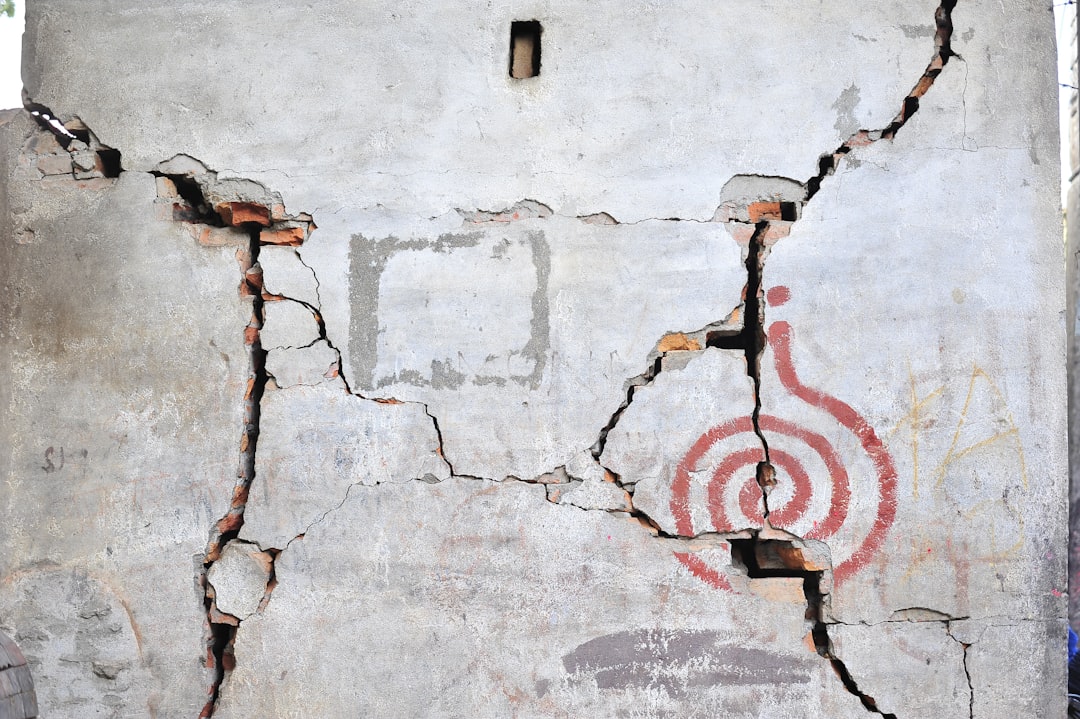
Ancient civilizations, faced with the ubiquitous threat of seismic activity, developed ingenious engineering solutions that allowed their monumental structures to withstand the ravages of earthquakes for millennia. Far from being a mystery, the resilience of these ancient walls lies in a sophisticated understanding of materials, structural design, and even a keen observation of natural phenomena. These enduring edifices, from the pyramids of Egypt to the Incan fortresses of Machu Picchu, stand as testaments to the foresight and ingenuity of our ancestors, offering invaluable lessons for contemporary seismic engineering.
The architects and builders of antiquity were not equipped with sophisticated seismographs or advanced geological surveys. Yet, their intimate relationship with the land and their keen observational skills allowed them to discern patterns and anticipate the forces of the earth. This understanding, though empirical, formed the bedrock of their earthquake-resistant designs. Their knowledge was gleaned from generations of experience, passed down through oral tradition and practical application.
Identifying Seismic Zones and Vulnerable Locations
Ancient peoples, through trial and error and the accumulation of historical memory, learned to identify regions prone to earthquakes. They observed recurring patterns of tremors and the resulting destruction of buildings. This led to a cautious approach to construction in such areas, often involving the selection of more stable geological formations and avoiding unstable slopes or loose soil. The placement of settlements and monumental constructions was often a deliberate choice to minimize exposure to the most severe seismic forces. This was not a random selection process but rather a calculated

The Walls That Shouldn’t Still Be Standing
FAQs
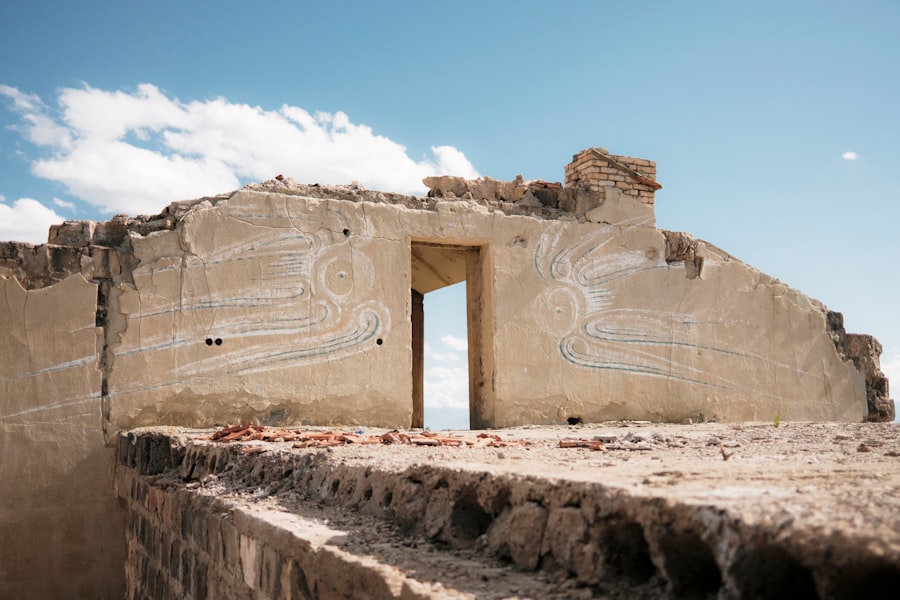
1. Why did ancient walls survive earthquakes?
Ancient walls were built using techniques and materials that allowed them to withstand the forces of earthquakes. These techniques included using flexible materials, such as wood or mud bricks, and incorporating architectural features like buttresses and arches to distribute the seismic forces.
2. What are some examples of ancient walls that have survived earthquakes?
Examples of ancient walls that have survived earthquakes include the Great Wall of China, the walls of the Roman Colosseum, and the walls of the ancient city of Jericho. These structures have withstood numerous seismic events over centuries.
3. How did ancient builders design walls to withstand earthquakes?
Ancient builders designed walls to withstand earthquakes by incorporating features such as curved or angled walls, which helped to distribute the seismic forces. They also used materials like stone, which has natural flexibility, and employed techniques such as interlocking masonry to increase stability.
4. What can we learn from ancient walls about earthquake-resistant construction?
Studying ancient walls can provide valuable insights into earthquake-resistant construction techniques. By understanding how these structures were built to withstand seismic forces, modern engineers and architects can apply similar principles to contemporary construction practices.
5. How can modern construction benefit from the study of ancient walls?
The study of ancient walls can inform modern construction practices by offering lessons in resilience, sustainability, and longevity. By examining the success of ancient walls in surviving earthquakes, modern builders can adapt and improve their construction methods to create more resilient structures.