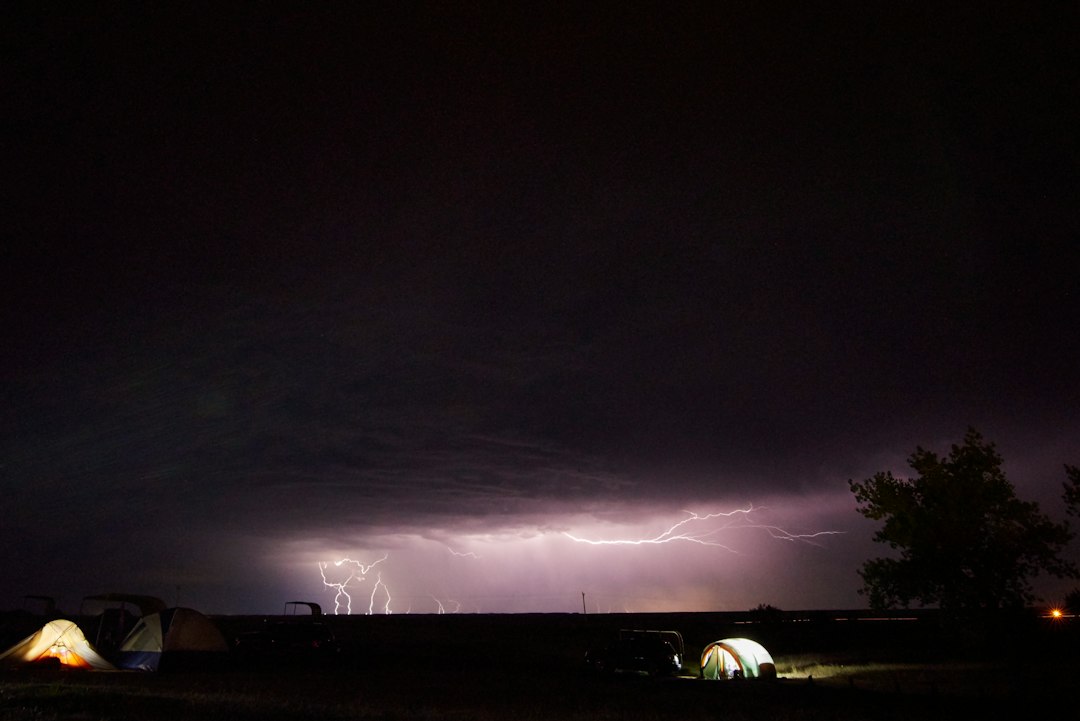
The flickering fire cast dancing shadows against the rough cave walls, a beacon of warmth and safety in a world that offered little of either. Outside, a tempest raged, wind howling like a starved wolf, lashing rain and sleet against the stone. For the early hominids, the cave was not merely a dwelling; it was a sanctuary, a testament to a resilience forged in the crucible of a constantly changing and often brutal environment. The concept of “extreme weather” as modern humans understand it – a rare inconvenience to be mitigated with technology – would have been a daily, life-or-death reality for our ancient ancestors. Their survival was not a matter of comfort, but of ingenuity, deep understanding of their surroundings, and an unyielding will to persist.
The challenges faced by these early humans were immense. They lacked the sophisticated tools, shelter construction techniques, and predictive weather knowledge that we possess today. Yet, they not only survived but thrived, their populations spreading across continents, adapting to a bewildering array of climates from the frozen tundra to the scorching savannas. This remarkable feat was not a matter of luck; it was the product of a suite of deeply ingrained survival strategies honed over millennia. These strategies were not conscious, academic pursuits, but instinctual responses and learned behaviors passed down through generations, woven into the very fabric of their existence. Understanding these ancient methods offers a profound glimpse into the adaptability and intelligence of our earliest forebears and provides a humbling perspective on our own reliance on modern conveniences.
Mastering the Elements: Shelter and Fire
The most immediate and fundamental threat posed by extreme weather was exposure. Freezing temperatures, torrential downpours, and searing heat could quickly incapacitate and kill. Our ancient ancestors’ ability to find or create effective shelter and harness the power of fire were therefore paramount to their survival. These two elements, in tandem, formed the bedrock of their defense against the whims of nature.
Strategic Cave Selection and Enhancement
Caves, with their inherent protection from wind and precipitation, were highly prized natural shelters. However, not all caves were created equal. Early hominids developed a keen understanding of which cave features offered the best protection. They would seek out caves with deep interiors, offering insulation from external temperature fluctuations and protection from driving rain and snow. Entrance orientation was also a critical factor. Caves facing south, in the Northern Hemisphere, would receive more sunlight, providing warmth and light, especially during colder months. They would also look for caves with good drainage, avoiding those prone to flooding during heavy rains or snowmelt.
Beyond simply finding a suitable cave, these early peoples were adept at enhancing their chosen dwelling. They would use readily available materials to create barriers at the cave entrance, blocking drafts and deterring predators. Large stones were often piled up to create rudimentary walls, while animal hides, stretched and secured, served as effective windbreaks and insulation. The floor of the cave might be covered with dry leaves, grass, or animal pelts to provide a warmer and more comfortable sleeping surface. These simple enhancements transformed a naturally occurring cavity into a microclimate of relative safety and warmth, a crucial buffer against the harshness of the outside world.
The Revolutionary Power of Controlled Fire
The discovery and subsequent mastery of fire represented a monumental leap forward in human survival, particularly in the face of extreme weather. Fire provided warmth, a critical defense against hypothermia in frigid environments. It allowed early humans to venture into colder regions and survive periods of intense cold that would have been unsurvivable otherwise. The heat generated by a well-managed fire could significantly raise the temperature within a cave or shelter, creating a zone of comfort and safety.
Fire also played a vital role in drying out damp shelters and clothing, preventing the chilling effects of moisture. Beyond its thermal properties, fire served as a powerful deterrent against predatory animals, a significant threat that often intensified during harsh weather when prey became scarce and desperate. The light of the fire extended their active hours, allowing for tasks to be performed after dark, a vital advantage when daylight hours were short during winter. Furthermore, fire was essential for cooking food, making it more digestible and unlocking vital nutrients, which in turn supported their overall health and resilience against the stresses of extreme weather. The ability to consistently produce and control fire was not just a technological advancement; it was a fundamental shift in humanity’s relationship with its environment, granting a level of mastery that had previously been unimaginable.
Cavemen, or early humans, developed a variety of survival strategies to endure extreme weather conditions, including the use of natural shelters, the creation of fire, and the development of clothing from animal hides. These adaptations not only helped them stay warm during harsh winters but also provided protection from the elements. For a deeper understanding of how human ingenuity has shaped survival tactics throughout history, you can explore the article on government-controlled assets, which discusses the broader implications of resource management and survival strategies in challenging environments. For more information, visit this article.
Adapting to the Extremes: Food and Water Acquisition

Surviving extreme weather was not solely about staying warm and dry; it also involved the ongoing challenge of securing essential resources like food and water when natural conditions made these tasks incredibly difficult. Our ancestors developed ingenious strategies to overcome these obstacles, demonstrating a profound understanding of ecological cycles and resource management.
Navigating Seasonal Scarcity and Abundance
The availability of food fluctuated dramatically with the seasons and weather patterns. During periods of extreme cold or drought, traditional hunting and gathering grounds could become barren. Early humans became adept at anticipating these shifts. They would store food whenever possible, preserving meat through drying or smoking, and gathering nuts, seeds, and roots during periods of abundance to see them through lean times.
Their knowledge of animal behavior was crucial. They understood migration patterns, understanding that certain animals would be more accessible during specific weather conditions or at particular times of the year. For instance, during winter, they might focus on hunting larger, more sedentary animals that remained in a region, or on trapping smaller game in their burrows. When water sources became scarce due to drought, they knew where to find underground springs or how to collect dew. Conversely, during periods of heavy rainfall, they would have to adapt to find shelter from floods and manage the increased risk of food spoilage. This cyclical understanding of the environment, coupled with foresight and resourcefulness, was key to their dietary survival.
Water: A Precious Resource in Any Climate
Access to clean drinking water was a constant concern, amplified by extreme weather. During droughts, rivers and lakes could shrink or disappear, forcing hominids to seek out alternative sources. They learned to identify signs of underground water, such as specific plant growth or animal tracks. In arid regions, they became expert at collecting dew that formed on plants in the cool mornings. Animal carcasses could also be a source of moisture.
During periods of heavy rainfall, while water might seem abundant, the challenge shifted to finding clean sources. Floodwaters could carry contaminants and debris, making them unsafe to drink. Early humans would have learned to identify natural filtration systems, such as porous rock formations, or to let muddy water settle before drinking. The ability to survive dehydration was also a critical factor, but their primary strategy was one of constant, vigilant resourcefulness in locating and securing this most vital of necessities, regardless of the prevailing weather conditions.
Staying Protected: Clothing and Personal Defense

Beyond shelter and sustenance, the physical protection of the body from the elements and the ever-present threats of predators was a cornerstone of ancient survival. These early peoples developed effective means of clothing themselves and defending their territory and lives, strategies that evolved as they encountered different environmental challenges.
The Art of Animal Hide Utilization
The skins of animals were invaluable to early humans, providing a versatile and readily available material for clothing and protection. They became skilled tanners, using a combination of scraping, stretching, and sometimes smoking to soften and preserve hides. These processed skins were then fashioned into rudimentary garments that offered crucial insulation against cold and protection from sun and wind.
Simple wraps and tunics were common, often held together with bone or sinew. The types of animal hides utilized would have varied depending on the local fauna and the climate. For colder regions, the thick fur of animals like mammoths or woolly rhinoceros would have provided exceptional warmth. In warmer climates, lighter hides might have been used for protection from the sun and biting insects. The effective use of animal hides allowed early humans to expand their range into previously uninhabhabitable environments, significantly increasing their chances of survival during periods of extreme weather.
Vigilance and Communal Defense Strategies
Extreme weather often exacerbated the dangers posed by predators. Animals, desperate for food and shelter, would become more aggressive and venturesome. Early humans relied on a combination of heightened vigilance and communal defense strategies to protect themselves and their groups.
Their senses were honed to detect approaching danger, with keen eyesight, hearing, and sense of smell being invaluable. They would establish lookout points and develop alarm systems, often using vocalizations or striking objects together to warn others of imminent threats. When direct confrontation was unavoidable, they would fight collectively. The fire, as mentioned, was a primary deterrent, but when necessary, groups would band together, using their rudimentary weapons – sharpened sticks, stones, and later, spears and clubs – to drive off or kill dangerous animals. The strength of the group, coupled with constant awareness, was a formidable defense against the dangers that lurked, especially when amplified by the pressures of extreme weather.
Migrating and Adapting: Movement and Innovation
When faced with insurmountable environmental challenges, early humans did not passively endure; they moved and innovated. Their ability to migrate and adapt their strategies in response to changing climates and resource availability was a testament to their profound resilience and intelligence.
Following the Resources: Seasonal Migrations
The predictable cycles of nature, often dictated by extreme weather, guided seasonal migrations. As temperatures dropped or resources became scarce in one region, entire groups would pack up their meager belongings and move to more hospitable areas. These movements were not random wanderings but informed journeys, guided by generations of accumulated knowledge about the landscape, water sources, and the predictable movements of prey animals.
They would follow river valleys, which often provided more consistent water and attracted game. They would move to higher ground to escape rising floodwaters or descend into sheltered valleys to escape the full force of winter storms. These migrations were often undertaken with careful planning, considering the challenges of the journey itself – crossing rivers, navigating difficult terrain, and avoiding dangers along the way. This ability to adapt their geographical presence in response to environmental pressures was a crucial factor in their long-term survival and expansion across the globe.
Tools as Solutions: Evolving Technology
The development and refinement of tools were central to their ability to cope with extreme weather and its associated challenges. As they encountered new environmental pressures, they responded with innovation, creating and improving upon their toolkits. The development of more sophisticated stone tools, such as hand axes and scrapers, allowed for more efficient butchering of animals, enabling them to utilize more of their catch, including hides for clothing and fat for fuel.
The invention of projectile weapons, like spears and later the spear-thrower, allowed them to hunt from a safer distance, a significant advantage when facing dangerous game or during periods of scarcity when animals were more agitated. The creation of bone needles enabled the sewing of more fitted and effective clothing. Even seemingly simple innovations, like the development of containers for carrying water or storing food, played a critical role in their ability to manage resources and survive periods of hardship. Each new tool, each improvement in technique, represented a step forward in their capacity to not just endure, but to actively manage and overcome the challenges posed by extreme weather.
Cavemen faced numerous challenges in their quest for survival, particularly when it came to extreme weather conditions. They developed various strategies, such as creating shelters and using fire to keep warm during harsh winters. Understanding these ancient techniques can provide valuable insights into modern survival tactics. For those interested in exploring more about preparedness and survival strategies, a related article discusses essential tips for prepping in case of emergencies, which can be found here. This connection between ancient survival methods and contemporary practices highlights the timeless nature of human resilience.
The Enduring Legacy: Lessons from the Past
| Survival Strategy | Description | Effectiveness | Evidence |
|---|---|---|---|
| Use of Animal Skins | Wearing thick animal hides to insulate against cold temperatures. | High | Archaeological findings of sewn hides and bone needles. |
| Fire Control | Creating and maintaining fires for warmth and cooking. | High | Charcoal and hearth remains found in caves and campsites. |
| Shelter Construction | Building shelters from wood, bones, and hides to protect from wind and precipitation. | Moderate to High | Remains of huts and cave modifications discovered. |
| Seasonal Migration | Moving to more hospitable areas during extreme weather seasons. | Moderate | Patterns inferred from fossil and tool distribution. |
| Fat and Caloric Intake | Consuming high-fat and calorie-rich foods to maintain body heat and energy. | High | Analysis of prehistoric diet through bone chemistry and remains. |
| Group Cooperation | Sharing resources and working together to build shelters and hunt. | High | Evidence from social structures and tool sharing. |
The survival of early hominids through countless cycles of extreme weather is a powerful testament to the adaptability and ingenuity of the human species. Their strategies, honed over vast stretches of time, offer profound insights into the fundamental elements of resilience that have allowed humanity to not only endure but to flourish.
The Primacy of Resourcefulness and Knowledge
The core of their survival was an unparalleled resourcefulness, coupled with an intimate, experiential knowledge of their environment. They understood the subtle cues of nature – the signs of changing weather, the behavior of animals, the properties of plants. This knowledge was not theoretical but deeply practical, passed down through observation and lived experience. They did not have the luxury of scientific studies or weather forecasts; their “forecasts” were etched in the rustling of leaves, the flight of birds, and the feel of the wind on their skin. This deep connection to the natural world, and the ability to act upon that understanding, is a lesson that resonates even today, reminding us of the importance of ecological awareness and practical skills.
The Power of Community and Cooperation
Crucially, their survival was rarely a solitary endeavor. The ability to cooperate within groups provided immense advantages. Communal defense, shared hunting efforts, and the pooling of resources were vital for overcoming the monumental challenges of extreme weather. The strength of the collective offered protection, enabled larger endeavors, and ensured that knowledge and skills were passed on. This inherent drive for social cohesion and cooperation, evident in our earliest ancestors, remains a cornerstone of human progress and a vital ingredient for tackling collective challenges, including those posed by the changing climate we face today. The enduring legacy of these ancient survivors is a reminder that even in the face of overwhelming odds, ingenuity, knowledge, and the bonds of community can forge a path to survival and ultimately, to a thriving future.
