The relentless grip of the Ice Age, a period of profound glacial expansion that spanned millennia, presented early humans with an unforgiving environment. For our prehistoric ancestors, the harsh winters were not merely a seasonal inconvenience but a formidable existential challenge. Survival was a testament to their ingenuity, adaptability, and deep understanding of the natural world. This article delves into the ingenious strategies employed by cavemen to endure the brutal cold, scarce resources, and constant dangers of these frozen epochs, revealing the remarkable resilience of our earliest forebears.
Mastering the Cold: Shelter and Insulation
The most immediate threat during an Ice Age winter was the extreme cold. Survival hinged on the ability to find or create shelter that could effectively ward off freezing temperatures and biting winds. Cavemen were not passive recipients of nature’s whims; they actively sought out and modified their environments to maximize their chances of survival.
The Natural Fortress: Caves and Rock Shelters
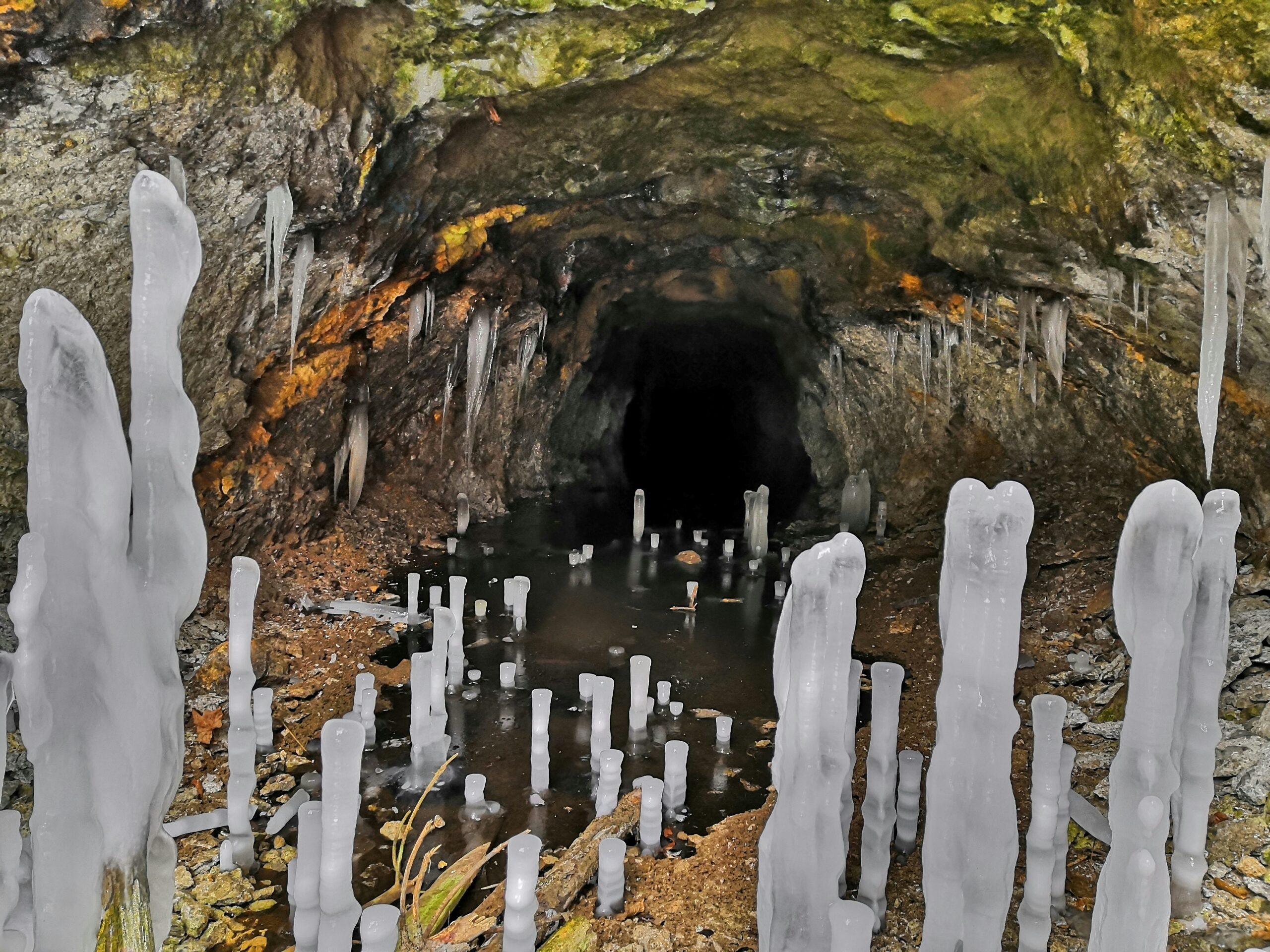
Caves and rock overhangs were the most coveted forms of natural shelter. These geological formations offered immediate protection from the elements, acting as natural insulators against the wind and snow. Their inherent structure often provided a degree of warmth, especially if they had narrow entrances that could be easily blocked and deeper chambers that retained heat. Archaeological evidence, such as the accumulation of hearths and discarded tools, confirms that caves were not just temporary refuges but often occupied for extended periods, becoming the focal points of Paleolithic communities during the winter months. The selection of a suitable cave was crucial. Sites facing south received more sunlight, offering a welcome warmth during the short winter days. Proximity to water sources, even if frozen, and hunting grounds was also a significant factor. The dampness and potential for animal intrusion were drawbacks, but the benefits of shelter far outweighed these risks.
Building a Haven: Artificial Shelters
When natural shelters were scarce or insufficient, cavemen possessed the skills to construct their own. These artificial dwellings, often found at open-air sites, demonstrate a sophisticated understanding of materials and construction techniques. The most common form of artificial shelter was the mammoth-bone hut. These robust structures, built using the massive ribs and skulls of mammoths, were covered with animal hides, turf, and branches. The curved shape of the mammoth bones provided structural integrity, while the thick layers of covering offered excellent insulation. Evidence suggests these huts could be quite large, housing entire family groups or small bands. The strategic placement of these shelters was also important, often in sheltered valleys or on the leeward side of hills to minimize exposure to prevailing winds. The entrances were typically small and could be covered with hides to further retain heat.
The Art of Layering: Clothing and Hides
Beyond shelter, personal insulation was paramount. Cavemen were masters of utilizing animal hides for clothing. These garments, meticulously crafted from the skins of prey animals like mammoths, reindeer, and bison, provided essential protection against the cold. The process involved stripping the flesh, de-hairing, and then softening the hides through chewing or scraping. The fur was often worn on the inside, trapping body heat effectively. Multiple layers of hide were common, with outer garments offering protection from wind and rain, while inner layers provided warmth. The complexity of their clothing likely evolved over time, with evidence of sophisticated stitching and tailoring. Bone needles and sinew for thread suggest an ability to create fitted garments that minimized heat loss. Access to a variety of animal skins was crucial, as different animals offered varying degrees of warmth and water resistance.
Cavemen, or early humans, developed various survival strategies to endure the harsh conditions of the Ice Age winter, including the use of fire for warmth, the construction of shelters, and the hunting of large game. Their ability to adapt to extreme environments is a fascinating topic that connects to the broader understanding of ancient human ingenuity. For more insights into the remarkable engineering feats of our ancestors, you can read about it in this related article: Uncovering Ancient Engineering Marvels.
Fueling the Flame: Fire and Heat Management

Fire was arguably the most transformative technology for early humans, and its importance was amplified tenfold during the harsh realities of an Ice Age winter. It was the ultimate source of warmth, a vital tool for survival, and a psychological comfort against the encroaching darkness and cold.
The Hearth of Life: Maintaining and Utilizing Fire
The ability to create and, more importantly, maintain fire was a skill honed over generations. While the initial spark might have been achieved through friction methods like fire drills or by striking flint against pyrite, the challenge in winter was keeping the embers alive. Cavemen likely developed methods for carefully tending fires, adding fuel consistently to prevent them from dying out. The placement of hearths within shelters was strategic, often in the center to radiate heat throughout the dwelling, or near the entrance to ward off cold drafts. The smoke generated was an unavoidable consequence, but it also served a purpose, driving away insects and, perhaps, some predators. The process of preparing fuel was a constant winter chore, requiring the collection and drying of wood, dung, and other combustible materials.
The Multifaceted Power of Flame
Fire’s role extended far beyond mere warmth. It was indispensable for processing food, making it more digestible and safer to consume. Roasting meat rendered it tender and palatable, while boiling and stewing, though perhaps less common in the earliest stages, would have offered further advantages. Fire was also used for hardening wooden tools, creating sharp spear tips and digging sticks. In the long, dark nights of winter, fire provided light, extending the usable hours for activities and offering a crucial psychological buffer against the fear of the unknown outside. The flickering flames, combined with the warmth and security of a well-built shelter, fostered a sense of community and resilience within the group.
Sustaining the Body: Food Procurement and Preservation

The scarcity of resources during an Ice Age winter presented a significant hurdle to survival. Hunting became more challenging as prey animals were fewer and often moved to more sheltered regions. Gathering edible plants was severely limited by the frozen landscape. Therefore, cavemen had to develop sophisticated strategies for obtaining and preserving food to see them through the lean months.
The Relentless Hunter: Adapting Prey and Techniques
The primary source of sustenance for cavemen was meat, obtained through hunting. During winter, they focused on animals that were more adapted to the cold, such as mammoths, woolly rhinoceroses, and reindeer. Hunting these large and dangerous animals required immense courage, skill, and coordinated group effort. They employed a variety of hunting techniques. Pitfalls, disguised with branches and snow, were used to trap unwary animals. Spears, often tipped with sharpened stone or bone, were hurled from a distance or used in close-quarters combat. The development of projectile weapons, like the spear-thrower (atlatl), significantly increased their hunting range and effectiveness. Understanding animal behavior, migration patterns, and breeding cycles was crucial for successful hunts. They would track animals to their wintering grounds or ambush them at water sources.
The Art of the Larder: Food Storage and Preservation
With successful hunts, the challenge shifted to preserving the bounty for the lean winter months. Drying was a primary method. Thin strips of meat were hung near fires or in windy, exposed locations to remove moisture, inhibiting bacterial growth. Smoking, a more complex process, also helped preserve meat and added flavor. Freezing was a natural ally; meat placed in the icy outdoors would freeze solid, effectively preserving it until needed. This allowed for a more consistent food supply, reducing the reliance on daily hunts. The careful butchering of carcasses ensured that every edible part was utilized, from muscle meat to organs and bone marrow, minimizing waste. The ability to store food, even in a primitive form, provided a crucial buffer against the unpredictable nature of winter hunting.
Navigating the Social Landscape: Community and Cooperation
Survival in the face of extreme environmental pressures was rarely a solitary endeavor. The Ice Age winters fostered strong social bonds and necessitated a high degree of cooperation within human groups. Collective action was essential for hunting, shelter maintenance, and the protection of the community.
The Strength of the Collective: Group Hunting and Defense
Large game hunting, as mentioned, was often a collaborative effort. A successful hunt required multiple individuals to track, corner, and bring down large animals. The division of labor was evident, with some individuals likely acting as beaters, others as spear-throwers, and still others as those who would finish the kill. This cooperation extended to defense. Small bands of humans were vulnerable to large predators, and a united front offered greater protection. The shared experience of enduring hardship also forged strong communal bonds. Storytelling, rituals, and shared meals around the fire would have solidified group identity and fostered mutual reliance. The ability to communicate effectively, even through rudimentary language, was vital for coordinating these collective activities.
The Transfer of Knowledge: Learning and Adaptation
The survival of future generations depended on the successful transmission of knowledge and skills. Elders played a crucial role in teaching younger members of the group about hunting techniques, animal behavior, plant identification, and the intricacies of shelter construction and fire maintenance. This oral tradition was the backbone of their educational system. The long winter months, while challenging, also provided opportunities for such knowledge transfer. As the weather confined groups to their shelters, it was an ideal time for the passing down of lore, skills, and wisdom from one generation to the next. This continuous learning and adaptation ensured that human groups could overcome new challenges and exploit emerging opportunities as the Ice Age environment slowly evolved.
Cavemen developed various survival strategies to endure the harsh conditions of the Ice Age winter, relying on their ingenuity and resourcefulness. They constructed sturdy shelters, utilized fire for warmth and cooking, and hunted large game for sustenance. Understanding how ancient humans adapted to extreme climates can provide valuable insights into our current challenges with climate change. For a deeper exploration of how environmental shifts impact human life, you can read more in this article about rising sea levels and extreme weather at climate change impact.
Enduring the Chill: Resourcefulness and Innovation
| Survival Strategy | Description | Effectiveness | Evidence |
|---|---|---|---|
| Use of Animal Fur and Skins | Wearing thick animal hides to insulate against cold temperatures. | High – Provided essential warmth and protection from wind. | Archaeological findings of sewn animal skins and bone needles. |
| Fire Making | Creating and maintaining fires for warmth, cooking, and protection. | High – Crucial for survival in freezing conditions. | Charcoal and hearth remains found in cave sites. |
| Living in Caves and Shelters | Using natural shelters or constructing windbreaks to reduce exposure. | Moderate to High – Provided shelter from harsh weather. | Cave paintings and habitation layers in caves. |
| Hunting Large Ice Age Animals | Targeting megafauna like mammoths and reindeer for food and materials. | High – Supplied food, clothing, and tools. | Butchery marks on bones and hunting tools found. |
| Group Cooperation | Sharing resources and working together to increase survival chances. | High – Enhanced efficiency in hunting and protection. | Evidence of communal living and shared tool use. |
| Seasonal Migration | Moving to more hospitable areas during the coldest months. | Moderate – Allowed access to better resources. | Patterns of tool distribution and animal remains suggest movement. |
The Ice Age winters were a crucible that forged the resourcefulness and innovative spirit of early humans. Faced with seemingly insurmountable challenges, they consistently found ingenious solutions, demonstrating a remarkable capacity for adaptation and problem-solving.
Tools of Survival: Crafting and Innovation
The development and refinement of tools were central to their survival. Stone tools, such as hand axes, scrapers, and knives, were essential for butchering animals, preparing hides, and processing food. Bone tools, like awls and needles, facilitated the creation of clothing. The use of wood for spears, digging sticks, and shelter construction was also widespread. What is remarkable is the continuous improvement and diversification of these tools. Evidence suggests a gradual evolution from simpler, less refined implements to more specialized and efficient tools. The invention of the spear-thrower, for example, was a significant leap in hunting technology. This constant drive for improvement, fueled by the necessity of survival, highlights their innate innovative nature.
Observing the World: Understanding Nature’s Cycles
Perhaps the most profound strategy for Ice Age survival was the deep understanding of the natural world. Cavemen were keen observers of animal behavior, weather patterns, and the seasonal cycles of plants and animals. They learned to predict the arrival of migratory herds, the signs of changing weather, and the locations of crucial resources. This intimate knowledge allowed them to plan their activities, anticipate challenges, and exploit opportunities. For instance, understanding that certain plants became edible after a frost or that specific animal tracks indicated a nearby water source could be the difference between life and death. This observational prowess, combined with their technological innovations and social cooperation, allowed them to not only endure the brutal Ice Age winters but to thrive and spread across the globe. Their resilience in the face of extreme adversity serves as a powerful reminder of the enduring strength and ingenuity of the human spirit.