
The gnawing chill of a prehistoric winter demanded more than just brute strength and a thick hide; it required ingenuity, foresight, and the mastery of fire. For early human boys, growing into the providers and protectors of their kin, the ability to conjure and sustain warmth was a fundamental skill, directly linked to survival. This skill was not solely about the act of striking flint against steel, or the careful tending of embers. It began much earlier, with the meticulous preparation and safeguarding of the very spark that would ignite their world: tinder. And in the harsh embrace of a frozen landscape, the most reliable method for protecting this precious commodity was to wrap it securely within the insulating layers of their winter clothing.
The Perilous Necessity of Fire
Fire, for early hominins, was not merely a convenience; it was a cornerstone of existence. It offered protection from predators, a means to cook food making it more digestible and safer, and most crucially, a shield against the relentless cold that could claim lives with brutal efficiency. The ability to create fire on demand, or at least to carry a live ember from one location to another, was a significant evolutionary advantage. This capacity, however, was entirely dependent on the presence and proper management of tinder. Without it, even the most skilled flint-knapper would be left with nothing but cold, hard rock.
The Unseen Role of the Young Male
While the image of the strong hunter often dominates our understanding of early human societies, the roles of younger males were equally vital, albeit often less celebrated. Boys were not just passive recipients of protection; they were active participants in the daily struggle for survival. Their developing physical capabilities were harnessed for tasks like gathering, carrying, and crucially, learning and practicing the essential skills that would define their adulthood. The preservation of fire-starting materials, therefore, fell squarely within their burgeoning responsibilities. They were the apprentices of survival, entrusted with the crucial task of ensuring the continuity of warmth and light.
The Intrinsic Value of Tinder
Tinder, in its raw form, is a notoriously fickle substance. It requires careful selection, meticulous drying, and constant protection from moisture and wind. Dry grasses, shredded bark, fluffy seed heads, and even the inner fibers of certain plants, when properly prepared, can ignite with the smallest spark. However, these materials are easily degraded by dew, rain, or the simple humidity of the air. The consequences of damp tinder were dire: a failed fire meant a colder night, a potentially spoiled meal, and a diminished chance of repelling nocturnal threats. The inherent value of tinder, therefore, was immense, directly translating to the survival and well-being of the entire group.
In exploring the survival strategies of early humans, particularly how young boys managed to hold tinder wrapping inside their winter clothing, one can gain further insight into their ingenious methods of adapting to harsh environments. This topic is closely related to the article on ancient engineering marvels, which discusses the innovative techniques and tools used by our ancestors to thrive in challenging conditions. For a deeper understanding of these remarkable adaptations, you can read more in the article Uncovering Ancient Engineering Marvels.
Crafting and Conserving Portable Fire
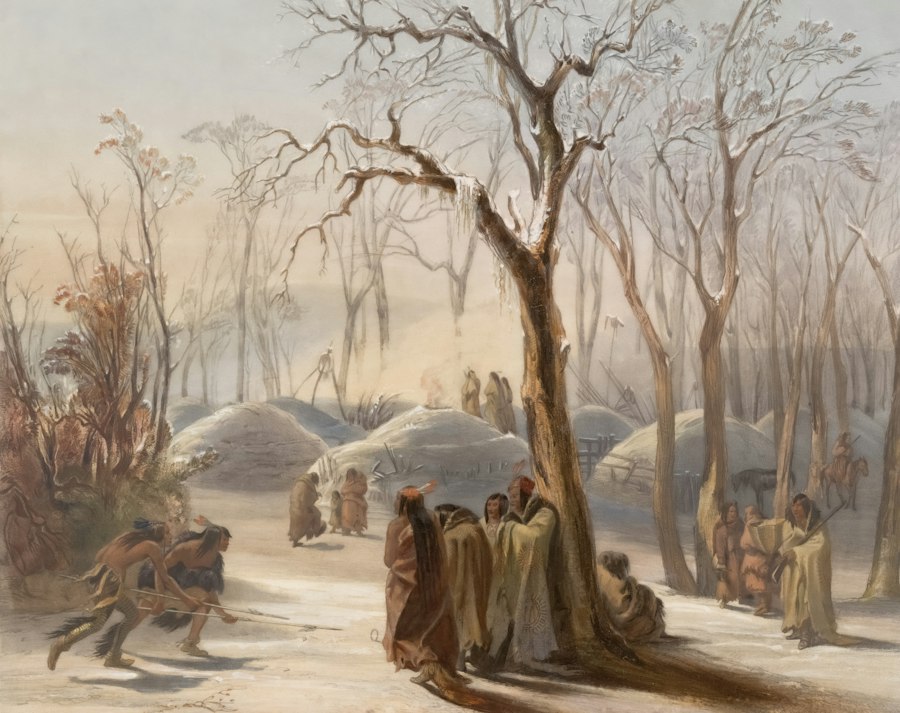
The creation of effective tinder was an art form in itself, a skill honed through observation and repeated practice. Young boys would have been taught to identify the most suitable natural materials, often during the warmer months when these resources were more abundant. The process of preparing tinder was not a passive one; it involved diligent effort in collecting, drying, and processing these materials to maximize their flammability.
The Subtle Art of Material Selection
The selection of tinder materials was a nuanced process, dependent on the local flora and the prevailing environmental conditions. Boys would have been trained to recognize the subtle differences between various plant fibers, understanding which ones held the greatest potential for ignition. Fine, fluffy materials that readily caught a spark were prized. This might include the downy seeds of certain reeds or thistles, the dry, fibrous inner bark of trees like birch, or even the fine, wispy remnants of decaying plant matter that had been kept dry. The knowledge of which plants provided the best tinder would have been passed down through generations, a vital component of their ecological understanding.
Preparing for Ignitions: Drying and Processing
Once collected, tinder materials needed to be thoroughly dried. This was often achieved by leaving them exposed to the sun and wind in protected locations, such as the interiors of rock shelters or near the warmth of existing fires. Boys would have been tasked with spreading out the gathered materials, turning them periodically to ensure even drying. Further processing might involve shredding or fluffing the fibers to increase their surface area and improve their ability to ignite from a small spark. This hands-on involvement in preparing the tinder instilled a deeper appreciation for its importance and the effort required to make it functional.
The Challenge of Moisture: A Constant Threat
The ever-present threat of moisture loomed large in the minds of early humans. Dew, fog, rain, and even the condensation that forms on surfaces during colder periods could render even the most meticulously prepared tinder useless. This constant battle against dampness underscored the necessity of a robust and reliable method for storing and transporting tinder, ensuring its readiness for use when needed most.
The Ingenious Integration with Winter Attire
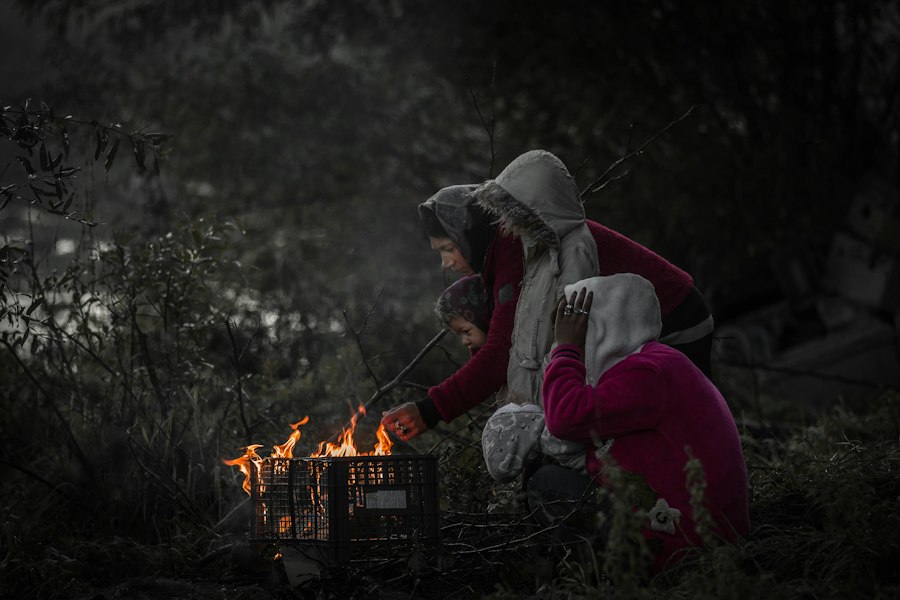
The winter clothing of early humans, far from being mere adornments, were functional marvels of adaptation. Constructed from animal hides and furs, these garments provided essential insulation against the biting cold. It was within the very structure of this protective clothing that a clever solution for tinder preservation was ingeniously implemented.
Layers of Protection: Understanding the Garment
Early human winter clothing would have comprised multiple layers, each serving a specific purpose. The innermost layers, often made from softer furs or cured hides, would have been in direct contact with the skin, providing a degree of warmth and comfort. Outer layers, constructed from thicker and more robust materials, offered protection against wind and the elements. The effectiveness of these garments lay in their ability to trap air, creating insulating pockets that slowed heat loss from the body.
Strategic Compartments: Beyond Simple Pockets
While modern clothing features dedicated pockets, early human attire likely relied on more rudimentary, yet equally effective, methods of creating storage spaces. These could have been created by sewing or stitching together sections of hide, forming internal pouches or loops. It is within these strategically placed compartments that the tinder would have been carefully placed. The natural bulk and insulating properties of the fur and hide surrounding these internal spaces would have offered a significant degree of protection from external moisture and temperature fluctuations.
The Cloak as a Fire Sanctuary
Imagine a young boy, wrapped in a thick, fur-lined cloak. Within the layers of this garment, carefully tucked away in a small, stitched pouch, lies his precious tinder. The fur of the cloak, dense and insulating, acts as a buffer against the frigid air. The body heat of the boy, radiating outwards, further contributes to keeping the tinder dry and warm. This intimate connection between the boy’s own warmth and the preservation of the tinder was a symbiotic relationship, ensuring the potential for fire was always at hand.
The Boy’s Burden: A Shared Responsibility
Carrying tinder was not just a solitary chore; it was a critical aspect of a boy’s integration into the collective survival strategy of his group. This responsibility instilled a sense of purpose and contributed to the development of essential life skills and social cohesion.
Learning the Art of the Spark
The act of carrying tinder was often intertwined with the learning process of fire-making itself. Boys would have observed elders, practiced striking stones, and learned the delicate art of coaxing a flame from the tinder they had so carefully preserved. Their role in safeguarding the tinder was a direct investment in their own education and their ability to contribute to the group’s well-being. This hands-on experience fostered a deep understanding of the fire’s significance.
The Weight of Expectation: A Measure of Maturity
Entrusting a young boy with the responsibility of carrying tinder was a significant marker of his growing maturity. It signified that he was deemed capable of understanding its importance and of exercising the necessary care to protect it. This burden, though seemingly small, carried the weight of expectation and was a testament to the trust placed in him by the elder members of the community. It was a subtle yet powerful way of integrating him into the adult world and its vital responsibilities.
The Collective Benefit: A Fire for All
The tinder carried by one boy was not solely for his personal use. It was a resource for the entire group. If the main fire was extinguished, or if a new camp needed to be established, his carefully guarded tinder could be the key to relighting the flames. This understanding of shared benefit fostered a sense of communal responsibility and reinforced the interconnectedness of their survival. The individual act of preservation contributed directly to the collective good.
In exploring the survival strategies of early humans, one fascinating aspect is how young boys managed to keep tinder wrapped inside their winter clothing, ensuring they could start fires even in the harshest conditions. This practice not only highlights their ingenuity but also reflects the importance of fire in their daily lives. For a deeper understanding of ancient survival techniques and community practices, you might find it interesting to read about the fortifications of early civilizations in this related article on ancient city secrets here.
The Enduring Legacy of Portable Fire
| Metric | Observation | Explanation |
|---|---|---|
| Grip Technique | Firm pinch between thumb and forefinger | Allowed secure holding of tinder without dropping it inside bulky winter clothing |
| Placement | Inside inner layers near chest or waist | Protected tinder from moisture and cold, ensuring it stayed dry and ignitable |
| Wrapping Material | Animal hide or bark strips | Provided insulation and protection for tinder against wind and snow |
| Hand Mobility | Limited by thick clothing layers | Required careful manipulation to avoid crushing tinder or dropping it |
| Use of Tools | Occasional use of small wooden or bone containers | Helped in safely storing tinder and facilitating fire-starting in cold conditions |
The practice of wrapping tinder within winter clothing, though seemingly a simple adaptation, represents a profound leap in early human ingenuity. It speaks to a sophisticated understanding of material properties, environmental challenges, and the crucial role of fire in their lives. This seemingly minor detail highlights the complex strategies early humans employed to not just survive, but to thrive in some of the most challenging environments imaginable.
A Foundation for Technological Advancement
The ability to reliably carry and preserve fire-starting materials was a fundamental stepping stone for future technological advancements. It allowed for greater mobility, enabling groups to migrate and explore new territories without the constant fear of losing their essential source of warmth and safety. This mastery of portable fire laid the groundwork for more complex tools and techniques related to fire management and utilization.
The Transmission of Knowledge: A Silent Inheritance
The knowledge of how to prepare and carry tinder, integrated within the very fabric of their winter attire, was passed down through generations. This practice, woven into the fabric of daily life, ensured that this vital survival skill was never lost. It was a silent inheritance, a practical lesson learned through observation and participation, that enabled humanity to conquer the cold and spread across the globe.
Echoes in Modern Practices
While modern technology has largely obviated the need for carrying tinder in our clothing, the underlying principles remain relevant. We still seek to protect sensitive materials from the elements, and we understand the importance of having reliable tools at hand when needed. The early human boy, carefully tucking his precious tinder into the warmth of his fur cloak, was engaging in an act of foresight and preparedness that resonates even today, a testament to the enduring power of human innovation in the face of adversity.

Life 20,000 Years Ago | When an Ice Age Wildfire Traps Your Primitive Family
FAQs
What is tinder wrapping and why was it important for early human boys?
Tinder wrapping refers to the method of storing and protecting tinder, which is a material used to start fires. For early human boys, having access to tinder was crucial for survival, especially during winter months when warmth and cooking were essential. Properly wrapping and storing tinder ensured it remained dry and usable, even in harsh weather conditions.
How did early human boys create tinder wrapping?
Early human boys likely used natural materials available in their environment to create tinder wrapping. This could include animal hides, plant fibers, or bark. These materials were chosen for their ability to insulate and protect the tinder from moisture and cold, ensuring it remained effective for fire-starting.
What types of clothing did early human boys wear during winter?
During winter, early human boys typically wore layered clothing made from animal skins and furs. These materials provided insulation and protection against the cold. The clothing was often designed to be functional, allowing for movement while also providing pockets or pouches where tinder wrapping could be securely stored.
How did early human boys keep their tinder wrapping dry in winter clothing?
To keep their tinder wrapping dry, early human boys would likely place it in insulated pockets or compartments within their winter clothing. They may have also used waterproof materials or techniques, such as oiling animal hides, to create barriers against moisture, ensuring that the tinder remained dry and ready for use.
What survival skills did early human boys learn related to fire-making?
Early human boys learned various survival skills related to fire-making, including how to identify and gather suitable tinder, kindling, and fuel. They also practiced techniques for striking sparks, such as using flint and steel or friction methods. These skills were essential for creating warmth, cooking food, and providing light, making them vital for survival in winter conditions.