
The early human experience was a constant dance with an unforgiving environment. For our ancestors, traversing the rugged landscapes of prehistoric Earth was not a leisurely stroll but a critical undertaking, essential for survival, resource acquisition, and the perpetuation of their lineage. Among the myriad challenges they faced, the safe navigation of rocky paths, particularly with the precious cargo of small children, stands out as a testament to their ingenuity, social structures, and intimate understanding of their surroundings. The very fabric of early human family life was interwoven with strategies designed to mitigate the inherent dangers of their terrain, ensuring the continuation of their kind against formidable odds. This was not merely about physical endurance; it was a sophisticated interplay of learned behaviors, communal support, and an innate adaptability that allowed them to thrive.
The Intrinsic Dangers of Rocky Terrain for the Vulnerable
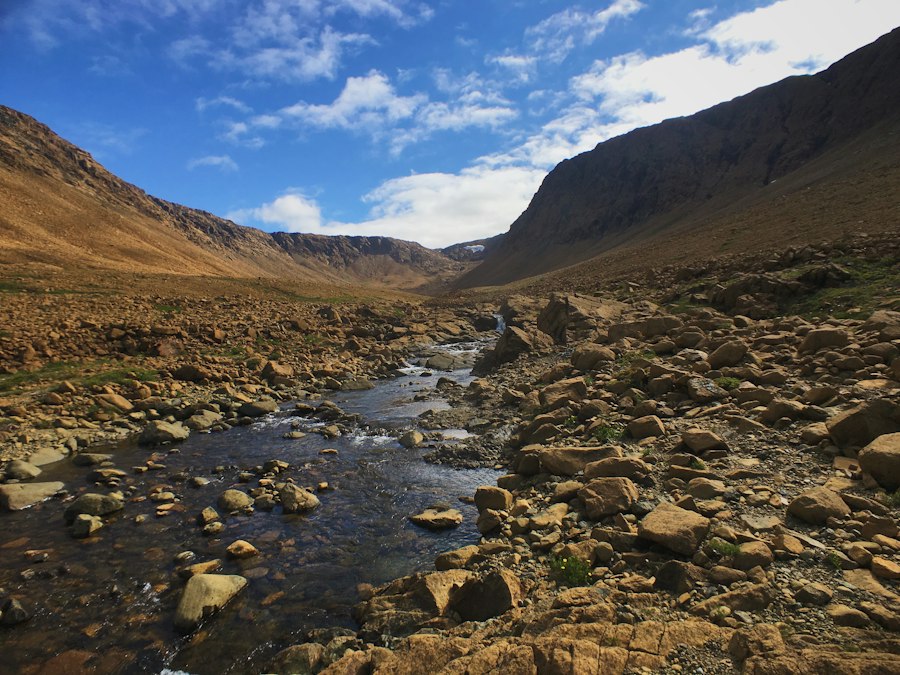
The world of early humans was far from the manicured pathways we often associate with modern life. Rocky terrains presented a multitude of perils, amplified exponentially when small, unsteady limbs were involved. The uneven surfaces, characterized by loose scree, sharp outcrops, and sudden drops, were a constant threat to footing. A misplaced step could lead to a sprained ankle, a broken bone, or a fall that could have catastrophic consequences, especially for the youngest members of the group. These dangers were not abstract; they were immediate and ever-present, shaping the daily routines and long-term survival strategies of early human families. The very act of moving, a fundamental aspect of existence, became an exercise in calculated risk management.
Slips, Falls, and the Fragility of Childhood
The inherent instability of rocky ground posed a direct and significant threat to young children. Their developing motor skills and smaller stature made them particularly susceptible to losing their balance. A stumble on a loose stone could easily result in a tumble down a slope, potentially leading to serious injury. The difference in scale was crucial; what might be a minor inconvenience for an adult – a slightly awkward step or a brief loss of balance – could be a life-altering event for a toddler. The sheer fragility of their bodies meant that even seemingly minor falls could result in fractures, dislocations, or internal injuries, rendering them immobile and placing an immense burden on the protective adults.
Environmental Hazards Beyond the Immediate Path
Beyond the direct threat of falling, rocky environments harbored other dangers that indirectly impacted the safety of children. Sharp rocks could cause deep lacerations, leading to infection in a world without antiseptic care. Hidden crevices and holes could trap small limbs, leading to panic and potentially serious injury or even suffocation. The presence of venomous creatures, such as snakes and scorpions, often found in rocky habitats, added another layer of anxiety. A child venturing too close to a den or disturbing a nest could face a venomous bite, a life-threatening situation that required immediate, albeit rudimentary, intervention. The landscape itself, with its potential for rockfalls and landslides, presented a constant, underlying risk that necessitated vigilance.
The Psychological Toll of Constant Vigilance
The mental burden on early human parents and caregivers, tasked with safeguarding their young in such environments, cannot be overstated. The constant need for vigilance, the perpetual scanning of the path ahead and behind, the heightened awareness of every sound and movement – all of this would have been mentally exhausting. This was not a task undertaken by a single individual but a collective responsibility, woven into the social fabric of the group. The psychological stress of ensuring the safety of the most vulnerable members undoubtedly shaped the decision-making processes and the very character of these early family units. The weight of responsibility was a constant companion, demanding unwavering attention and a profound understanding of potential dangers.
Early human families faced numerous challenges as they navigated rocky paths, especially when accompanied by small children. The need for safety and resourcefulness was paramount, as they sought to protect their young while traversing difficult terrains. This struggle is reminiscent of the broader themes of survival and adaptation found in various environments, much like the exploration of lunar resources discussed in a related article. For more insights into how humans have historically exploited resources in challenging conditions, you can read about it in this article: Exploiting Lunar Resources: The Commercial Frontier.
Strategies for Safe Passage: The Adult’s Role as Guardian
The successful navigation of rocky terrain with small children was unequivocally dependent on the proactive and multifaceted strategies employed by the adults within the family unit. These were not merely instinctive reactions but learned skills passed down through generations, honed by experience and the undeniable imperative of survival. The adult acted as a living shield, a skilled guide, and an adaptive problem-solver, orchestrating movement to minimize risk. Their actions were a deliberate and often intricate dance of protection, prioritizing the well-being of the young above all else.
Carrying and Securing the Young: The Primary Defense
The most direct and perhaps most prevalent strategy was the physical carrying and securing of young children. For infants and very young toddlers, this meant being cradled in arms, secured in simple slings made from animal hides or woven plant fibers, or carried on the back. This method offered immediate protection from the uneven ground and provided a stable, secure vantage point. The close physical contact also allowed for constant monitoring of the child’s comfort and immediate response to any distress. The weight of a child, while a physical challenge, was a necessary burden that represented the future of the lineage. The design and use of these carrying devices, though rudimentary, were highly evolved, designed for both comfort and security, distributing weight effectively for longer journeys.
Leading by Hand and Providing Physical Support
As children grew and began to walk, the strategy shifted to a more interactive form of guidance. Leading by hand was paramount. The adult would firmly grasp the child’s hand, providing a direct connection and immediate control over their movement. This allowed the adult to anticipate missteps, gently steer the child away from hazards, and provide a stabilizing force. In particularly treacherous sections, the adult might place a hand on the child’s back or shoulder, offering an additional point of balance and support. This physical connection was more than just guidance; it was a constant reassurance, a tangible manifestation of the adult’s protective presence. The grip was firm but not constricting, a delicate balance of control and freedom of movement.
Pathfinding and Hazard Identification: The Expert Eye
The adult’s role extended far beyond simply walking beside the child; it involved an acute awareness of the environment. They acted as expert pathfinders, their eyes constantly scanning the terrain ahead, identifying potential dangers before the child even encountered them. This involved recognizing loose rocks, unstable ledges, slippery patches, and areas with hidden pitfalls. They would actively choose the safest route, often taking a slightly longer but more secure path. This proactive approach meant they were constantly making micro-decisions about every step, factoring in the child’s capabilities and limitations. Their knowledge of the local geography, honed over years of experience, was an invaluable tool in this process. They understood which rocks were likely to shift, which slopes offered better traction, and which areas were prone to erosion.
Creating Temporary Supports and Modifications
In situations where the path presented an insurmountable obstacle for a young child, early humans demonstrated remarkable ingenuity in modifying the environment. This could involve dislodging loose rocks to create a more stable surface, using branches or larger stones to build makeshift steps, or even creating temporary handholds on steeper sections. These were not permanent alterations but adaptive solutions designed to facilitate safe passage for the current journey. This problem-solving approach highlighted a deep understanding of physics and leverage, applied pragmatically to overcome immediate challenges. The ability to improvise and adapt the landscape to their needs was a crucial survival skill.
Collaborative Care: The Extended Family and Social Network
Early human families did not operate in isolation. The demands of survival, particularly in challenging environments, necessitated a strong social structure and a collaborative approach to childcare. The safe passage of small children over rocky paths was a communal effort, where the responsibilities of protection and guidance were shared among a wider network of individuals. This extended family unit, and often the wider social group, provided a crucial safety net, ensuring that no single adult was solely burdened with the immense task of safeguarding the vulnerable. The collective wisdom and diverse capabilities of the group contributed to a robust system of protection.
Sharing the Load: Shifting Carrying Duties
The physical act of carrying children over long distances or difficult terrain could be exhausting for any single individual. Within the extended family, these duties were often shared. As one adult became fatigued, another would step in to carry the child, allowing for rest and a more consistent level of vigilance. This also meant that children were exposed to different members of the family, fostering strong bonds and a sense of belonging across generations. The process of transferring a child from one caregiver to another was likely a smooth, practiced ritual, a testament to the synchronized efforts of the group.
The Role of Older Siblings and Grandparents
Older siblings, even those who were themselves still young, often played a significant role in assisting with the care of younger children. They could help by carrying smaller items, keeping an eye on a child who was walking independently, or simply providing companionship and distraction. Grandparents, with their accumulated experience and wisdom, were invaluable in guiding younger parents, offering advice, and taking on a share of the childcare responsibilities. This intergenerational collaboration ensured a constant presence of watchful eyes and supportive hands, making the journey safer and less stressful for all involved. The younger ones learned by observation and participation, absorbing the knowledge and skills necessary for their own future roles.
Communal Vigilance: A Collective Watchfulness
When the group traversed rocky paths, the responsibility for vigilance was not confined to the immediate caregiver. The entire group maintained a collective watchfulness. Individuals in the front would scout ahead, those in the middle would monitor the children, and those at the rear would ensure no one was left behind or fell out of sight. This distributed attention meant that dangers were more likely to be spotted and addressed quickly. The rhythm of the group’s movement was orchestrated to maximize this collective awareness, with individuals maintaining a proximity that allowed for mutual observation and assistance. The sounds of the group – calls, songs, or simple verbal cues – also served to keep everyone connected and aware of each other’s location.
Teaching and Mentoring: Passing Down Essential Skills
The process of navigating rocky terrain was also a crucial learning opportunity for older children who were not yet considered adults. They would observe the strategies employed by their elders, learn to identify hazards, and practice carrying younger siblings or assisting in other ways. This informal education was vital for equipping the next generation with the skills necessary for their own future journeys and the survival of the group. The communal setting provided a natural laboratory for this knowledge transfer, where mistakes could be made under supervision and lessons learned in a low-risk environment. The emphasis was on active participation and observation, fostering a deep understanding of the natural world.
Sensory Acuity and Environmental Knowledge: Reading the Landscape
The ability to safely navigate treacherous terrain was deeply intertwined with a highly developed sensory acuity and an encyclopedic knowledge of the natural world. Early humans were intimately connected to their environment, able to read subtle cues that would be imperceptible to the modern observer. This understanding went beyond simply seeing the path; it involved listening to the wind, feeling the ground, and recognizing the signs of changing weather and animal activity, all of which contributed to a safer journey for the family. Their senses were finely tuned instruments, constantly processing a wealth of information.
Auditory Cues: Listening for Danger and Opportunity
Sound played a critical role in navigating rocky environments. The rustle of leaves, the subtle shifting of stones, the distant rumble of a potential rockfall – all provided valuable information. Early humans could distinguish between the sounds of harmless animals and those that posed a threat. They could also interpret the sound of water, indicating a potential source of drinking water or a crossing point that might be dangerous after heavy rain. The ability to pinpoint the direction and proximity of sounds was essential for anticipating danger and making informed decisions about the safest route. The faintest whisper of movement could signal a predator or a potential hazard.
Tactile Perception: Feeling the Ground Beneath Their Feet
The soles of early human feet were likely far more sensitive than those of modern humans, accustomed to soft surfaces. They could feel the texture of the ground, the subtle vibrations that indicated instability, and the temperature that might hint at hidden moisture or dry, slippery patches. This tactile feedback allowed them to adapt their gait and weight distribution to the terrain, preventing slips and falls. When carrying a child, they could also feel the child’s movements and adjust their own posture to maintain balance. This intimate connection with the earth provided a constant stream of data that informed every step.
Visual Acuity and Pattern Recognition
While visual acuity is a given, the interpretation of visual information was particularly sophisticated. Early humans were adept at recognizing patterns in the landscape that indicated safe passage or potential danger. They could distinguish between stable rock formations and those that were weathered and prone to collapse. They could identify animal trails that often led to reliable water sources or safer routes. Their ability to scan the horizon for signs of approaching weather or other groups was also crucial for planning journeys and avoiding unnecessary risks. The subtle variations in color and texture of rocks and soil could reveal hidden weaknesses or potential footholds.
Understanding Animal Behavior and Ecology
Knowledge of local fauna was a critical component of safe navigation. Early humans understood the habits of animals that inhabited rocky areas, knowing where they denned, their migratory patterns, and their typical behaviors. This knowledge allowed them to avoid areas where dangerous predators might be present, to anticipate encounters with potentially aggressive animals, and to utilize animal trails that were likely to be safe and lead to resources. The presence or absence of certain animal signs – tracks, droppings, or alarm calls – could provide crucial warnings or reassurances. This ecological understanding was a living, breathing knowledge base, constantly updated through observation and experience.
Early human families faced numerous challenges as they navigated rocky paths with small children in tow, relying on their resourcefulness and resilience to ensure their survival. The dynamics of these journeys not only shaped their physical environment but also influenced their social structures and relationships. For a deeper understanding of how ancient explorers adapted to harsh terrains, you can read more in the article about ancient mariners and their maps at this link. This exploration sheds light on the strategies employed by early humans to traverse difficult landscapes, highlighting the ingenuity that has been passed down through generations.
Adaptation and Ingenuity: Shaping the Journey for the Young
| Method | Description | Advantages | Challenges | Estimated Effectiveness |
|---|---|---|---|---|
| Hand-Holding and Physical Support | Adults held children’s hands or carried them to ensure stability on uneven terrain. | Direct control, immediate assistance, strong safety. | Limited mobility for adults, fatigue from carrying. | High for short distances |
| Use of Natural Paths | Following animal trails or naturally smoother routes to avoid difficult rocky areas. | Reduced risk of falls, easier navigation. | Longer travel distance, limited path availability. | Moderate to High |
| Carrying Children in Slings or Wraps | Using animal skins or woven materials to secure children to adults’ bodies. | Hands-free movement, close contact for safety. | Requires skill to secure, limited child movement. | High |
| Building Temporary Bridges or Supports | Using branches, stones, or logs to create stable crossing points. | Improved safety, reusable structures. | Time-consuming, resource-dependent. | Moderate |
| Teaching Children to Navigate | Gradually training children to walk carefully and choose safe footholds. | Long-term independence, skill development. | Risk of falls during learning phase. | Low to Moderate initially, improving over time |
The inherent adaptability and ingenuity of early humans were perhaps their greatest assets when it came to safely navigating challenging environments with their young. They were not passive recipients of their surroundings but active participants, constantly seeking solutions to overcome obstacles and make the journey as secure as possible for their most vulnerable family members. This was a testament to their problem-solving skills and their deep-seated drive to ensure the survival and well-being of their lineage. Their ability to think creatively and practically was the bedrock of their success.
Developing Specific Gaits and Techniques for Children
As children gained their mobility, adults developed and taught them specific gaits and techniques for traversing rocky paths. This might have involved teaching them to place their feet deliberately, to test the stability of stones before putting their full weight on them, and to maintain a low center of gravity. Adults would model these techniques, often breaking down complex movements into smaller, more manageable steps. This gradual process of skill acquisition ensured that children developed the necessary abilities to navigate the terrain safely as they grew. The emphasis was on slow, deliberate movements, prioritizing stability over speed.
Building Temporary Aids and Gripping Points
When the terrain became particularly challenging, adults would not hesitate to create temporary aids for their children. This could involve using their own bodies as a living ladder, allowing a child to climb over a difficult section, or using branches and rocks to create makeshift handholds. They might also clear debris from a path to make it more even or stable. These interventions were tailored to the specific needs of the child and the challenges of the particular section of the path, demonstrating a high degree of situational awareness and problem-solving. The adult’s willingness to expend energy and adapt the environment for the child underscores the value placed on their safety.
The Power of Patience and Rhythmic Movement
The success of navigating rocky paths with young children was also a matter of patience and rhythm. Adults understood that rushing a child through difficult terrain was counterproductive and dangerous. They would allow children to move at their own pace, offering encouragement and support. The group’s movement would often adopt a rhythmic cadence, allowing for consistent footing and preventing the chaos that could arise from erratic movement. This patient, rhythmic approach, combined with constant encouragement, created a sense of calm and control, reducing the anxiety associated with challenging journeys. The journey was not a race but a carefully orchestrated progression.
Utilizing Natural Features as Protective Barriers
Early humans were adept at utilizing natural features of the landscape to protect their children. They might walk along the base of a cliff, using it as a natural barrier against strong winds or the threat of falling debris from above. They might choose to travel through a shallow ravine, which offered a more sheltered and defined path. Understanding how to leverage these natural elements provided an added layer of safety and security, allowing the group to move more confidently through potentially hazardous areas. This intelligent use of the environment demonstrated a profound understanding of its dynamics and its potential for both danger and protection.

Life 20,000 Years Ago | When an Ice Age Wildfire Traps Your Primitive Family
FAQs
What challenges did early human families face while crossing rocky paths with small children?
Early human families faced numerous challenges while navigating rocky paths, including the risk of injury from falls, the difficulty of carrying small children over uneven terrain, and the need to maintain a steady pace to ensure the safety of all family members. Additionally, the presence of natural obstacles such as loose stones and steep inclines made travel particularly hazardous.
How did early humans ensure the safety of their children during travel?
To ensure the safety of their children, early humans often used various strategies such as carrying infants in slings or on their backs, holding the hands of toddlers, and forming a protective circle around younger children. They also chose safer routes when possible and traveled in groups to provide additional support and vigilance.
What tools or techniques did early human families use to navigate rocky terrains?
Early human families utilized simple tools and techniques to navigate rocky terrains, including the use of sturdy walking sticks for balance and support. They also relied on their knowledge of the landscape, choosing paths that were less treacherous and using landmarks to guide their way. Additionally, they may have created makeshift carriers or sleds to transport children and supplies.
How did the presence of small children influence the travel pace of early human families?
The presence of small children significantly influenced the travel pace of early human families, as they needed to move more slowly to accommodate the children’s limited mobility and need for rest. Families often took breaks more frequently and planned their journeys around the children’s stamina, which could extend travel times considerably.
What role did social cooperation play in helping families cross rocky paths?
Social cooperation played a crucial role in helping families cross rocky paths, as group dynamics allowed for shared responsibilities and support. Adults could assist each other by taking turns carrying children, helping those who struggled with the terrain, and providing emotional encouragement. This collaboration not only enhanced safety but also fostered stronger community bonds among early human groups.