
The biting wind whipped across the desolate landscape, carrying with it the promise of an unforgiving winter. For early humans, survival was a constant, precarious dance with the environment, and the advent of frozen waterways presented a unique set of challenges and opportunities. These weren’t mere obstacles to be avoided; rivers, lakes, and even the vast expanses of frozen seas became conduits, pathways to new territories and resources. The ability to navigate these icy terrains, to understand the fickle nature of ice, and to harness its properties was a critical factor in the expansion and resilience of our ancestors. The crossing of frozen streams, therefore, was not an act of brute force but a testament to keen observation, accumulated knowledge, and a sophisticated understanding of the natural world.
The Formation and Instability of Frozen Waterways
The creation of frozen streams and waterways was a seasonal phenomenon, dictated by the harsh realities of Ice Age climates. As temperatures plummeted, water molecules began to lose their kinetic energy, slowing their movement and allowing intermolecular forces to bind them together. This process, known as freezing, typically began at the surface of a body of water, where it was most exposed to the frigid air. The resulting ice layer acted as an insulator, slowing down further freezing to the depths below, although persistent cold could eventually freeze even large lakes and rivers solid.
Understanding Ice Thickness and Load-Bearing Capacity
For early humans, the ability to accurately gauge the thickness and structural integrity of ice was paramount to their survival. A thin, brittle layer could lead to a swift and fatal plunge into icy depths. Conversely, a thick, stable expanse could provide a reliable highway, connecting previously separated lands and offering access to hunting grounds and new resources. This knowledge was not innate; it was acquired through generations of observation and lived experience. Early humans would have noted how the ice formed: the clarity or opacity of the ice, the presence of cracks or fissures, and the depth of snow cover, which could obscure the ice’s true condition. They likely developed empirical methods of testing, perhaps by cautiously probing with a stick or stone, listening for subtle sounds that indicated stress, or observing the way the ice flexed under their weight.
The Role of Water Depth and Current
The underlying characteristics of the waterway itself played a significant role in the freezing process and the resulting ice’s stability. Deeper bodies of water, particularly those with slower currents, tended to freeze more uniformly and deeply. Fast-flowing rivers, on the other hand, presented a greater challenge. While the surface might freeze, the turbulent motion of the water beneath could prevent complete solidification, creating areas of thin ice or open leads. The presence of submerged obstacles, such as rocks or fallen trees, could also disrupt the freezing pattern, creating localized weaknesses. Early humans would have learned to identify these differences, understanding that a wide, slow-moving river might offer a more predictable crossing than a narrow, rapid stream, even if both appeared frozen.
Seasonal Variations and Predictability
The predictability of ice formation and melt was a critical aspect of early human planning. While Ice Age winters were generally prolonged and severe, they were not entirely static. Variations in temperature from year to year, or even within a single season, could influence the duration and quality of frozen waterways. Early humans likely developed a sophisticated understanding of seasonal cycles, recognizing the signs that indicated the beginning of the freezing season and the eventual thaw. They would have noted the timing of the first frosts, the length of daylight, and the behavior of animals, all of which provided clues about the prevailing environmental conditions. This predictive ability was crucial for migration, hunting strategies, and ensuring access to vital resources before the onset of winter truly made travel impossible.
Early humans faced numerous challenges as they migrated across various terrains, including the formidable task of crossing frozen streams. Their ingenuity in utilizing natural resources and adapting to environmental conditions played a crucial role in their survival. For a deeper understanding of ancient navigation and exploration, you can read about the Piri Reis map, which offers insights into early cartography and the knowledge of the world that existed during that time. This fascinating topic is explored in the article available at Uncovering the Mystery of the Piri Reis Map.
Navigating the Frozen Frontier: Early Human Strategies
The crossing of frozen streams and lakes was not a random act of desperation but a calculated endeavor, born from necessity and refined through generations of accumulated knowledge. Early humans developed a suite of strategies, relying on their keen observational skills, their understanding of animal behavior, and their burgeoning technological prowess to traverse these icy landscapes.
The Art of the Ice Bridge: Natural Formations and Their Exploitation
The term “ice bridge” conjures images of natural bridges formed by thick, spanning layers of ice over canyons or deep ravines. While less common than the simple act of walking across a frozen lake, such formations would have represented significant opportunities. These might have occurred where a river narrowed dramatically, or where ice floes became jammed and frozen together. Early humans would have actively sought out these natural shortcuts, recognizing their potential to save considerable time and energy compared to traversing the land around the obstruction. The stability of such ice bridges would have been a primary concern, and they would have approached them with extreme caution, testing the ice meticulously before committing their weight. The presence of animal tracks on an ice bridge would have been a positive indicator, suggesting that larger, heavier creatures had successfully crossed.
Animal Migration and Mimicry
Animals, with their intimate connection to the natural world, were invaluable guides for early humans. The migratory patterns of herd animals, such as reindeer or mammoths, often dictated the routes early humans took. These animals, driven by the need for food and seasonal pastures, would have naturally sought out the most stable frozen waterways to cross. Observing where herds congregated, where they entered and exited the ice, and where they appeared to be moving, provided crucial information for human travelers. Early humans could then follow these established paths, knowing that the animals had already tested the ice and found it traversable. This mimicry of animal behavior was a fundamental survival skill, leveraging the vast sensory and experiential advantages of other species.
The Importance of Group Travel and Collective Knowledge
Survival in harsh environments was rarely a solitary endeavor. The crossing of frozen waterways was often undertaken by groups, a strategy that offered multiple benefits. In terms of safety, a group could collectively test the ice, share the burden of breaking through thin patches, and provide assistance if someone fell through. The collective knowledge within a group was also immense. An elder who had experienced a particularly severe winter might recall the safest crossing points from previous years, while a younger, more agile individual might be tasked with scouting ahead. This shared experience and knowledge transmission were vital for disseminating information about the best times to cross, the most reliable routes, and the inherent dangers to avoid.
Utilizing Natural Aids and Tools
While early humans might not have had the sophisticated equipment of modern ice explorers, they were adept at using readily available natural materials to enhance their safety and mobility. Lightweight, sturdy branches could be used to probe the ice, providing an early warning of weakness. Animal hides, when stretched taut, might have offered a slightly wider base of support, distributing weight more evenly over the ice. In some instances, it’s conceivable that they might have used large, flat stones or logs to reinforce particularly suspect sections of ice, though this would have been a labor-intensive endeavor. The key was improvisation and the ability to adapt available resources to overcome specific environmental challenges.
The Perils and Precautions of Frozen Water Crossings
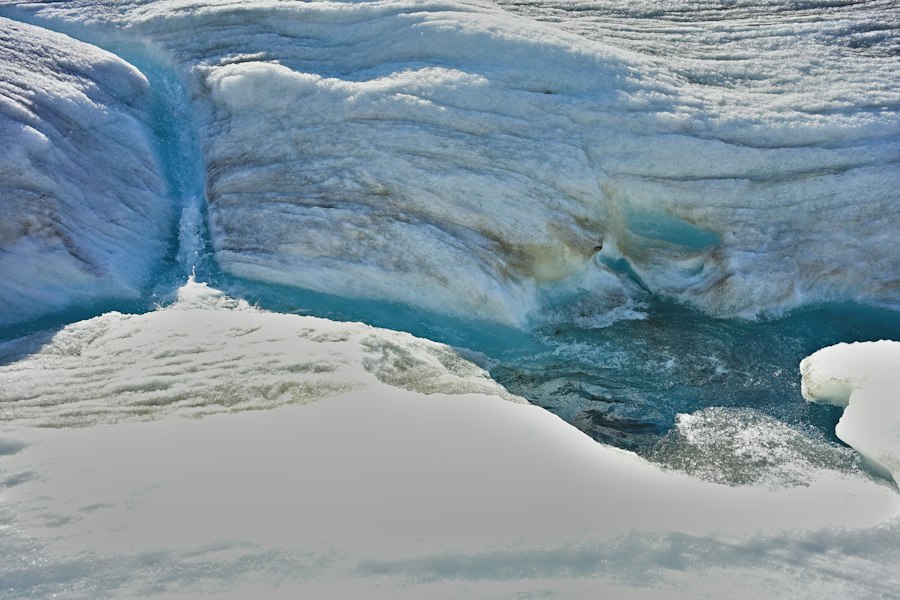
The allure of a frozen waterway as a highway was tempered by the ever-present threat of danger. The deceptive nature of ice, coupled with the unforgiving frigidity of the water beneath, meant that even the most experienced individuals had to approach these crossings with utmost caution. A moment of carelessness, a misjudgment of conditions, or sheer bad luck could have dire consequences.
The Dreaded Plunge: Hypothermia and Drowning Risks
The immediate danger of falling through ice was the rapid onset of hypothermia. The human body can only withstand prolonged exposure to near-freezing water for a very short period before succumbing to shock and eventually hypothermia. Even if rescued quickly, the chilling effects could be debilitating, leading to impaired judgment, loss of motor control, and an inability to survive in the cold environment. Drowning was, of course, another immediate and lethal risk. The shock of the cold water could paralyze muscles, making it impossible to swim or stay afloat. The weight of soaked clothing would also drag individuals down, increasing the likelihood of sinking.
Recognizing and Avoiding Weak Ice Zones
Early humans developed an acute awareness of the visual cues that indicated weak or unstable ice. Opaque or milky ice was often a sign of refreezing after melting, indicating a potential weakness. Cracks, even hairline ones, were clear warnings of structural compromise. Areas where water was still visibly flowing or where the ice appeared thinner were obvious no-go zones. They would have learned to associate these visual indicators with danger, much like they learned to identify poisonous plants or the tracks of predators. The presence of open water near the shore, where currents were strongest, was also a known hazard.
The Impact of Weather Conditions
Beyond the intrinsic stability of the ice, prevailing weather conditions could significantly exacerbate the dangers. A sudden drop in temperature might solidify the ice, but a swift rise could lead to rapid melting and weakening. Snowfall, while potentially insulating the ice, could also obscure its true condition, making it harder to assess its thickness and integrity. Strong winds could create treacherous conditions, making it difficult to maintain balance, and could also contribute to the formation of hazardous ice conditions in coastal areas. Early humans understood that the best time to cross was often during periods of stable, consistently cold weather, avoiding times of rapid temperature fluctuation.
Strategies for Rescue and Self-Preseration
While the primary focus was on prevention, early humans also possessed rudimentary strategies for dealing with the worst-case scenarios. If someone fell through, others in the group would likely attempt a rescue, using long branches or by lying flat on the ice to distribute their weight while reaching out. The individual who fell would be encouraged to kick their legs vigorously to gain momentum and try to propel themselves back onto the ice. Once out of the water, the immediate priority would be to get the person warm and dry as quickly as possible, using furs and body heat. This emphasis on group mutual aid was a hallmark of early human survival, where the loss of even one individual could have significant repercussions for the group’s overall well-being.
The Frozen Seas: A New Frontier for Early Human Expansion
The ability to traverse frozen rivers and lakes was a crucial stepping stone, but the true transformative power of ice for early humans lay in its capacity to create land bridges over vast saltwater bodies. During the Pleistocene epoch, periods of glaciation led to a significant drop in global sea levels, exposing continental shelves and creating land connections between continents. However, even when seas remained, the formation of thick, stable sea ice opened up unprecedented avenues for migration and resource acquisition.
Beringia: The Archetypal Ice Bridge
The most famous and consequential example of early human expansion facilitated by frozen waterways is the crossing of the Bering Land Bridge (Beringia) into the Americas. During glacial periods, the sea level dropped sufficiently to expose a vast landmass connecting Siberia and Alaska. This was not a continuous sheet of ice, but rather a mosaic of tundra, steppe, and glacial ice. However, along the edges and in certain stretches, the sea froze deeply enough to allow for passage. Early humans, likely following megafauna herds, ventured across this expansive, frozen landscape, gradually populating the vast and resource-rich continent of North America.
Coastal Migrations and Island Hopping
Beyond Beringia, frozen seas played a role in other migrations. In the northern latitudes, the formation of extensive sea ice could have allowed for relatively rapid movement along coastlines, connecting previously isolated communities and providing access to marine resources. It is even plausible that early humans, with a sophisticated understanding of ice dynamics, could have utilized ice floes as makeshift rafts to hop between islands, especially during periods when the sea was partially frozen, creating temporary connections. This would have allowed for the exploration and colonization of archipelagos that would otherwise have been inaccessible.
Access to Marine Resources
Frozen seas were not just highways; they were also a source of sustenance. While hunting marine mammals on open water was a dangerous undertaking, frozen seas offered a more accessible platform. Early humans could have hunted seals, walruses, and even whales trapped in the ice. Fishing through ice holes would have provided a consistent food source during long winters. The thick layer of ice also allowed for the safe movement of larger prey, making them more accessible to human hunters. This access to rich marine ecosystems was critical for supporting larger populations and allowing for the expansion into more challenging, colder environments.
Challenges of Sea Ice Travel
Traveling on sea ice presented unique challenges compared to frozen freshwater. The constant movement of ice floes, driven by tides and currents, created a dynamic and unpredictable environment. Open leads, or cracks in the ice, could appear suddenly, separating travelers or creating impassable barriers. The salt content of seawater also meant that sea ice formed at a lower temperature than freshwater ice, and could be more brittle in certain conditions. Navigating these treacherous expanses required an even deeper understanding of ice behavior, wind patterns, and the rhythm of the ocean. Early humans who mastered this skill were able to unlock vast new territories and exploit a wealth of resources.
Early humans faced numerous challenges as they migrated across various terrains, including the daunting task of crossing frozen streams. This feat required not only physical strength but also a keen understanding of the environment and the ability to adapt to changing conditions. Interestingly, the strategies employed by these early humans can be paralleled with the navigational techniques depicted in ancient maps. For a deeper exploration of how ancient cartography may have influenced human migration, you can read more in this article about the Piri Reis map accuracy debate. Understanding these connections can shed light on the ingenuity of our ancestors as they traversed challenging landscapes.
The Legacy of Ice: Shaping Human Evolution and Migration
| Method | Description | Advantages | Challenges | Evidence |
|---|---|---|---|---|
| Walking on Ice | Early humans crossed frozen streams by simply walking over the ice surface. | Quick and direct crossing if ice was thick enough. | Risk of thin ice breaking; slippery surface. | Archaeological sites near frozen water bodies; wear patterns on stone tools. |
| Using Wooden Logs or Branches | Laid logs or branches over thin ice or gaps to create a stable path. | Increased stability and safety over weak ice. | Requires gathering materials; time-consuming. | Remnants of wooden structures found near ancient campsites. |
| Snowshoe-like Footwear | Wearing primitive snowshoes to distribute weight and prevent breaking ice. | Reduced risk of falling through snow-covered ice. | Need for crafting skills; limited direct evidence. | Ethnographic analogies; bone and wood artifacts shaped for footwear. |
| Testing Ice Thickness | Using sticks or spears to probe ice before crossing. | Improved safety by assessing ice stability. | Time-consuming; may not detect all weak spots. | Stone tools and spears found near frozen water crossings. |
| Crossing at Narrow or Shallow Points | Choosing spots where streams were narrow or shallow to cross more safely. | Less risk of falling through ice or water. | Limited crossing locations; may require detours. | Settlement patterns near narrow stream crossings. |
The ability of early humans to conquer frozen streams and seas was not merely a feat of survival; it was a fundamental driver of human evolution and dispersal. The challenges and opportunities presented by these icy landscapes shaped our ancestors’ cognitive abilities, their technological innovations, and ultimately, their global distribution.
Cognitive Development and Problem-Solving
The constant need to assess risk, predict environmental changes, and develop innovative solutions for traversing frozen terrain fostered significant cognitive development. The intricate mental mapping required to navigate complex ice formations, the foresight needed to plan migrations around seasonal freezes and thaws, and the ingenuity to create tools and techniques for safe passage all contributed to the sharpening of early human intellect. The survival of individuals and groups was directly linked to their ability to learn, adapt, and solve problems posed by the frozen environment.
Technological Innovation Driven by Necessity
The harsh realities of the Ice Age spurred a cascade of technological advancements. The development of more sophisticated tools for hunting, such as improved spear-throwers and projectile points, was crucial for acquiring the caloric intake needed to survive in cold climates and to hunt large prey found in these icy realms. The creation of warm, durable clothing from animal hides, likely developed with an understanding of how different furs offered varying levels of insulation, was essential for survival during extended periods of cold. The very concept of shelter and fire, critical for warmth and sustenance, was undoubtedly refined and prioritized in these challenging environments.
The Great Dispersals and Genetic Diversity
The ability to cross frozen waterways was a key factor in the major dispersal events of early humans out of Africa and across the globe. The colonization of Eurasia, the eventual crossing into the Americas, and the movement into island chains were all facilitated, at least in part, by the temporary land bridges and frozen pathways that emerged during glacial periods. These migrations led to the establishment of diverse human populations in a wide range of environments, contributing to the rich genetic tapestry of humanity today. The descendants of those who braved the icy barriers became the ancestors of peoples living in vastly different climatic zones, carrying with them the adaptations and resilience forged in the crucible of the Ice Age.
A Continuing Connection to the Frozen World
Even as human civilization advanced and we developed technologies to control our environment, the legacy of our ancestors’ relationship with ice remains. The continued vulnerability of human populations to climate change, the ongoing scientific exploration of polar regions, and the cultural significance of ice in many societies all speak to this enduring connection. The lessons learned by early humans on their perilous journeys across frozen streams and seas continue to resonate, reminding us of the profound impact of the natural world on our species’ past, present, and future. The very act of understanding how they survived is a testament to their ingenuity and a humbling reminder of our own origins, deeply intertwined with the frozen forces of our planet.

Life 20,000 Years Ago: The Ultimate Ice Age Fight to Survive
FAQs
1. How did early humans cross frozen streams?
Early humans likely crossed frozen streams by walking or running across the ice. They may have also used tools like sticks or branches to test the thickness of the ice before crossing.
2. Did early humans have specific techniques for crossing frozen streams?
Early humans may have used techniques such as spreading their weight by crawling on the ice or crossing in groups to distribute weight more evenly. They may have also chosen narrower sections of the stream where the ice was more likely to be thick.
3. What risks were involved in crossing frozen streams for early humans?
Early humans faced risks such as falling through the ice, getting wet and cold, or being stranded on the other side if the ice broke. These risks could lead to hypothermia, injury, or even death.
4. How did early humans adapt to the challenges of crossing frozen streams?
Early humans likely developed a keen understanding of their environment, including the behavior of ice and water. They may have passed down knowledge and skills for safely crossing frozen streams through generations.
5. Were there any tools or technologies that early humans used to aid in crossing frozen streams?
Early humans may have used tools like ice picks, sleds, or even animal skins to help them navigate and cross frozen streams more safely. These tools could provide better traction on the ice or aid in carrying supplies across.