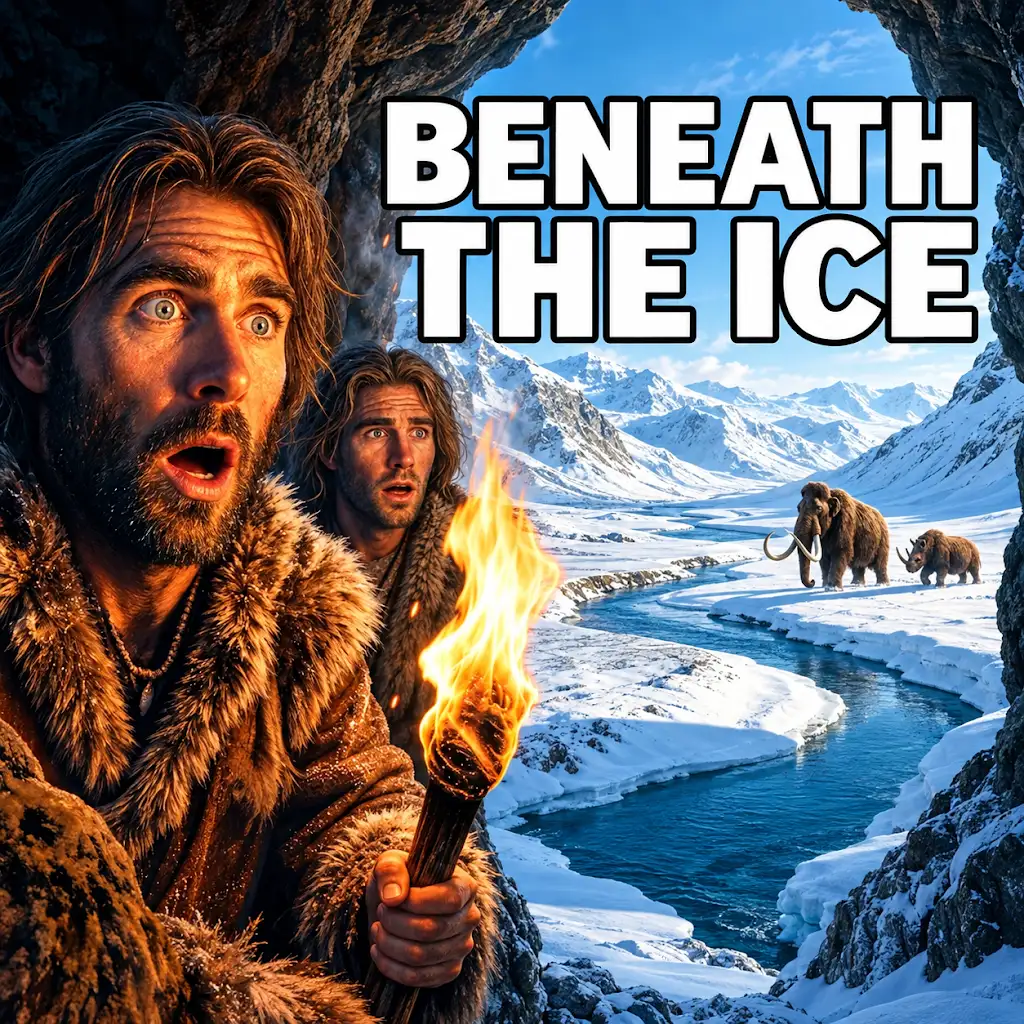
The vast, unforgiving landscapes of the Pleistocene epoch presented early humans with formidable challenges. Among the most daunting were the immense glaciers that sculpted the continents, forming vast expanses of ice and snow. These icy barriers were not mere obstacles; they were dynamic, ever-shifting environments that demanded ingenious solutions for survival and, critically, for migration. Understanding how these ancient hominins navigated these treacherous terrains offers profound insights into their adaptability, cognitive abilities, and the development of crucial technologies. The crossing of slippery glaciers was not a passive act of survival but an active, calculated endeavor, driven by necessity and a remarkable capacity for innovation.
The Glacial Environment: A Perilous Playground
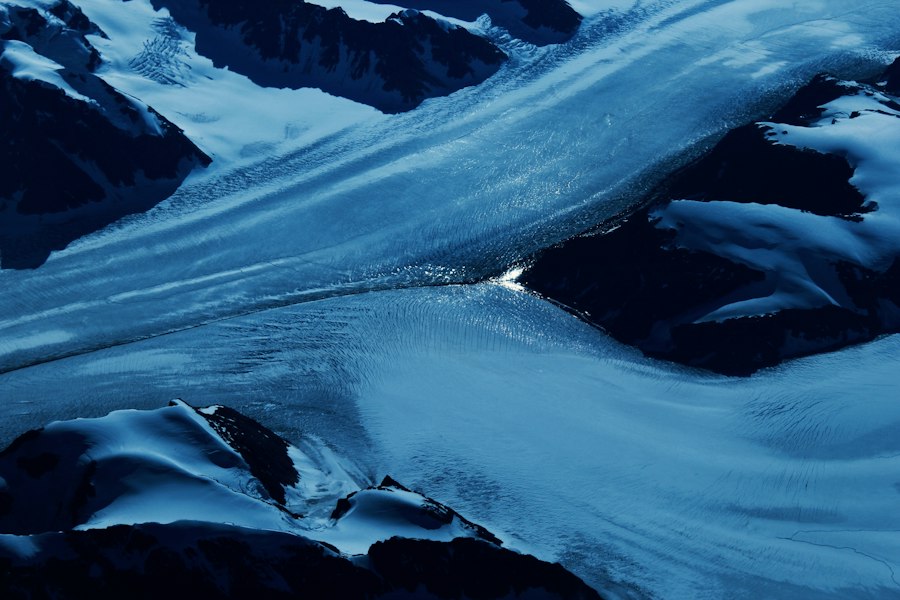
The Pleistocene, often referred to as the Ice Age, was characterized by dramatic fluctuations in global temperatures, leading to the advance and retreat of massive ice sheets. These glaciers, continental in scale, covered significant portions of North America, Europe, and Asia. Their sheer size and the sheer volume of ice represented a monumental barrier to movement and resource acquisition. The landscape beneath and around these ice masses was far from static. It was a complex tapestry of frozen ground, permafrost, glacial meltwater rivers, moraines, and newly exposed land as glaciers receded. Navigating this environment required a sophisticated understanding of its inherent dangers and opportunities.
Understanding Ice Dynamics and Stability
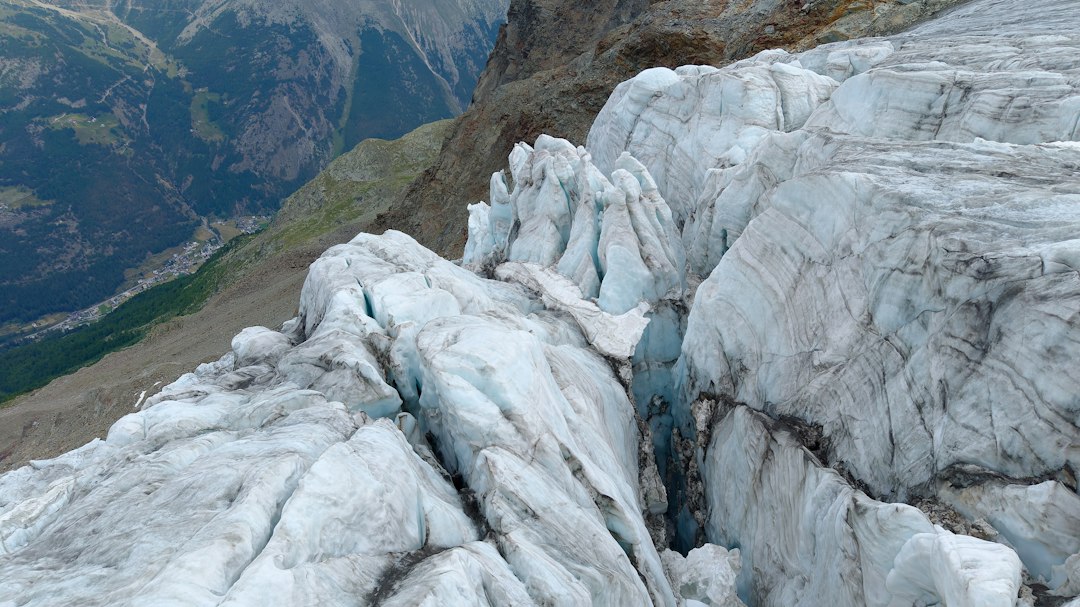
Early humans were not merely spectators of the glacial environment; they were intimately connected to it. Their survival depended on a nuanced understanding of ice dynamics. They would have observed the constant creep and flow of glaciers, recognizing that these vast rivers of ice were not solid, unyielding structures but rather entities in perpetual motion. This observation would have informed their decisions about where and when to attempt a crossing. They likely learned to distinguish between stable, consolidated ice and areas prone to calving or collapse. Glacial meltwater, a constant feature of the glacial edge, presented another dynamic element. Rivers fed by the melting ice could be powerful and unpredictable, carving new channels and creating treacherous crossings. Early humans would have developed an instinctive awareness of the seasons, understanding how temperature fluctuations affected ice stability and meltwater flow. They likely recognized that periods of intense cold, which could freeze meltwater, might offer temporary, albeit still risky, pathways, while warmer periods would increase the danger from melt and instability. The presence of crevasses, deep fissures in the ice, would have been a primary concern. Spotting these openings, often masked by snow bridges, would have been a critical skill. They might have learned to recognize subtle surface discolorations or changes in terrain that indicated underlying weaknesses or voids in the ice.
Recognizing Hazards: Crevasses, Avalanches, and Unstable Terrain
The glacial environment was a minefield of potential hazards. Beyond the sheer cold and the risk of falling through ice, early humans had to contend with a host of other dangers. Crevasses were a constant threat, capable of swallowing individuals whole. These fractures in the ice, formed by the differential movement of the glacier, could be hidden beneath a thin veneer of snow, making them exceptionally dangerous. Early humans would have developed strategies to detect these hidden dangers, perhaps by probing the ice with sticks or by observing subtle depressions in the snow surface. Glacial avalanches, the rapid descent of snow and ice down steep slopes, were another significant risk, particularly in mountainous glacial regions. The sheer force of an avalanche could crush and bury anything in its path. Understanding the conditions that triggered avalanches, such as recent snowfall or warming temperatures, would have been crucial for avoiding these catastrophic events. The terrain surrounding glaciers was also highly unstable. Moraines, the rocky debris deposited by glaciers, could be loose and prone to landslides. Newly deglaciated areas would have featured uneven, frost-heaved ground, making travel difficult and potentially dangerous. The presence of permafrost, permanently frozen ground, meant that any disruption to the surface could lead to thawing and subsidence, creating sinkholes and unstable footing.
Early humans faced numerous challenges as they migrated across various terrains, including the treacherous slippery glaciers that posed significant risks to their survival. An insightful article that explores the broader implications of human adaptation to harsh environments can be found at Fragile States: A Global Challenge. This piece delves into how communities throughout history have navigated and thrived in fragile conditions, drawing parallels to the resilience demonstrated by early humans in their quest for survival.
Ingenuity in the Ice: Tools for Traverse
The crossing of glacial expanses was not achieved through brute force alone. It necessitated the development and skillful application of specialized tools, born from necessity and an intimate understanding of their environment. These tools were extensions of the human body and mind, designed to enhance their capabilities in a world of ice and snow.
The Spear: More Than Just a Weapon
While often recognized as a hunting implement, the spear served a multifaceted role in glacial traversal. Its length and rigidity made it an invaluable probing tool. When faced with uncertain ice conditions, early humans would have used their spears to test the integrity of snow bridges and ice surfaces. By plunging the spear into the snow or ice, they could gauge its depth and solidity, identifying areas that were safe to tread upon and those that were too weak. The pointed end could also be used to chip away at ice or snow, creating handholds or footholds on steeper inclines. In a rescue scenario, a spear could be extended to a person in peril, offering a lifeline to pull them back from the edge of a crevasse or a collapsing ice floe. Furthermore, the spear’s shaft could be utilized as a makeshift pole, providing additional balance and support on slippery surfaces. Imagine a group traversing a vast, windswept glacier. The lead individual, armed with a spear, would carefully test each step, the rhythmic tapping of the spear against the ice a constant indicator of the path ahead.
Stone and Bone: Crafting Implements for Grip and Traction
The materials available to early humans, primarily stone and bone, were surprisingly versatile in the creation of glacial tools. Sharp-edged stone flakes, carefully crafted through knapping, could be hafted onto wooden shafts to create rudimentary ice axes or picks. These tools would have been essential for ascending icy slopes, allowing early humans to carve notches into the ice for hand and foot placement. The pointed end of a well-crafted stone pick could also be used to break through thin ice, creating emergency access to water or to secure a foothold on a precarious ledge. Bone, with its inherent strength and flexibility, would have been utilized for similar purposes. Antler, in particular, with its naturally curved and durable structure, could have been fashioned into ice crampon-like devices, albeit far simpler than modern versions. These might have been tied to the feet with animal sinews, providing rudimentary traction on icy surfaces. The creation of these tools was a testament to their understanding of material properties and their ability to transform raw resources into functional instruments. The meticulous process of flintknapping, for instance, to produce a sharp, durable edge for an ice pick, demonstrates a level of foresight and technical skill that is truly remarkable.
Hafting Techniques: Binding Tools for Enhanced Performance
The effectiveness of stone and bone tools was amplified through sophisticated hafting techniques. Early humans understood the importance of securely attaching their implements to wooden shafts. This not only improved leverage and control but also reduced the risk of breakage during strenuous use. Animal sinews, stretched and dried, were likely used as natural cordage to bind stone or bone points to wooden handles. This process, involving soaking the sinews to make them pliable and then allowing them to shrink and tighten as they dried, created incredibly strong bonds. The use of natural glues, such as birch bark tar, might also have been employed to further secure the hafting. These binding techniques were crucial for tools subjected to significant force, such as ice axes used for repeated striking or hafted probes that were thrust into potentially resistant ice. The development of these hafting methods allowed for the creation of more robust and reliable tools, essential for surviving the rigors of glacial travel. A poorly hafted tool on a slippery incline or near a crevasse could have dire consequences, making the skill of secure binding a matter of life and death.
Navigational Strategies: Reading the Ice and Sky
Traversing vast, featureless glacial landscapes required more than just physical endurance and the right tools; it demanded keen observation and an innate understanding of environmental cues. Early humans developed sophisticated navigational strategies, honed through generations of experience and passed down through oral tradition.
Following Meltwater Channels and Glacial Ridges
As glaciers advanced and retreated, they left behind distinct topographical features that served as natural pathways for early humans. Meltwater channels, carved by the flow of water from the melting ice, often provided relatively stable and accessible routes. These channels, though sometimes turbulent, offered a defined path across otherwise formless ice fields. Early humans would have recognized that these channels were more likely to be free of deep snow and potentially less prone to the hidden dangers of large, flat ice expanses. Similarly, glacial ridges, formed by the deposition of sediment and debris along the edges of glaciers, offered elevated and often more solid ground for travel. These ridges could provide a vantage point for observing the surrounding terrain and identifying potential hazards or resources. They may have also served as natural boundaries, helping groups maintain their direction and avoid getting lost in the disorienting immensity of the ice. The presence of vegetation on these ridges, even sparse tundra flora, would have been a clear indicator of more stable ground and a potential source of food or shelter.
Celestial Navigation and Environmental Indicators
While direct visual landmarks might have been scarce on vast ice sheets, early humans possessed a remarkable ability to utilize celestial bodies for orientation. The sun’s movement across the sky provided a fundamental directional reference. They would have understood its path throughout the day and across the seasons, using its position to maintain a consistent course. The stars, particularly in the clear, unpolluted skies of the Ice Age, would have offered even more consistent navigational aids during the long nights. Learning to identify key constellations and their predictable movements would have been a vital skill. Beyond celestial cues, early humans would have been attuned to a myriad of environmental indicators. The direction of prevailing winds, which often sculpt snowdrifts into recognizable patterns, could offer clues about orientation. The growth patterns of lichens on rocks, the distribution of ice formations, and even the behavior of migrating animals would have provided subtle but significant navigational information. They might have recognized that certain types of ice formations or snow accumulations were indicative of particular wind patterns or directions.
Group Dynamics and Knowledge Transfer
The sheer scale of glacial crossings and the inherent dangers involved likely necessitated a strong emphasis on group coordination and collective knowledge. Individual skill was important, but survival often depended on the collective expertise of the group. Experienced individuals, those with a deeper understanding of glacial environments, would have taken leadership roles, guiding their companions. Knowledge about safe routes, areas to avoid, and the most effective use of tools would have been passed down through generations, likely through oral traditions and practical demonstration. Imagine a young person learning to navigate the ice. They wouldn’t simply be told where to go; they would walk with elders, observing their every move, their testing of the ice, their reading of the wind. This intergenerational transfer of knowledge was crucial for the successful adaptation of early humans to these challenging environments. The development of complex social structures and communication methods, even if rudimentary, would have been essential for coordinated movement and mutual support on the perilous glacial landscape.
The Social and Cognitive Leap: Adaptation and Innovation
The challenges posed by glacial environments spurred significant advancements in the cognitive abilities and social structures of early humans. These were not just adaptations of existing skills; they represented a qualitative leap in human ingenuity and cooperation.
Enhanced Problem-Solving and Abstract Thinking
The need to devise solutions for navigating treacherous ice, constructing robust tools, and predicting environmental changes fostered the development of advanced problem-solving skills. Early humans were not simply reacting to their environment; they were actively analyzing it, devising strategies, and innovating. The construction of specialized tools, like hafted ice picks, required a level of abstract thinking, envisioning the function of an object before it was fully realized. They had to understand cause and effect, recognizing that a certain type of stone, when shaped in a particular way and attached to a shaft, could achieve a specific outcome. This process of planning, execution, and refinement is a hallmark of sophisticated cognitive abilities. Furthermore, the ability to predict the behavior of glaciers, meltwater, and weather patterns demonstrates an understanding of complex, dynamic systems. This predictive capacity, essential for safe passage, points towards an advanced level of abstract thought.
The Rise of Cooperation and Specialization
The successful crossing of large glaciers and the sustained survival in harsh glacial environments would have been nearly impossible for isolated individuals. These endeavors almost certainly fostered increased levels of cooperation and, potentially, early forms of specialization within groups. Individuals might have developed expertise in toolmaking, ice navigation, or hunting specific glacial fauna. This division of labor, even in its nascent form, would have increased the efficiency and resilience of the group. The sharing of resources, the collective effort in overcoming obstacles, and the mutual protection from predators and the elements all point to a strengthening of social bonds. Imagine a group preparing to cross a wide glacial river. Some might be focused on constructing a temporary bridge from fallen trees, while others are scouting for the safest crossing point, and still others are ensuring the safety of the young and elderly. This coordinated effort highlights the power of collective action.
Long-Distance Migration and Population Dispersal
Perhaps the most profound impact of early humans’ ability to cross glacial barriers was its role in facilitating long-distance migration and population dispersal. As glaciers advanced, they would have blocked traditional migration routes, forcing hominins to find new paths. The ability to traverse these icy expanses opened up vast new territories, allowing early humans to spread across continents. The Bering Land Bridge, a landmass that once connected Siberia and Alaska, is a prime example of how glacial cycles influenced human migration. During periods of glacial advance, sea levels dropped, exposing this land bridge, which early humans then crossed. Conversely, periods of glacial retreat could have created new pathways as ice melted and land became accessible. This ability to move across previously impassable landscapes was a critical factor in the global spread of Homo sapiens. The expansion of human populations into new environments, driven by the need for resources and the opportunities presented by newly accessible land, fundamentally shaped the demographic and genetic landscape of our species. The story of human migration is inextricably linked to the story of navigating and overcoming the icy barriers of the Pleistocene.
Early humans faced numerous challenges as they migrated across treacherous landscapes, including slippery glaciers that posed significant risks. Their ability to adapt and develop strategies for traversing these icy terrains is a fascinating topic explored in various studies. For a deeper understanding of how environmental factors influence human movement and settlement patterns, you might find it interesting to read about the shifting dynamics of global manufacturing in the article on Mexico potentially replacing China as a manufacturing hub. This piece highlights how geographical changes can impact economic decisions, much like how early humans had to navigate their environments. You can read more about it here.
Leaving a Legacy: The Enduring Impact of Glacial Navigation
| Method | Description | Effectiveness | Evidence | Estimated Time Period |
|---|---|---|---|---|
| Use of Wooden Stakes or Poles | Early humans used wooden stakes or poles to test ice stability and provide support while crossing glaciers. | Moderate | Archaeological findings of wooden tools near glacial sites | Approximately 40,000 – 20,000 years ago |
| Animal Skins or Leather Footwear | Wearing animal skins or leather footwear to improve grip and insulation on slippery ice surfaces. | High | Preserved footwear remnants and cave paintings | 30,000 – 15,000 years ago |
| Use of Snowshoes or Primitive Crampons | Attachment of wooden frames or bone spikes to footwear to increase surface area and traction. | High | Bone tools and wooden artifacts found in glacial regions | 20,000 – 10,000 years ago |
| Traveling in Groups | Crossing glaciers in groups to provide mutual support and reduce risk of falls. | Moderate | Anthropological studies of social behavior and migration patterns | Throughout Paleolithic Era |
| Route Selection and Timing | Choosing safer routes and crossing during colder times when ice was more stable. | High | Geological and climatic data correlated with migration routes | Throughout Paleolithic Era |
The feats of early humans in traversing slippery glaciers represent more than just a remarkable chapter in our evolutionary past; they laid the groundwork for future human ingenuity and demonstrated an enduring capacity for adaptation that continues to shape our relationship with the planet. Their ability to conquer such formidable environments speaks volumes about the resilience and innovative spirit that defines our species.
The Foundation for Future Exploration and Technology
The techniques and tools developed for glacial navigation served as foundational elements for subsequent human technological development. The understanding of hafting, the principles of leverage, and the keen observation of natural materials were all refined through the demands of ice traversal. These skills were transferable to other challenging environments and provided a robust platform for the creation of more complex tools and technologies. The innovation in creating traction devices, for instance, can be seen as an early precursor to the development of more sophisticated footwear and gripping technologies used in climbing and extreme sports today. The ability to read the environment and predict weather patterns, honed on the glaciers, contributed to the development of more advanced meteorological understanding and forecasting. The very act of problem-solving in such extreme conditions pushed the boundaries of human ingenuity, setting a precedent for tackling future challenges with creative solutions.
Shaping Human Migration Patterns and Genetic Diversity
The ability of early humans to cross glacial barriers played a pivotal role in shaping global human migration patterns and, consequently, our genetic diversity. As ice sheets advanced and retreated, they created and removed pathways, directing the flow of human populations across continents. The colonization of the Americas, for example, is intrinsically linked to the ability of early humans to cross the Bering Land Bridge, a region heavily influenced by glacial cycles. This dispersal across vast distances led to the establishment of diverse populations in varied environments, each adapting to their unique ecological niches. The genetic variations observed in human populations today are a direct consequence of these ancient migrations, including those facilitated by glacial crossings. These journeys, fraught with peril, ultimately led to the spread of humanity across the globe, diversifying our gene pool and populating nearly every habitable corner of the Earth.
A Testament to Human Resilience and Adaptability
Ultimately, the story of early humans crossing slippery glaciers is a profound testament to the extraordinary resilience and adaptability of our species. Faced with an environment that was actively hostile to life, they not only survived but thrived, utilizing their intellect, developing ingenious tools, and cooperating to overcome seemingly insurmountable obstacles. These ancient journeys demonstrate that with a combination of keen observation, innovative thinking, and strong social bonds, humans are capable of adapting to and even conquering the most challenging environments. This legacy of resilience continues to inspire us, reminding us of our innate capacity to innovate and persevere in the face of adversity, a trait that has been crucial for our species’ survival and continued evolution on this planet. The ice-bound landscapes of the past, therefore, hold within them the echoes of our earliest triumphs, demonstrating the enduring power of the human spirit to adapt and explore.