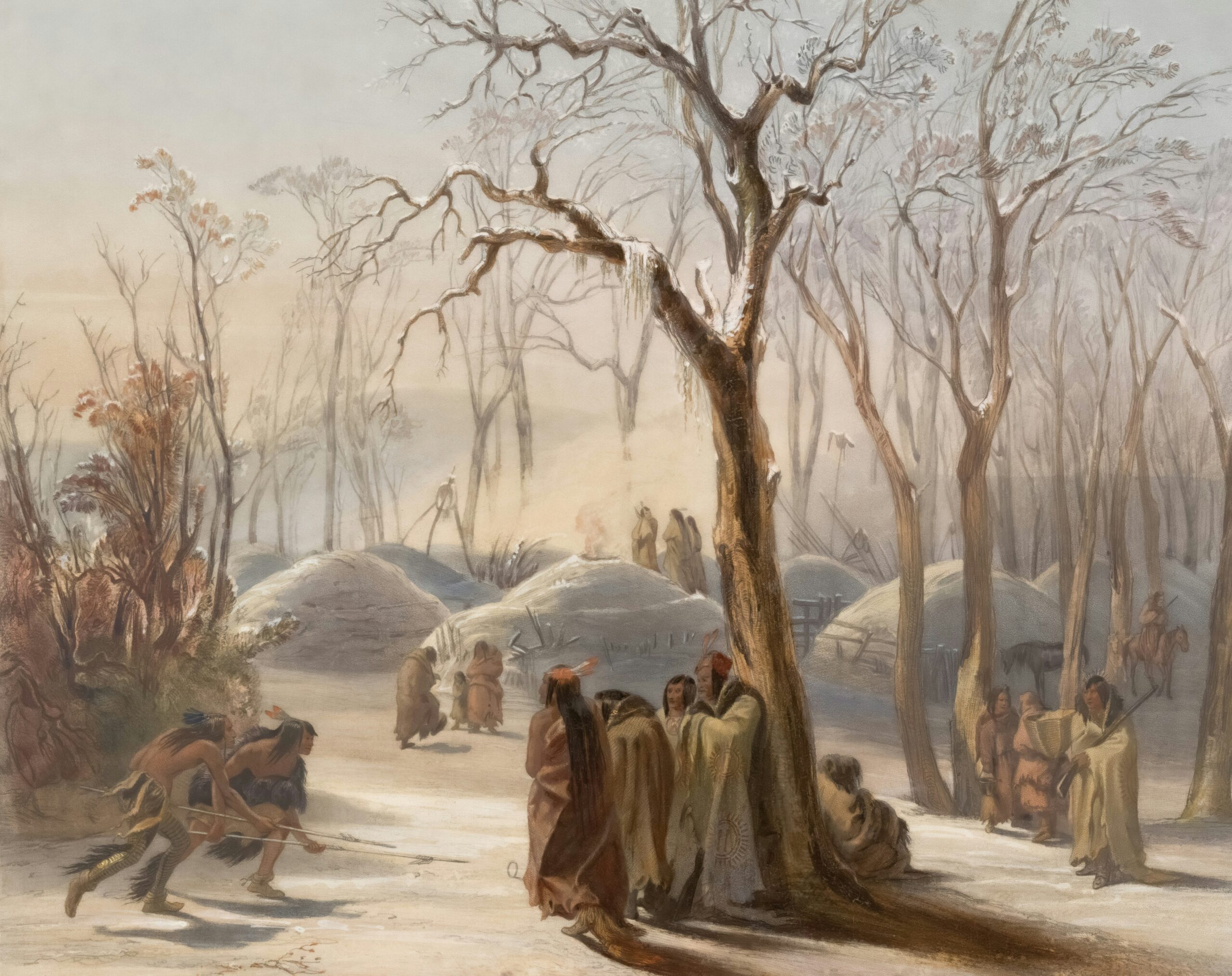
The biting winds of winter presented a formidable challenge to early human survival. As the days shortened and the landscape transformed into a frozen tableau, the readily available bounty of the warmer months dwindled. Yet, resilience was etched into the very fabric of these ancient peoples. They possessed an intimate understanding of their environment, honed over generations, which allowed them to navigate the harsh realities of winter foraging and hunting. Their strategies were not merely about sustenance; they were about ingenuity, cooperation, and a deep respect for the natural world.
Adapting to the Seasonal Shift
The onset of winter demanded a fundamental shift in the subsistence strategies of early humans. The abundance of plant-based foods – berries, roots, tubers, and leafy greens – that sustained them during spring, summer, and autumn, largely disappeared or became inaccessible beneath snow and ice. This forced a greater reliance on animal protein, a more challenging but ultimately more calorically dense resource in the lean months.
The Diminishing Palette of Wild Flora
During winter, the once vibrant tapestry of edible plants transformed into a barren, frozen expanse. Most herbaceous plants died back, their energy reserves depleted or stored underground as dormant roots and tubers. Many of these underground resources were also buried deep beneath the snow and ice, making them incredibly difficult to locate and excavate with the rudimentary tools available. Evergreen plants, such as certain berries or pine needles, might have offered some limited vitamin C, crucial for preventing scurvy, but they provided minimal caloric intake. The careful observation of plant life cycles was paramount. Early humans would have learned to identify the skeletal remains of plants that might still hold nutritional value, such as dried seed heads or the bark of certain trees, though these were often a last resort. They understood which plants stored energy underground and might have developed techniques for locating and digging up roots and tubers even under frozen soil, perhaps by observing animal diggings or recognizing subtle changes in the terrain that hinted at their presence.
The Seasonal Migration and Vulnerability of Fauna
As temperatures plummeted, many animal species also altered their behavior. Some migrated to warmer regions, leaving behind a depleted local fauna. Others, like deer and elk, descended from higher altitudes to seek shelter and food in lower valleys, often congregating in more predictable locations. This concentration, while potentially offering more opportunities for hunters, also made these animals more vulnerable. Predators, including early humans, would have capitalized on these aggregations. Smaller game, such as rabbits and rodents, remained more active year-round, burrowing beneath the snow to escape the cold. Their tracks, however, would still be visible on the snow’s surface, offering clues to their whereabouts for skilled trackers. The understanding of animal migration patterns, denning sites, and feeding grounds was a critical piece of knowledge for winter survival. Early humans possessed an acute awareness of the seasonal movements of their prey, predicting where they would be and when, based on factors like snow depth, available forage, and predator avoidance.
Early humans faced significant challenges in finding food during the harsh winter months, relying on their ingenuity and adaptability to survive. They developed various strategies, such as hunting migratory animals and foraging for edible plants that could withstand the cold. Understanding these ancient practices can provide insight into the resilience of early human societies. For a fascinating exploration of human survival and mystery, you can read more about the enigmatic Queen Maud Land coastline and its historical significance in this related article: Exploring the Enigmatic Queen Maud Land Coastline: Unraveling the Piri Reis Mystery.
The Art of Winter Hunting

Winter hunting was a more arduous and often dangerous undertaking than its summer counterpart. The challenges were manifold: reduced visibility due to snow, the camouflage of prey against the white landscape, and the increased difficulty of tracking and bringing down larger animals in the challenging terrain. Yet, early humans developed sophisticated strategies to overcome these obstacles.
Strategic Pursuits and Trapping Techniques
The inherent difficulties of hunting large game in winter necessitated a shift from individualistic pursuits to coordinated group efforts. Hunting parties would often track herds for extended periods, patiently waiting for opportune moments to strike. They learned to exploit the environment to their advantage, using natural features like cliffs, ravines, or narrow passes to funnel prey into ambushes. The element of surprise was crucial, and hunters developed specialized techniques for approaching wary animals silently. This might involve using snowshoes to distribute their weight and avoid leaving deep tracks, or utilizing the cover of trees and rock formations. Trapping also played a significant role, especially for smaller game. Snares and pit traps, cleverly concealed, could capture rabbits, foxes, and other animals seeking shelter or foraging for scarce food. The construction of these traps required a deep understanding of animal behavior, predicting their routes and motivations. The use of natural materials, like branches, vines, and animal sinew, allowed for the creation of effective and sustainable trapping systems.
The Importance of Pack Hunting and Cooperative Strategies
For larger game like mammoths, bison, or woolly rhinoceros, cooperative hunting was not just beneficial; it was often the only way to succeed. Teams of hunters, armed with spears, stone-tipped javelins, and clubs, would work together to disorient, injure, and eventually bring down these formidable creatures. This required immense coordination, communication (likely through a complex system of gestures and vocalizations), and a shared understanding of roles within the hunting party. They might have used fire to drive herds towards dangerous terrain or into prepared kill sites. The knowledge of animal anatomy was also crucial; skilled hunters knew where to aim their projectiles to inflict maximum damage or incapacitate their prey. The success of these hunts often depended on the collective strength and intelligence of the group, highlighting the social cohesion that was vital for early human survival. The sharing of meat from such large kills would have been essential, distributing calories and nutrients throughout the community.
Sustaining the Hunt: Tools and Innovation

The effectiveness of early human hunting and foraging strategies in winter was directly linked to their ability to develop and utilize specialized tools and techniques. These innovations, born out of necessity, allowed them to overcome the environmental challenges and extract sustenance from a seemingly barren landscape.
Crafting Specialized Hunting Implements
The transition to winter hunting spurred the development of more specialized tools. Spears, tipped with sharpened stone points (flint, obsidian, or chert), became longer and heavier, designed for penetration and to deliver a more significant blow to thick-skinned prey. The invention of the spear-thrower (atlatl) was a significant advancement, extending the reach and power of the spear, allowing hunters to strike from a safer distance. Bows and arrows, though perhaps less prevalent in the earliest periods, would have provided an even greater advantage in terms of range and accuracy. For butchering, sharp stone flakes, scrapers, and knives were essential for skinning, dismembering, and processing the meat and hides. The knowledge of lithic technology – the art of knapping stone to create these tools – was a highly valued skill. Different types of stone were selected for their flaking properties and durability, and the crafting process itself was a testament to precision and ingenuity.
Harnessing Animal Resources: Hides and Sinew
Beyond meat, the animals hunted in winter provided other essential resources. Thick hides were meticulously processed and prepared to create warm clothing, footwear, and shelter coverings. These garments were crucial for protection against the extreme cold, preventing hypothermia and frostbite. Sinew, the strong fibrous tissue found in animal tendons, was processed and used as thread for sewing hides together, as lashing for tool construction, and as strings for bows. Bones were fashioned into awls, needles, and other smaller tools, or polished and shaped for decorative purposes. Antlers and ivory could be carved into more elaborate implements or decorative objects. The efficient utilization of every part of the animal was a hallmark of early human survival, demonstrating a deep understanding of resource management and a commitment to minimizing waste.
Preserving and Storing Food for Lean Times
Even with successful hunts and forages, winter’s scarcity meant that preserving and storing food was a critical strategy to ensure survival through the leanest months. The ability to store provisions meant that a successful hunt could provide sustenance for weeks, not just days.
Methods of Food Preservation
Drying was a primary method of food preservation. Thin strips of meat were hung in dry, windy locations or near a fire to remove moisture, making it difficult for bacteria to grow and spoil the food. Smoking, achieved by exposing meat to the smoke of a slow-burning fire, not only preserved the meat but also imparted a desirable flavor. Early humans understood the principles of desiccation and the antimicrobial properties of smoke. Freezing, a natural form of preservation in winter environments, would have also played a role. Meat could be stored outdoors in sub-zero temperatures, effectively freezing and keeping it edible for extended periods. Certain roots and tubers, if harvested before the ground froze too deeply, could be stored in cool, dry places, often in caches dug into the earth. The careful selection and preparation of food for preservation were vital skills passed down through generations.
The Role of Communal Storage and Resource Management
Effective food storage often involved communal efforts. Caches might be established in protected locations, like caves or rock shelters, where stored provisions could be guarded from scavengers and the elements. These communal stores ensured that the entire group had access to food, fostering a sense of shared responsibility and interdependence. Resource management was paramount; overhunting or over-gathering in any one area would have been detrimental to future survival. Early humans possessed an awareness of the carrying capacity of their environment and likely practiced cyclical harvesting, allowing resources to regenerate. The success of winter survival was intricately linked to the community’s ability to manage its resources wisely, ensuring that immediate needs did not jeopardize long-term viability.
Early humans faced significant challenges in finding food during the harsh winter months, relying on their ingenuity and resourcefulness to survive. They developed various strategies, such as hunting large game and foraging for edible plants that could withstand the cold. The importance of understanding seasonal changes and animal behaviors played a crucial role in their survival. For a deeper insight into how early humans adapted to their environment, you can explore this related article on the evolution of human resilience in challenging times here.
The Enduring Legacy of Winter Resilience
| Method | Description | Effectiveness | Seasonal Adaptation |
|---|---|---|---|
| Hunting Large Game | Tracking and hunting animals like deer and mammoths that migrate or remain active in winter. | High | Used throughout winter, relying on animal migration patterns. |
| Gathering Stored Food | Collecting and storing nuts, seeds, and roots during warmer months for winter consumption. | Moderate to High | Preparation done in autumn; critical for winter survival. |
| Fishing Under Ice | Using tools to catch fish through holes in frozen water bodies. | Moderate | Specific to regions with frozen lakes and rivers. |
| Foraging for Winter Plants | Identifying and harvesting hardy plants, bark, and lichens available in winter. | Low to Moderate | Limited availability; supplemented other food sources. |
| Scavenging | Collecting remains of animals killed by predators or natural causes. | Variable | Opportunistic; helped supplement diet during scarce periods. |
The challenges of winter foraging and hunting forged an enduring legacy of resilience, adaptability, and ingenuity in early humans. Their survival through these harsh periods was not a matter of luck but a testament to their profound understanding of the natural world and their capacity for innovation and cooperation.
Lessons in Environmental Acumen and Adaptability
The winter months served as a harsh but effective teacher, forcing early humans to constantly observe, learn, and adapt. They developed an unparalleled environmental acumen, understanding the subtle signs of changing weather, the behavior of animals, and the edible potential of seemingly barren landscapes. This continuous process of learning and adaptation allowed them to thrive in diverse and challenging environments. Their ability to devise new tools, refine hunting techniques, and develop sophisticated food preservation methods demonstrates a remarkable capacity for innovation driven by necessity. This adaptability was not a static trait but a dynamic process, constantly evolving as they encountered new challenges and discovered new solutions.
The Foundation of Social Structures and Cultural Transmission
The demands of winter survival played a crucial role in shaping early human social structures. Cooperative hunting, communal food sharing, and the collective effort required for food storage fostered strong bonds of interdependence and mutual reliance. These shared experiences likely strengthened family ties and community cohesion, laying the groundwork for more complex social organizations. Furthermore, the knowledge and skills necessary for winter survival – tracking, tool-making, plant identification, and preservation techniques – were not innate. They were learned and transmitted from one generation to the next through observation, imitation, and storytelling. This cultural transmission was vital for ensuring the continuity of survival strategies and the preservation of accumulated knowledge, forming the bedrock of early human cultures. The stories and traditions passed down undoubtedly reinforced the importance of cooperation, respect for nature, and the resilience needed to face the annual cycle of scarcity.

20,000 Years Ago | The Coldest Journey in Human History
FAQs
1. How did early humans find food during the winter months?
Early humans found food in winter by hunting animals, gathering edible plants, and storing food during the warmer months for consumption in the winter.
2. What techniques did early humans use to hunt for food in winter?
Early humans used various hunting techniques such as tracking animals in the snow, setting traps, and using tools like spears and bows and arrows to catch prey.
3. How did early humans gather plants for food in the winter?
Early humans gathered edible plants in winter by foraging for roots, nuts, and berries that were still available during the colder months. They also preserved some plants through drying or smoking for later consumption.
4. Did early humans migrate to find food during the winter?
Some early human populations did migrate seasonally to follow the movement of animals or to access different food sources in different regions. This helped them survive during the harsh winter months.
5. How did early humans adapt to the challenges of finding food in winter?
Early humans adapted to the challenges of finding food in winter by developing specialized tools, techniques, and knowledge of their environment. They also learned to store food and preserve resources to sustain themselves through the colder months.