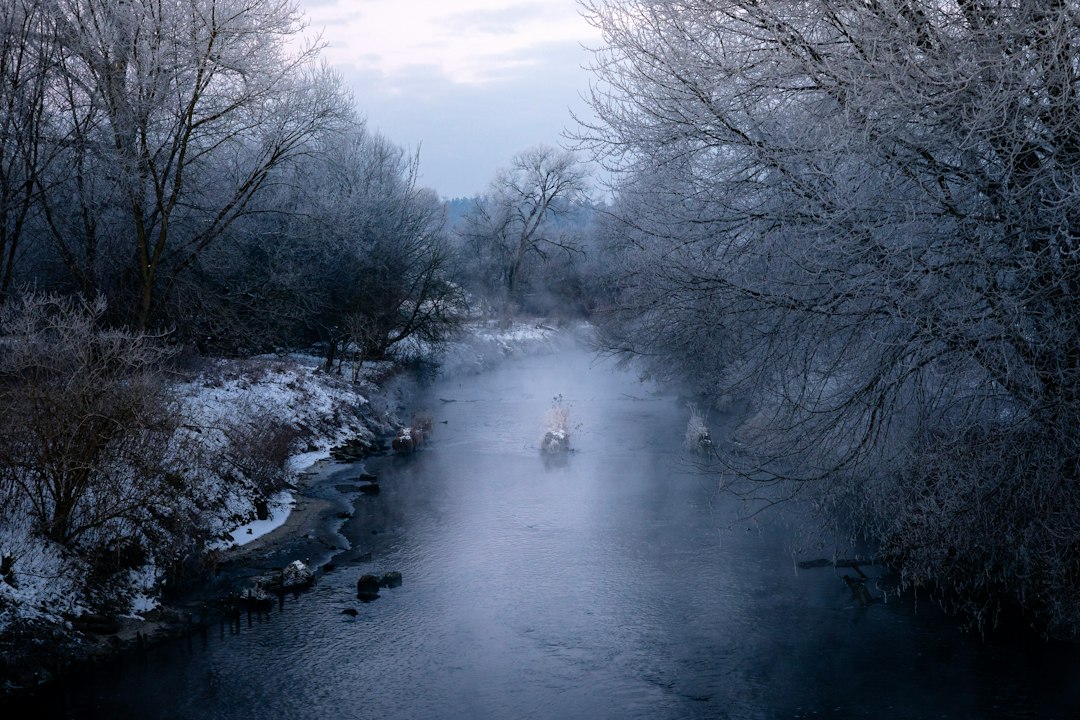
The biting winds of the Pleistocene swept across vast, frozen landscapes, presenting early humans with a formidable barrier: the mighty, ice-bound rivers. These frozen waterways, often wide and powerful, were not merely obstacles but also arteries of life, connecting hunting grounds, providing access to resources, and facilitating migration. Yet, traversing them was fraught with peril. The thin ice, the deep currents beneath, and the sheer cold demanded a sophisticated understanding of their environment and a mastery of survival techniques passed down through generations. The story of how early humans safely crossed these frozen rivers is a testament to their ingenuity, observational skills, and profound respect for the natural world. It is a narrative woven from the threads of empirical knowledge, shared experience, and a deep-seated drive to adapt and overcome.
The Art of Ice Assessment: Reading the Frozen River
Before any attempt was made to set foot on the ice, an intricate and crucial assessment process took place. This was not a matter of guesswork but a highly developed skill, honed through countless observations and, likely, painful lessons learned by those who came before. Early humans were intimately familiar with the subtle indicators that betrayed the strength and integrity of the frozen surface. Their knowledge was rooted in a deep understanding of the river’s behavior throughout the seasons and how external factors influenced its freezing process. This sophisticated ice assessment was the first and perhaps most critical line of defense against a watery grave.
Recognizing the Signs of Stable Ice
The visual cues were paramount. Early humans would meticulously examine the color and texture of the ice. Clear, blue ice was generally considered the strongest. It indicated slow, even freezing, allowing the water molecules to form a dense, crystalline structure. Conversely, white or opaque ice was often a warning sign. This could signify trapped air bubbles, which weakened the ice’s structural integrity, or that the ice had frozen and thawed multiple times, creating internal stresses. The presence of snow on the ice was also noted. While snow could provide insulation, a thick blanket of fresh snow often meant the ice beneath was thinner, as the snow acted as an insulator preventing further freezing.
The Role of the Sun and Wind
The impact of the sun and wind on ice formation and stability was keenly observed. Early humans understood that direct sunlight, especially during warmer periods or on sunny days, could significantly weaken ice, particularly near the edges or in areas exposed to the sun’s rays. They learned to identify areas that had been exposed to more direct sunlight for longer periods, often avoiding those sections. Similarly, prevailing winds could influence the freezing pattern. Winds could keep certain areas of the river from freezing completely or could cause ice to break up more readily. Observing the direction of the wind and its potential impact on the ice surface was an integral part of their decision-making process.
Listening to the River’s Whispers
Beyond visual cues, early humans employed their hearing to gauge the safety of the ice. A truly frozen river often produced distinct sounds. A solid, undisturbed sheet of ice would generally be silent. However, cracking, groaning, or popping sounds were immediate red flags. These noises indicated stress within the ice, suggesting that it was either too thin to support weight or was in the process of breaking apart. Experienced individuals could differentiate between the subtle shifts of ice settling and the more ominous sounds that signaled imminent danger. They understood that a silent river was a safe river, while a vocal one demanded extreme caution or outright avoidance.
Testing the Ice with Caution
Despite their keen observational skills, direct testing of the ice was still a necessary precaution, especially when venturing onto less familiar stretches or when uncertain. This was not a reckless plunge but a deliberate, measured approach. A long, sturdy stick or a spear was often used to probe the ice ahead. The depth of penetration and the sound produced by the probe provided valuable information about the ice’s thickness and consistency. If the stick easily pierced the ice or if water seeped up through the holes, it was a clear indication to turn back. They might also use their weight cautiously, distributing it as much as possible, or send the lightest members of the group ahead, supported by others.
Early humans faced numerous challenges while navigating their environments, particularly when it came to crossing frozen rivers safely during harsh winters. An insightful article that explores the broader implications of human ingenuity and adaptation can be found at this link. It discusses how the innovative strategies developed by early civilizations can be paralleled with modern advancements in technology and infrastructure, highlighting the continuous human quest for survival and progress in the face of adversity.
Navigating the Frozen Expanse: Techniques for Safe Passage
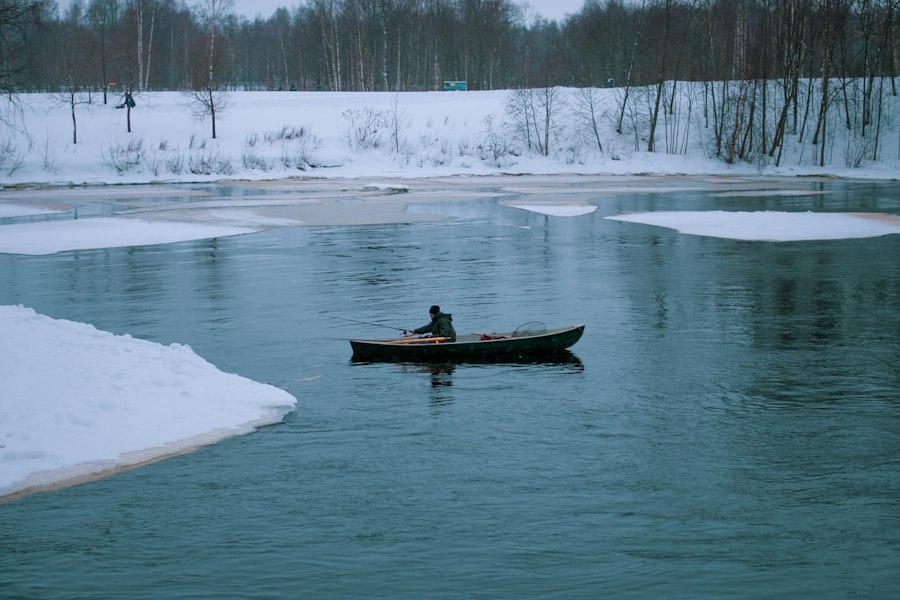
Once the ice was deemed sufficiently stable, the next challenge was the actual traversal. Early humans developed a suite of techniques designed to minimize risk and maximize efficiency. These methods were not only about physical movement but also about group coordination, load management, and maintaining body warmth, all crucial for survival in the frigid conditions. Their strategies reflected a deep understanding of physics, animal behavior, and the human capacity for both individual resilience and collective effort.
Group Dynamics and Spacing
The principle of “strength in numbers” extended to crossing frozen rivers. When a group embarked on a river crossing, they did so in a carefully orchestrated manner. Instead of a dense cluster, individuals would spread out, maintaining significant distances between each other. This strategy was vital for distributing weight. If one person broke through the ice, the impact on the rest of the group was minimized. It also ensured that if a section of ice gave way, only one or two individuals would be immediately endangered, allowing others to react and potentially offer assistance. The lead individuals would constantly assess the ice ahead, signaling any changes or potential hazards to those following.
The Importance of Lightweight and Balanced Loads
Carrying essential supplies – food, tools, animal hides for warmth, and perhaps even children – presented a significant challenge. Early humans understood the critical importance of keeping loads as light as possible and ensuring they were well-balanced. Heavy, unevenly distributed weight placed undue stress on the ice. They likely utilized backpacks or carrying frames that distributed weight across the shoulders and back, rather than just in the hands. When crossing, loads might be further secured to prevent them from shifting and causing an imbalance, which could be disastrous on a slippery, potentially unstable surface. Items that could be easily dropped and lost in the water were securely fastened.
Strategies for Dealing with Thin Ice and Cracks
Even in the best-case scenario, frozen rivers could present unexpected challenges. Early humans developed strategies for navigating areas of thin ice or existing cracks. If a crack was encountered, they would attempt to cross it by stepping over it if possible, or by carefully placing their weight across a wider section of ice if the crack was narrow. In areas where the ice was visibly thin, they might resort to crawling, distributing their weight over a larger surface area, or even using their arms and legs to propel themselves forward like a “human seal.” If a section was deemed too dangerous to cross directly, they might backtrack and find an alternative route, even if it meant a considerable detour.
Using Tools for Enhanced Safety and Mobility
Tools played a significant role in enhancing safety and mobility on the ice. Long, stout poles, similar to those used for testing the ice, could also be used for balance and to push off from when navigating slippery sections. In some cases, these poles might have been equipped with sharpened points or hooks, allowing individuals to brace themselves or to pull themselves out of the water if they fell through. Footwear also likely evolved to provide better traction on ice, perhaps incorporating animal hides with fur turned outward or even rudimentary crampon-like attachments made from bone or stone, though evidence for the latter is more speculative. The careful use of these tools transformed a treacherous journey into a manageable one.
Surviving the Plunge: Immediate Actions When Ice Fails
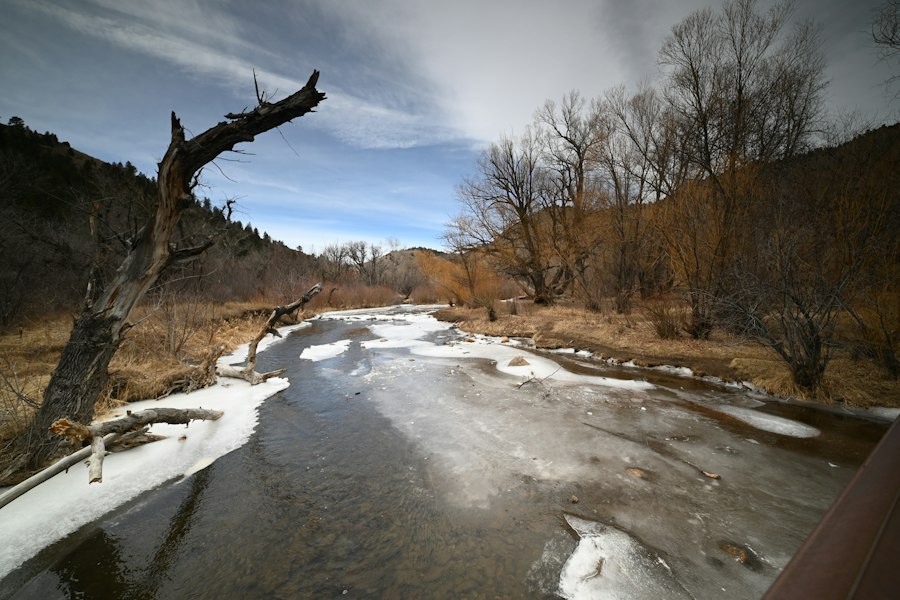
Despite the most diligent precautions, accidents could still happen. The sudden, terrifying sensation of falling through ice into frigid water was a life-threatening emergency. However, early humans had developed instinctive and learned responses to maximize their chances of survival. These immediate actions were critical, as hypothermia set in rapidly, and the shock of the cold could be paralyzing. Their survival depended on a swift, decisive, and often instinctual reaction.
The Importance of Immediate Escape and Self-Rescue
The absolute priority upon falling through ice was to get out of the water as quickly as humanly possible. There was no time for panic. The individual would need to immediately assess their surroundings. They would try to reach for the solid ice edge, using their arms to pull themselves up. If the edge was too far or unstable, they would look for any protruding objects – branches, rocks, or even the feet of companions – to gain leverage. The key was to move with purpose and urgency, channeling the adrenaline into a powerful surge of effort.
Spreading Weight to Avoid Further Breakage
Once the individual had managed to get a portion of their body out of the water, they would instinctively spread their weight as widely as possible to avoid breaking the ice further. Instead of trying to stand up immediately, they would often drag themselves onto the ice in a prone position, like a seal, distributing their weight over a larger area. This maneuver prevented them from sinking back into the water while they regained their strength and assessed their next move.
The Role of Companions in Rescue
Group cooperation was paramount in rescue situations. If someone fell through, their companions would immediately move to assist, but with extreme caution. They would lie down on the ice at a safe distance from the hole, further distributing their weight. One person might extend a pole, a sturdy branch, or even their own outstretched arm or leg to the victim. The victim would then grab on, and the rescuers would collectively pull them to safety. The strength of the group, acting in concert, was often the decisive factor in a successful rescue.
Immediate Steps to Combat Hypothermia
Once safely out of the water, the fight against hypothermia began. The primary goal was to remove wet clothing as quickly as possible, as wet materials conduct heat away from the body much faster than dry ones. Survivors would then seek immediate shelter and warmth. This might involve rubbing themselves vigorously with dry animal hides or furs, huddling together for body heat, or, if available, building a fire. The shared experience of the near-disaster would often strengthen bonds within the group, as mutual reliance and support were essential for continued survival.
Seasonal Considerations and River Behavior
Early humans understood that the safety of a frozen river crossing was not static but dynamic, dictated by the seasons and the unique characteristics of each river. Their knowledge was not limited to a single snapshot of winter but encompassed the entire annual cycle of a watercourse, from its icy embrace to its thundering spring thaw. This deep understanding of seasonal patterns was crucial for making informed decisions about when and where to cross.
The Dangers of Early and Late Winter
The transitional periods of early and late winter were often the most perilous for crossing frozen rivers. In early winter, before the ice had fully formed and thickened, rivers could be treacherous, with large areas of open water, thin ice, and unpredictable currents. Conversely, in late winter and early spring, as temperatures began to rise, the ice would start to weaken and melt from the edges inwards. Even seemingly solid ice could become brittle and unreliable, with hidden meltwater channels forming beneath the surface. Early humans would likely exercise extreme caution or avoid crossings altogether during these periods, relying on alternative routes or waiting for more stable conditions.
Identifying the Safest Times for Crossing
The mid-winter months, when the temperatures were consistently below freezing for extended periods, generally offered the safest conditions for crossing. During this time, the ice would have had the longest opportunity to form into a thick, solid sheet. However, even then, vigilance was required. Factors such as the river’s depth, the speed of its current, and the presence of underwater springs that could prevent freezing in certain areas meant that no two crossings were ever entirely without risk. Experienced individuals would still employ their assessment techniques to ensure the chosen path was indeed secure.
The Impact of River Dynamics on Ice Formation
The inherent characteristics of a river played a significant role in how it froze and, therefore, how safely it could be crossed. Fast-flowing rivers, for instance, were more difficult to freeze uniformly than slower-moving ones. The turbulence of rapid water could create thinner ice or prevent freezing altogether in certain sections. Rivers with deep channels or strong currents might also have areas where the ice was consistently weaker. Early humans would have learned the specific freezing patterns of the rivers in their territories, understanding which sections were historically more prone to ice formation and which were to be avoided.
Adapting to Different River Types
The diversity of river environments meant that early humans had to adapt their strategies accordingly. A wide, slow-moving river might freeze into a vast, relatively predictable sheet, allowing for more straightforward crossings. However, a narrower, faster river with rapids could present a more complex challenge, with ice forming in irregular patterns and potentially treacherous currents beneath. They would have developed a nuanced understanding of these differences, applying their core principles of ice assessment and cautious navigation with specific adaptations for each river type. This environmental adaptability was a cornerstone of their long-term survival.
Early humans demonstrated remarkable ingenuity in navigating their environments, particularly when it came to crossing frozen rivers safely during harsh winters. Their understanding of ice thickness and the behavior of water currents played a crucial role in ensuring their survival. For a deeper exploration of how ancient civilizations adapted to extreme conditions, you can read more about this fascinating topic in the article on uncovering the unknown past. This resource sheds light on the strategies employed by early humans to thrive in challenging climates.
The Legacy of Frozen River Crossings
| Metric | Description | Estimated Value | Source/Method |
|---|---|---|---|
| Ice Thickness | Minimum ice thickness required to support human weight safely | 7-10 cm (3-4 inches) | Ethnographic studies and modern ice safety guidelines |
| Crossing Speed | Average speed of early humans crossing frozen rivers to minimize exposure | 1-2 km/h | Archaeological trackway analysis and ethnographic analogy |
| Group Size | Number of individuals crossing simultaneously to distribute weight | 3-5 people | Anthropological studies of hunter-gatherer groups |
| Use of Tools | Tools used to test ice stability (e.g., sticks, spears) | Common practice | Ethnographic records and archaeological findings |
| Route Selection | Preference for narrower or shallower river sections to cross | Selected based on terrain | Environmental reconstructions and site analysis |
| Time of Day | Crossing during colder periods to ensure ice stability | Early morning or night | Ethnographic observations and climate data |
The ability of early humans to safely navigate frozen rivers was not merely a matter of brute strength or luck; it was a sophisticated demonstration of accumulated knowledge, keen observation, and adaptive intelligence. These ancient survival tips, honed over millennia, represent a profound connection to the natural world and a testament to the ingenuity that allowed our ancestors to thrive in harsh and unforgiving environments. Their legacy is etched not in stone monuments but in the very survival of our species, a continuous thread of knowledge passed down through generations.
A Foundation for Migration and Resource Access
The successful crossing of frozen rivers was instrumental in facilitating human migration and expansion across continents. These icy arteries served as highways, connecting disparate landscapes and allowing early populations to access new hunting grounds, find vital resources, and escape unfavorable conditions. Without the ability to overcome these formidable natural barriers, the spread of humanity would have been severely limited, shaping the course of human history in ways we can only begin to imagine.
The Evolution of Environmental Knowledge
The challenges posed by frozen rivers undoubtedly spurred the development of a sophisticated understanding of natural phenomena. Early humans became astute observers of weather patterns, ice dynamics, and the subtle signs of their environment. This knowledge was not static but was constantly refined through experience and shared learning. The lessons learned on frozen rivers contributed to a broader ecological intelligence, which informed all aspects of their survival, from hunting and shelter construction to tool-making and social organization.
A Testament to Human Adaptability and Ingenuity
Ultimately, the story of early humans crossing frozen rivers is a powerful narrative of human adaptability and ingenuity. Faced with extreme environmental challenges, they did not succumb but innovated. They developed techniques, shared knowledge, and demonstrated remarkable resilience. Their success in overcoming such significant obstacles underscores the inherent drive within humanity to explore, to overcome, and to thrive, a drive that continues to shape our species today. The frozen rivers of the past stand as silent witnesses to the remarkable capacity of our earliest ancestors to not just survive, but to flourish in a world of ice and wind.

20,000 Years Ago | The Coldest Journey in Human History
FAQs
1. How did early humans navigate frozen rivers?
Early humans navigated frozen rivers by using natural markers such as rocks, trees, and animal tracks to identify safe crossing points.
2. What tools did early humans use to cross frozen rivers?
Early humans used tools such as wooden sleds, animal skins for insulation, and ice picks to help them safely cross frozen rivers.
3. How did early humans test the thickness of the ice before crossing?
Early humans tested the thickness of the ice before crossing by using long poles to gently tap the surface and listen for a hollow sound, indicating thinner ice that should be avoided.
4. What precautions did early humans take when crossing frozen rivers?
Early humans took precautions such as traveling in groups, carrying extra clothing and supplies, and avoiding areas with visible cracks or flowing water under the ice.
5. How did early humans adapt their clothing for crossing frozen rivers?
Early humans adapted their clothing for crossing frozen rivers by wearing multiple layers of animal skins, fur-lined boots, and waterproof outer garments to stay warm and dry during the crossing.