Early humans weathered harsh winter freezes through a combination of clever adaptations in shelter, clothing, diet, and social behavior. It wasn’t just about brute strength; it was about smart strategies honed over millennia to outwit the cold.
Building a Winter Fortress: Shelter Innovations
When the mercury plummeted, finding or creating a safe haven was priority number one. Early humans were remarkably resourceful in their approach to shelter, understanding that blocking the elements was crucial for survival.
Natural Fortresses: Caves and Overhangs
Caves and rock overhangs were natural gifts that early humans quickly learned to exploit. These offered ready-made protection from wind, snow, and biting temperatures. They were often strategically chosen for their location, perhaps near water sources or hunting grounds, and their ability to retain some warmth. While a cave offered a good starting point, further modifications were often necessary.
Constructing Artificial Havens
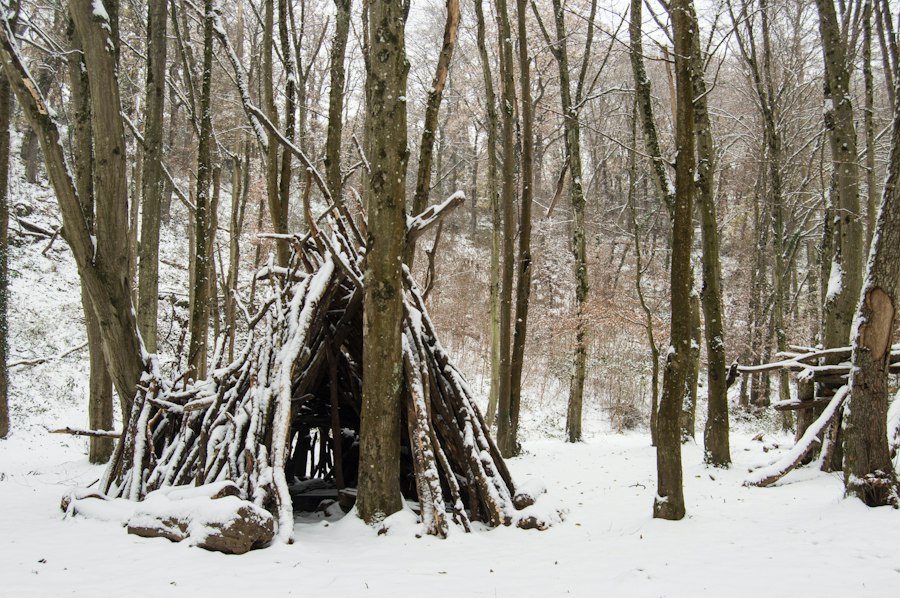
Beyond natural formations, early humans became adept builders. They erected tents covered in animal hides, creating portable and adaptable shelters. In more permanent settlements, they constructed huts using wood, mud, and even snow. The ingenuity extended to specialized structures like houses built from mammoth bones in regions where these giants roamed. These weren’t just simple lean-tos; they were designed with an understanding of insulation, often lined with animal skins, grasses, or other materials to trap heat and block drafts. The goal was always to create a microclimate that was significantly warmer and more protected than the outside world.
Early humans faced numerous challenges during the winter freeze, relying on their ingenuity and resourcefulness to survive the harsh conditions. They developed various strategies, such as creating insulated shelters, utilizing fire for warmth and cooking, and foraging for food. Understanding these survival techniques sheds light on the resilience of our ancestors. For a deeper exploration of ancient technologies that may have aided early human survival, you can read more in this related article: Lost Secrets: Who Buried Advanced Ancient Tech?.
The Power of Flame: Fire and Heat Strategies
Fire was more than just a source of light; it was a lifesaver during the long, dark, and cold winter months. Its mastery allowed early humans to thrive in environments that would otherwise be unsurvivable.
Fire as the Central Hub
Maintaining a fire was a constant and vital task. It provided warmth that could be felt deep within the shelter, a defense against predators drawn to the warmth, and a way to cook food, making it more digestible and safer. The smoke also helped deter insects and could be used for preserving food through smoking. The hearth was the heart of the early human winter dwelling, a focal point for communal activity and survival.
Advanced Heating Techniques
Beyond the open flame, early humans experimented with clever ways to distribute heat. They understood the insulating properties of certain materials and how to harness thermal mass. In some cases, stones would be heated in the fire and then placed within the shelter, or even buried in the ground to create a primitive form of underfloor heating. This radiated warmth for extended periods, making sleeping areas much more comfortable and helping to maintain a stable temperature within the dwelling.
Dressed for the Cold: Clothing and Craftsmanship

The clothing worn by early humans was a critical component of their winter survival strategy. It wasn’t just about wearing skins; it was about sophisticated layering and tailoring that offered maximum protection.
The Importance of Layering
The key to effective winter clothing was layering. Multiple thin layers trap air, which is an excellent insulator, far better than a single thick layer. Early humans would wear garments made from animal hides and furs, with the fur often facing inwards to provide maximum warmth against the skin. The outer layers would be designed to block wind and moisture.
The Revolution of the Needle
A significant leap in clothing technology came with the invention of the eyed bone needle, appearing around 30,000 years ago. This seemingly simple tool revolutionized tailoring. It allowed for the creation of much tighter-fitting garments, reducing gaps where cold air could penetrate. This meant clothes could be precisely cut and sewn to the contours of the body, offering superior windproofing and an optimized fit for warmth and mobility. This ability to craft custom-fit clothing was a game-changer for surviving extreme cold.
Fueling the Body: Diet and Preservation
Surviving winter meant having a reliable and energy-rich food supply. Early humans developed sophisticated strategies for hunting, preserving, and consuming foods that provided the necessary calories and fats to combat the cold.
Hunting Fat-Rich Prey
The winter months often meant less readily available plant food, so the focus shifted to animals. They actively hunted species known for their high fat content, which is crucial for energy and insulation. Bears, beavers, and waterfowl were particularly valuable targets, providing not only meat but also significant amounts of fat.
Maximizing Every Resource
Every part of a hunted animal was utilized. Bone grease, rendered from animal bones, was a rich source of fat and calories, often overlooked by less resourceful predators. Meat was preserved through various methods, including drying and smoking, but critically, it could also be stored effectively in the frozen conditions themselves. This allowed them to stockpile food, ensuring a supply throughout the lean winter months. The consumption of marrow from bones was also a vital source of fat and nutrients.
Early humans developed various strategies to survive the harsh winter freeze, relying on their ingenuity and resourcefulness to endure the cold months. They constructed shelters using available materials, learned to create fire for warmth and cooking, and stored food to ensure they had enough sustenance during the lean season. Understanding the importance of protection and preparation can also be seen in modern contexts, such as in the article about safeguarding assets during economic downturns. For more insights on this topic, you can read the article here.
Adapting the Body and Mind: Innate and Learned Strategies
| Survival Strategy | Description | Effectiveness | Evidence |
|---|---|---|---|
| Use of Fire | Early humans controlled fire to provide warmth and cook food. | High | Charcoal and hearth remains found in archaeological sites. |
| Clothing from Animal Skins | Wearing furs and hides to insulate against cold temperatures. | High | Bone needles and preserved skins discovered in caves. |
| Building Shelters | Constructing huts or using caves to protect from wind and snow. | Moderate to High | Remains of huts and cave dwellings found in various sites. |
| Hunting Large Game | Targeting large animals for high-calorie food to sustain energy. | Moderate | Stone tools and animal bones with cut marks. |
| Food Storage | Preserving meat and other food to last through scarce winter months. | Moderate | Indirect evidence from seasonal hunting patterns. |
| Group Cooperation | Sharing resources and working together to increase survival chances. | High | Social structures inferred from burial sites and tool sharing. |
Survival wasn’t solely about external tools and techniques. Early humans also exhibited physical and behavioral adaptations that aided their survival in frigid conditions.
Physical Adaptations for Cold
Over long periods, populations living in colder regions began to show physical traits that reduced heat loss. This included stockier body builds with more body fat, which acts as an insulator, and shorter limbs, which have a smaller surface area from which to lose heat. While not fully understood, some researchers have even proposed that very early hominins might have had periods of reduced activity akin to hibernation during the harshest winter months to conserve energy.
Conserving Energy Indoors
When the weather turned truly brutal, early humans became more sedentary. Instead of venturing out for long periods, they focused their energy on tasks within the shelter. This included processing hides for clothing and shelter, crafting and repairing tools, and preparing food. This reduction in overall activity helped conserve precious energy reserves that would otherwise be lost to the cold and physical exertion.
The Power of Collective Survival
Perhaps the most critical adaptation was social. Early humans survived winter through cooperation and planning. This included sharing food resources, so no individual or family starved. Group hunting efforts were more successful and safer. Communal childcare ensured that all members of the group, especially the young and vulnerable, were looked after. Cultural knowledge, passed down through generations, dictated where and how to build shelters, what foods were available and when, and how to navigate the challenges of the coldest seasons. This social fabric was the ultimate survival tool, enabling groups to collectively overcome the immense challenges of winter.

Life 20,000 Years Ago | When Your Ice Age Family Can’t Feed the Dog
FAQs
What strategies did early humans use to stay warm during winter?
Early humans employed various strategies to stay warm during winter, including building insulated shelters using materials like animal hides, wood, and stone. They also used fire for warmth and cooking, which was essential for survival. Additionally, they wore layered clothing made from animal skins to retain body heat.
How did early humans obtain food during the winter months?
During winter, early humans relied on hunting and gathering to obtain food. They hunted large game animals, such as mammoths and reindeer, which provided meat and fat for energy. They also gathered nuts, berries, and other edible plants that could be stored for winter use. Some groups practiced food preservation techniques, such as drying or smoking meat.
What role did social cooperation play in surviving winter?
Social cooperation was crucial for early humans’ survival during winter. Groups often worked together to hunt, gather resources, and share food. This collaboration helped ensure that all members of the group had access to necessary resources, increasing their chances of survival in harsh conditions.
Did early humans migrate to avoid winter conditions?
Yes, many early human groups practiced seasonal migration to avoid extreme winter conditions. They would move to warmer areas or follow animal herds that migrated to more hospitable climates. This nomadic lifestyle allowed them to access food and resources more effectively throughout the year.
What tools did early humans use to adapt to winter environments?
Early humans developed various tools to adapt to winter environments, including specialized hunting weapons like spears and bows for hunting large game. They also created tools for processing animal hides and bones, which were essential for making clothing and shelter. Additionally, they used fire-starting tools to maintain warmth and cook food.