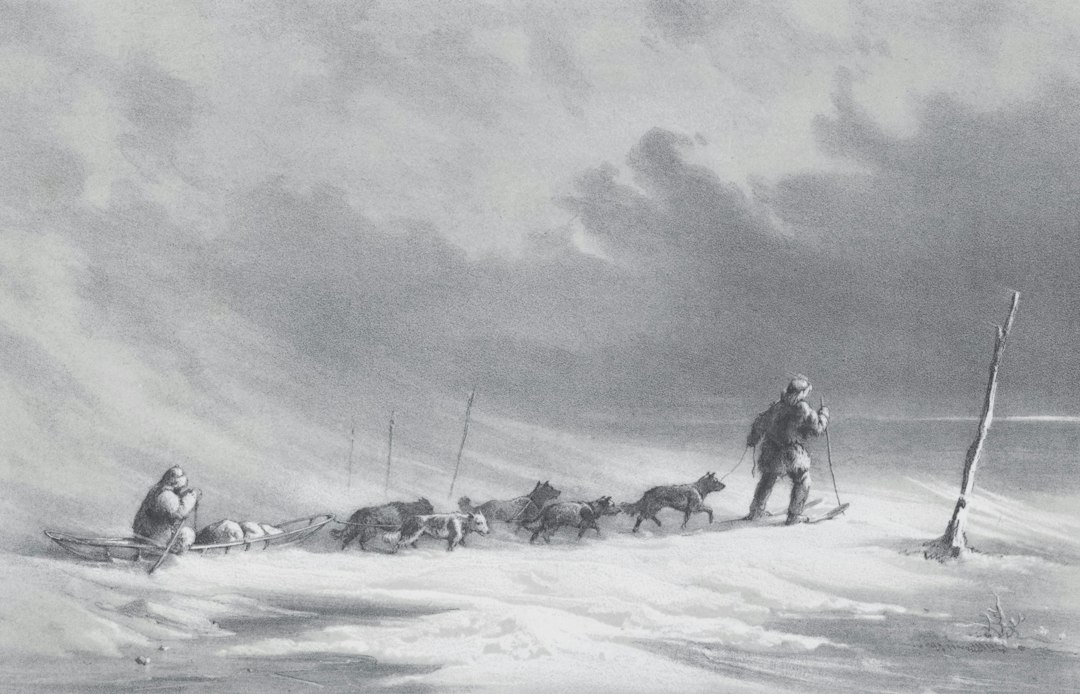
The biting wind, a constant companion on the frozen tundra, sculpted the landscape into a stark, unforgiving canvas. For early human hunters, traversing these brutal winter environments was not merely a daily challenge; it was a testament to their resilience, ingenuity, and deep understanding of natural rhythms. Their survival hinged on a complex interplay of strategic movement, efficient resource utilization, and, crucially, effective rest and recovery. To conquer the harsh winter climbs, these ancient peoples developed sophisticated strategies for recuperation, ensuring their bodies could endure the relentless demands of sub-zero temperatures and challenging terrain.
The Body’s Winter Burden
The physiological toll of prolonged exposure to extreme cold cannot be overstated. Early hunters, even with their robust constitutions and adaptations to cold, faced immense challenges simply maintaining core body temperature. Every calorie expended was a precious resource, meticulously managed to fuel both hunting expeditions and the body’s internal furnace. The constant need to conserve energy meant that rest was not a luxury but a fundamental necessity, integrated into the very fabric of their winter existence. Understanding the specific demands placed upon their bodies provides crucial insight into the importance of their recovery practices.
Energy Expenditure Under Duress
Winter hunting was an exercise in extreme energy expenditure. The thick pelts of prey required immense strength to bring down, and the act of butchering and transporting carcasses across snow and ice consumed vast amounts of calories. Beyond the direct act of hunting, the mere act of survival demanded significant energy. Simply moving through deep snow, often laden with equipment and provisions, was a formidable task. The body’s response to cold, shivering, also burns calories as it attempts to generate heat. This continuous drain on energy reserves made efficient recovery paramount. Without adequate rest, the hunter’s ability to perform would rapidly diminish, jeopardizing not only their own survival but that of their community.
The Perils of Hypothermia and Frostbite
Beyond the immediate energetic demands, the threat of hypothermia and frostbite loomed large. Prolonged exposure to sub-zero temperatures, even with appropriate clothing, could lead to a dangerous drop in core body temperature. This compromised cognitive function, reduced motor skills, and ultimately, if untreated, death. Frostbite, the freezing of skin and underlying tissues, could lead to permanent damage, impairing dexterity and mobility – skills essential for hunting and toolmaking. Therefore, seeking shelter and allowing the body to warm and repair itself was not just about comfort; it was a critical preventative measure against these life-threatening conditions.
The Psychological Strain of Isolation and Danger
The winter months often brought a degree of isolation. Reduced daylight hours, impassable terrain, and the scarcity of resources could separate hunting parties or limit their movements. This isolation, coupled with the constant awareness of danger from predators and the elements, placed a significant psychological strain on early hunters. Effective rest and recovery were not solely physical phenomena; they also encompassed periods of mental respite, allowing individuals to process the stresses of their environment and maintain their psychological fortitude. The ability to mentally disengage and find solace within their temporary shelters was as vital as physical recuperation.
Early human hunters faced significant challenges during deep winter climbs, requiring effective strategies for rest and recovery to endure harsh conditions. Understanding their methods can provide insights into their survival techniques and resilience. For a deeper exploration of ancient navigation methods that may have aided these early hunters in their journeys, you can read more in the article titled “Unraveling the Ancient Navigation Mystery” available at this link.
Strategic Shelter and Resting Sites

The choice of a resting place was a critical decision, dictating the effectiveness of recovery. Early hunters, deeply attuned to their environment, selected locations that offered optimal protection from the elements while also facilitating their hunting strategies. These were not haphazard choices but calculated decisions based on a nuanced understanding of topography, wind patterns, and available natural resources. The very act of constructing or utilizing these shelters was an integral part of the recovery process, providing a secure sanctuary from the winter’s fury.
Natural Fortresses: Caves and Overhangs
Caves and rock overhangs offered natural advantages as resting sites. Their inherent structure provided immediate shelter from wind and precipitation, and their insulated interiors helped retain warmth generated by body heat and any fires. The deep recesses of caves could offer a degree of protection from nocturnal predators, allowing for more secure and uninterrupted sleep. Hunters would often scout for these natural shelters during their foraging and hunting expeditions, marking them for future use. The geological formations themselves became vital allies in the struggle against the winter.
Improvised Dwellings: Snow Shelters and Lean-Tos
When natural shelters were scarce, early hunters demonstrated remarkable ingenuity in constructing temporary dwellings. Snow, a ubiquitous element of the winter landscape, proved to be an excellent insulator. Snow caves, meticulously carved out of deep drifts, could provide surprisingly warm and windproof havens. These structures, often built with surprisingly sophisticated techniques to ensure stability and ventilation, allowed hunters to create their own pockets of warmth in the vast, cold expanse. Similarly, lean-to structures, utilizing fallen branches and animal hides, offered a more rudimentary but effective barrier against the wind and snow, particularly when positioned strategically to block prevailing winds.
Proximity to Resources: Water and Game Trails
The strategic placement of resting sites also considered proximity to essential resources. Access to unfrozen water sources, even if they were merely meltwater trickles or ice that needed to be melted, was crucial. Equally important was positioning near known game trails or areas where prey was likely to congregate during the winter. This allowed for shorter, less energy-intensive excursions for sustenance and reduced the risk of becoming disoriented or expending excessive energy in prolonged searches. A well-chosen resting site could therefore support both recovery and continued hunting success.
The Ritual of Warming and Rejuvenation
Once sheltered, the process of physical and mental rejuvenation began. This involved a series of deliberate actions aimed at restoring body heat, repairing tissues, and alleviating the stresses of exertion and exposure. These rituals were not just about practical needs; they likely carried cultural and social significance, reinforcing communal bonds and offering psychological comfort.
The Power of Fire: Heat and Light
Fire was arguably the most critical element in the hunter’s recovery arsenal. The warmth generated by a carefully managed fire provided immediate relief from the cold, allowing for rapid rewarming of extremities and the restoration of core body temperature. Beyond its thermal properties, fire offered light, dispelling the oppressive darkness of winter nights and providing a psychological boost. It also served as a deterrent against nocturnal predators and was used for cooking, making food more digestible and releasing vital nutrients. The careful tending of the fire was a communal responsibility, ensuring its continuous operation throughout the resting period.
Utilizing Animal Hides: Insulation and Comfort
Animal hides, meticulously prepared, played a vital role in both shelter and personal comfort. These served as bedding, providing an insulating layer between the hunter and the cold ground. They were also incorporated into clothing, offering multilayered protection against the elements. The natural oils and fats present in hides contributed to their insulating properties, and their suppleness offered a degree of comfort after prolonged periods of exertion. The quality of the hide, and the skill with which it was prepared, directly impacted the hunter’s ability to achieve deep, restorative sleep.
Sustenance and Hydration: Fueling Recovery
The consumption of food and water was integral to the recovery process. During winter, high-energy, calorie-dense foods were prioritized. Fat-rich meats provided sustained energy and helped the body generate heat. Carefully prepared broths and stews, utilizing all parts of a hunted animal, maximized nutrient intake and provided essential hydration. Even in freezing temperatures, dehydration was a risk, and consuming melted snow or ice, often flavored with herbs or rendered fat, was crucial. The act of sharing food around a fire also fostered social cohesion and provided a sense of security.
Sleep and Dormancy: The Deep Repair
The ultimate goal of these restorative practices was to facilitate deep, uninterrupted sleep. This period of dormancy was when the body’s most significant repair mechanisms were activated. Understanding the nature of this sleep, and the environmental conditions that supported it, is key to appreciating the hunter’s survival strategies.
The Importance of Uninterrupted Rest
Unlike the fragmented sleep patterns of modern life, early hunters likely sought periods of prolonged, deep sleep. This allowed their muscles to repair from strenuous activity, their nervous systems to recover from stress, and their immune systems to function optimally. The absence of artificial light and the natural cycles of darkness would have facilitated a more natural sleep architecture, leading to more profound rest. Creating an environment conducive to this deep sleep – dark, warm, and secure – was a primary objective of their shelter choices and fire management.
Shivering as a Sleep Disruptor
Shivering, while a necessary mechanism for heat generation, is a significant disruptor of sleep. Therefore, ensuring the body was adequately warmed before attempting to sleep was paramount. The use of insulating materials, proximity to the fire, and the consumption of warming foods all contributed to suppressing shivering and allowing for the onset of restorative sleep. The ability to transition from a state of active thermogenesis to a state of rest without succumbing to chilling was a learned skill, honed through repeated exposure and practice.
Communal Sleeping and Shared Warmth
In many early human societies, communal sleeping arrangements were common. Sharing body heat within a shelter offered a significant advantage in colder climates. This practice not only conserved energy but also provided a sense of security and belonging. The presence of others could also offer an early warning system against potential dangers, allowing for a more relaxed and secure sleep. This shared warmth extended beyond the physical, fostering a sense of mutual reliance and support that was vital for psychological well-being.
Early human hunters faced significant challenges during deep winter climbs, requiring them to develop strategies for rest and recovery to ensure their survival. They likely sought shelter in caves or constructed temporary windbreaks, using available resources to create warmth and safety. Additionally, the social dynamics of these groups played a crucial role in their ability to rest, as cooperation and shared responsibilities allowed for more effective recovery periods. For a deeper understanding of how social structures influenced early human survival strategies, you can explore this related article on the archaeology of social collapse at unearthing the archaeology of social collapse.
The Long-Term Strategy of Seasonal Adaptation
| Aspect | Details | Impact on Recovery |
|---|---|---|
| Resting Locations | Caves, rock shelters, natural windbreaks | Provided protection from harsh weather, conserving body heat |
| Body Insulation | Animal hides, furs, layered clothing | Maintained core temperature, reduced energy loss during rest |
| Fire Use | Controlled fires near resting sites | Provided warmth, deterred predators, and improved comfort |
| Sleep Patterns | Short naps interspersed with periods of alertness | Balanced rest with vigilance for safety |
| Nutrition | High-fat and protein-rich foods from hunted animals | Supported energy replenishment and muscle recovery |
| Social Support | Group resting and sharing of resources | Enhanced survival chances and psychological well-being |
| Physical Recovery | Reduced activity during extreme cold periods | Allowed muscle repair and energy conservation |
The practices of rest and recovery were not isolated incidents but integral components of a broader, long-term strategy of seasonal adaptation. Early hunters understood that winter was a period of scarcity and heightened risk, and their lives were structured to navigate these challenges with maximum efficiency. Their ability to survive and thrive in harsh winter conditions was a testament to their deep connection with the natural world and their capacity for sophisticated, forward-thinking planning.
Planning for Winter’s Demands
The hunting and gathering activities of the warmer months were intrinsically linked to winter survival. This included stockpiling food resources, preparing durable clothing and tools, and scouting for reliable winter shelters and water sources. The knowledge accumulated over generations about animal behavior, weather patterns, and the availability of resources during the harsh winter months informed every aspect of their preparation and subsequent recovery strategies. This foresight allowed them to mitigate the most extreme demands of the season.
The Cycle of Hardship and Respite
Winter hunting was characterized by periods of intense exertion followed by carefully managed periods of rest and recovery. This cyclical pattern, dictated by the demands of hunting, the availability of prey, and the need to conserve energy, was fundamental to their survival. They understood that pushing their bodies to the absolute limit without adequate respite would lead to inevitable collapse. Therefore, the ability to recognize the signs of fatigue and to strategically withdraw to a safe and warm location to recuperate was as crucial as the skill of the hunt itself.
The Knowledge Passed Down: A Legacy of Resilience
The knowledge of how to survive and recover during harsh winter climbs was not innate; it was learned and meticulously passed down through generations. Elders shared their wisdom with younger hunters, demonstrating techniques for shelter construction, fire management, and the identification of safe resting sites. This intergenerational transfer of knowledge was the bedrock of their resilience, ensuring that the skills necessary for navigating the unforgiving winter landscape persisted and evolved. It was a legacy built on observation, experimentation, and the profound understanding that survival depended on mastering both the challenge of the climb and the art of recovery.

Life 20,000 Years Ago | When an Ice Age Wildfire Traps Your Primitive Family
FAQs
What strategies did early human hunters use to rest during deep winter climbs?
Early human hunters utilized various strategies to rest during deep winter climbs, including finding natural shelters such as caves or overhangs, building temporary structures from snow and branches, and using animal hides for insulation. They often planned their hunts around the availability of these resting spots to ensure they could recuperate effectively.
How did early humans stay warm while resting in winter?
To stay warm while resting in winter, early humans relied on several methods. They would huddle together to share body heat, use fire for warmth, and wrap themselves in animal skins or furs. Additionally, they would often create insulated bedding from leaves, moss, or snow to minimize heat loss from the ground.
What types of food did early human hunters consume during winter climbs?
During winter climbs, early human hunters primarily consumed high-energy foods that were rich in fat and protein. This included hunted game such as deer, seals, and other animals, as well as gathered foods like nuts and dried fruits. They often preserved food by drying or smoking it to ensure they had enough sustenance during harsh conditions.
How did early humans manage hydration during winter climbs?
Early humans managed hydration during winter climbs by melting snow or ice for drinking water. They also consumed moisture-rich foods, such as fresh meat or fish, which helped supplement their hydration needs. Additionally, they were aware of the importance of staying hydrated, even in cold conditions, to maintain their energy levels.
What role did social structures play in the recovery of early human hunters?
Social structures played a crucial role in the recovery of early human hunters during winter climbs. Group dynamics allowed for shared responsibilities in hunting, gathering, and caring for the sick or injured. This cooperation ensured that individuals could rest and recover while others took on the tasks necessary for survival, fostering a sense of community and support.