The gentle crackle of the fire was a constant companion, a beacon in the encroaching darkness. Around it, the faces of the tribe gathered, etched with the day’s labor and the quiet contemplation that settled with the twilight. Among them, seated closer to the flames, were the elders. Their bodies might have carried the stoop of years, their movements slower, but their presence was a gravitational force, anchoring the community. In the tapestry of early tribal life, the protection of these elders was not merely a matter of sentiment; it was a fundamental pillar of survival, a testament to their invaluable role as repositories of wisdom, experience, and the very essence of the group’s identity.
The Council of the Aged: Wisdom Forged in Time
The elders were not simply passive recipients of care; they were active contributors, their minds and memories serving as the tribe’s most precious library. The skills and knowledge passed down through generations were not etched in books but in the stories, songs, and practical demonstrations of these seasoned individuals. Their protection was therefore an investment in the future, ensuring that the accumulated learning of their ancestors would not be lost to the winds of time or the harsh realities of their environment.
The Repository of Survival Techniques
Every tribe faced a unique set of challenges dictated by their geography, climate, and available resources. The elders were the living embodiment of the solutions to these challenges. They remembered the signs of approaching storms, the medicinal properties of plants, the habits of game animals, and the best times for foraging. This knowledge was not theoretical; it was practical, honed by countless seasons of observation and trial-and-error.
For instance, in a region prone to drought, the elders would recall the locations of hidden water sources, underground springs that sustained life when surface water evaporated. They would remember which roots held moisture, which berries were safe to eat during lean times, and how to preserve food through drying or smoking. Similarly, in a forest environment, elders would be knowledgeable about the different types of wood suitable for fire, shelter, and tool-making, as well as the subtle tracks that revealed the presence of prey or potential predators. Their ability to distinguish edible from poisonous plants, often learned through painful lessons by their own predecessors, was a critical safeguard against accidental poisoning. This accumulated wisdom was not static; it evolved with the environment, and the elders were the living conduits of this continuous adaptation.
The Oral Tradition: Unwritten Histories and Moral Frameworks
Beyond practical survival skills, elders were the guardians of the tribe’s history, mythology, and social norms. They were the storytellers, weaving tales of creation, heroic deeds, and cautionary fables that shaped the moral compass of the younger generations. These narratives were more than entertainment; they were the fabric of collective identity, instilling values, reinforcing social bonds, and explaining the tribe’s place in the cosmos.
The elders’ memory was the tribe’s unwritten history book. They recounted the lineage of the chiefs, the origins of their customs, and the lessons learned from past conflicts or natural disasters. These stories served as blueprints for behavior, illustrating the consequences of greed, the rewards of cooperation, and the importance of respecting the natural world. They also provided a sense of continuity and belonging, connecting individuals to a long line of ancestors and assuring them that they were part of something larger than themselves. The recounting of myths and legends not only entertained but also provided a shared understanding of the world and the spiritual forces that were believed to govern it. This shared understanding was crucial for maintaining social cohesion and preventing internal strife.
Navigating Inter-Tribal Relations and Diplomacy
In a world where resources were often scarce and territories contested, successful navigation of inter-tribal relations was paramount for survival. Elders, with their long experience and broader perspective, were often the most adept diplomats. They remembered past alliances, feuds, and the intricate dance of negotiation and compromise required to maintain peace or forge beneficial partnerships. Their wisdom prevented hasty decisions that could lead to devastating conflict, and their counsel often guided the tribe towards peaceful resolutions or strategic alliances.
The elders’ accumulated knowledge of other tribes was a vital asset. They knew the customs, temperaments, and strengths of neighboring groups, allowing for more informed decisions regarding trade, marriage alliances, or potential hostilities. Their ability to read subtle cues in the demeanor of emissaries or the unspoken intentions behind gestures often prevented misunderstandings that could escalate into violence. They were the living archives of diplomatic history, understanding which past approaches had succeeded and which had failed, thereby guiding present-day interactions with a prudence born of experience. This wisdom was particularly crucial in times of scarcity, when competition for resources could easily spark conflict.
In examining the ways early human tribes protected their elders, it is fascinating to consider the social structures and cultural practices that emerged to ensure their safety and well-being. Elders were often seen as the keepers of wisdom and tradition, making their protection vital for the survival of the tribe. A related article that delves into the complexities of tribal dynamics and the importance of community roles can be found at this link. This resource provides insights into how different groups navigate their social hierarchies, which can shed light on the historical significance of elder protection in tribal societies.
Physical Guardianship: Shelter, Sustenance, and Security

While their wisdom was their primary contribution, the elders also required and received direct physical protection from the rest of the tribe. Their vulnerability was acknowledged, and the younger, stronger members understood that their own well-being was intrinsically linked to the well-being of those who held the tribe’s collective memory and experience.
Strategic Placement and Shelter
Elders were often afforded the most secure and comfortable living spaces within the tribe’s settlement. This meant being closer to the central hearth, offering warmth and a constant source of light and company. Their shelters were typically sturdier, better insulated, and less exposed to the elements. This thoughtful arrangement not only ensured their physical comfort but also minimized their risk of exposure to harsh weather or accidental injury.
During migrations or periods of conflict, the elders were prioritized. They were among the first to be moved to safety, positioned in the center of defensive formations or evacuated to pre-determined safe havens. Their slower pace of movement was anticipated and accommodated, with designated individuals tasked with their escort and protection. The communal effort to ensure their safety during transit highlighted the deep-seated respect and obligation felt by the tribe towards its aged members. The construction of their dwellings often involved the collective labor of younger members, ensuring that their homes were well-built and secure, a visible manifestation of the tribe’s commitment to their care.
In examining the ways early human tribes safeguarded their elders, it becomes evident that these practices were rooted in a deep respect for wisdom and experience. Elders often served as the keepers of knowledge, guiding the community through challenges and decisions. Interestingly, this theme of protection and respect for leaders can also be seen in contemporary contexts, such as in the ongoing struggles faced by communities in Sudan. For a deeper understanding of how these dynamics play out in modern conflicts, you can read more in this insightful article about the situation in Sudan, which highlights the importance of leadership and community resilience. To explore this further, visit this article.
Provisioning and Care: A Collective Responsibility
The daily sustenance of the elders was a communal undertaking. While they might have contributed to lighter tasks like preparing food or tending to the young, the more strenuous activities of hunting, gathering, and heavy labor were primarily the domain of the younger adults. Food was brought to them, their needs anticipated, and their comfort prioritized. This ensured that their limited energy was preserved for their crucial intellectual and spiritual contributions.
The sharing of food was a deeply ingrained ritual. The choicest portions of a kill, the ripest fruits, and the most nourishing roots were often reserved for the elders, a tangible expression of gratitude and respect for their lifelong contributions. This provisioning was not seen as charity but as a reciprocal obligation, a repayment of the knowledge and guidance they had freely given. Illness or injury among the elders would trigger a heightened level of care, with individuals tending to their wounds, administering remedies identified by other elders, and providing constant vigil. The communal nature of this care reinforced the idea that the elders were the responsibility of the entire tribe, not just a select few.
Protection from External Threats
In the face of external dangers, such as predator attacks or raids from rival tribes, the elders were a primary concern. They were often placed within the most defensible areas of the settlement, surrounded by the strongest warriors. During periods of heightened threat, they might be moved to designated secure locations, away from the immediate line of defense. The rationale was clear: the loss of an elder represented an irreplaceable loss of wisdom and a blow to the tribe’s very identity and future.
When the tribe was on the move, the elders’ safety was a paramount consideration in the march order. They were typically placed in the center of the group, shielded by a protective perimeter of warriors. Their pace was accommodated, and any indication of fatigue or distress was met with immediate support. The communal commitment to protecting the elders during such vulnerable times underscores their profound importance to the survival and continuity of the tribe. The warriors understood that defending the elders was not just about protecting individuals, but about safeguarding the collective memory and future of their people.
The Rituals of Reverence: Honoring the Wisdom Keepers
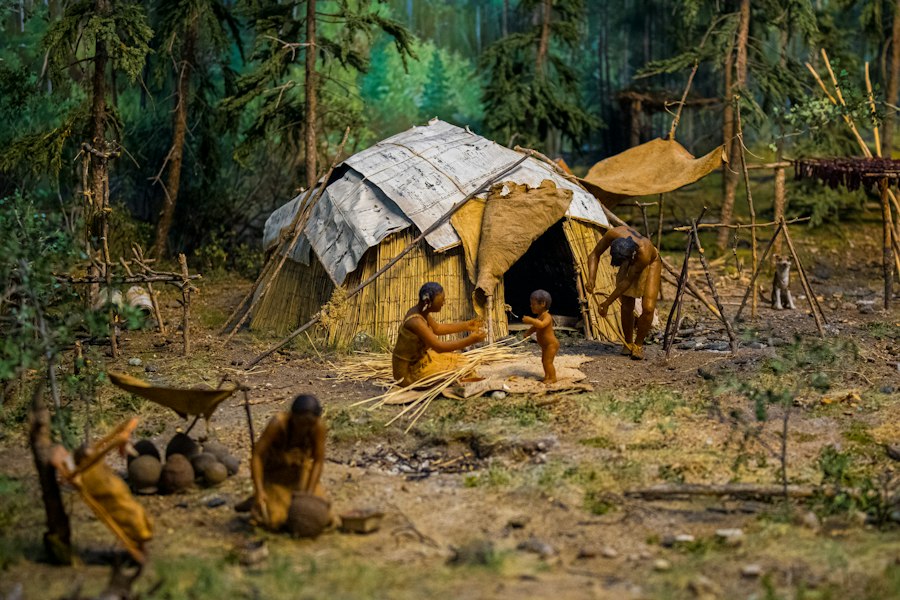
Beyond the practicalities of shelter and sustenance, early tribes developed rich cultural and spiritual practices to honor their elders, reinforcing their esteemed status and the importance of their knowledge. These rituals served to solidify intergenerational bonds and ensure the elders’ continued influence.
Ceremonies of Knowledge Transfer and Blessing
Many tribes had specific ceremonies where elders imparted vital knowledge to the younger generations. These could be initiation rites, seasonal gatherings, or moments of significant communal decision-making. During these events, elders would share stories, demonstrate skills, and offer blessings, officially sanctioning the transfer of responsibility and wisdom.
For example, during a coming-of-age ceremony, an elder might recount the tribe’s origin myths and the trials faced by their ancestors, imbuing the adolescent with a sense of history and purpose. The elder might then demonstrate the proper way to hunt a specific animal or craft a particular tool, signifying the passing of this essential skill. These ceremonies were not merely symbolic; they were often accompanied by offerings or sacrifices, further emphasizing the sacred nature of the knowledge being transmitted and the revered status of those imparting it. Such rituals served as powerful reinforcement of the elders’ authority and the value of their teachings, ensuring that their wisdom was actively sought and deeply respected.
The Role of Elders in Dispute Resolution and Governance
The elders were often the primary arbiters of disputes and advisors to tribal leaders. Their impartiality, often attributed to their detachment from the immediate passions and personal stakes of younger individuals, made them ideal mediators. Their decisions were frequently respected and enforced, contributing to social harmony and the smooth functioning of the tribe.
In many societies, the council of elders held significant political sway, their opinions shaping major decisions related to warfare, migration, resource allocation, and inter-tribal relations. Their long-term perspective, unclouded by immediate gratification or personal ambition, allowed them to guide the tribe towards sustainable and beneficial outcomes. This role as wise counselors and judges further cemented their protected status, as their continued presence and counsel were vital for the tribe’s overall stability and prosperity. The respect for their judgments often stemmed from the understanding that they had witnessed the consequences of rash decisions throughout their lives and had learned from them.
Ancestral Veneration and Elder Connection
In many cultures, there was a strong connection between the living elders and the ancestral spirits. Elders were often seen as conduits to the spirit world, able to commune with or interpret the will of deceased ancestors. This spiritual authority further elevated their status and necessitated their careful protection, as they were seen as essential links to the spiritual realm and the guiding forces of the past.
The veneration of ancestors often translated into a deep respect for the living elders who embodied that ancestral wisdom. Offerings or prayers might be made not only to the deceased but also to the elders, acknowledging their role as living embodiments of the tribe’s heritage and spiritual continuity. This spiritual dimension added another layer of protection, as harming an elder could be seen as not only a physical transgression but also a spiritual one, inviting the displeasure of the ancestors and potentially bringing misfortune upon the entire tribe. This deep-seated belief system ensured that the elders were not only physically protected but also held in a state of profound reverence.
The Evolutionary Advantage: Why Protecting Elders Was Key to Survival
The practice of protecting elders was not simply a cultural quirk; it was an evolutionary advantage that significantly contributed to the long-term survival and success of early human societies. Their presence and protection provided a tangible benefit that enhanced the group’s resilience and adaptability.
Continuity of Knowledge in a Changing World
In environments characterized by unpredictability and rapid change, the ability to retain and adapt knowledge was crucial. Elders, with their vast accumulated experience, provided a vital buffer against catastrophic loss. Their survival ensured that crucial survival strategies, environmental knowledge, and cultural traditions were passed down, allowing the tribe to navigate new challenges and maintain continuity.
When a new disease swept through the animal population, or a drastic shift in weather patterns occurred, it was the elders who often remembered similar events from the past and could offer insights into how their ancestors had coped. This historical perspective was invaluable for adapting to novel threats. The preservation of their lives meant the preservation of a living database of survival strategies, offering a significant advantage over groups that might have lost their most experienced members. This continuity of knowledge was a crucial factor in preventing extinction and fostering the development of more sophisticated survival techniques over time.
Social Cohesion and Stability
The communal act of protecting elders fostered strong social bonds and reinforced a sense of collective responsibility. This social cohesion was vital for cooperation in hunting, defense, and the raising of young. The emphasis on caring for the vulnerable, particularly those who had contributed so much, created a more empathetic and stable society, less prone to internal conflict and more capable of unified action.
The shared commitment to safeguarding the elders created a powerful sense of mutual reliance. Younger members saw that their own future well-being was dependent on the collective health of the tribe, and that caring for the elderly was an investment in their own security and the security of their descendants. This reinforced a cooperative ethos that was essential for the survival of small, often isolated, groups facing immense pressures from both the natural and social environment. The elders, by their very presence and the tribe’s care for them, became symbols of the group’s strength and its commitment to its own continuity.
Reduced Risk of Catastrophic Learning Loss
The loss of a single elder could represent the loss of a lifetime’s worth of accumulated knowledge, a catastrophic event for a small, isolated community. By investing resources and effort in protecting their elders, tribes minimized the risk of such devastating knowledge gaps. This ensured that essential skills, medicinal knowledge, and survival techniques were not lost to chance or misfortune.
In a world where formal education systems did not exist, the elders were the living textbooks. Their protection was akin to safeguarding invaluable libraries. This proactive approach to knowledge preservation allowed for the gradual refinement and advancement of tribal practices over generations, leading to more efficient resource utilization, improved health outcomes, and a greater overall capacity to thrive. The systematic protection of elders was therefore a critical strategy for ensuring the long-term viability and development of early human societies, a testament to their understanding of the profound value of accumulated wisdom.