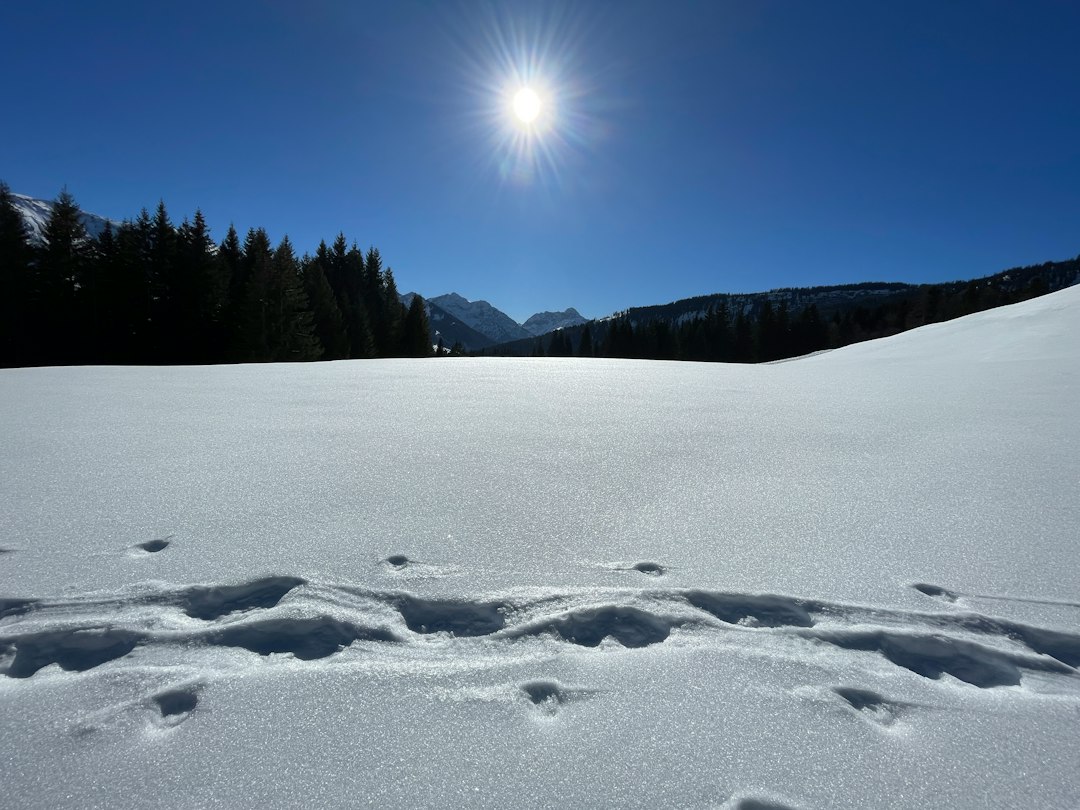
The hush that descends with a fresh blanket of snow is more than just a sensory experience; it’s a profound transformation of the wild world. For the dedicated tracker and the keen observer of wildlife, this pristine canvas offers an unparalleled opportunity to engage with the hidden lives of animals. Tracks that were once obscured by leaf litter, dry grass, or muddied ground now stand out in stark relief, revealing a narrative of movement, interaction, and survival. The very act of observing animal behavior is fundamentally altered, shifting from passive identification to active interpretation of a dynamic story written in the snow.
The Unveiling of Secret Highways
A fresh snowfall acts as nature’s ultimate concealer and revealer. Prior to its arrival, the forest floor and open fields present a complex tapestry of textures and scents, often making it difficult to discern the passage of even the largest creatures. Underbrush can hide subtle indentations, and dry conditions can leave little to no trace of an animal’s presence. The uniformity of fresh snow, however, erases these obstacles. Every footprint, every scuff mark, every broken twig becomes a beacon, broadcasting the recent activity of the local fauna. This temporary clarity allows for an unprecedented understanding of how animals utilize their environment. It highlights the well-worn paths that animals tread, revealing their “highways” through the landscape – routes they consistently follow for foraging, travel between den sites, or access to water sources.
Mapping Animal Routes and Territories
The immediate aftermath of a snowfall is a treasure trove for mapping. Observers can meticulously document the extent of an animal’s known territory by following its tracks. A series of consistent prints leading from a particular area to a food source, for instance, helps define feeding grounds. Likewise, tracks leading away from a known den or nest site can delineate the boundaries of a defended space. This mapping is not static; the changing weather and snow conditions will alter the landscape again. However, the initial fresh snowfall provides a snapshot of typical movement patterns, offering insights into territorial marking, social interactions (such as the distance between individuals of the same species), and the avoidance of perceived threats. The detailed recording of these routes contributes to a deeper understanding of animal ecology and population dynamics within a given area.
Identifying Specific Species and Individuals
The clarity provided by fresh snow significantly enhances the ability to identify not just species but, in some cases, individual animals. While distinct species have characteristic gait patterns and print shapes, the depth and clarity of a print in snow can reveal subtle details. For example, the splay of a fox’s toes versus a coyote’s, or the distinct claw marks of a bobcat, become more pronounced. More importantly, the size and stride length of an animal can be measured directly from the snow, providing data on the physical characteristics of the individuals observed. In some instances, unique wear patterns on paw pads or the presence of injuries can even lead to the identification of returning individuals, allowing for long-term monitoring of their movements and survival. This level of detail is rarely achievable during other seasons, making fresh snow a critical period for detailed wildlife surveys.
Fresh snow can significantly alter the landscape, providing a unique opportunity for tracking animal movements and behaviors. The pristine white blanket not only highlights the footprints of various wildlife but also reveals patterns of activity that might otherwise go unnoticed. For a deeper understanding of how environmental changes influence animal behavior, you might find the article on social dynamics in ancient cities insightful. It discusses how shifts in surroundings can impact social structures, much like how fresh snow impacts animal tracking. You can read more about it here: Uncovering Social Fracture in Ancient Cities.
Deciphering the Language of Tracks

Animal tracks in snow are not merely directional indicators; they are a form of silent communication, a narrative waiting to be deciphered. Each impression tells a story about the animal’s intent, its physical state, and its interactions with its environment and other creatures. The size, shape, depth, and spacing of tracks, along with associated signs like droppings or scent marks, combine to form a complex lexicon that experienced trackers can read with remarkable accuracy. The fresh, untroubled surface of new snow is crucial for this interpretation, as it preserves the integrity of these subtle cues.
Gait Analysis: Understanding Movement Patterns
The way an animal walks, trots, bounds, or leaps leaves a distinct pattern of footprints. Analyzing these gaits in fresh snow allows observers to differentiate between various forms of locomotion and understand the efficiency with which an animal moves. A fox, for instance, often uses a “direct register” gait, where its hind paws land precisely in the prints left by its front paws, conserving energy and minimizing scent. A deer, on the other hand, might have a more staggered stride. The distance between prints (stride length) and the distance between left and right prints (straddle) provide further clues about the animal’s speed, age, and physical condition. Observing a bounding pattern, for example, might indicate an animal in pursuit or fleeing danger, whereas a slow, deliberate walk could suggest foraging or exploration.
Behavioral Clues: Foraging, Predation, and Socialization
Fresh snow is particularly adept at revealing subtle behavioral clues that would otherwise be lost. A series of tracks that meander through a patch of low-lying vegetation, punctuated by small digs, strongly suggests foraging for seeds or roots. Conversely, tracks that suddenly become erratic, with short, sharp bursts of speed and signs of struggle, could indicate a predator-prey encounter. The presence of predator tracks trailing a prey animal’s, with the intensity of the prints increasing as the chase progresses, offers a dramatic glimpse into the harsh realities of the wild. Social interactions are also illuminated; multiple sets of tracks converging, diverging, or interacting in a particular area can hint at mating rituals, territorial disputes, or the movement of family groups. The presence of scat, often clearly visible against the white backdrop, provides further information about diet, health, and species.
The Snow as a Natural Observation Blind

Beyond the direct observation of tracks, the presence of snow subtly alters the dynamics of wildlife observation itself. The uniform white landscape can, paradoxically, make animals more conspicuous, especially when they move. However, it also provides a unique form of natural camouflage for observers who are adept at blending in. The quiet that snow brings also plays a significant role, dampening sound and allowing for closer, less intrusive observations of animal behavior.
Enhanced Visibility of Stationary Animals
While it might seem counterintuitive, fresh snow can significantly increase the visibility of animals, particularly those that are not adapted to camouflage in white. A dark-furred mammal, like a raccoon or a badger, stands out starkly against a white backdrop. Similarly, birds, especially those with darker plumage, become easier to spot as they forage on the snow-covered ground. Even animals with natural camouflage, such as ptarmigan or arctic hares that have molted into their white winter coats, can be observed against the contrasting darker shadows or the subtle variations in snow depth and texture. This heightened visibility allows observers to spot animals that might otherwise remain hidden in dense foliage or undergrowth.
The Easing of Approach and the Reduction of Disturbance
The insulating properties of snow have a remarkable effect on sound. Heavy snowfall can dampen ambient noise considerably, creating a profound silence that is conducive to stealthy approaches. This quiet environment allows observers to move through the landscape with a reduced risk of startling animals. Furthermore, the act of walking on snow, especially with appropriate snowshoes or skis, can be quieter than walking on dry ground with leaf litter or twigs. This combination of reduced sound and the ability to move stealthily enables observers to get closer to wildlife than is often possible during other seasons, leading to more intimate and detailed observations of their natural behaviors without causing undue stress or disturbance. The reduced disturbance is paramount for ethical wildlife observation.
Opportunities for Scientific Study and Conservation Efforts
The unique conditions presented by fresh snow offer invaluable opportunities for scientific research and conservation initiatives. The data gathered during these periods can inform critical decisions about habitat management, population assessment, and the long-term survival of vulnerable species. The ability to precisely document animal movements, diet, and interactions provides a baseline for understanding ecological processes and identifying potential threats.
Winter Ecology and Food Web Dynamics
Fresh snow is a critical period for understanding winter ecology and the intricate dynamics of food webs. Observing which animals are active and what they are consuming provides crucial data on energy transfer during a time of scarcity. For instance, tracking the movements of predators like owls or martens can reveal their hunting success rates and preferred prey species. Similarly, observing herbivores as they forage for sparse vegetation beneath the snow sheds light on their dietary adaptations and the availability of food resources. This information is vital for understanding the health and resilience of entire ecosystems during the challenging winter months, a period that can significantly impact population numbers going into the spring breeding season.
Tracking Endangered Species and Monitoring Population Health
For endangered or rare species, fresh snow can be a game-changer for conservation efforts. Many of these species are elusive and difficult to track during warmer months. The clear visibility of their tracks in snow allows researchers to determine their presence, distribution, and activity patterns with greater accuracy. Measuring the size and frequency of their footprints can provide estimates of population size and density. Furthermore, the condition of the tracks and any associated signs, such as droppings or evidence of disease, can offer insights into the health of individual animals and the overall population. This data is essential for developing effective conservation strategies, identifying critical habitats, and monitoring the success of reintroduction or habitat restoration programs. The ability to identify and monitor these animals during winter can be the difference between their survival and their decline.
Fresh snow can significantly alter the landscape for animal tracking, providing a pristine canvas that reveals the movements and behaviors of wildlife. The delicate imprints left by paws, hooves, and claws offer valuable insights for researchers and enthusiasts alike. For a deeper understanding of how environmental changes, such as climate fluctuations, impact wildlife patterns and tracking methods, you might find this article on climate change lessons particularly enlightening. By examining these connections, we can better appreciate the intricate relationship between weather conditions and animal behavior in snowy environments.
The Enduring Allure of the Snowy Landscape
| Metric | Fresh Snow Impact | Explanation |
|---|---|---|
| Track Visibility | High | Fresh snow provides a clear, contrasting surface making tracks more visible. |
| Track Definition | Sharp | Edges of footprints are crisp and well-defined in fresh snow. |
| Track Longevity | Short | Fresh snow tracks can be quickly altered by wind or additional snowfall. |
| Track Depth | Variable | Depth depends on snow density and animal weight; fresh snow is often softer. |
| Track Distortion | Low initially | Fresh snow preserves original track shape before melting or wind affects it. |
| Animal Movement Patterns | More detectable | Fresh snow captures recent movements, aiding in tracking behavior analysis. |
| Predator-Prey Interaction Evidence | Enhanced | Fresh snow can capture chase sequences and interactions more clearly. |
The transformation that fresh snow brings to animal tracking and wildlife observation is not merely a practical advantage; it is an experience that touches upon a deeper connection with the natural world. The quiet beauty of a snow-covered landscape, coupled with the thrill of deciphering the stories left behind by its inhabitants, creates an enduring allure. It is a reminder of the intricate web of life that continues to thrive, even in the most challenging of conditions, and the profound insights that can be gained when we take the time to observe and understand.
Renewed Appreciation for Wilderness and Wildlife
The act of tracking animals in fresh snow cultivates a profound sense of appreciation for the resilience and adaptability of wildlife. Witnessing the intricate paths animals carve through the landscape, their strategies for survival, and the subtle dramas that unfold in their daily lives fosters a deeper respect for the wilderness. It highlights the fact that even in seemingly barren winter landscapes, life persists and thrives. This direct engagement with the natural world, facilitated by the unique conditions of snow, can ignite a passion for conservation and a desire to protect these precious ecosystems and the creatures that call them home. It reminds observers that they are but one part of a larger, interconnected natural tapestry.
The Art and Science of Tracking: A Lifelong Pursuit
The skills involved in tracking animals in fresh snow represent a blend of meticulous science and intuitive art. It requires a keen eye for detail, a patient demeanor, and a willingness to learn and adapt. The interpretation of tracks is a learned skill, honed through years of practice and observation. Each snowfall presents new lessons, new challenges, and new discoveries. This pursuit is not merely about identifying animals; it is about understanding their place in the ecosystem, their evolutionary adaptations, and the subtle interplay of forces that shape their lives. For those who embrace it, animal tracking in fresh snow becomes a lifelong journey of discovery, a continuous dialogue with the wild, and an enriching experience that connects them more deeply to the planet’s natural heritage. It’s a practice that encourages mindfulness, observation, and a profound respect for the silent narratives unfolding all around us.

Life 20,000 Years Ago: How Humans Survived the Ice Age
FAQs
How does fresh snow affect animal tracks?
Fresh snow can make animal tracks more visible and easier to identify, as the impressions left by their feet are clearer and more defined.
Why do some animals avoid walking in fresh snow?
Some animals may avoid walking in fresh snow because it requires more energy and effort to move through, leaving them more vulnerable to predators.
Can fresh snow alter the size and shape of animal tracks?
Yes, fresh snow can alter the size and shape of animal tracks by filling in details and distorting the original impression, making it harder to accurately identify the animal.
How can animal behavior change in response to fresh snow?
Animals may alter their behavior in fresh snow by changing their movement patterns, seeking shelter, or adjusting their foraging strategies to adapt to the new environmental conditions.
What are some tips for accurately identifying animal tracks in fresh snow?
To accurately identify animal tracks in fresh snow, it is important to look for key features such as the number of toes, claw marks, and the spacing between tracks, as well as considering the size and shape of the prints.