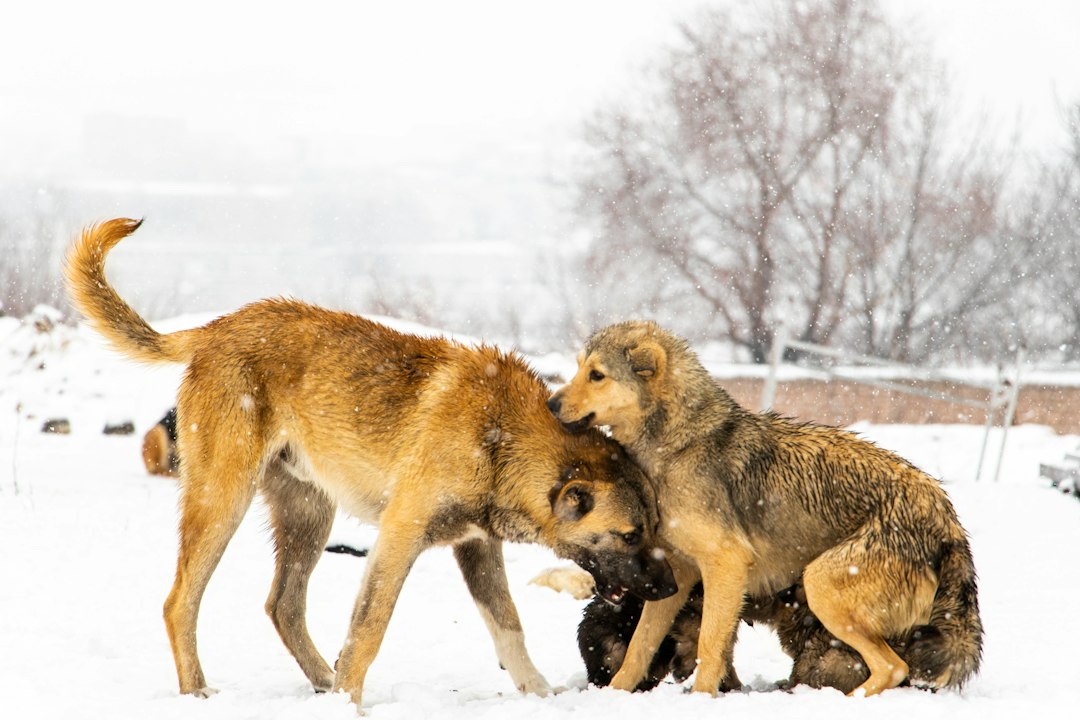
It’s pretty fascinating to think about how we ended up with dogs by our sides. The general consensus is that it all started way back during the Ice Age, and it wasn’t a sudden event, but more of a gradual process that unfolded over thousands of years. The latest research is really shedding new light on this ancient partnership.
The Deep Roots of Our Canine Companions
The story of how humans and dogs became a team is ancient, stretching back into the very heart of the Ice Age. Forget about fluffy puppies appearing overnight; this was a slow, organic unfolding of a relationship between our hunter-gatherer ancestors and their wolf cousins. Modern science, particularly through the analysis of ancient DNA, is painting a much clearer picture of when and where this pivotal moment in history occurred. It seems the bond was forged in a time of extreme hardship, and remarkably, dogs were already making their mark across Eurasia long before settled agriculture even entered the picture.
Unearthing the Timeline: Pushing Back the Dog’s Origins
Recent discoveries, especially from 2026, have significantly pushed back the estimated timeline for dog domestication. Ancient DNA studies now suggest that early domestic dog populations were already quite established and dispersed across Western Eurasia. This wasn’t a localized event in just one spot; it implies that these nascent dog populations were being shared and interacted with by different hunter-gatherer groups across a wide area. This suggests a more complex social dynamic and spread than previously understood, with dogs becoming an integral part of diverse Ice Age communities.
Evidence from the Cold: Early Dog Remains
We’re finding compelling evidence in the archaeological record that supports this deeper timeline. Remains unearthed in places like the UK and Turkey, dating back to approximately 16,000 to 14,000 years ago, strongly indicate that domestication was already underway among hunter-gatherer societies. These findings are crucial because they place the emergence of dogs firmly within the Ice Age context, long before the advent of farming. This means our earliest dog companions were likely by the side of people who were constantly on the move, tracking game and surviving in challenging environments.
A Siberian Connection? The Last Glacial Maximum
Another compelling line of evidence points towards a potential origin for dog domestication in Siberia, possibly as far back as 23,000 years ago, during the peak of the Last Glacial Maximum. This was a period of intense cold and challenging living conditions. Researchers propose that during this time, humans and wolves may have found themselves isolated together in refugia, areas that offered a slightly less harsh environment. This shared survival in close proximity might have provided the unique circumstances for the initial steps towards domestication to occur.
The domestication of dogs during the Ice Age is a fascinating topic that sheds light on the complex relationship between humans and animals. Recent studies suggest that early humans may have formed bonds with wolves, leading to the gradual domestication of these creatures for companionship and assistance in hunting. For a deeper understanding of how human innovation and adaptation have evolved over time, you might find the article on lunar base defense strategies insightful, as it explores the ways humans continue to adapt and secure their environments. You can read more about it here: Securing the Moon: Lunar Base Defense Strategies and Systems.
The Genesis of the Partnership: Feeding the Wolves
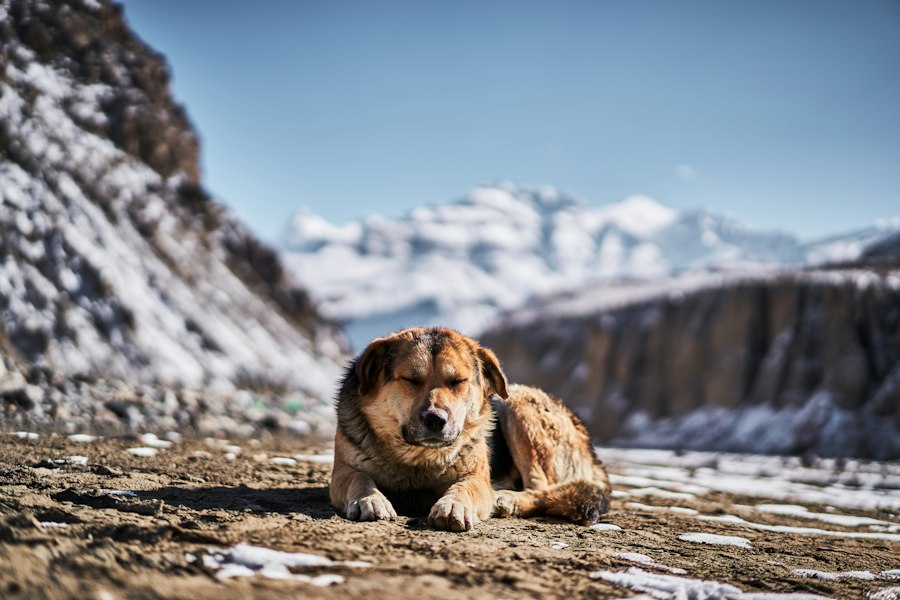
One of the most significant shifts in our understanding of dog domestication is the idea that humans may have been actively involved in feeding wolves, rather than simply tolerating them as scavengers. This wasn’t just about scraps; it suggests a more intentional interaction that facilitated the development of a close bond and the selection of traits that would benefit both species.
Beyond Scavenging: Active Feeding and Diet
New research indicates that the relationship was more involved than just wolves hanging around human camps hoping for leftovers. One 2026 study, in particular, highlighted evidence suggesting that dogs were likely being actively fed by humans. The analysis of dietary remains makes it unlikely that dogs were primarily subsisting on fish, which they might have been able to catch themselves in certain environments. This points to a more deliberate provision of food resources by humans, suggesting a growing reliance of wolves on human generosity. This active feeding would have significantly influenced the behavior and physiology of the wolves, making them more amenable to human presence and control.
The “Shared Surplus Meat” Hypothesis
A leading explanation for this active feeding revolves around the concept of “shared surplus meat.” During the harsh winters of the Ice Age, hunters would often have significant amounts of lean protein from their kills. Instead of letting this excess meat go to waste, it’s theorized that they could have fed it to wolves without facing much competition for these resources. Wolves, being efficient predators themselves, would have been a natural recipient for such surplus. This provided a stable food source for the wolves, fostering a connection with the humans who provided it and likely selecting for individuals that were less timid and more receptive to human interaction.
Mutual Benefits: A Two-Way Street
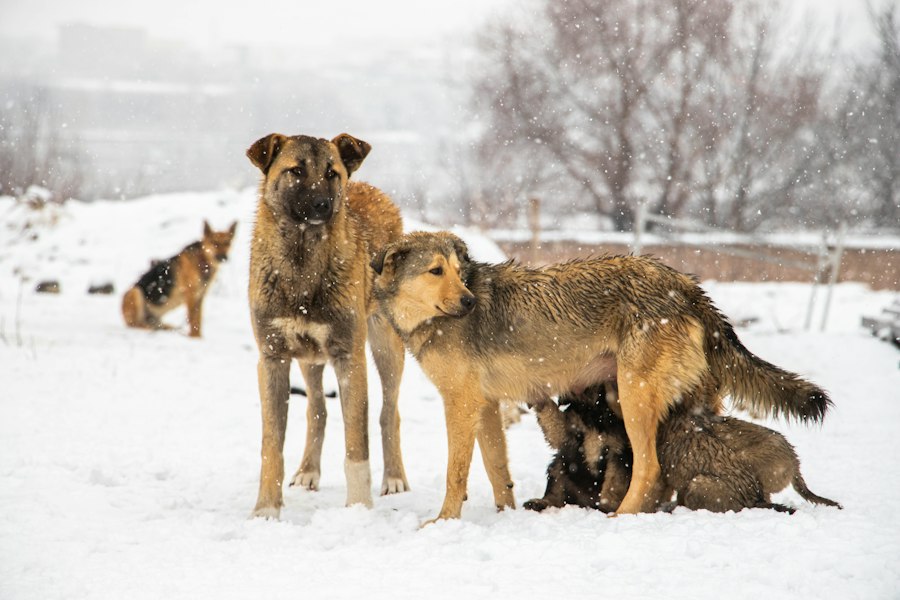
The domestication of dogs wasn’t a one-sided affair where humans simply took. It was a mutually beneficial relationship, a true partnership that evolved over time. Both humans and the proto-dogs gained advantages that helped them survive and thrive in the challenging environments of the Ice Age.
Helping Hands (and Paws): Early Canine Contributions
From the very beginning, dogs likely offered tangible benefits to their human companions. Their keen senses of smell and hearing would have been invaluable for detecting prey and warning of danger. As they became more integrated into human groups, dogs could have assisted in the hunt itself, perhaps by flushing out game or even cornering it. Their presence might have also offered a degree of protection to human camps, deterring predators or alerting people to approaching threats. The ability to carry small loads, like sticks for fire or gathered items, would have also been a welcome assistance for the often-mobile human groups.
A Safe Haven: Human Provision and Protection
In return for their contributions, early dogs received vital resources from humans. The provision of food, as discussed, was a primary benefit, ensuring a more stable and predictable diet than they might have found on their own. Beyond food, humans offered protection. While wolves are formidable, they are not invincible. Being part of a human group would have provided a degree of safety from larger predators and other threats. Furthermore, human shelter, even in its most basic Ice Age forms, would have offered a crucial advantage during extreme weather. This exchange of services and resources laid the foundation for the deep, interspecies bond we see today.
The Evolutionary Dance: Natural Selection and Adaptation
Domestication is fundamentally an evolutionary process, driven by natural selection, but in this case, it’s a process influenced by human interaction. The wolves that were less fearful and more adaptable to living alongside humans were the ones that had a better chance of survival and reproduction.
Adapting to the Campfire: Behavioral Shifts
The key to domestication lies in behavioral adaptation. The wolves that were naturally less wary of humans, those that didn’t flee at the first scent or sound, would have been more likely to approach human settlements. They may have initially been attracted by the availability of food scraps. Over generations, those individuals that displayed less aggression and more tolerance towards humans would have been favored. This doesn’t necessarily mean they were consciously selected for by humans initially, but rather that their tendency to approach and remain near humans provided them with a survival advantage, leading to a gradual shift in their inherent temperament.
The Genetic Blueprint for Companionship
This behavioral shift was accompanied by genetic changes. As certain wolves became more integrated into human life, their genetic makeup began to diverge from their wild counterparts. These changes would have affected traits related to fear, aggression, and social behavior. Over vast stretches of time, these subtle genetic modifications accumulated, leading to the distinct lineage of dogs we know today. It’s a testament to the power of natural selection, guided by the presence and actions of early humans, that such a profound transformation could occur.
The fascinating journey of how humans domesticated dogs during the Ice Age reveals much about our early relationships with animals and the environment. This process likely involved mutual benefits, where early humans found companionship and assistance in hunting, while dogs gained food and shelter. For a deeper understanding of how ancient societies adapted and evolved, you might find it interesting to explore this article on the fall of ancient economies, which sheds light on the broader context of human development. You can read more about it here.
Enduring Legacy: A Bond Forged in Time
| Metric | Data/Estimate | Description |
|---|---|---|
| Time Period | 15,000 – 40,000 years ago | Estimated range when dogs were first domesticated during the Ice Age |
| Location | Eurasia | Regions where early domestication likely occurred based on archaeological evidence |
| Genetic Divergence | ~20,000 years ago | Estimated time when dogs diverged genetically from wolves |
| Archaeological Sites | Several (e.g., Goyet Cave, Belgium) | Sites where early dog remains have been found alongside human artifacts |
| Domestication Process | Mutualism and Taming | Humans likely tamed wolves that scavenged near camps, leading to domestication |
| Benefits to Humans | Hunting aid, protection, companionship | Reasons humans may have encouraged domestication |
| Physical Changes in Dogs | Smaller size, reduced aggression | Traits that evolved during domestication compared to wild wolves |
The relationship that began in the frigid landscapes of the Ice Age has endured for millennia. Dogs have moved from being essential partners in survival to beloved companions, playing a myriad of roles in human societies across the globe. Their domestication is not just a historical event; it’s a testament to the extraordinary capacity for interspecies cooperation and the deep, intrinsic connection that can form between different living beings.
More Than Just Pets: Dogs in Human History
The impact of dogs on human history is undeniable. They have been instrumental in hunting, herding, guarding, and transportation. They have provided comfort, companionship, and even served in military roles. The domestication of dogs was likely a significant factor in the success of early human migrations and the development of more complex societies. Their presence has enriched human lives in countless ways, and their loyalty and affection have become a hallmark of the human-animal bond.
The Modern Echoes of an Ancient Partnership
Today, the echoes of that ancient partnership are still clearly visible. The way dogs look at us, their desire to please, their innate understanding of human social cues – these are all legacies of thousands of years of co-evolution. The bond we share with dogs is a living testament to a relationship that began in the harsh realities of the Ice Age, a relationship built on mutual reliance, adaptation, and ultimately, a profound connection that has shaped both our species. The ongoing research continues to reveal the intricate details of this incredible journey, reminding us of the deep and enduring history we share with our canine companions.

Life 20,000 Years Ago | When Your Ice Age Family Can’t Feed the Dog
FAQs
What evidence supports the domestication of dogs during the Ice Age?
Archaeological findings, such as dog remains found alongside human settlements and tools, suggest that dogs were domesticated during the Ice Age. Genetic studies also indicate that the divergence between wolves and dogs occurred around this time, supporting the theory of domestication.
How did early humans and dogs benefit from their relationship during the Ice Age?
Early humans benefited from dogs as hunting companions, which improved their ability to track and catch prey. In return, dogs gained access to food and shelter from humans, creating a mutually beneficial relationship that facilitated survival in harsh conditions.
What role did the environment play in the domestication of dogs during the Ice Age?
The Ice Age environment, characterized by extreme cold and scarcity of resources, likely encouraged the domestication of dogs. As humans adapted to these conditions, they may have selectively bred wolves that exhibited less aggressive behavior and greater sociability, leading to the domestication process.
What traits were favored in dogs during the domestication process in the Ice Age?
During the domestication process, traits such as reduced aggression, increased sociability, and a willingness to cooperate with humans were favored. These traits made dogs more suitable companions for hunting and protection, leading to their successful integration into human societies.
How did the domestication of dogs impact human societies during the Ice Age?
The domestication of dogs had a significant impact on human societies by enhancing hunting efficiency, providing protection from predators, and serving as companions. This relationship likely contributed to the development of social structures and cooperative behaviors among early human groups.