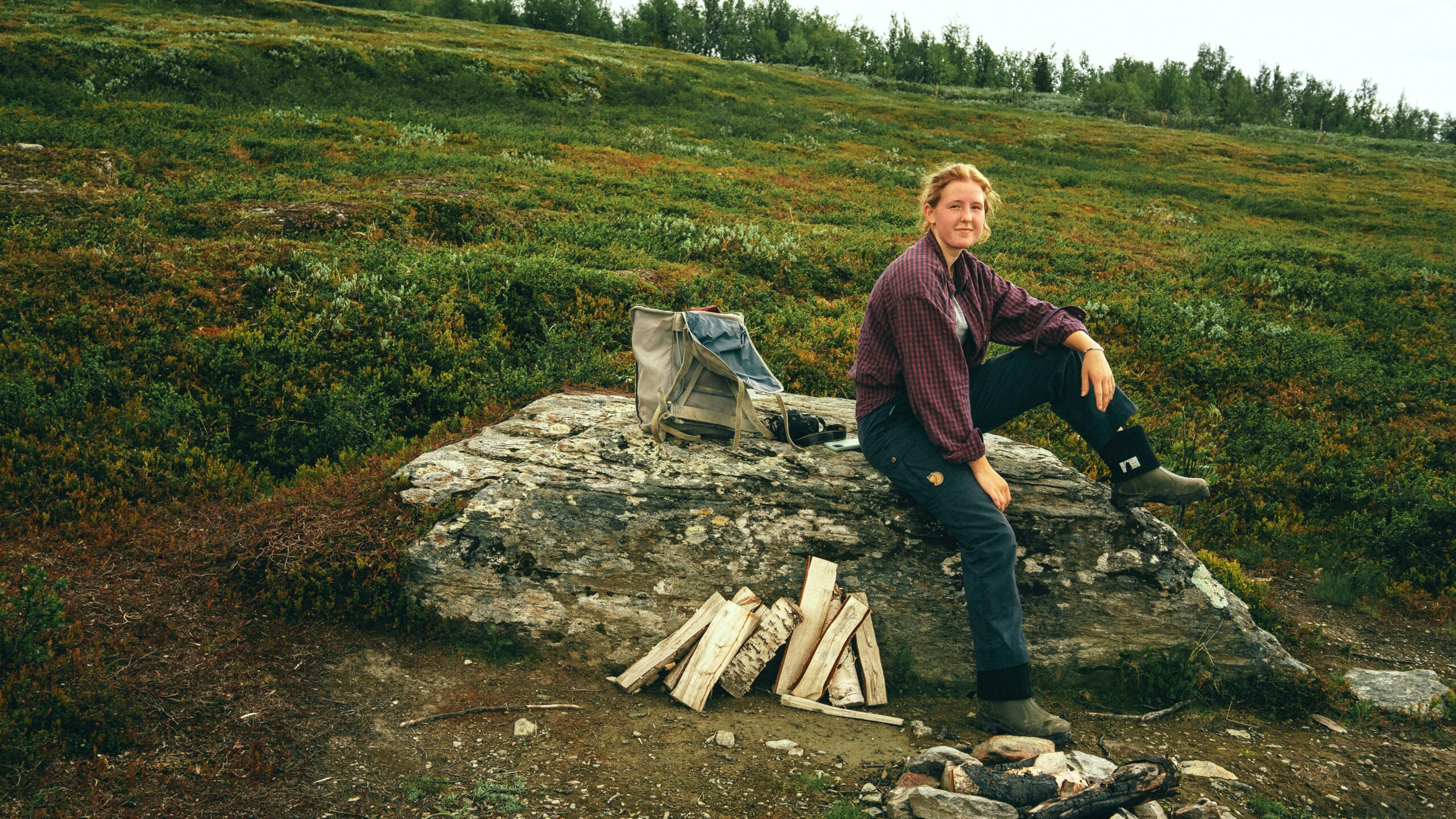
The biting wind, the unforgiving permafrost, the meager daylight of the polar winter – these are the hallmarks of the tundra, a biome that appears, at first glance, utterly inhospitable to life, let alone sustained human habitation. Yet, across vast swathes of the Arctic and sub-Arctic regions, human populations have not merely survived but have actively thrived for millennia. Their success is a testament to an extraordinary blend of adaptability, ingenuity, and a profound understanding of their environment. The story of human resilience in the face of the tundra’s harsh embrace is one of deep-seated cultural traditions, innovative technologies, and a symbiotic relationship with the natural world that continues to inspire and inform.
Masters of the Cold: Ingenuity in Shelter and Clothing
The relentless cold is perhaps the most immediate and formidable challenge posed by the tundra. For early human settlers and their descendants, the ability to create effective shelter and insulate their bodies was paramount to survival. These were not mere conveniences but vital mechanisms that allowed for energy conservation, protection from frostbite, and the establishment of safe havens for rest and social interaction. The solutions developed were diverse, reflecting the specific resources available in different tundra regions, but all underscored a remarkable understanding of thermal dynamics and material science, albeit one rooted in practical experience rather than formal scientific study.
Dwellings Rooted in the Earth and Snow
The construction of shelters in the tundra demanded a departure from the typical building methods found in more temperate zones. The frozen ground, or permafrost, presented significant engineering challenges. Instead of digging deep foundations, early peoples often utilized the insulating properties of the earth itself, or built structures that were either semi-subterranean or designed to be temporary and easily reconstructed.
In the Arctic, the iconic igloo, or snow house, stands as a prime example of ingenious shelter design. Constructed from blocks of densely packed snow, these dome-shaped structures possessed exceptional thermal insulation. The trapped air within the snow layers acted as a barrier against the frigid exterior, allowing the interior temperature to rise significantly above that of the surrounding environment, often due to body heat and a small, contained flame for light and cooking. The aerodynamic shape of the igloo also minimized wind resistance, a crucial factor in an environment where blizzards could strip away exposed surfaces. The construction, while seemingly simple, required considerable skill in selecting the right type of snow, cutting uniform blocks, and interlocking them precisely to create a stable and airtight dwelling.
Beyond snow houses, various semi-subterranean dwellings were common. These structures often featured a sunken living area, accessible by a ladder or sloping entrance, with walls constructed from sod, stone, whale bones, or driftwood. The earth surrounding the sunken portion provided natural insulation, protecting the inhabitants from the wind and extreme temperature fluctuations. The roofs of these homes were typically low and covered with insulating materials like turf or animal skins, further enhancing their thermal efficiency. Entrances were often designed with a vestibule or a tunnel-like passage to prevent cold air from directly entering the living space.
In regions where wood was scarce, such as coastal areas with abundant marine mammal populations, whale bones and the massive skulls of whales were frequently incorporated into the construction of permanent or semi-permanent shelters. These large, robust materials provided a sturdy framework, which could then be covered with sod, skins, or other available materials. This resourceful utilization of natural resources demonstrates a deep understanding of structural integrity and the ability to adapt building techniques to whatever the environment offered.
The Art of Staying Warm: Clothing as a Second Skin
The development of highly effective clothing was as critical as shelter in enabling humans to survive the tundra’s frigid conditions. Tundra dwellers learned to harness the insulating properties of animal furs and skins, transforming them into garments that were not only functional but also remarkably well-suited to the demands of their lifestyle. This was not simply a matter of wearing thick layers; it was a sophisticated system of garment design and material selection.
The key to effective tundra clothing lay in the use of double-layered furs. The inner layer, worn with the fur facing inwards, trapped warm air against the skin. The outer layer, worn with the fur facing outwards, provided a windproof barrier and an additional layer of insulation. The choice of animal was also significant; caribou and seal fur were particularly prized. Caribou fur, with its hollow guard hairs, trapped air exceptionally well, making it an excellent insulator. Seal skin, on the other hand, was naturally water-repellent, which was vital for protection against rain, snowmelt, and immersion in icy waters.
Garments were meticulously tailored to fit the body closely, minimizing the amount of air that could circulate and escape. This included specialized garments for different parts of the body, such as hooded parkas, insulated trousers, and multi-layered mittens and boots. The design of mittens, for example, often featured a single compartment for all four fingers, allowing them to share body heat, with a separate compartment for the thumb. This design, while seemingly less dexterous than finger gloves, was far more effective at preventing frostbite in extreme cold.
The stitching of these garments was equally important. Sinew, derived from animal tendons, was used as thread, and its natural elasticity allowed for the construction of durable seams that could withstand the stresses of constant movement and extreme temperatures. Some cultures also developed the practice of “warming” garments by having them worn and re-worn until the fur became saturated with body oils, which further enhanced their insulation and water resistance. This intimate knowledge of animal materials and their properties allowed for the creation of clothing that was, in essence, a second skin, perfectly adapted to the challenges of the Arctic environment.
Humans have demonstrated remarkable adaptability in surviving the harsh tundra climate, employing various strategies to cope with extreme temperatures and limited resources. One related article that delves into the broader implications of geographic determinism on human survival is available at The Influence of Geographic Determinism. This article explores how environmental factors shape human behavior and societal development, providing insights into the resilience and ingenuity required to thrive in challenging climates like the tundra.
Sustenance in the Barren Lands: Hunting, Fishing, and Gathering Strategies

The tundra’s seemingly sparse landscape belies a rich and often surprising bounty of resources, but accessing and utilizing these resources required specialized knowledge, sophisticated tools, and a deep understanding of animal behavior and seasonal cycles. Human survival depended on their ability to exploit the limited food sources available, adapting their hunting, fishing, and gathering techniques to the unique ecological conditions of the Arctic.
The Hunter’s Edge: Mastering the Prey
Hunting was the cornerstone of the traditional tundra diet, providing essential protein, fats, and vital nutrients. The primary prey animals – caribou, seals, whales, and birds – were not only hunted for sustenance but also for their hides, bones, and sinews, which were critical for toolmaking, shelter construction, and clothing. The success of these hunts relied on a profound understanding of animal migration patterns, breeding cycles, and their behavior in different weather conditions.
Caribou, large herbivores that undertake extensive seasonal migrations across the tundra, were a primary target. Hunting strategies often involved driving herds towards natural traps, such as cliffs or narrow ravines, or utilizing specialized hunting blinds. The Inuit, for instance, developed highly effective methods for hunting seals, which were crucial for their diet and for the blubber that provided essential fat and fuel for lamps. These methods included waiting patiently for seals to surface at breathing holes in the ice, using decoys, or employing specialized harpoons with detachable heads.
The hunting of marine mammals, particularly in coastal Arctic regions, was a dangerous but rewarding endeavor. Whales, walruses, and seals provided vast amounts of food and resources. This required sophisticated watercraft, such as kayaks and umiaks, and specialized hunting techniques that often involved cooperative efforts among hunters. The sheer scale of resources provided by a single whale could sustain a community for an extended period.
The development of advanced hunting tools was integral to this success. Spear-throwers (atlatls) and bows and arrows allowed hunters to strike prey from a safer distance. The development of the harpoon, a barbed projectile attached to a line, was particularly ingenious, enabling hunters to secure larger and more dangerous prey like seals and whales. The construction of these tools, often from bone, ivory, and stone, was a testament to the skilled craftsmanship of tundra peoples.
Life Aquatic: Exploiting the Frozen Seas and Rivers
While terrestrial hunting was crucial, the abundance of fish and marine life in Arctic waters provided another vital source of sustenance. The frozen surfaces of lakes, rivers, and the Arctic Ocean became highways for hunters and fishermen during the long winter months.
Ice fishing was a widespread practice. Anglers would drill holes through the thick ice and use specialized fishing spears or lines with hooks made from bone or ivory. Certain species of Arctic char, cod, and other cold-water fish were abundant and provided a consistent food source. The timing of ice fishing was crucial, with different species being more accessible at different times of the year.
In the warmer months, rivers and coastal waters offered opportunities for fishing with nets and spears. The migration of salmon and other anadromous fish up rivers provided a significant bounty. The development of fish traps, often constructed from natural materials like branches and stones, allowed for efficient harvesting of fish in rivers and streams.
The consumption of raw or lightly cooked fish was also important, as it preserved valuable nutrients. The blubber from marine mammals, a staple in the Arctic diet, provided essential fatty acids and calories, which were crucial for survival in the cold. This understanding of nutritional needs and how to obtain them from available resources was a key factor in their long-term success.
The Sparse Harvest: Utilizing Arctic Flora
While the tundra is not known for its lush vegetation, it does support a variety of plants that were important components of the diet. These included berries, roots, lichens, and edible leaves. While these plants were not always available in large quantities, they provided essential vitamins, minerals, and fiber, supplementing the protein and fat-rich diet of meat and fish.
The collection of berries, such as cloudberries and blueberries, occurred during the short summer months. These could be eaten fresh, dried for later consumption, or preserved in animal fat. Various roots and tubers were also dug up and cooked, providing carbohydrates.
Lichens, though often tough and unpalatable in their raw state, were an important food source, particularly during times of scarcity. They were often processed by boiling or fermentation to make them more digestible and palatable. Some Arctic communities also cultivated small, hardy gardens in protected areas during the brief summer, growing vegetables like potatoes and turnips. The ability to identify and utilize these diverse plant resources, often overlooked by outsiders, highlights the intimate ecological knowledge possessed by tundra peoples.
Social Structures and Cultural Adaptations: Building Communities in Isolation

The harsh tundra environment not only shaped human physiology and technology but also profoundly influenced their social structures, cultural practices, and ways of organizing themselves into cohesive communities. The challenges of resource scarcity, extreme weather, and geographic isolation necessitated strong social bonds, cooperative behavior, and the transmission of vital knowledge across generations. The resilience of tundra peoples was as much a product of their social ingenuity as it was of their material innovations.
The Importance of Kinship and Cooperation
In a landscape where survival often depended on the collective effort, kinship ties and inter-group cooperation were paramount. Extended family units formed the fundamental building blocks of tundra societies. These family groups worked together to hunt, fish, gather, and maintain their shelters. The division of labor was often based on age and gender, with men typically undertaking the more dangerous hunting expeditions and women responsible for processing food, sewing, and childcare.
However, these divisions were not rigid, and there was often a significant degree of flexibility and mutual support. During difficult times, such as severe winters or periods of scarce game, neighboring families or even entire communities would pool their resources and share food. This spirit of reciprocity was not just altruistic; it was a survival imperative. The ability to rely on others for support in times of crisis was a cornerstone of tundra life.
Trade and exchange networks, though often spanning vast distances, were also vital for the distribution of essential resources. Items that were scarce in one region, such as specific types of stone for tools or prized furs, could be exchanged for goods readily available elsewhere. These networks not only facilitated the exchange of material goods but also the diffusion of ideas and technologies.
The Oral Tradition: Transmitting Knowledge and Identity
In the absence of written language for much of their history, tundra peoples relied heavily on oral traditions to transmit essential knowledge and cultural values from one generation to the next. Stories, songs, myths, and legends served as repositories of practical information about hunting techniques, animal behavior, weather patterns, navigation, and the history of their people.
Elders played a crucial role as keepers of this knowledge. They would recount tales of successful hunts, explain the spiritual significance of certain animals, and impart lessons on how to behave ethically and responsibly within the community and in relation to the natural world. These narratives were not merely entertainment; they were vital instructional tools that ensured the continuity of their culture and the survival of their way of life.
The spiritual beliefs of tundra peoples were deeply intertwined with their environment. Animistic beliefs, where spirits were thought to inhabit natural phenomena and living creatures, fostered a profound respect for the natural world. This respect often translated into rituals and taboos designed to ensure the balance of nature and to appease the spirits. These beliefs provided a framework for understanding their place in the cosmos and for living in harmony with the often-unpredictable forces of the tundra.
Resilience in the Face of Change
Tundra societies were not static; they possessed an inherent capacity for adaptation and innovation. While traditions were deeply valued, people were also pragmatic and willing to adopt new strategies and technologies when necessary. This was particularly evident with the arrival of external influences, such as the introduction of firearms, metal tools, and modern transportation.
While these introductions brought about significant changes, the underlying principles of resourcefulness and community cooperation often remained. The ability to integrate new tools and knowledge into existing cultural frameworks allowed these societies to continue to thrive, albeit in evolving ways. The resilience of tundra cultures lies not in their resistance to change, but in their ability to adapt and to maintain their core values and social cohesion in the face of new challenges.
Navigating the Ice and Snow: Transportation and Mobility
The vast, often featureless expanses of the tundra, particularly the frozen seas and snow-covered landscapes, presented unique challenges for human mobility. The ability to traverse these environments efficiently and safely was crucial for hunting, trade, and maintaining connections between dispersed communities. Tundra dwellers developed specialized modes of transportation and navigational techniques that were perfectly adapted to their icy domain.
The Ingenuity of Sleds and Skis
For land-based travel, the dog-drawn sled was an indispensable innovation. Teams of powerful sled dogs, bred for strength and endurance in cold climates, could pull sleds laden with goods and people across snow and ice for hundreds of miles. The design of the sled itself was optimized for the conditions. Runners were often made of bone, ivory, or wood, and were polished to reduce friction, allowing for smooth gliding over the snow. The weight distribution and balance of the sled were carefully managed to prevent it from tipping over on uneven terrain.
The development of skis was another remarkable adaptation for navigating snowy landscapes. While perhaps less universally recognized than the sled, skis allowed individuals to glide effortlessly over deep snow, covering distances far more rapidly than they could on foot. This was particularly advantageous for hunters, allowing them to pursue game with greater speed and stealth. The skis were often made from wood, with bindings crafted from leather or sinew, allowing for a secure fit.
The effectiveness of both sleds and skis was dependent on the quality of the snow and ice, and experienced travelers developed an innate understanding of these conditions. They could discern the strength of the ice, predict how snow would drift, and choose the most efficient routes, often following established trails that were known to be safe and passable.
Mastering the Frozen Seas: Kayaks and Umiaks
The development of watercraft was essential for coastal and island communities, allowing access to marine mammal hunting grounds and facilitating trade and communication between settlements. The kayak, a sleek, single-person vessel, is perhaps the most iconic example of Arctic watercraft. Constructed from a frame of wood or bone covered with watertight animal skins (typically seal skin), the kayak was remarkably stable and maneuverable. Its low profile and enclosed cockpit protected the occupant from the elements and allowed for efficient paddling, even in rough seas. The skilled kayaker could not only travel long distances but also perform impressive maneuvers, including rolling the kayak to right itself if capsized.
For larger groups and for transporting heavier loads, the umiak was employed. These larger, open-topped boats were also constructed from wooden frames and covered with animal skins. Umiaks were used for transporting families, goods, and for larger whaling expeditions. Their construction was less focused on speed and maneuverability and more on capacity and stability, making them ideal for navigating open ocean waters.
The success of these watercraft was also dependent on the navigational skills of their operators. Tundra peoples developed sophisticated methods of celestial navigation, using the stars and the sun to orient themselves. They also possessed an intimate knowledge of currents, wind patterns, and the subtle cues of the environment that indicated the presence of land or hazards. The ability to read the ice – to discern safe passage from dangerous floes – was a critical survival skill.
Humans have shown remarkable resilience in adapting to extreme environments, including the harsh tundra climate. Their survival strategies involved not only the development of specialized clothing and shelter but also the mastery of navigation techniques to traverse vast, icy landscapes. For a deeper understanding of how ancient peoples navigated these challenging terrains, you can explore the fascinating insights in this article about ancient navigation mysteries. By studying these methods, we can gain a better appreciation for the ingenuity required to thrive in such unforgiving conditions. If you’re interested, you can read more about it here.
Sustaining Life in the Extremes: Diet, Health, and Resilience
| Survival Strategy | Description | Effectiveness | Examples |
|---|---|---|---|
| Clothing | Use of animal skins and furs to insulate against extreme cold | High | Caribou and seal skin garments |
| Shelter | Construction of insulated shelters such as igloos and sod houses | High | Igloos made from snow blocks, earth-covered huts |
| Diet | Consumption of high-fat and protein-rich foods from hunting marine and land animals | High | Seal, whale, caribou, fish |
| Fire Use | Maintaining fires for warmth, cooking, and protection | High | Stone and bone tools to create sparks, use of driftwood |
| Mobility | Seasonal migration to follow animal herds and avoid harshest conditions | Moderate | Following caribou migrations |
| Tool Making | Development of specialized tools for hunting and processing animals | High | Harpoons, spears, bone needles |
| Social Cooperation | Group hunting and sharing resources to increase survival chances | High | Communal hunts and food sharing |
The human body, when exposed to the extreme cold and the unique nutritional landscape of the tundra, undergoes adaptations and requires specific dietary strategies to maintain health and vigor. Tundra peoples developed a remarkable resilience, not only through their cultural practices but also through an intrinsic understanding of how to nourish their bodies for survival in these challenging conditions.
A Diet Rich in Fat and Protein: Fueling the Cold
The traditional diet of tundra peoples was characterized by a high intake of animal fats and proteins. This was not a matter of preference but a biological necessity. Fat is an incredibly efficient source of calories, providing the energy needed to maintain core body temperature in freezing environments. Proteins were essential for muscle repair and growth, and for the production of enzymes and hormones.
The reliance on animal sources meant that diets were often rich in omega-3 fatty acids, particularly from marine mammals. These fatty acids are known for their anti-inflammatory properties and are crucial for cardiovascular health, which is particularly important in cold climates where the body’s systems are under stress. Vitamins and minerals were also obtained from the organs and blood of animals, as well as from the limited plant life available. For example, organ meats, such as liver, provided essential vitamins like Vitamin A, while blood was a source of iron.
The consumption of raw or lightly cooked meat and fish was common. This method of preparation helped to preserve nutrients that could be lost through prolonged cooking. Furthermore, it was believed that consuming raw animal fat was particularly beneficial for insulating the body from the inside out. The blubber from seals and whales was a vital staple, consumed in large quantities for its energy and nutrient content.
Adapting to Nutritional Needs and Challenges
While the traditional diet provided essential sustenance, it also presented certain nutritional challenges. The lack of readily available Vitamin C, for example, could lead to scurvy if not adequately supplemented. Tundra peoples ingeniously addressed this by consuming raw meat and organs, as well as certain types of berries and lichen that contained Vitamin C.
The seasonal availability of food also meant that periods of abundance were often followed by times of scarcity. This necessitated effective methods of food preservation, such as drying, smoking, and freezing, allowing communities to store food for leaner times. The ability to manage resources and plan for future needs was a critical aspect of their survival strategy.
The relative scarcity of carbohydrates in the traditional diet also meant that the body’s metabolic processes were adapted to utilize fats as a primary energy source. This metabolic flexibility allowed them to thrive on a diet that would be considered highly unusual, and perhaps unhealthy, by many contemporary standards.
A Remarkable Resilience: Health and Longevity
Despite the harshness of their environment and the often-challenging nature of their diet, traditional tundra populations exhibited remarkable health and longevity. Their robust physiques, honed by a life of physical activity and exposure to the elements, contributed to their resilience. Their strong immune systems, likely bolstered by their nutrient-rich diets and exposure to a variety of microorganisms, helped them to ward off illness.
The deep connection with the natural world and the emphasis on community and social support also played a significant role in their overall well-being. The sense of belonging and mutual reliance provided psychological and emotional benefits that contributed to a healthier and more fulfilling life. While modern life has brought new health challenges, the legacy of these ancient adaptations and traditions continues to inform our understanding of human resilience and the intricate relationship between humans and their environment. The story of survival and thriving in the tundra is a profound testament to the enduring capacity of humanity to adapt, innovate, and flourish even in the face of the planet’s most extreme conditions.

Life 20,000 Years Ago: The Ultimate Ice Age Fight to Survive
FAQs
1. How did early humans adapt to the tundra climate?
Early humans adapted to the tundra climate by developing specialized clothing made from animal skins and furs to keep warm, building shelters such as igloos or sod houses for protection against the harsh weather, and hunting animals for food.
2. What did early humans eat in the tundra?
Early humans in the tundra primarily ate meat from animals such as mammoths, reindeer, and bison. They also consumed fish, birds, and gathered edible plants like berries and roots when available.
3. How did early humans make fire in the tundra?
Early humans in the tundra made fire by using flint and tinder to create sparks, which they then used to ignite dry grass, moss, or other combustible materials. Once the fire was started, they would carefully tend to it to keep it burning.
4. Did early humans migrate during the tundra climate changes?
Yes, early humans did migrate during tundra climate changes. They followed the movements of animals for hunting purposes and sought out more hospitable environments when the tundra became too harsh to sustain their communities.
5. How did early humans protect themselves from predators in the tundra?
Early humans protected themselves from predators in the tundra by building elevated shelters, setting up traps and barriers around their camps, and organizing group hunts to fend off potential threats. They also used fire to scare away predators and keep themselves safe.