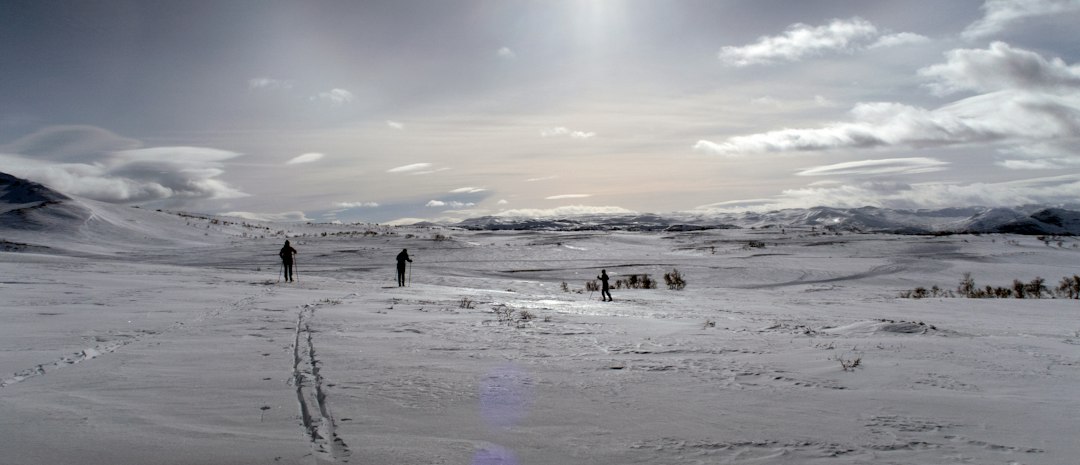
The Earth’s past is punctuated by dramatic shifts in climate, none more formidable than the glacial periods, commonly known as Ice Ages. These epochs, characterized by vast ice sheets advancing across continents and plunging global temperatures, presented an existential challenge to early hominins. Yet, humanity did not merely endure these frozen eras; it thrived, adapting and innovating to carve out a niche even in the harshest conditions. The survival of humans through these formidable times is a testament to their remarkable resilience, cognitive flexibility, and capacity for technological advancement. Understanding the strategies employed by our ancestors offers profound insights into the very essence of human perseverance and ingenuity.
Masters of the Cold: Physiological and Behavioral Adaptations
The onslaught of the Ice Age demanded more than just a willingness to endure; it required profound physiological and behavioral adjustments. Early humans, as they migrated out of Africa and encountered progressively colder environments, underwent changes that made them better suited to frigid landscapes. These adaptations were not passive but actively shaped their daily lives, influencing everything from their diet to their social structures. The slow march of evolution, coupled with deliberate behavioral shifts, laid the groundwork for survival in a world dominated by ice.
Subtle Shifts in Physiology
While the dramatic physiological adaptations often associated with extreme cold, like dense fur or a complete lack of sweat glands, are more characteristic of other species, humans possessed a unique advantage: their developing brains. The ability to learn, reason, and pass on knowledge provided an adaptive edge far superior to mere biological modification. However, subtle physiological traits likely played a supporting role.
Body Shape and Heat Retention
Over generations, populations that resided in colder climates tended to exhibit body shapes consistent with Bergmann’s Rule, which posits that larger body size is advantageous in colder climates for heat conservation. This means that individuals in these regions often had shorter limbs and broader torsos, minimizing the surface area to volume ratio and thus reducing heat loss. While this is a general trend observed across mammals, it is plausible that human populations in glacial Europe and Asia also saw some degree of selection for these traits. Allen’s Rule, which suggests shorter extremities in colder climates, would also have contributed to reduced heat loss from hands and feet.
Enhanced Metabolic Efficiency
While direct evidence for significant metabolic changes in early humans during the Ice Age is scarce, it is reasonable to infer that populations exposed to prolonged cold would have benefited from more efficient thermoregulation. This could have involved subtle increases in basal metabolic rate or a greater ability to generate heat through shivering. The consumption of calorie-dense foods, particularly fats and proteins from animal sources, would have been crucial in providing the necessary fuel for these metabolic processes and for maintaining body temperature.
Rethinking Daily Life: Behavioral Strategies
Beyond subtle physiological shifts, the most significant adaptations of humans to the Ice Age were behavioral and cultural. These were not static responses but dynamic, evolving strategies that allowed them to exploit available resources and mitigate the dangers of the cold. The development and refinement of these behaviors represent a pinnacle of early human intelligence and adaptability.
The Importance of Shelter
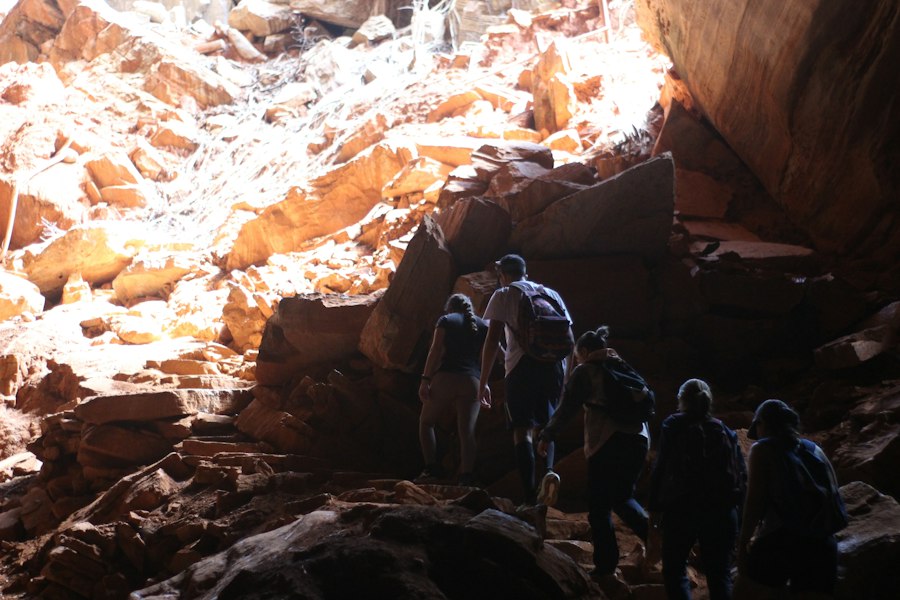
Finding and creating effective shelter was paramount. Natural caves and rock overhangs provided immediate refuge, but the increasing seasonality and harshness of the Ice Age spurred the development of more sophisticated dwellings. These ranged from simple windbreaks constructed from branches and animal hides to elaborate structures.
Portable and Temporary Shelters
In regions with less reliable access to caves, or for nomadic groups following migratory herds, the construction of temporary shelters was essential. Archaeological evidence suggests the use of large animal bones, such as mammoth ribs and skulls, as structural elements for tents or huts, often covered with animal hides. These structures, though temporary, provided crucial protection from wind, snow, and extreme cold, allowing humans to inhabit open plains and tundra environments previously considered uninhabitable. The portability of these shelters also facilitated migration and seasonal movements in search of resources.
Semi-Permanent Dwellings
In areas with greater resource abundance or where groups adopted a more settled lifestyle, more permanent structures were built. Evidence from sites like Mezhirich in Ukraine reveals large, circular dwellings constructed from mammoth bones, some capable of housing multiple individuals or families. These structures often featured hearths, indicating controlled fire use for warmth, cooking, and light. The construction of such substantial dwellings required significant planning, resource management, and collaborative effort, highlighting the growing complexity of Ice Age societies.
Social Cohesion and Cooperation
The extreme conditions of the Ice Age fostered a strong emphasis on social cooperation. Survival was a group endeavor, and the ability to work together was as crucial as any individual skill. Shared knowledge, collective hunting efforts, and mutual support within communities were vital for overcoming the challenges of resource scarcity and dangerous environments.
Communal Resource Management
Hunting large game, a staple of the Ice Age diet, often required coordinated efforts involving multiple individuals. The planning and execution of these hunts, from tracking prey to driving them into traps or over cliffs, demanded sophisticated communication and teamwork. The successful acquisition of large animals provided not only sustenance but also raw materials for tools, clothing, and shelter, benefiting the entire community. The sharing of these resources further solidified social bonds and ensured that no individual or family was left to starve.
Knowledge Transfer and Learning
The accumulation and transmission of knowledge were critical for survival. Successful hunting techniques, the identification of edible plants, the understanding of weather patterns, and the proper construction of shelters were all passed down through generations. This oral tradition, coupled with observational learning, allowed for the rapid dissemination of effective survival strategies and the avoidance of potentially fatal mistakes. The development of language, which likely saw significant advancements during this period, would have been instrumental in facilitating this complex knowledge transfer.
To understand how humans survived the Ice Age, it’s fascinating to explore the adaptability and ingenuity of early human societies. They developed various survival strategies, such as creating tools, mastering fire, and forming social groups for hunting and gathering. For a deeper insight into ancient civilizations and their remarkable achievements, you can read about the mysterious site of Puma Punku and its precise stone cuts in this related article: Puma Punku: The Mystery of Precise Cuts. This exploration sheds light on the advanced techniques that may have contributed to human resilience during challenging climatic periods.
The Spark of Ingenuity: Technological Innovations
The Ice Age was not just a test of endurance but a crucible for human innovation. Faced with unprecedented environmental pressures, early humans developed a suite of sophisticated tools and technologies that dramatically enhanced their ability to hunt, process resources, and survive in the cold. These innovations were not isolated incidents but part of a progressive refinement of existing technologies and the invention of entirely new ones, demonstrating a remarkable capacity for problem-solving.
Mastering the Hunt: Advanced Toolkits
The development of specialized tools was central to human success during the Ice Age. These tools allowed for more efficient hunting, processing of animal carcasses, and the creation of essential items like clothing and shelter. The mastery of stone tool technology, in particular, reached new heights during this period.
The Art of Lithics: Refined Stone Tools
The Paleolithic era, particularly the Upper Paleolithic, witnessed the development of highly refined lithic technologies. This involved not just the basic shaping of stone but sophisticated techniques such as pressure flaking, which allowed for the creation of thinner, sharper, and more precisely crafted blades.
Projectile Technology: Spear Throwers and Arrowheads
The invention and widespread use of the spear-thrower, or atlatl, was a game-changer. This simple yet ingenious device acted as a lever, allowing hunters to launch spears with significantly greater force and accuracy over longer distances. This increased efficiency and safety, enabling hunters to take down larger and more dangerous prey from a safer distance. Later, the development of the bow and arrow, likely emerging towards the end of the Pleistocene, further revolutionized hunting, offering even greater range and precision. The manufacture of specialized spearheads and arrowheads, designed for different types of prey and hunting scenarios, demonstrates a keen understanding of ballistics and anatomy.
Specialized Tools for Butchery and Crafting
Beyond projectile points, a wide array of specialized stone tools emerged. Scrapers were used for cleaning hides, knives for butchering, awls for piercing hides to sew garments, and burins for engraving bone and ivory. The development of these specialized implements allowed for the efficient processing of every part of a hunted animal, minimizing waste and maximizing resource utilization. The intricate craftsmanship evident in some of these tools, particularly those made of flint and obsidian, speaks to a high level of skill and understanding of material properties.
Harnessing the Elements: Fire and Clothing
The ability to control fire and to craft effective clothing were two of the most fundamental innovations that enabled humans to survive in frigid environments. These were not mere conveniences but essential technologies that directly countered the lethal effects of cold.
The Ever-Present Hearth: Control and Use of Fire
Fire was a multifaceted tool that provided warmth, light, and protection. During the Ice Age, its controlled use became increasingly sophisticated. Hearths were not just simple open fires but were often constructed with stone or clay, helping to contain the heat and prevent it from dissipating. This allowed for more efficient heating of shelters, creating warmer and safer living spaces, especially during the long, dark winters.
Cooking and Food Preparation
Fire also revolutionized food preparation. Cooking not only made food more palatable and easier to digest but also killed harmful pathogens, reducing the risk of illness. The ability to cook meat and other foods likely had significant nutritional benefits, allowing for better absorption of nutrients and contributing to overall health and well-being. The development of specialized cooking techniques, such as roasting over embers or boiling in rudimentary containers (perhaps animal stomachs), further enhanced culinary practices.
Tool Manufacture and Social Hub
Beyond warmth and sustenance, fire played a crucial role in tool manufacture. The heat from fire could be used to harden wooden tools, shape bone, and even to facilitate the working of certain types of stone. Furthermore, the hearth served as a social focal point, a place where communities gathered for warmth, storytelling, and shared meals, strengthening social bonds and reinforcing cultural identity.
The Second Skin: Advances in Clothing and Footwear
The development of effective clothing and footwear was as critical as shelter in protecting humans from the cold. The ability to create warm, durable garments from animal hides allowed humans to venture into environments that would otherwise have been inhospitable.
The Art of Hide Preparation and Sewing
The process of preparing animal hides for clothing was complex and time-consuming, involving scraping away flesh and fat, tanning to preserve the hide and make it pliable, and then cutting and stitching. The invention and widespread use of bone needles, equipped with eyes for threading sinew or plant fibers, was a major breakthrough. This allowed for the creation of fitted garments, such as tunics, trousers, and mittens, which provided much better insulation than draped animal skins.
Layering for Optimal Insulation
The understanding of layering – wearing multiple thin layers of clothing rather than one thick one – likely developed as a key strategy for managing body heat. Different materials and thicknesses of hide could be combined to create garments that were warm, breathable, and adaptable to varying temperatures and activity levels. Specialized footwear, such as moccasins or fur-lined boots, protected feet from frostbite and provided traction on icy surfaces. The evidence of tailored clothing and footwear suggests a sophisticated understanding of human anatomy and the principles of thermal insulation.
Navigating the Landscape: Mobility and Resource Exploitation

The Ice Age landscapes were vast, often sparsely populated with resources, and prone to dramatic environmental changes. Survival depended on the ability to move effectively across these challenging terrains and to skillfully exploit the available resources. This required a deep understanding of the environment, a keen sense of direction, and the development of strategies for efficient travel and resource procurement.
During the Ice Age, humans faced extreme environmental challenges that tested their survival skills and adaptability. They developed innovative strategies such as creating tools, building shelters, and forming social groups to hunt and gather food. To explore more about how technological advancements can enhance our understanding of human survival in harsh conditions, you can read this insightful article on advancing lunar operations with autonomous systems. This connection highlights the importance of innovation in overcoming adversity, whether in ancient times or in modern explorations.
Tracking the herds: Mobility Strategies
The nomadic lifestyle adopted by many Ice Age populations was a direct response to the migratory patterns of large game animals, which were a primary food source. The ability to follow these herds across vast distances was essential for sustained survival.
Following the Annual Migrations
The annual migrations of animals like mammoths, bison, and reindeer dictated the movement of human groups. These journeys were not random but were often guided by established routes, knowledge of terrain, and an intimate understanding of animal behavior. Camps were established in strategic locations that offered shelter, access to water, and proximity to hunting grounds. The seasonal rhythm of these migrations shaped the entire life cycle of Ice Age communities, influencing their social organization, technological development, and cultural practices.
Specialized Travel Techniques
In addition to walking, early humans likely developed specialized techniques for traversing difficult terrain. Snowshoes, though direct archaeological evidence is scarce for the earliest periods, would have been incredibly useful for moving across deep snow. Similarly, the use of rafts or rudimentary boats for crossing rivers or lakes would have opened up new territories and resource opportunities. The ability to travel efficiently and safely over challenging landscapes was a critical factor in their successful dispersal across the globe.
The Art of Procurement: Resource Gathering
Beyond large game hunting, Ice Age populations relied on a diverse range of resources to survive. This required a broad knowledge of their environment and the ability to exploit a variety of food sources, as well as materials for tools and shelter.
The Importance of Plant Foods and Smaller Game
While large game provided a significant portion of the diet, plant foods, when available, were also crucial. These could include roots, tubers, berries, nuts, and seeds, depending on the specific environment and season. The ability to identify edible and medicinal plants, as well as to process them for consumption, would have been a vital skill. Similarly, smaller game animals, birds, and fish could have provided important supplementary food sources, particularly in environments where large game was scarce or difficult to hunt.
Seasonal Harvesting and Preservation
The ability to harvest resources seasonally and to preserve them for leaner times was a key survival strategy. This could have involved drying meat, smoking fish, or storing roots and tubers in cool, dry places. The development of rudimentary storage techniques would have allowed communities to buffer against periods of scarcity and to maintain a more consistent food supply throughout the year, reducing the risk of starvation.
The Enduring Legacy: Cognitive and Social Evolution
The challenges and opportunities presented by the Ice Age had a profound impact on the cognitive and social evolution of humans. The demands of survival in such a demanding environment spurred the development of more complex cognitive abilities and fostered the growth of sophisticated social structures. These enduring legacies continue to shape human societies today.
The Rise of Complex Thought
The need to plan, strategize, and innovate in the face of constant environmental threats likely drove significant advancements in human cognitive abilities. The development of abstract thought, problem-solving skills, and long-term planning were essential for success.
Abstract Thinking and Symbolic Representation
The creation of art, such as cave paintings and carved figurines, is a powerful testament to the development of abstract thought and symbolic representation. These early artistic expressions were not merely decorative; they likely served various functions, including communication, storytelling, ritual, and the transmission of knowledge about the environment and animal behavior. The ability to conceive of and represent concepts beyond the immediate tangible world was a significant leap in human cognition.
Planning and Foresight
Survival in the Ice Age demanded foresight. Planning hunts, anticipating seasonal changes, and stockpiling resources all required the ability to think ahead. This ability to project into the future and to make decisions based on anticipated outcomes was crucial for long-term survival and for the development of more complex social organizations. The careful construction of shelters and the intricate design of tools demonstrate a capacity for meticulous planning and execution.
The Foundations of Society
The cooperative nature of Ice Age survival laid the groundwork for the development of complex social structures. The need for shared responsibility, communication, and the transmission of knowledge fostered the evolution of more organized societies.
Emerging Social Hierarchies and Specialization
As communities grew and became more complex, it is likely that some degree of social stratification and task specialization began to emerge. While evidence for formal hierarchies is limited, the successful organization of large hunting expeditions or the construction of elaborate dwellings suggests leadership roles and coordinated efforts. Certain individuals might have specialized in toolmaking, hunting, or knowledge of medicinal plants, contributing to the overall efficiency and resilience of the group.
The Role of Ritual and Belief Systems
The harshness and uncertainties of life during the Ice Age likely fostered the development of ritual and belief systems. These could have served to provide comfort, explain natural phenomena, reinforce social bonds, and offer a sense of control in a challenging world. The discovery of carefully buried human remains, sometimes accompanied by grave goods, suggests a nascent understanding of death and perhaps beliefs about an afterlife, indicating a growing complexity in human spiritual and social life. The Ice Age, therefore, was not just a period of physical survival but a critical epoch in the shaping of human consciousness, culture, and the very fabric of human society. The strategies employed by our ancestors, from their physiological resilience to their remarkable technological innovations and complex social behaviors, are a testament to the enduring power of human adaptation and ingenuity. These strategies, honed in the crucible of extreme cold, laid the foundation for humanity’s continued expansion and dominance across the planet.

Life 20,000 Years Ago: How Humans Survived the Ice Age
FAQs
1. How did humans adapt to the cold temperatures during the Ice Age?
Humans adapted to the cold temperatures during the Ice Age by creating warm clothing from animal hides, building shelters out of mammoth bones and hides, and using fire for warmth and cooking.
2. What did humans eat during the Ice Age?
During the Ice Age, humans primarily ate a diet of meat from large animals such as mammoths, bison, and reindeer. They also foraged for nuts, berries, and roots when available.
3. How did humans migrate during the Ice Age?
Humans migrated during the Ice Age by following the herds of animals they hunted for food. They also used land bridges that formed due to lower sea levels to travel between continents.
4. Did humans use tools during the Ice Age?
Yes, humans used tools during the Ice Age. They crafted tools from stone, bone, and antler to help them hunt, butcher animals, and create other items necessary for survival.
5. How did humans communicate during the Ice Age?
Humans communicated during the Ice Age through spoken language, gestures, and possibly early forms of symbolic art. These forms of communication helped them work together in hunting, gathering, and other activities essential for survival.