The biting winds howled, carrying with them the dust of glaciers and the chilling promise of a long, unforgiving night. For our Ice Age ancestors, the falling of the sun was not a signal for cozy repose but a stark reminder of the constant battle against the cold. Survival hinged on ingenuity, a deep understanding of their environment, and an unwavering commitment to the collective. When darkness descended and temperatures plummeted to unimaginable lows, the question of how families managed to stay warm while sleeping was paramount, and the answer lay in a sophisticated suite of adaptations, both behavioral and technological, honed over millennia of enduring glacial epochs. Their strategies were not mere improvisations but foundational principles of thermal regulation that continue to inform our own efforts to combat the cold today.
Shelter: The First Line of Defense Against the Frost
The fundamental principle of staying warm in extreme cold is insulation, and for Ice Age families, this began with their dwelling. While the iconic image of cavemen huddling in caves is partly true, their shelters were far more elaborate and purposeful than often depicted. The location, construction, and internal organization of these living spaces were meticulously designed to trap precious body heat and minimize heat loss to the frigid surroundings. The choice of dwelling was often dictated by available resources and the specific environmental challenges of their territory, but the core objective remained the same: to create a microclimate that was significantly warmer than the external world.
Caves and Rock Shelters: Natural Fortresses
Caves and rock shelters offered a significant advantage: they were pre-built, offering a natural shield against wind and precipitation. However, not all caves were created equal. Ice Age communities sought out those with specific characteristics that enhanced their warmth. Deep caves provided better insulation, protecting against diurnal temperature fluctuations. Entrances were crucial; a narrow opening helped to contain warmth and reduce drafts. Some groups even strategically blocked cave mouths with animal hides, stones, or tightly packed earth, further sealing out the cold. The presence of natural airflow was also considered. While complete stagnation was undesirable, ensuring a gentle exchange of air prevented the buildup of moisture, which could be as detrimental to warmth as the cold itself. Within these natural fortresses, families would cluster together, their bodies generating a collective heat source.
Mammoth Bone Huts: Ingenious Engineering
Beyond natural formations, Ice Age peoples were remarkably adept at constructing their own shelters. Perhaps the most striking example is the mammoth bone hut, a testament to their resourcefulness and engineering prowess. These structures, found in regions where mammoths were prevalent, utilized the massive bones of these extinct giants as the primary structural elements. Ribs, scapulae, and leg bones were arranged to form a sturdy framework, often in a dome-like or elongated shape. This framework was then covered with thick layers of hides, animal skins, and packed earth or sod. The sheer scale of mammoth bones allowed for substantial structures, capable of housing entire extended families. The thick insulation provided by the layered hides and earth was incredibly effective, creating a surprisingly warm and windproof interior. The process of constructing these huts was a communal undertaking, requiring the coordinated efforts of multiple individuals and demonstrating a deep understanding of load-bearing principles and material properties.
Tents and Yurts: Mobile and Adaptable Dwellings
For nomadic or semi-nomadic groups, the ability to erect and dismantle dwellings quickly was essential. These cultures developed sophisticated tent-like structures, often utilizing animal hides stretched over wooden poles or frames made from bone. The shape of these tents was often conical or rounded, designed to shed snow and resist wind. In some regions, more elaborate, semi-permanent tent structures resembling early yurts were constructed. These featured a wooden lattice framework covered with thick layers of felted animal hair and hides. The flexibility of these designs allowed them to be transported and reassembled as groups followed migratory herds or moved to more favorable hunting grounds. The emphasis was always on creating a barrier against the elements, with multiple layers of insulating materials being key to their effectiveness.
In exploring how ice age families stayed warm while sleeping, it’s fascinating to consider the various adaptations they made to endure harsh climates. These early humans utilized animal skins, built insulated shelters, and even huddled together for warmth. For a deeper understanding of how humans adapt to extreme conditions, you might find the article on the militarization of deep space logistics intriguing, as it discusses how modern technology and strategies are being developed to secure human survival in the most challenging environments. You can read more about it here: Securing the Final Frontier: Militarization of Deep Space Logistics.
The Power of Huddling: Collective Body Heat
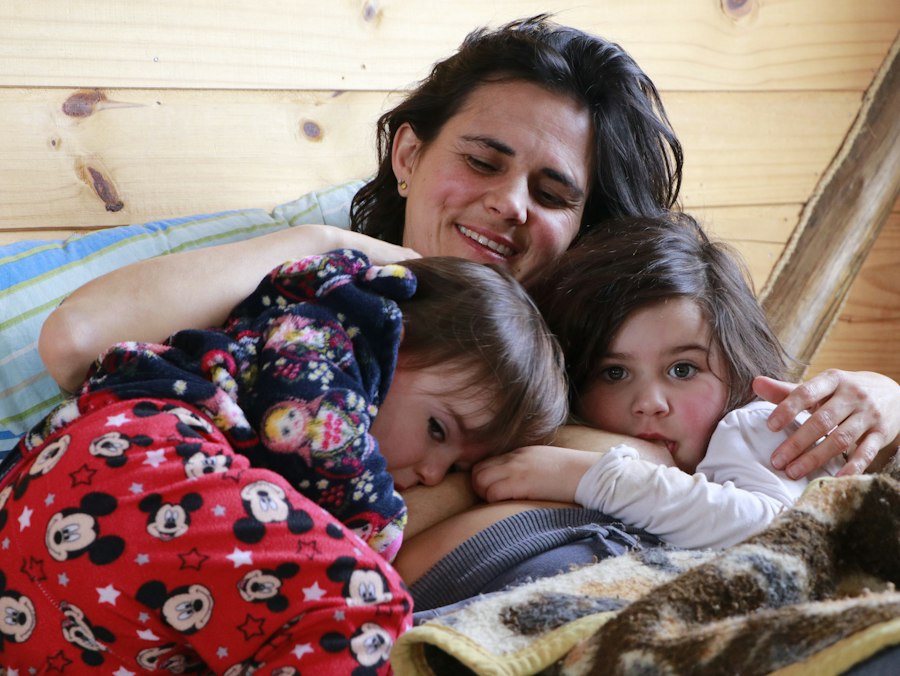
Once a warm and secure shelter was established, the most potent source of heat for Ice Age families was undoubtedly each other. The concept of shared body heat, or huddling, was not just a comfort measure; it was a vital survival strategy. In the relentless cold, the warmth generated by the metabolic processes of multiple human bodies working in unison was a powerful force against the encroaching chill.
Family Clusters: Maximizing Surface Area Contact
Within the confines of their dwellings, families would arrange themselves in close proximity. This was particularly true for sleeping arrangements. Adults would position themselves around children, creating a protective cocoon of warmth. The goal was to maximize surface area contact between individuals, allowing for efficient transfer of body heat. Imagine a circular arrangement, with individuals pressing against one another, their breaths mingling in the still, cold air. This close physical contact minimized the exposure of any single individual to the cold walls or floor of the dwelling and created a significantly warmer core temperature within the group.
Layering with Animal Furs: The Natural Wardrobe
The natural world provided the ultimate insulating material for Ice Age peoples: animal furs. These were not just for clothing but were also integral to their sleeping arrangements. Thick, untanned animal hides, particularly those from large mammals like mammoths, bears, and reindeer, served as incredibly effective blankets and bedding. These hides, with their dense undercoats and tough outer layers, trapped air, creating a powerful insulating barrier. Families would layer these furs over themselves, creating a warm nest within their shelter. The natural oils present in the hides also provided a degree of water resistance, a crucial benefit in preventing dampness from compromising their warmth. The meticulous preparation of these furs – scraping, tanning, and stretching – was a skilled craft, vital for maximizing their insulating properties.
Utilizing Heat Retention Materials: Straw and Dried Grass
Beyond animal hides, Ice Age families also understood the insulating properties of plant matter. In areas where it was available, dried grasses, straw, and other fibrous vegetation were used to create bedding. These materials, when packed loosely, trap air within their structure, acting as an insulator. Families would create thick layers of this plant material on the floor of their dwellings, further elevating them from the cold ground and providing a softer, warmer sleeping surface. This practice also served to absorb any moisture that might accumulate, preventing the cold from seeping through. The combination of layered furs and plant-based bedding created a remarkably effective microclimate for sleeping.
Fire: The Eternal Flame of Warmth and Safety
Fire was more than just a tool for cooking or a source of light for Ice Age families; it was a central pillar of their survival, and its role in keeping warm at night cannot be overstated. The controlled manipulation of flame provided a tangible and potent source of heat, transforming frigid nights into bearable periods of rest. The management and maintenance of fire were critical skills, passed down through generations.
Strategic Fire Placement: Balancing Heat and Safety
The placement of a fire within a dwelling was a carefully considered decision, balancing the need for warmth with the inherent dangers of an open flame. In caves, fires were often built in designated pits or hearths, sometimes with stone surrounds to contain the embers and prevent them from spreading. The heat radiated from the fire would warm the surrounding rock surfaces, which in turn would continue to radiate heat long after the flames had died down. In constructed shelters, fires were often positioned in the center of the dwelling, allowing the heat to disperse relatively evenly. However, ventilation was paramount. Smoke inhalation was a significant risk, and clever designs often incorporated smoke holes or rudimentary chimneys to allow for its escape. The constant vigilance required to manage a fire, especially during sleep, highlights its importance and the dedication of these ancient peoples.
Fuel Management: The Art of Sustaining the Flame
Sustaining a fire throughout a long, cold night required careful planning and a deep knowledge of available fuel sources. Ice Age families would gather and store substantial quantities of wood, bone, dried dung, and other combustible materials. The type of fuel was also important; harder woods burned longer and produced more sustained heat, while softer woods might be used for quick ignition or to stoke a dying fire. The practice of banking a fire – covering dying embers with ash and a thin layer of fuel – was a crucial technique to ensure that the fire could be easily reignited in the morning without the need to start anew. This conservation of energy and resources was a hallmark of their survival strategies.
The Psychological Comfort of Fire
Beyond its physical warmth, fire provided immense psychological comfort. In the vast, dark expanse of the Ice Age landscape, the flickering flames offered a beacon of security, warding off not only the physical cold but also the unseen threats of the night. The dancing light created an atmosphere of shared space and togetherness, fostering a sense of community and dispelling the primal fear of the unknown. This psychological element, the feeling of being safe and protected within the circle of firelight, was an invaluable component of their nocturnal well-being.
Clothing and Personal Insulation: A Mobile Heating System
While shelter and fire provided static sources of warmth, Ice Age families also possessed a highly effective “mobile heating system” in the form of their clothing. The development of sophisticated techniques for preparing and utilizing animal hides and furs allowed them to create garments that were not only protective but also incredibly efficient at retaining body heat. This personal insulation was the final, crucial layer in their battle against the cold.
Multi-Layered Garments: Trapping Air for Warmth
The principle of trapping air for insulation was as applicable to clothing as it was to bedding. Ice Age peoples understood the benefit of wearing multiple layers of clothing. A base layer, often made from softer, more pliable furs or tanned hides, would sit close to the skin, absorbing sweat and preventing direct chilling. This would then be covered by thicker, more insulating outer layers. These outer garments were typically made from the densest furs, with the hair facing outwards to shed snow and rain, and the pelts facing inwards to trap warmth. The construction of these garments was often complex, involving careful cutting and stitching to ensure a snug fit and minimize drafts.
Specialized Footwear and Headwear: Protecting Extremities
The extremities – hands, feet, and head – are particularly vulnerable to heat loss. Ice Age families developed specialized footwear and headwear to protect these areas. Boots were often made from thick hides, insulated with fur, and designed to be durable and waterproof. They might have been lined with moss or other soft materials for added comfort and insulation. Similarly, caps and hoods, often fashioned from the pelts of smaller mammals or the thicker parts of larger hides, were essential for retaining head warmth. The ability to keep these critical areas warm was vital for overall thermoregulation and prevented the rapid onset of hypothermia.
The Importance of Dryness: Preventing Heat Loss
A fundamental tenet of staying warm, both then and now, is the importance of staying dry. Wet clothing loses its insulating properties dramatically, as water conducts heat away from the body much more efficiently than air. Ice Age peoples understood this intuitively. Their expertly crafted garments, often treated with natural oils and fats, provided a degree of water resistance. Furthermore, they would take great care to dry their clothing whenever possible, whether by the fire or by the sun. The meticulous process of preparing hides, which often involved scraping away excess moisture and fat, contributed to their ability to repel water and maintain their insulating capacity.
During the Ice Age, families had to develop ingenious methods to stay warm while sleeping in harsh conditions. They often utilized animal skins and furs to insulate themselves against the biting cold, creating makeshift bedding that provided both comfort and warmth. Additionally, they would gather in close quarters, sharing body heat to fend off the chill. For a deeper understanding of how ancient societies adapted to their environments, you might find this article on societal resilience and adaptation interesting, which can be accessed here.
Ritual and Social Bonding: The Unseen Heaters
| Method | Description | Effectiveness | Materials Used |
|---|---|---|---|
| Animal Skins and Furs | Families wrapped themselves in thick animal hides to retain body heat. | High | Reindeer, mammoth, and other large mammal furs |
| Sleeping in Groups | Huddling together to share body warmth during cold nights. | Moderate to High | Human body heat |
| Use of Natural Shelters | Sleeping inside caves or rock shelters to block wind and cold. | Moderate | Stone, earth, and natural cave formations |
| Fire Placement | Keeping a fire burning near sleeping areas to provide warmth. | High | Wood, bone, and dried plant materials |
| Insulating Bedding | Using layers of leaves, grass, and moss beneath sleeping areas. | Moderate | Leaves, grass, moss |
While the tangible elements of shelter, fire, and clothing were indispensable, the social and ritualistic practices of Ice Age families also played a subtle but significant role in their ability to endure the cold, particularly during the vulnerable hours of sleep. The psychological and emotional warmth generated through social cohesion acted as an unspoken, yet powerful, insulator.
Storytelling and Shared Experiences: Dispelling the Darkness
As families gathered around the fire or huddled together in their sleeping quarters, storytelling was a common practice. These narratives, passed down through generations, served not only to preserve knowledge and cultural history but also to forge strong bonds between individuals. The shared experience of listening to tales, of laughter and connection, created a sense of collective security that could mitigate the anxieties associated with the harsh environment. This communal engagement helped to dispel the psychological darkness of the night, providing a buffer against the fear and isolation that the cold could induce.
Communal Rituals and Songs: Fostering Unity
Beyond simple storytelling, many Ice Age societies likely engaged in communal rituals and songs. These activities, often performed before sleep, served to reinforce group identity and solidarity. The act of singing together, of moving in unison, or participating in shared ceremonies could generate a profound sense of belonging. This emotional warmth and sense of unity were not mere epiphenomena; they were vital for maintaining morale and fostering the cooperation necessary for collective survival. A group that felt united and cared for was more likely to work together, to share resources, and to support one another through the hardships of the long winters.
The Instinct for Proximity: A Biological Imperative
At a fundamental biological level, humans are social creatures, and the instinct for proximity is deeply ingrained. During times of stress and danger, like the Ice Age winters, this instinct is amplified. The physical closeness of family members, beyond its direct thermal benefit, also provided a sense of safety and reassurance. Knowing that loved ones were nearby, breathing the same air, and sharing the same struggle against the cold, was a powerful comfort. This intrinsic need for connection, met through shared sleeping spaces and close familial bonds, was an essential, albeit often overlooked, element in their nocturnal survival. The Ice Age family, sleeping in the shadow of glaciers, was a testament to humanity’s enduring capacity for adaptation, ingenuity, and the profound power of connection in the face of overwhelming odds. Their strategies, born of necessity, continue to offer timeless lessons in the art of staying warm and resilient.

Life 20,000 Years Ago: How Humans Survived the Ice Age
FAQs
1. How did ice age families stay warm while sleeping?
Ice age families stayed warm while sleeping by using animal furs and hides as blankets and bedding. They also huddled together for warmth and built small fires inside their shelters.
2. What types of shelters did ice age families use to stay warm?
Ice age families used shelters such as caves, rock overhangs, and simple structures made from mammoth bones and hides to stay warm. These shelters provided protection from the cold and wind.
3. Did ice age families have any special techniques for staying warm while sleeping?
Ice age families used various techniques to stay warm while sleeping, such as lining their shelters with insulating materials like moss and grass. They also wore layers of clothing made from animal skins to trap heat close to their bodies.
4. How did ice age families keep their fires burning throughout the night?
Ice age families kept their fires burning throughout the night by using slow-burning materials like dried animal dung and wood. They would carefully tend to the fire, adding fuel as needed to maintain a steady source of heat.
5. Were there any specific rituals or traditions related to staying warm during the ice age?
Ice age families had rituals and traditions related to staying warm, such as sharing body heat by sleeping close together and passing down knowledge of fire-building and shelter construction from generation to generation. These practices helped ensure their survival in harsh, cold environments.