
The biting wind whipped across the vast, white expanse, carrying with it the hushed whispers of a prehistoric winter. For the Paleolithic hunter, survival in such a landscape was a testament to an intimate understanding of their environment, a knowledge passed down through generations. Tracking animals in the snow was not merely a skill; it was a sophisticated art form, honed through countless seasons and driven by the primal necessity of sustenance. Their success hinged on a keen intellect, an extraordinary sensory awareness, and the application of techniques that, while ancient, still resonate with the fundamental principles of tracking today.
The Unwritten Language of the Snow
The snow itself was a canvas, a dynamic record of every movement, every disturbance. Paleolithic hunters learned to read its nuances with an acuity that would astound modern observers. They understood that each snowfall, each temperature fluctuation, each gust of wind, altered the way tracks were preserved and revealed. This mastery was not innate; it was cultivated through constant observation and an unwavering focus on the subtle signs that betrayed the presence and passage of their prey.
Deciphering the Impression: Track Morphology
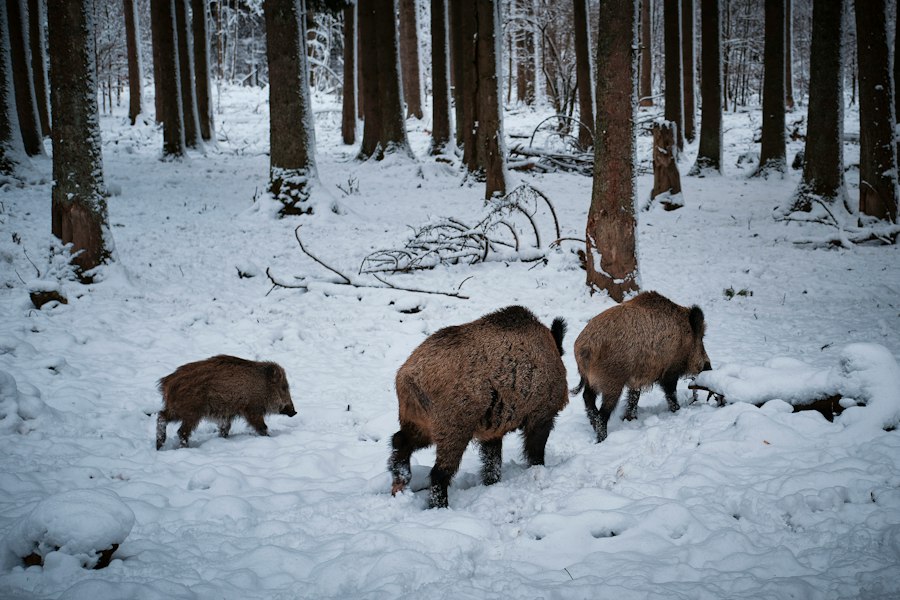
The most obvious clue left by an animal was its track. However, for a seasoned Paleolithic hunter, identifying a track was just the beginning. The shape, size, depth, and spacing of prints provided a wealth of information. A large ungulate, like a reindeer or a mammoth, would leave deep, distinct imprints, their weight pressing the snow down significantly. The presence of dewclaws, the angle of the footfall, and the stride length all contributed to a unique signature. Hunters could differentiate between species based on subtle differences in hoof or paw shape. They understood that a deer’s track would be more delicate and pointed than a wild boar’s, while the padded imprint of a wolf would be clearly distinguishable from that of a bear.
The context of the track was equally vital. Was it fresh, or had it been laid down hours, or even days, ago? The sharpness of the edges, the presence of any melting or refreezing around the print, and the accumulation of new snow over older impressions were all indicators of age. A hunter might observe that the edges of a track were softened and rounded, suggesting it had been exposed to the sun or warmer temperatures, or conversely, that it was sharp and crisp, indicating a recent passage. The way snow had settled back into a print after the animal had lifted its foot provided crucial information about the texture and consistency of the underlying snow.
Beyond the Print: Signs of Passage
The skilled tracker looked for more than just footprints. The snow was a tapestry of subtle disturbances, each holding a piece of the puzzle. A patch of disturbed snow, where an animal had scraped its hoof or claw, could reveal its gait or if it was agitated. The way snow was mounded or scattered indicated whether an animal had been moving at a trot, a gallop, or a more deliberate walk. A deep drag mark in the snow could signify a large animal struggling through deep drifts or, more ominously, a predator carrying its kill.
Vegetation offered additional clues. Broken twigs, snapped branches, or scraped bark on trees marked pathways or feeding areas. Even the displacement of small stones or pebbles beneath the snow could be indicative of an animal’s passage. A hunter would also pay attention to the presence of dung, not just its location but its freshness and consistency. The state of vegetation consumed by the animal could also provide information about its diet and health.
Paleolithic hunters developed sophisticated methods to track animals in snow, utilizing their keen observation skills to interpret subtle signs left by their prey. These early humans would look for footprints, broken branches, and other disturbances in the snow to determine the direction and speed of animal movements. For a deeper understanding of how early humans adapted to their environments, you can explore related topics in the article about historical conflicts and their impact on human behavior, such as the one found at this link.
Reading the Environment: A Hunter’s Sensory Arsenal
The Paleolithic hunter’s ability to track was not solely reliant on visual cues. Their senses were finely tuned to perceive the subtlest changes in their environment, amplifying their tracking prowess. They were masters of observation, integrating a symphony of sensory input to build a comprehensive picture of their quarry.
The Symphony of Sound: Auditory Clues
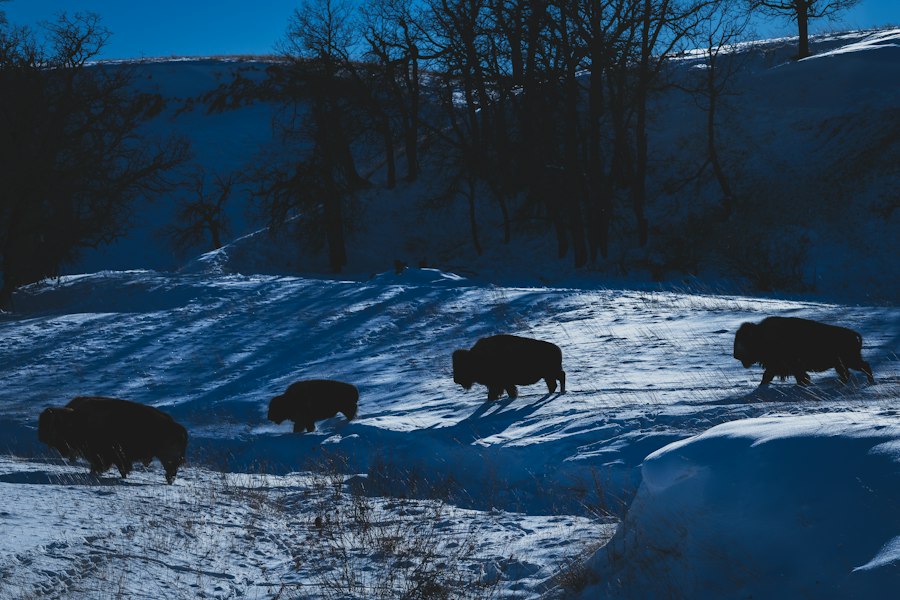
The silence of a snowy landscape could be deceptive. For a hunter, it was a canvas on which subtle sounds carried far. The distant snap of a twig, the muffled crunch of snow underfoot, or the snort of an animal could all betray its presence. Hunters learned to distinguish the sounds of different animals moving through the snow, recognizing the rhythmic thump of a deer’s hooves from the heavier, more deliberate tread of a bison. They also understood how sound traveled differently in various snow conditions and atmospheric states. A sharp crack might echo further on a crisp, frozen morning than on a damp, thawing day.
The wind played a crucial role in auditory tracking. Hunters would orient themselves to determine the direction of the wind, understanding that sounds would be carried downwind. They would listen for the rustling of snow, indicating an animal’s movement, or the telltale calls and vocalizations of a herd. The alarm calls of birds, often disturbed by larger animals, could also alert a hunter to the presence of prey.
The Invisible Trails: Olfactory Clues
While less overt than visual or auditory signs, scent played a critical role in tracking, particularly for animals like wolves or bears, which relied heavily on their sense of smell. Even for herbivores, their scent marked their territory and passage. Hunters, with their own acute sense of smell, could detect the musky odor of large mammals or the fainter scent of smaller prey. This was particularly effective in the still, cold air of winter, where scents could linger.
The direction of the wind was paramount for olfactory tracking. Hunters would try to position themselves upwind of potential prey, allowing them to pick up faint scents. They would also learn to distinguish the different smells of animals and their associated odors, such as the territorial markings of males or the scent of a female in heat. The subtle changes in the scent of the snow itself, from the undisturbed to the disturbed, could also indicate the passage of an animal.
Navigating the White Wilderness: Tracking Strategies in Snow
The challenges of tracking in snow were significant, demanding adaptable strategies. The blanketing effect of fresh snowfall could obscure existing tracks, forcing hunters to rely on secondary signs or to anticipate animal movements based on their knowledge of behavior and terrain. The conditions of the snow itself – whether deep and powdery, crusty, or icy – dictated the approach.
Paleolithic hunters developed remarkable skills to track animals in snow, utilizing their keen observation of footprints and other subtle signs left in the environment. These ancient techniques not only demonstrate their deep understanding of animal behavior but also highlight the importance of adapting to harsh climates. For those interested in exploring how modern challenges, such as resource competition in extreme environments, mirror the survival strategies of our ancestors, a fascinating read can be found in this article on the geopolitical race for Antarctic resources. You can check it out here.
The Art of Spotting Freshness
Distinguishing between a fresh track and an old one was paramount. A fresh track in powdery snow would retain sharp edges and the snow would appear recently disturbed, often with a slight dusting still visible within the impression. As time passed, the edges would soften, melt slightly, and be filled by drifting snow. In contrast, a track on a hard crust might be incredibly well-preserved for days, but a hunter would look for subtle signs like meltwater around the edges or the absence of new snow accumulation on top.
Hunters also developed an understanding of how animal behavior changed with the weather. For instance, during heavy snowfall, animals might seek shelter in denser forests or huddle together, making them more predictable targets. Conversely, during periods of thaw, their tracks might be more spread out as they sought unfrozen water sources.
Following the Faint Whispers: Interpreting Animal Behavior
Understanding animal behavior was as crucial as reading tracks. Paleolithic hunters were keen observers of their prey’s habits, their migration routes, their feeding grounds, and their avoidance strategies. They knew that certain animals, like reindeer, would follow predictable seasonal movements, often migrating to lower altitudes or areas with less snow cover during the harshest months.
If a track disappeared or became unclear, a hunter would revert to predicting the animal’s likely path. This involved considering the terrain – would the animal head towards a water source, a sheltered valley, or a known predator-free zone? They understood that animals would often seek the path of least resistance, avoiding deep drifts or treacherous icy patches where possible. They also knew that prey animals would often move in a particular direction to avoid threats or to reach a specific destination, and this directional tendency could be inferred from a series of less clear signs. The presence of other animals, or their absence, could also provide clues about recent activity.
The Hunter’s Toolkit: Beyond the Spear
While the spear and stone tools were the obvious instruments of the hunt, the Paleolithic hunter’s true toolkit was their mind, their senses, and their accumulated knowledge. These intangible assets, honed over millennia, were essential for navigating the challenges of tracking in a frozen world.
The Power of Collective Knowledge
Tracking was rarely a solitary endeavor. Knowledge was shared and passed down, with elders teaching younger generations the intricacies of reading the snow and understanding animal behavior. This collective wisdom allowed for more effective hunting strategies, with different individuals contributing their observations and expertise. A successful hunt was often the result of a coordinated effort, with hunters specializing in different roles, from scouting and tracking to driving prey towards ambushes.
The stories and legends of a tribe often contained valuable information about animal movements and tracking techniques, subtly embedding this crucial knowledge within their cultural narrative. The experience of many individuals over many generations contributed to the refinement of these tracking methods.
Adaptability in the Face of the Unknown
The winter landscape was constantly changing, and the hunter had to be adaptable. A sudden blizzard could erase all signs, requiring a complete re-evaluation of the situation. The hunter had to be able to improvise, to find new clues, and to adjust their strategy on the fly. This required not only immense skill but also resilience and a deep well of patience. The ability to remain calm and focused, even when faced with disappointment or a seemingly insurmountable challenge, was a hallmark of the successful Paleolithic tracker.
The hunter who could effectively interpret the subtle language of the snow, who could anticipate the movements of their prey, and who could adapt to the ever-changing conditions of the winter environment, was not just a hunter; they were a survivor, a testament to the remarkable ingenuity and enduring spirit of our ancient ancestors. Their legacy is etched not in stone, but in the silent, white tapestry of the frozen earth, a testament to a profound connection with the natural world that modern humans can only begin to fathom.

➡️Life 20,000 Years Ago | When Strangers Claim Your Winter Shelter 🚨
FAQs
What techniques did Paleolithic hunters use to track animals in snow?
Paleolithic hunters utilized various techniques to track animals in snow, including observing footprints, scat, and other signs of animal activity. They would look for specific patterns in the snow that indicated the type of animal, its size, and its direction of movement. Additionally, they often relied on their knowledge of animal behavior and seasonal patterns to predict where animals might be found.
How did the snow affect the visibility of animal tracks?
The snow provided a contrasting background that made animal tracks more visible. Fresh snow would capture the impressions left by animals, allowing hunters to see details such as the size and shape of the tracks. However, older tracks could become obscured by new snowfall or melting, making it more challenging to follow them over time.
What types of animals did Paleolithic hunters typically track in snowy environments?
Paleolithic hunters primarily tracked large game animals such as mammoths, reindeer, and bison in snowy environments. These animals were crucial for survival, providing meat, hides, and bones for tools. The seasonal migration patterns of these animals often coincided with snowy conditions, making tracking essential for successful hunting.
Did Paleolithic hunters use any tools to assist in tracking animals in snow?
While Paleolithic hunters primarily relied on their keen observation skills, they may have used simple tools to assist in tracking. For example, they could have used sticks or branches to probe the snow for deeper tracks or to clear away snow to reveal hidden signs of animal movement. However, the primary method of tracking was through careful observation rather than specialized tools.
How did the knowledge of animal behavior aid Paleolithic hunters in tracking?
Knowledge of animal behavior was crucial for Paleolithic hunters as it helped them anticipate where animals would be located based on factors such as feeding habits, migration patterns, and social structures. Understanding these behaviors allowed hunters to interpret the tracks they found in the snow more effectively and to strategize their hunting efforts accordingly.