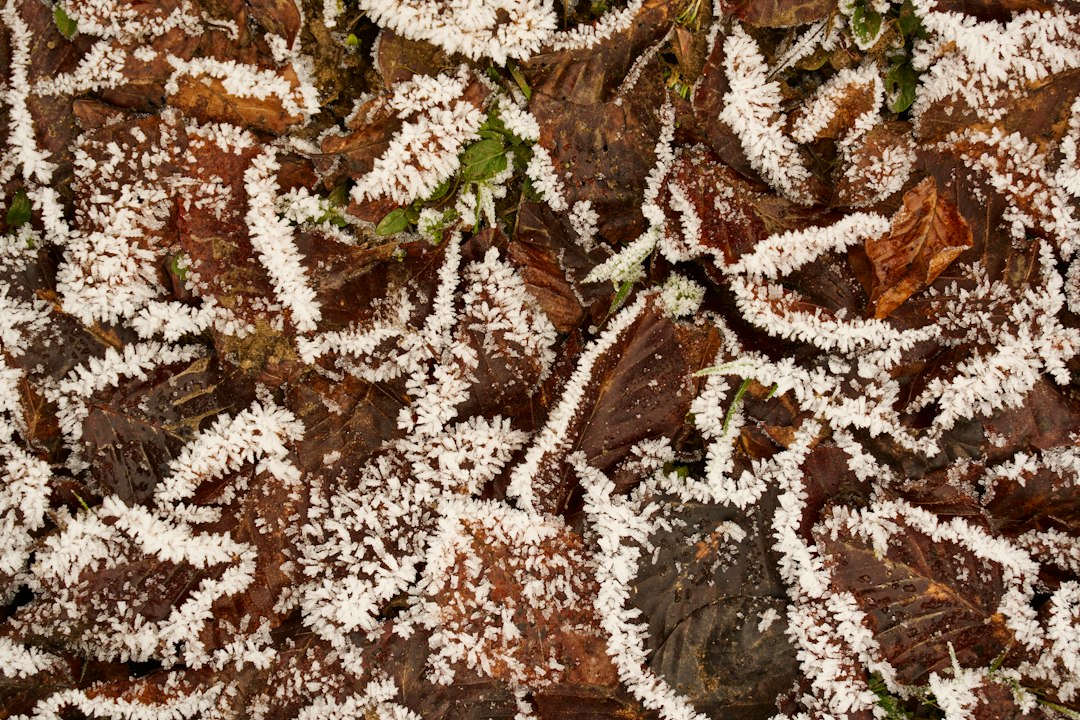
The biting winds of winter, the stark white blanket of snow, the scarcity of fresh sustenance – these were the ancient challenges that shaped the ingenuity of prehistoric peoples. Survival in eras before refrigeration, canning, or even widespread agriculture hinged on a profound understanding of the natural world and the development of clever techniques to preserve the bounty of warmer seasons. Without these methods, entire communities would have faced starvation during the lean months, making food preservation not merely a convenience but a critical component of human resilience and expansion. The ability to store food allowed for larger populations, more settled lifestyles, and the development of complex societies, as predictable food availability reduced the constant pressure of daily foraging.
Harnessing the Power of Cold: Natural Freezing and Chilling
One of the most intuitive and readily available preservation methods for prehistoric peoples was the direct utilization of cold temperatures. In regions experiencing prolonged periods of freezing weather, the natural environment itself became a pantry. The discovery of this phenomenon, likely accidental at first, would have been a monumental leap in food security.
The Frozen Larder: Utilizing Snow and Ice
In colder climates, the consistent presence of snow and ice offered an unparalleled preservative. Animals that were hunted and butchened could be readily exposed to sub-zero temperatures, slowing down the decomposition processes. Hunters would have learned to store meat in snowdrifts or ice caves, effectively creating natural freezers. The act of burying meat deep in the snow not only kept it cold but also protected it from scavengers and the harsh elements. Similarly, fish caught in frozen lakes or rivers could be preserved by the surrounding ice. Early humans likely observed that food stored in these conditions remained edible for extended periods, allowing them to build up a substantial reserve for the winter. The density of snow also provided insulation, protecting the food from drastic temperature fluctuations, which could otherwise lead to spoilage even in freezing conditions. Evidence of this practice can be inferred from archaeological sites where bone fragments and tool marks suggest the processing and storage of large quantities of meat during winter months, often in proximity to natural ice formations or deep snow accumulation areas.
Elevated Storage: The Air-Chilling Advantage
Even in areas not consistently frozen, fluctuating winter temperatures could be exploited. Elevated storage, such as hanging meat from trees or storing it in elevated structures, could provide a degree of cooling. The circulation of colder air around the food, away from the warmer ground, would have contributed to its preservation. This method also offered protection from ground-dwelling predators. In some cases, these elevated caches might have been designed to be inaccessible to animals, further ensuring the longevity of the stored food. The height and exposure to prevailing winds were key factors in the effectiveness of this method. While not as potent as true freezing, it was a significant improvement over leaving food exposed. This technique likely evolved from observing the natural decay rates of food in different locations and understanding the protective qualities of altitude and airflow.
Prehistoric people developed various methods to preserve food during harsh winters, ensuring their survival when fresh resources were scarce. Techniques such as drying, smoking, and fermenting allowed them to extend the shelf life of meats and vegetables. For a deeper understanding of how ancient practices have influenced modern survival strategies, you can explore a related article that discusses advancements in technology and resource management in challenging environments. Check it out here: Advancing Cislunar Space Domain Awareness Technology.
The Magic of Dryness: Sun, Wind, and Smoke
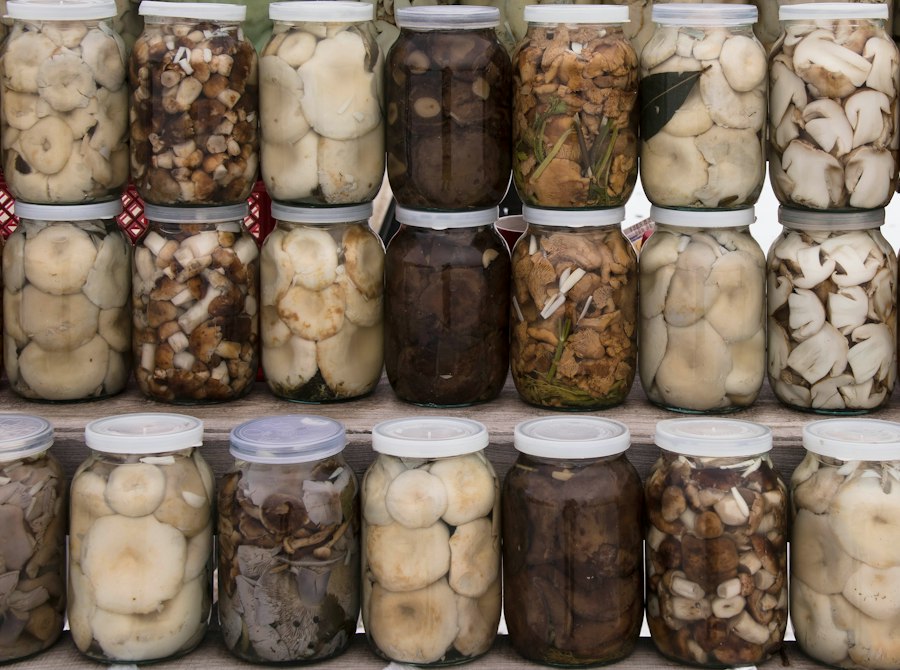
Beyond the direct application of cold, prehistoric peoples developed sophisticated techniques to remove moisture, a primary catalyst for microbial growth and spoilage. This approach, relying on desiccation, was effective in a variety of climates and offered a way to preserve a wide range of foodstuffs.
Solar Dehydration: Capturing the Sun’s Preserving Rays
The sun, a constant and powerful force, was harnessed for its drying capabilities. Thinly sliced fruits, vegetables, and even strips of meat were spread out in direct sunlight. The intense heat and radiant energy would evaporate moisture, rendering the food unsuitable for the bacteria and fungi that cause decay. This method would have been particularly effective in arid or semi-arid regions during warmer months. Archaeological evidence, such as the discovery of dried plant remains and animal tissues in ancient settlements, points to the widespread use of solar dehydration. The process required careful observation of weather patterns to ensure prolonged sunny periods and protection from rain or dew, which could reverse the drying process and lead to spoilage. Some cultures may have even developed rudimentary drying racks or platforms to optimize sun exposure and airflow, further enhancing the efficiency of this technique.
Air-Drying: The Gentle Persuasion of Wind
Wind, another natural element, played a crucial role in food preservation through air-drying. Similar to solar dehydration, this method relied on removing moisture, but it was a more gradual process, often employed in conjunction with or as an alternative to direct sunlight. Meat could be hung in breezy locations, allowing the circulating air to carry away moisture. This technique was effective for a variety of food items, including grains, herbs, and fish. The success of air-drying depended on a consistent and dry airflow, and prehistoric peoples likely identified optimal locations – exposed, breezy spots away from dampness and humidity. The practice would have been refined through generations of observation, learning which wind patterns were most conducive to drying and how to best position food to maximize exposure to this drying force. In some instances, food might have been placed in baskets or nets to allow for greater airflow on all sides.
Smoking: A Culinary Alchemy of Preservation and Flavor
Smoking food represented a significant advancement, combining dehydration with the preservative and flavoring properties of smoke. Meat and fish, suspended over smoldering fires, were exposed to the chemicals in the wood smoke. This process not only dried the food but also imparted antimicrobial compounds, significantly extending its shelf life. The aromatic qualities of smoke also added a desirable flavor, transforming preservation into a culinary art. Different types of wood would have been experimented with to achieve varying flavor profiles. Archaeological sites have yielded evidence of smoking pits and structures, indicating the deliberate and systematic application of this technique. The process required careful control of the fire and smoke, ensuring that the food was adequately preserved without becoming overcooked or scorched. The efficiency of smoking was particularly valuable for preserving fatty meats, as the smoke helped to prevent rancidity.
The Art of Fermentation: Harnessing Beneficial Microbes
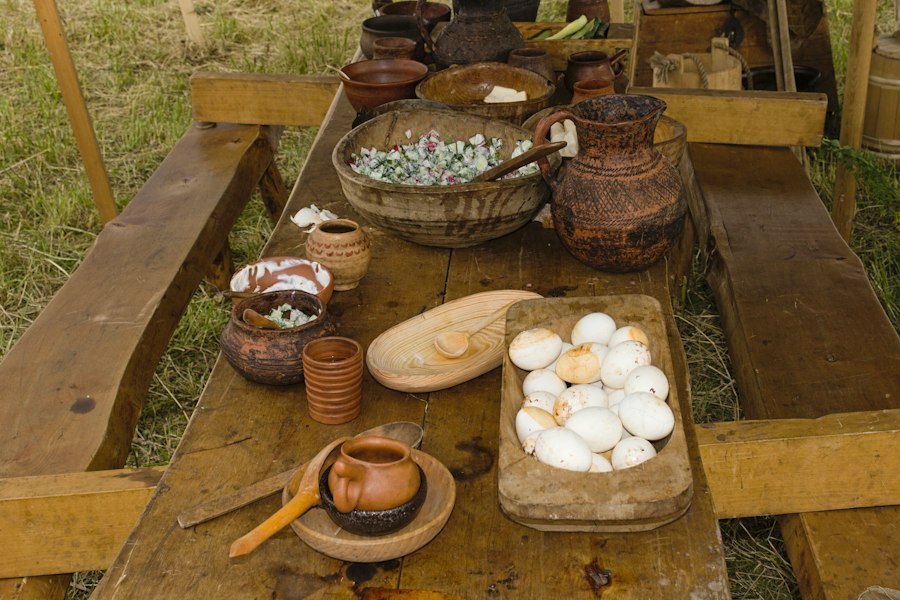
Fermentation, a process that might seem counterintuitive to modern preservation methods, was a vital and ingenious technique employed by prehistoric peoples. By encouraging the growth of specific microorganisms, they could transform food, making it safer, more digestible, and longer-lasting.
Cultivating the Cultures: The Origins of Fermented Foods
The discovery of fermentation was likely a serendipitous one, born from observation. Grains left to stand for too long might have spontaneously begun to bubble and change in taste, and this transformation was recognized as a means of preservation. Grains, fruits, and vegetables could be placed in containers and allowed to undergo natural fermentation. This process, driven by yeasts and bacteria, produced acids and alcohol, which inhibited the growth of spoilage-causing microbes. The resultant products, such as primitive forms of bread, yogurt, and fermented vegetables, were not only preserved but also often enhanced in flavor and nutritional value. The precise control of the fermentation process, however, would have been a learned skill, requiring an understanding of the conditions that favored beneficial microbes over harmful ones. This might have involved regulating temperature, moisture levels, and the duration of the fermentation.
Lacto-Fermentation: The Tangy Guardians of Nutrients
Lacto-fermentation, a specific type of fermentation involving lactic acid bacteria, was particularly important for preserving dairy products and vegetables. In cultures where dairying was practiced, milk could be allowed to ferment into yogurt or cheese, extending its usability. Similarly, vegetables like cabbage could be submerged in brine, encouraging the growth of lactic acid bacteria that produced lactic acid. This acidic environment prevented the growth of harmful bacteria and preserved the vegetables for extended periods. The tangy taste of lacto-fermented foods was a familiar and often desirable characteristic. This method was especially valuable for preserving seasonal produce, ensuring a source of vitamins and nutrients throughout the year. The salt in the brine played a dual role, drawing out moisture and creating an environment favorable to lactic acid bacteria.
Sealing the Bounty: Innovations in Storage and Containment
Effective food preservation was not solely about the treatment of the food itself, but also about the methods used to store and protect it. Prehistoric peoples developed clever ways to contain their preserved goods, shielding them from the elements, pests, and further spoilage.
Ceramic Vessels: The Dawn of Durable Containers
The development of pottery marked a significant milestone in food preservation. Fired clay vessels offered a durable, impermeable, and pest-resistant means of storing dried grains, seeds, fermented products, and other preserved foods. These containers could be sealed, protecting their contents from moisture, insects, and rodents. The ability to create standardized containers also facilitated trade and the storage of larger quantities. Archaeological excavations frequently unearth ceramic pots and amphorae filled with remnants of preserved foodstuffs, providing direct evidence of their use. The evolution of pottery design, from simple utilitarian forms to more elaborate storage vessels, reflects the growing importance of food security and the refinement of storage techniques. The porosity of some unglazed pottery could also be advantageous, allowing for some air exchange while still offering protection.
Animal Hides and Woven Baskets: Flexible and Adaptable Solutions
Beyond ceramics, prehistoric peoples utilized readily available natural materials for storage. Animal hides, when properly treated, could be fashioned into pouches and bags for storing dried goods. These flexible containers were lightweight and portable, making them ideal for mobile groups. Woven baskets, crafted from reeds, grasses, and other plant materials, also served as essential storage solutions. They allowed for airflow, making them suitable for drying and storing items like grains and herbs. While less impermeable than pottery, they were effective for protecting food from damage and making it easier to transport and manage. The intricate weaving techniques employed in basketry suggest a deep understanding of material properties and their application in practical contexts. The size and shape of these containers would have been adapted to the specific types of food being stored and the needs of the community.
Prehistoric people faced significant challenges during harsh winters, and their survival often depended on effective food preservation techniques. They utilized methods such as drying, smoking, and fermenting to ensure that they had enough sustenance to last through the cold months. For a deeper understanding of how ancient practices can inform modern survival strategies, you might find it interesting to explore this related article on the ongoing struggles for peace in Sudan, which highlights the resilience of communities in the face of adversity. You can read more about it here.
Preserving the Harvest: Long-Term Storage Strategies
| Preservation Method | Description | Materials Used | Effectiveness | Example Foods |
|---|---|---|---|---|
| Drying | Removing moisture from food to prevent bacterial growth | Sunlight, fire smoke, wind | High for meats, fruits, and herbs | Meat strips, berries, herbs |
| Smoking | Exposing food to smoke to add flavor and preserve | Wood smoke, fire pits | Moderate to high for meats and fish | Fish, game meat |
| Freezing | Using natural cold temperatures to preserve food | Snow, ice, cold caves | High in cold climates | Meat, berries, vegetables |
| Fermentation | Using natural bacteria to preserve and enhance food | Leaves, containers, natural bacteria | Moderate, adds nutrients | Vegetables, dairy, fish |
| Storage in cool, dark places | Keeping food in caves or underground pits to slow spoilage | Caves, pits, root cellars | Moderate | Roots, nuts, tubers |
The ultimate goal of these various preservation techniques was to ensure a consistent food supply throughout the year, especially during the harsh winter months. This involved strategic planning, careful execution, and the development of long-term storage practices.
Building Reserves: The Foundation of Winter Survival
The core of prehistoric winter survival lay in the systematic accumulation of food reserves. Throughout the productive seasons, every available resource was utilized. This involved not only preserving individual food items but also managing the overall supply. Hunting parties would bring back large quantities of meat, which would then be processed through drying, smoking, or freezing. Foraging efforts would yield fruits, nuts, and seeds, which would be dried or stored in cool, dry conditions. The establishment of designated storage areas, whether in natural caves, specially constructed pits, or within settlements, was crucial for safeguarding these reserves. The success of a community through a severe winter often depended on the foresight and diligence of its members in building these essential food stockpiles. This also required a deep understanding of the natural cycles of food availability, knowing when to harvest, hunt, and preserve.
Understanding Cycles and Seasons: Predictive Preservation
Prehistoric peoples possessed an intimate knowledge of the natural world, including the predictable cycles of seasons, animal migrations, and plant growth. This understanding informed their preservation strategies, allowing them to anticipate periods of scarcity and plan accordingly. They knew when certain animals would be most abundant, when fruits would ripen, and when the first frosts would arrive, signaling the need to intensify preservation efforts. This predictive preservation was not a static process but a dynamic adaptation to the ever-changing environment. It involved observing patterns over generations, passing down knowledge about optimal times for hunting, fishing, and harvesting specific plants for maximum preservation potential. This accumulated wisdom allowed them to make informed decisions about when to store, how much to store, and which preservation methods would be most effective for each type of food.
The ingenuity of prehistoric peoples in preserving food was a testament to their deep connection with nature and their remarkable ability to adapt and innovate. These ancient techniques, born out of necessity, laid the groundwork for many of our modern food preservation methods and were instrumental in allowing humanity to survive, thrive, and eventually populate the globe, overcoming the formidable challenges of harsh winters and unpredictable food availability. Their legacy is etched in the very survival of our species.

Life 20,000 Years Ago | When an Ice Age Wildfire Traps Your Primitive Family
FAQs
What methods did prehistoric people use to preserve food during winter?
Prehistoric people employed various methods to preserve food, including drying, smoking, fermenting, and storing in cool, dark places. Drying involved removing moisture from food items like fruits and meats, while smoking added flavor and helped inhibit bacterial growth. Fermentation was used for items like dairy and vegetables, creating a sour taste that also preserved them. Additionally, they utilized natural refrigeration by burying food in the ground or storing it in caves to keep it cool.
Why was food preservation important for prehistoric people?
Food preservation was crucial for prehistoric people as it allowed them to survive harsh winters when fresh food sources were scarce. By preserving food, they ensured a stable food supply, which was essential for maintaining health and energy levels during periods of limited hunting and gathering opportunities.
What types of food were commonly preserved by prehistoric people?
Prehistoric people commonly preserved a variety of foods, including meats (such as fish, game, and poultry), fruits (like berries and apples), and vegetables (such as root crops). They also preserved grains and nuts, which could be stored for long periods without spoiling.
How did climate influence food preservation techniques in prehistoric times?
The climate significantly influenced food preservation techniques, as colder temperatures naturally slowed down the spoilage process. In colder regions, prehistoric people could store food in ice or snow, while in warmer climates, they relied more on drying and smoking methods to prevent spoilage. The availability of resources also dictated which preservation methods were most effective in different environments.
Did prehistoric people have any tools for food preservation?
Yes, prehistoric people developed various tools for food preservation, including knives for cutting and preparing food, drying racks for air-drying meats and fruits, and containers made from natural materials like clay, wood, or animal hides for storing preserved foods. These tools helped enhance their ability to store food safely and effectively.