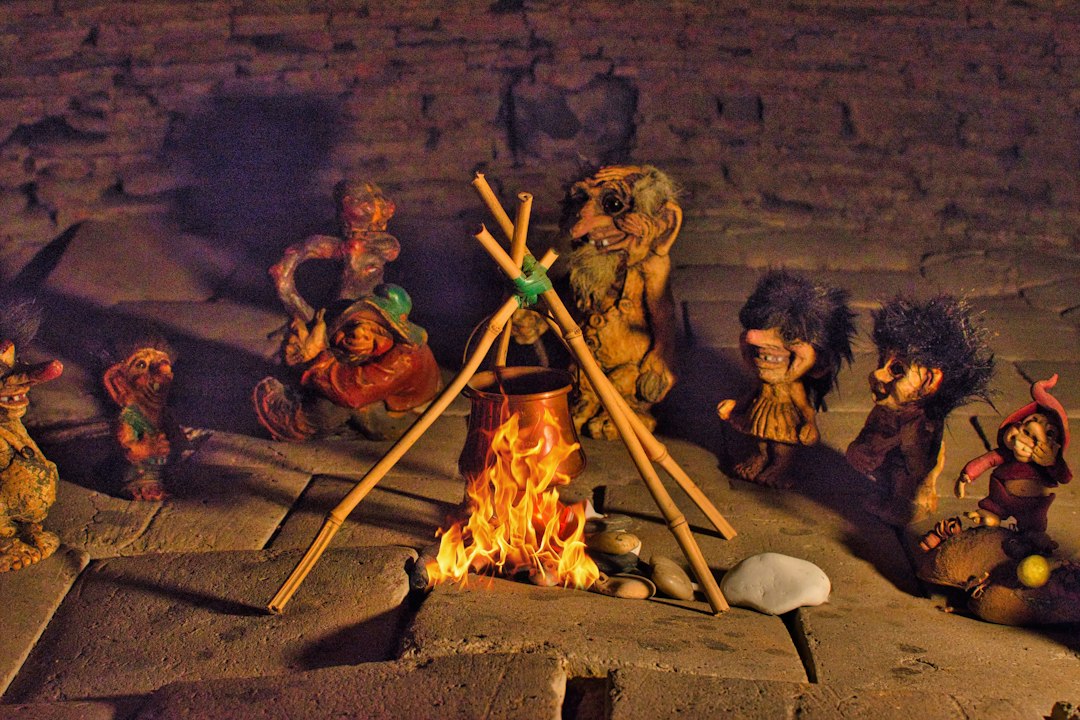
The flickering ember, a testament to human ingenuity, represented far more than mere warmth and light for primitive families. It was the hearth, the heart of the dwelling, a sentinel against the encroaching darkness and the myriad dangers that lurked within it. Keeping this precious flame alive throughout the long hours of the night was a fundamental, often perilous, endeavor that shaped daily life, social structures, and the very evolution of our ancestors. It was a constant negotiation with the environment, a delicate ballet of resourcefulness and vigilance.
The Sacred Duty of the Hearth Keeper
The responsibility for maintaining the fire was not a casual one. It was a role imbued with significant importance, often falling to specific individuals within the family or clan. This wasn’t a task undertaken lightly; it demanded constant attention, a keen understanding of fuel consumption, and a deep respect for the power of fire. The hearth keeper was the guardian of the family’s well-being, their vigilance a silent promise of safety and comfort.
Nurturing the Ember: A Skill Developed Over Generations
The fundamental principle of keeping a fire alive through the night revolved around carefully managing its fuel. Primitive peoples, lacking the modern conveniences of readily available timber or sophisticated fire-starting tools, had to be acutely aware of the burning characteristics of different materials. This knowledge was not inherent; it was acquired through observation, experimentation, and the invaluable transmission of wisdom from elders to younger generations.
Selecting the Right Fuel: The Foundation of Endurance
The success of an all-night fire hinged on the selection of appropriate fuel. Green wood, while producing less heat and more smoke, burned slowly and could smolder for extended periods, providing a base of embers. Drier woods, particularly hardwoods like oak or beech, offered more intense heat and flame but burned more rapidly. The art lay in creating a layered structure, a carefully orchestrated pyre designed for longevity.
Primitive individuals would meticulously gather a variety of fuel sources, understanding that a single type would not suffice. They learned to distinguish between woods that charred effectively and those that readily combusted. The gathering process itself was a communal activity, often involving a significant portion of the day. Scouts and hunters, while on their expeditions, would simultaneously be on the lookout for fallen branches, dry grasses, and other combustible materials. The collection was not random; it was strategic, driven by the knowledge of how to best sustain the hearth. Different regions would offer unique fuel profiles, forcing early humans to adapt their fuel-gathering strategies based on their local environment. For instance, in densely forested areas, the challenge might be finding dry wood after prolonged periods of rain. In more arid regions, the focus might be on collecting dried grasses, brush, and dung.
The process of preparing the fuel was also crucial. Larger logs would be split or broken down into manageable sizes, ensuring they would fit efficiently within the fire pit and burn at a controlled rate. Smaller, finer materials like dried leaves, bark, or animal dung served a vital purpose. These were not simply thrown onto the fire but were often used to insulate the embers or to be added in small quantities to revive a dwindling flame. The dung, particularly from herbivores, was a valuable resource. Once dried, it burned with a low, consistent heat, smoldering for hours and acting as an excellent fuel for maintaining embers overnight. This resourceful use of readily available resources highlights the deep understanding of material properties that primitive societies possessed.
The Art of the Smolder: Building for Duration
Once the ideal fuel was gathered and prepared, the next challenge was to arrange it in a way that facilitated a long, slow burn. This involved a nuanced understanding of airflow and heat retention. A common technique involved building a substantial bed of hot coals and then carefully layering larger pieces of wood over these embers, allowing them to smolder rather than burst into open flame.
This “smoldering” technique was paramount for overnight survival. Instead of creating a roaring inferno that would rapidly consume fuel, the goal was to create a deep, enduring bed of coals. This would be achieved by arranging larger, denser pieces of wood in a way that restricted airflow. The wood would char slowly, releasing heat for hours without the need for constant stoking. Imagine a carefully constructed pyramid of logs, with the smallest, driest pieces at the bottom, gradually increasing in size upwards. Once ignited, the base would establish a good bed of coals, and then the larger logs would begin to char, their inner cores retaining heat and slowly releasing it.
The placement of the fire within the dwelling also played a role. Many primitive shelters were designed to trap heat and direct it towards the living space. A central hearth, often dug into the ground or surrounded by stones, helped to contain the embers and reflect heat inwards. The smoke would be managed through strategically placed vents or openings in the roof, allowing it to escape while minimizing heat loss. The surrounding stones or earth would absorb heat during the day and radiate it back into the shelter at night, further contributing to the longevity of the fire.
Vigilance and the Ritual of the Night
Even with the most expertly prepared fire, vigilance remained an indispensable element. The hearth keeper, or designated individuals, would periodically check the fire, ensuring it was still smoldering and ready to be revived if needed. This vigilance was not just about practical necessity; it often took on a ritualistic dimension, becoming a part of the family’s nightly routine.
The Watcher’s Duty: A Silent Guard
The role of the individual tasked with tending the fire through the night was one of immense responsibility. Sleep would often be interrupted, requiring a deep commitment to the well-being of the group. The watcher’s senses would be attuned to the subtle cues of the fire: the crackle of wood, the glow of the embers, the faint scent of smoke.
The concept of a “night watch” for the fire was essential. This person, often an adult, would be responsible for waking at intervals throughout the night to tend to the fire. They would gently poke and prod the embers, adding small amounts of fuel to keep the smolder alive. This wasn’t an active, energy-consuming task but a series of short, focused interventions. The watcher would listen for the tell-tale signs of a fire dying down: a fading glow, a lack of heat radiating from the hearth. Upon recognizing these signs, they would carefully add small pieces of dry wood, bark, or even dung, coaxing the embers back to life. This constant, low-level attention prevented the complete extinguishment of the fire, ensuring that a revival could be initiated with relative ease in the morning. The ability to perform these tasks with minimal disruption to sleep was a learned skill, often honed from a young age through observation. Children would watch their elders perform these duties, internalizing the rhythms and techniques.
The emotional and psychological impact of this nightly vigilance cannot be overstated. The knowledge that someone was actively tending the fire provided a sense of security and peace for the sleeping family members. The watcher was not just tending a physical flame; they were guarding against the primal fears of darkness and cold, of predators and the unknown. This duty fostered a deep sense of interconnectedness and reliance within the family unit.
Rituals and Superstitions: Beyond Mere Survival
Beyond the practicalities, fire often held deep cultural and spiritual significance for primitive peoples. The act of tending the fire could become imbued with rituals, prayers, and superstitions, reinforcing its importance and ensuring its continued presence.
The relationship with fire was rarely purely utilitarian. In many cultures, fire was seen as a living entity, a gift from the gods, or a conduit to the spirit world. Therefore, the act of tending it was often accompanied by rituals or spoken words intended to appease or honor the fire itself. These might include specific chants, offerings of food or small valuables placed near the hearth, or specific gestures performed while stoking the embers. These rituals served to reinforce the sacredness of the fire and the importance of its continuous presence.
Superstitions surrounding fire were also common. Certain sounds or patterns in the flames might be interpreted as omens. It was believed that letting the fire die out completely could bring bad luck, illness, or attract malevolent spirits. Conversely, a well-maintained fire might be seen as a sign of good fortune and divine favor. These beliefs provided an additional layer of motivation for the hearth keeper, elevating their duty beyond simple survival to a spiritual obligation. The daily ritual of bringing the fire back to life in the morning would also be significant. This act of rebirth, of dispelling the darkness of the night, would be celebrated, perhaps with the first meal cooked over the newly revived flames. This connection between fire, life, and community was a powerful force in primitive societies.
Primitive families developed various techniques to keep their fires burning through the night, ensuring warmth and protection from predators. They often used materials like dry wood, animal fat, and even stones to maintain a steady flame. Additionally, the strategic placement of their fires in sheltered areas helped to minimize the effects of wind and rain. For a deeper understanding of how ancient communities adapted to their environments, you can explore the article on archaeological evidence of ancient droughts, which sheds light on the challenges faced by early humans and their survival strategies. You can read more about it here: Unearthing Ancient Droughts: Archaeological Evidence.
Preparing for the Long Night: Strategic Fuel Management
The success of keeping a fire burning through the night was directly proportional to the foresight and planning undertaken during daylight hours. This was not a matter of improvising when the flames began to dwindle; it was a strategic endeavor of accumulating and preparing sufficient fuel to weather the darkness.
The Daily Harvest: A Constant Quest for Combustibles
Every day was, in essence, a fuel-gathering expedition. The acquisition of wood, dried grasses, animal dung, and other burnable materials was a continuous process, woven into the fabric of daily life. The efficiency of this harvest was crucial for the survival of the family.
The gathering of fuel was an ongoing task that occupied a significant portion of the day for many members of a primitive family. It was not a task undertaken sporadically but rather a constant, almost instinctual, activity. As individuals moved about their daily routines – foraging for food, hunting, or traveling – they would be perpetually on the lookout for suitable materials. Fallen branches, dried leaves, pinecones, and the husks of seeds all contributed to the fire’s sustenance.
Animal dung was a particularly valuable resource, especially in environments where wood was scarce. Dried dung, when compacted and allowed to thoroughly cure, burned with a steady, low heat, smoldering for extended periods. This made it an ideal fuel for maintaining embers overnight without the risk of rapid consumption. Families would actively collect dung from grazing animals, storing it in dry locations to prevent it from becoming waterlogged. The use of dung also speaks to the ingenuity of primitive peoples in utilizing every available resource, minimizing waste and maximizing efficiency.
The importance of water management in fuel preservation cannot be overstated. Dried fuel was paramount. Any hint of dampness would significantly reduce its burning efficiency and increase the difficulty of starting and maintaining a fire. Therefore, careful attention was paid to storing gathered fuel in dry, sheltered locations. This might involve hanging bundles of grass from the roof of a shelter, storing wood under overhangs, or keeping dung piles covered to protect them from rain. The constant effort to maintain a dry supply of fuel was a critical element in ensuring the fire’s nightly survival.
Seasonal Considerations: Adapting to the Rhythms of Nature
The availability and type of fuel varied dramatically with the seasons. Primitive families had to adapt their gathering strategies to account for these natural cycles. The lush abundance of dry vegetation in summer contrasted sharply with the often-damp conditions of winter, requiring different approaches to ensure a steady supply of burnable material.
During wetter seasons, the challenge of finding dry fuel intensified. Primitive peoples would develop strategies to overcome this. They might learn to identify deadfall that was more likely to be dry, often found higher up on tree trunks or in sheltered locations. They might also harvest materials from plants that naturally dried out more readily, such as certain types of reeds or grasses. Another technique involved actively drying harvested materials. Bundles of grass or branches might be hung in sunny, well-ventilated areas to accelerate the drying process. In some cases, they might even use the heat of a small, existing fire to help dry out larger quantities of fuel, a clever use of the fire’s own energy.
The winter months presented their own set of challenges. While there might be an abundance of deadwood available, it could also be frozen or damp. Families would prioritize gathering and storing fuel during the drier autumn months, creating substantial reserves to see them through the winter. This foresight was crucial, as venturing out into harsh winter conditions to gather fuel would be a dangerous and often fruitless endeavor. The ability to anticipate these seasonal shifts and plan accordingly was a hallmark of successful primitive communities.
The Fire Pit as a Strategic Tool: Design and Maintenance
The very structure in which the fire was contained played a vital role in its ability to endure. Primitive fire pits were not mere holes in the ground; they were often carefully constructed to maximize heat retention and control airflow, thereby extending the life of the embers.
The design of the fire pit was a critical factor in its ability to keep the fire burning through the night. While some early humans might have simply used a shallow depression in the earth, more sophisticated designs emerged over time. Stones were often used to create a ring or enclosure around the fire. These stones, when heated by the fire, would absorb and radiate warmth for extended periods, acting as a thermal battery. The larger and denser the stones, the longer they would retain heat.
In some cases, the fire pit might be slightly recessed into the ground, creating a more sheltered environment. This would help to protect the embers from wind, which could fan the flames and consume fuel too rapidly, or conversely, extinguish a dying fire. The depth of the pit could also be adjusted. A deeper pit would allow for a more substantial bed of coals to accumulate, providing a longer-lasting heat source. The surrounding earth or packed clay would also help to insulate the fire, preventing heat from escaping outwards.
The maintenance of the fire pit was also an important aspect. Over time, the stones might shift, or the earth might erode. Regular checks and repairs would ensure the pit remained functional. Ashes would also accumulate, and while some ashes are beneficial for insulation, excessive amounts could smother the embers. Primitive peoples learned to manage the ash buildup, clearing out excess when necessary. The careful construction and ongoing maintenance of the fire pit were, therefore, as crucial as the fuel itself in ensuring a fire’s longevity through the night.
Adapting to the Environment: Fire and Shelter
The relationship between fire and shelter was intrinsically symbiotic. The dwelling was designed to harness the fire’s warmth, and the fire was managed to best serve the needs of those within the shelter. This interplay was fundamental to survival in diverse and often harsh environments.
Primitive families developed various techniques to keep their fires burning throughout the night, ensuring warmth and safety in their living environments. They often used a combination of carefully selected firewood and strategic placement of the fire to maximize its longevity. Additionally, they would tend to the fire regularly, adding fuel as needed and using materials like animal fat to sustain the flames. For a deeper understanding of how ancient practices and knowledge have influenced modern times, you might find it interesting to explore the analysis of the Piri Reis map, which highlights the significance of historical navigation and exploration.
The Dwelling’s Embrace: Harnessing the Hearth’s Warmth
Primitive shelters were not just passive structures; they were actively designed to interact with the fire. The placement of the hearth, the arrangement of internal features, and the very materials used in construction were all influenced by the need to retain and distribute heat.
The location of the hearth within the dwelling was a deliberate choice. In many cases, it was placed centrally, allowing the heat to radiate outwards in all directions. This maximized the use of the available warmth, ensuring that the maximum number of inhabitants could benefit. Surrounding the hearth with stones, as mentioned earlier, amplified this effect. These stones would absorb the radiant heat and then slowly release it, providing a more consistent and sustained warmth throughout the night.
The structure of the shelter itself was also crucial. Materials like mud, thatch, or animal hides provided insulation, trapping the heat generated by the fire. The size and shape of the dwelling were also important considerations. A smaller, more enclosed space would be easier to heat than a large, open area. Many primitive dwellings featured low ceilings, which helped to concentrate the heat closer to the inhabitants. Smoke management was also a key design element. While smoke needed to escape, it was often directed through specific vents or openings in the roof, minimizing the loss of warm air. This delicate balance between ventilation and heat retention was a sophisticated understanding of thermodynamics, albeit one learned through empirical observation rather than scientific theory.
Fire as a Multifaceted Tool: Beyond Warmth and Light
While warmth and light were primary, the all-night fire served other crucial functions for primitive families. Its presence deterred predators, provided a means for cooking and preparing food throughout the night, and served as a focal point for social interaction and storytelling.
The psychological impact of a continuously burning fire extended far beyond its physical benefits. In the primal world, darkness was a time of heightened vulnerability. The presence of a fire acted as a powerful deterrent to nocturnal predators. The light would scare away many animals, and the sound of crackling wood or the occasional burst of flame could further discourage any curious or opportunistic creatures from approaching the dwelling. This constant, low-level defense provided a significant advantage for survival.
Furthermore, the fire served as a constant source of heat for food preparation. While major cooking activities often occurred during daylight, the ability to warm leftovers, slow-cook certain items, or prepare hot drinks throughout the night offered a significant advantage. This also allowed for extended periods of social activity. The hearth became the natural gathering place, fostering a sense of community and providing opportunities for storytelling, sharing knowledge, and reinforcing social bonds. The flickering light and comforting warmth created an environment conducive to sharing traditions, passing down skills, and strengthening the collective identity of the family or clan. Even the smell of woodsmoke, so distinct and evocative, was a constant reminder of home and security.
The Legacy of the Everlasting Flame: From Primitive Hearth to Modern Comfort
The seemingly simple act of keeping a fire burning through the night was a complex undertaking for primitive families, requiring a deep understanding of their environment, meticulous planning, and constant vigilance. This ancient practice laid the groundwork for countless innovations that followed.
The Evolution of Fire Management: Innovations and Refinements
Over millennia, the techniques for managing fire evolved. From the initial, rudimentary methods of tending embers, humanity developed more sophisticated tools and strategies, ultimately leading to the controlled combustion we experience today. The lessons learned by our primitive ancestors, however, remained fundamental.
The journey from a smoldering ember in a primitive pit to the controlled furnace of a modern home is a testament to human ingenuity. Early advancements likely involved the refinement of fire-making tools, such as the bow drill or hand drill, which allowed for more efficient ignition. The development of more durable and heat-resistant materials for hearth construction, such as fired clay and specialized stones, further improved heat retention and longevity. The invention of bellows, for instance, allowed for the controlled introduction of air, enabling greater control over the intensity of the flame and the efficient revival of dying embers.
The understanding of fuel properties also deepened. Primitive peoples might have initially relied on trial and error, but over time, they developed a nuanced understanding of which woods burned best for specific purposes, how to season wood for optimal combustion, and the efficacy of various additives like charcoal. The transition from open fires to more enclosed hearths and eventually to enclosed stoves represented a significant leap in efficiency, minimizing heat loss and maximizing the utilization of fuel. This progression was not linear but involved a continuous process of observation, experimentation, and the integration of new knowledge. The fundamental principle of sustained combustion, however, remained the same: the careful balance of fuel, oxygen, and heat.
The Enduring Significance: A Foundation for Civilization
The ability of primitive families to keep fires burning through the night was more than just a survival mechanism; it was a foundational element that facilitated the development of human society. It provided the security and comfort necessary for growth, the focal point for community, and the catalyst for technological advancement.
The continuous presence of fire offered a crucial advantage in the struggle for survival. It allowed for longer periods of activity, extended the hours of food preparation, and provided a vital defense against the elements and predators. This stability fostered the development of more complex social structures. With basic needs met more reliably, communities could dedicate more time and energy to developing specialized skills, creating art, and engaging in rituals and ceremonies. The hearth became the center of these communal activities, a symbol of shared experience and collective identity.
Moreover, the mastery of fire was a direct precursor to many later technological advancements. The ability to control and manipulate heat led to the development of metallurgy, pottery, and eventually, a wide range of industrial processes. The fundamental understanding of combustion and heat transfer, honed by generations of primitive families tending their nightly fires, provided the essential building blocks upon which modern civilization was built. The enduring legacy of that flickering ember is woven into the very fabric of human history, a constant reminder of our ancestors’ resourcefulness and their profound connection to the primal power of fire.

➡️Life 20,000 Years Ago | When Strangers Claim Your Winter Shelter 🚨
FAQs
What methods did primitive families use to start fires?
Primitive families often used methods such as friction, striking flint against steel, or using a bow drill to create sparks. They would typically start with tinder, such as dry grass or bark, to catch the spark and ignite kindling before adding larger logs to build a sustainable fire.
How did primitive families maintain a fire overnight?
To keep a fire burning overnight, primitive families would use techniques such as banking the fire, which involved covering the embers with ash or dirt to insulate them and slow down the burning process. They would also add larger logs before going to sleep to ensure a steady burn throughout the night.
What materials were commonly used for fuel in primitive fires?
Primitive families primarily used wood as fuel for their fires, selecting types that burned well, such as oak, hickory, or pine. They also utilized other materials like dried animal dung, which could provide a slow-burning source of heat, especially in areas where wood was scarce.
How did the location of a fire impact its maintenance?
The location of a fire was crucial for its maintenance; primitive families often built fires in sheltered areas to protect them from wind and rain. They would also choose spots with easy access to fuel sources and away from flammable materials to ensure safety and sustainability.
What role did communal efforts play in fire maintenance?
Communal efforts were vital in maintaining fires, as family members would work together to gather fuel, tend to the fire, and ensure it remained lit. This cooperation not only helped in sustaining the fire but also fostered social bonds and shared responsibilities within the family unit.