The world of the Paleolithic was a canvas of breathtaking, untamed beauty, but also one fraught with peril. For our ancient ancestors, survival was a daily negotiation with an environment that could be as generous as it was deadly. Navigating these raw, often dangerous landscapes, from the vast, ice-scoured plains of Pleistocene Europe to the sun-baked savannas of Africa, required a sophisticated blend of instinct, observation, and communal knowledge. Primitive families, the fundamental units of Paleolithic society, did not simply wander; they moved with purpose, armed with an understanding of their surroundings that allowed them to exploit resources while minimizing exposure to threats. Their journeys were not mere treks, but carefully orchestrated expeditions, guided by a deep connection to the earth and the rhythm of its seasons.
The Unseen Architects of Movement: Environmental Knowledge and Adaptation
The ability to read the land was paramount for Paleolithic families. Their survival was inextricably linked to their intimate knowledge of the natural world, a knowledge passed down through generations and honed through direct experience. This was not abstract understanding, but a practical, tactile awareness of the nuances of their environment, enabling them to anticipate dangers and locate sustenance.
Reading the Terrain: Instinctive Geography and Resource Mapping
Paleolithic families possessed an innate understanding of geographical features and their implications for survival. They knew, for instance, which valleys offered shelter from prevailing winds and which ridges provided elevated vantage points for spotting game or potential threats. Rivers and streams were not just sources of water but also crucial arteries, often dictating migratory routes for both prey and predators. Families learned to recognize the subtle signs that indicated the presence of specific resources – the types of vegetation that signaled edible plants, the distinct calls of animals that indicated their proximity, or the mineral deposits that might be used for toolmaking. This internal mapping of the landscape was a living document, constantly updated with new observations and shared within the family unit. The placement of a favored hunting ground, the location of a reliable water source that did not freeze in winter, or the seasonal availability of fruiting trees were all pieces of a complex geographical puzzle that guided their movements. They understood the concept of elevation gain and loss not just as a physical challenge but as a shift in ecosystems, with different plants and animals inhabiting different altitudes. The presence of certain rock formations might indicate caves for shelter, while others might be devoid of any useful features. Their geographical knowledge was, therefore, more than just memorization of landmarks; it was a functional understanding of ecological relationships and the predictable patterns of nature.
Seasonal Rhythms and the Art of Migration
The Paleolithic world was characterized by distinct seasons, and families expertly timed their movements to coincide with the bounty and the hazards of each period. Summer might see them venturing into higher altitudes to exploit the abundance of plant life and migrating herds, while winter would necessitate a retreat to lower, more sheltered areas where resources were more concentrated and the cold was less extreme. These migrations were not haphazard wanderings but carefully planned movements, often following established routes that had proven successful for generations. They understood the migration patterns of herd animals, knowing when and where to intercept them for crucial food sources. They also understood the dangers associated with certain seasons, such as the increased predator activity during mating seasons or the challenges of traversing frozen rivers. This intimate knowledge of seasonal cycles allowed them to maximize their access to food and water while minimizing their exposure to harsh weather conditions and the dangers they amplified. For example, understanding the ice thickness of a frozen river was critical; too early, and it was impassable and deadly, too late, and the animals they depended on might have already moved on. Their migration routes were often shaped by the availability of edible flora and fauna, and families would have followed patterns that took advantage of ripening fruits, abundant fish runs, or the predictable movements of large mammals.
Recognizing Danger Signs: Animal Behavior and Environmental Cues
Paleolithic families were acutely aware of their surroundings, constantly scanning for signs of danger. They learned to interpret the alarm calls of birds, the agitated movements of smaller animals, and the scent of predators on the wind. The snapped twig, the disturbed undergrowth, or the unusual silence in a usually vocal environment could all signal the presence of a threat. This keen observational skill was not just about spotting a predator in the act but about recognizing the subtle indicators that a predator was near or had recently passed. They understood that a flock of birds taking flight simultaneously could indicate a disturbance on the ground, possibly a large predator. The presence of scavengers like vultures could signal a recent kill, which might attract dangerous predators to the area. They also learned to identify the tracks and scat of various animals, understanding their meaning in terms of presence, direction of travel, and potential threat level. The scent of a wolf pack, the musky odor of a large cat, or the powerful smell of a bear would all trigger an immediate change in their behavior, prompting increased vigilance and a strategic retreat or a defensive posture. This constant sensory input, processed through years of learning and experience, formed a critical layer of their safety strategy.
In exploring how primitive families navigated and escaped the dangers of the Paleolithic landscapes, it is fascinating to consider the various survival strategies they employed, such as foraging, shelter-building, and social cooperation. These strategies not only ensured their safety but also fostered a sense of community among early humans. For a deeper understanding of how ancient environments influenced human behavior, you may find the article on the secret history of Antarctica insightful, as it delves into the challenges faced by early civilizations in extreme conditions. You can read more about it here: Uncovering the Secret History of Antarctica.
The Power of the Collective: Kinship Bonds and Communal Defense
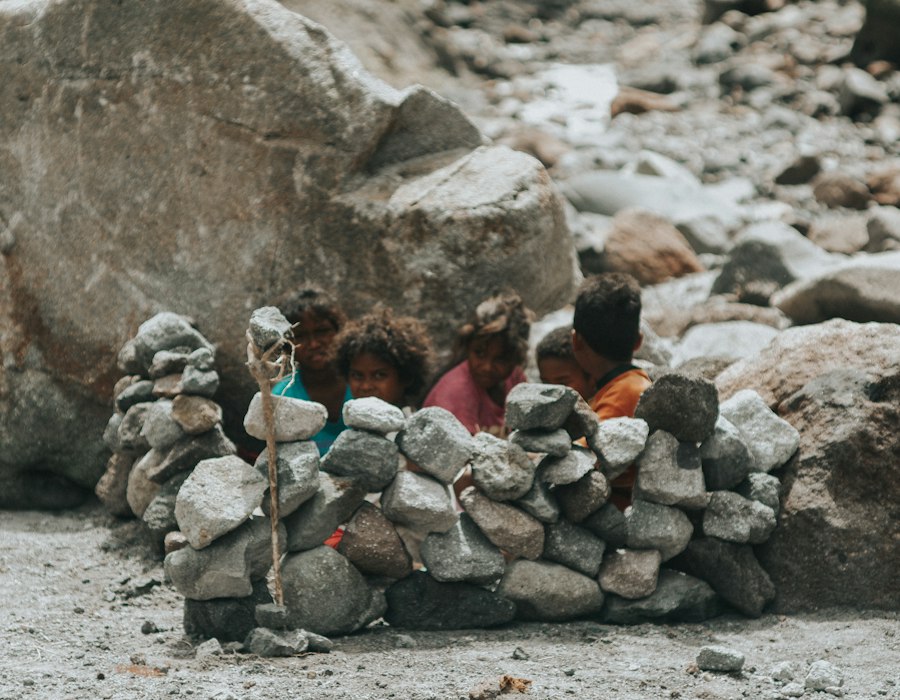
In the face of a world teeming with dangers, the strength of the family unit and the broader kinship network was a fundamental pillar of Paleolithic survival. These were not isolated individuals but tightly knit groups, where cooperation and mutual support were essential for overcoming threats and ensuring the continuation of their lineage.
The Extended Family as a Mobile Fortress
The Paleolithic family unit was rarely a nuclear one. It was typically an extended family, encompassing multiple generations and sometimes allied individuals, creating a robust and adaptable social structure. This larger group provided a greater number of eyes and ears for spotting danger, a larger pool of individuals for foraging and hunting, and a stronger collective defense against predators. The elderly, with their accumulated wisdom and knowledge of the land, played a crucial role, while the young were protected and nurtured. This multi-generational living arrangement fostered a sense of shared responsibility and ensured that the burdens of survival were distributed. A lone individual or a small, isolated nuclear family would have been exceptionally vulnerable to the myriad dangers of the Paleolithic. The extended family, therefore, functioned as a mobile fortress, capable of both deterring threats and mounting a coordinated response when necessary. The sheer presence of a larger group could be a deterrent to opportunistic predators. Furthermore, different members of the extended family could specialize in certain tasks, such as childcare, toolmaking, or scouting, optimizing the group’s overall efficiency and resilience. The intergenerational transmission of skills and knowledge was also facilitated by this structure, ensuring that vital survival techniques were not lost.
Sharing the Burden: Cooperative Hunting and Foraging Strategies
Survival in the Paleolithic often depended on the successful acquisition of food, a task that was far more effective when undertaken cooperatively. Families would engage in coordinated hunting expeditions, where different members played specific roles – some flushing game, others driving it towards ambushes, and others tasked with the final kill. Similarly, foraging efforts were more productive when undertaken by groups, allowing for the collection of a wider variety of resources and covering larger areas. This cooperative approach not only increased the chances of success but also enhanced safety by reducing the exposure of any single individual to prolonged danger. The knowledge of each individual was pooled; one might be an expert tracker, another adept at identifying edible plants, and another skilled in crafting hunting tools. This division of labor, combined with synchronized action, made complex tasks achievable. For example, hunting large game like mammoths or bison would have been virtually impossible for a single hunter or even a small group. It required the coordinated efforts of many individuals, employing strategies that leveraged their collective strength and ingenuity. This cooperative ethos extended to the sharing of resources, ensuring that the entire family unit benefited from successful hunts or bountiful foraging trips, even if some individuals were less successful on any given day.
The Specter of Predators: Vigilance, Deterrence, and Escape
Predators were an ever-present threat, and Paleolithic families developed a multi-faceted approach to dealing with them. Vigilance was constant, with lookouts posted at strategic points and a keen awareness of the sounds and smells of the surrounding environment. If a predator was detected, the family would employ a range of strategies, from making loud noises and brandishing weapons to deter the animal, to a swift and organized retreat to a safer location. The knowledge of the terrain was crucial here, as families would seek out natural defenses such as caves, steep inclines, or dense thickets to evade pursuit. The goal was not always confrontation, but effective avoidance and deterrence. They understood that many predators were opportunistic and would typically avoid a well-defended or determined group. They also learned the habits of different predators, knowing when they were most active and what their typical hunting grounds were. This informed their movements and their choice of campsites. The presence of fire, a crucial Paleolithic innovation, also served as a significant deterrent to nocturnal predators, providing a protective barrier around their sleeping areas. The ability to coordinate their movements during an escape, ensuring that no one was left behind, was a testament to their discipline and their understanding of collective vulnerability.
Masters of Their Tools: The Role of Technology in Navigating Peril
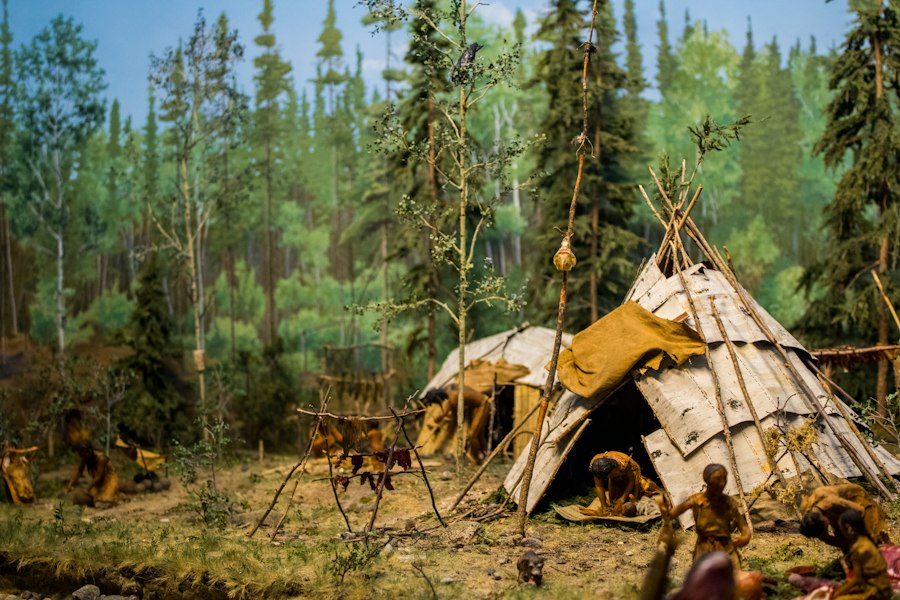
While instinct and knowledge were vital, Paleolithic families were also adept toolmakers and users, and their technological innovations played a significant role in their ability to navigate dangerous landscapes safely. From cutting and scraping to defense and hunting, their tools were extensions of their own capabilities, amplifying their power and their reach.
The Sharp Edge of Survival: Stone Tools for Defense and Utility
The development of stone tools, particularly the Acheulean handaxe and later the more refined flake tools, revolutionized Paleolithic life. These tools were not only essential for butchering game and processing plant materials but also served as rudimentary weapons for defense. A sharpened stone could be used to fend off smaller predators or to inflict damage on larger threats, providing a crucial advantage in close encounters. The ability to create these tools meant that families were not entirely at the mercy of their physical limitations; they could augment their strength and their agility with the application of stone technology. The precise crafting of these tools reflected a deep understanding of material properties and an ability to envision practical applications. A well-crafted spear point or a sharp cutting edge could mean the difference between a successful hunt and starvation, or between escaping danger and succumbing to it. The ongoing refinement of these tools over millennia demonstrates a continuous process of learning and adaptation, driven by the need to overcome environmental challenges and threats. The careful selection of stone types, understanding which flaked more predictably or held a sharper edge, was itself a form of environmental knowledge.
Harnessing Fire: A Beacon Against the Darkness and its Denizens
The mastery of fire was arguably one of the most transformative technological achievements of the Paleolithic. Fire provided warmth, a means of cooking food to make it more digestible and nutritious, and a crucial source of light in the darkness. Crucially, fire also acted as a powerful deterrent against nocturnal predators, creating a safe perimeter around campsites and discouraging animals from approaching. The ability to control and maintain fire allowed families to settle in areas that might otherwise have been too dangerous or too cold, expanding their habitable zones and providing a more stable base from which to explore. The psychological comfort and sense of security that fire provided cannot be overstated. It transformed the night from a period of heightened vulnerability into a time of relative safety and communal gathering. The knowledge of how to start a fire, how to maintain it, and how to use it strategically for different purposes – from driving game to signaling – was a vital survival skill. The smoke from a well-managed fire could also serve as a signal to other family groups, facilitating communication and potential alliances in a vast and often isolated world.
Projectile Technology: Extending the Reach of Danger and Defense
The development of projectile technology, such as spears and later the bow and arrow, significantly enhanced the ability of Paleolithic families to hunt at a distance and to defend themselves from threats without direct confrontation. This innovation allowed them to target prey from a safer range, reducing the risk of injury during hunts. It also provided a means of deterring or driving away predators without engaging in potentially fatal close-quarters combat. The ability to launch projectiles with accuracy and force represented a significant leap in their technological capabilities, allowing them to exploit a wider range of prey and to manage threats more effectively. The understanding of aerodynamics, the weight and balance of projectiles, and the mechanics of launching them all contributed to the effectiveness of this technology. The development of specialized spear throwers (atlatls) further amplified the power and range of their spears, making them even more formidable hunters and defenders. This technological advancement allowed families to engage with their environment on their own terms, extending their influence and control in ways that were previously impossible.
The Unwritten Laws of the Landscape: Social Structures and Safe Practices
Beyond instinct and technology, Paleolithic families operated within unwritten social structures and adhered to a set of safe practices that governed their interactions with each other and with their environment. These unwritten rules, born out of generations of experience, ensured the smooth functioning of the group and minimized internal and external conflicts.
Establishing Safe Campsites: Location, Resources, and Natural Defenses
The selection of a campsite was a critical decision, influencing the safety and well-being of the entire family. Families looked for locations that offered natural advantages: proximity to reliable water sources, access to food resources, and shelter from the elements. Importantly, they also sought sites that offered natural defenses, such as elevated positions with good visibility, proximity to caves or rock overhangs that could provide shelter and a defensive advantage, or areas that were difficult for predators to access. They avoided areas known for being hunting grounds for dangerous predators or those prone to flash floods or rockfalls. The careful observation of the surrounding terrain, looking for signs of animal trails and water flow, was paramount in this decision-making process. A well-chosen campsite minimized exposure to immediate threats and provided a secure base for daily activities. The understanding of prevailing wind patterns was also important, as a campsite downwind of a predator’s den or a particularly foul-smelling area would be undesirable. The availability of firewood was another key consideration, ensuring the continuity of their vital fire.
The Importance of Group Cohesion and Communication
Maintaining strong group cohesion and effective communication was vital for Paleolithic families. Internal conflicts could weaken the group, making them more vulnerable to external threats. Therefore, social structures and established norms likely governed interactions, ensuring cooperation and resolving disputes. Communication, though not reliant on spoken language as we know it, would have involved a complex system of gestures, vocalizations, and shared understanding. The ability to quickly and effectively communicate warnings, coordinate actions, or signal distress was essential. The collective knowledge of the group was amplified through this constant, albeit non-verbal, communication. The shared understanding of social cues, facial expressions, and body language would have been highly developed, allowing for nuanced interactions within the family unit. The successful navigation of dangerous landscapes was, therefore, as much a social endeavor as a physical one, requiring trust, cooperation, and a shared commitment to the survival of the group. The ability to read each other’s intentions and emotions was as important as reading the tracks of a bison.
Ritual and Respect for the Environment: Acknowledging the Unseen Forces
While difficult to definitively prove from the archaeological record, it is plausible that Paleolithic families held certain beliefs and engaged in practices that reflected a deep respect for the environment and its perceived unseen forces. This might have involved rituals or taboos related to hunting, foraging, or specific locations, aimed at appeasing spirits or ensuring continued favor from the natural world. Such practices, while seemingly superstitious to a modern observer, could have served to reinforce safe behaviors and promote a sense of harmony with their surroundings, thereby indirectly contributing to their safety. For example, a taboo against hunting female animals during breeding season would have ensured the long-term sustainability of prey populations, indirectly benefiting the families that depended on them. Similarly, rituals around successful hunts might have served to foster gratitude and a sense of responsibility towards the natural world, encouraging more mindful resource management. This respect for the environment, coupled with the practical knowledge of its workings, created a holistic approach to survival that extended beyond mere physical adaptation. It was a recognition of their place within a larger, interconnected web of life.
In exploring how primitive families navigated and escaped the dangers of Paleolithic landscapes, it is fascinating to consider the various strategies they employed for survival. These early humans relied on their deep understanding of the environment, using natural shelters and foraging techniques to stay safe from predators. For a deeper insight into survival strategies and resource management in ancient times, you might find this article on modern survival skills particularly interesting. It highlights the importance of adaptability and resourcefulness, traits that were essential for our ancestors as they faced the challenges of their time. To learn more, check out this link: modern survival skills.
The Legacy of Resilience: Lessons from the Paleolithic Wild
| Strategy | Description | Effectiveness | Evidence |
|---|---|---|---|
| Group Living | Living in small, cooperative groups to increase vigilance and protection against predators. | High | Archaeological sites showing communal shelters and shared resources. |
| Use of Fire | Controlling fire to ward off predators and provide warmth and light during night. | High | Charcoal and burnt bones found in Paleolithic campsites. |
| Tool Making | Creating sharp stone tools and weapons for defense and hunting. | Moderate to High | Stone tools and weapons discovered in various Paleolithic layers. |
| Migration | Moving seasonally or permanently to safer or more resource-rich areas. | Moderate | Fossil evidence showing changes in habitation sites over time. |
| Use of Natural Shelters | Seeking refuge in caves, rock overhangs, or dense vegetation to avoid predators and harsh weather. | High | Cave paintings and remains found in natural shelters. |
| Early Warning Systems | Using vocal alarms or signals to alert group members of approaching danger. | Moderate | Ethnographic analogies and inferred social behaviors. |
The journey of Paleolithic families through dangerous landscapes was a testament to their extraordinary resilience, adaptability, and profound connection to the natural world. They were not simply passive inhabitants of their environment but active participants, shaping their lives through knowledge, cooperation, and ingenuity. Their methods of navigating peril, though born out of necessity, offer enduring lessons for humanity’s relationship with the planet.
The Foundation of Survival: Knowledge as the Ultimate Tool
The primary lesson from the Paleolithic is the unparalleled importance of knowledge. The deep, experiential understanding of the environment, passed down through generations, was the most potent tool for survival. This knowledge encompassed everything from the behavior of animals and the properties of plants to the subtle shifts in weather patterns and the geological features of the land. It was a knowledge that was lived, not just learned, and it empowered families to anticipate dangers, exploit opportunities, and move with a confidence born of understanding. This underscores the enduring value of observation, critical thinking, and the transmission of practical wisdom in any context where survival and thriving are paramount. Their ability to interpret subtle cues, such as the flight of birds or the scent of the wind, highlights the power of acute sensory perception honed by necessity.
The Strength in Unity: The Enduring Power of Community
The Paleolithic experience powerfully illustrates the strength derived from collective action and communal bonds. The extended family, with its intricate web of relationships and shared responsibilities, was the bedrock of survival. Cooperation in hunting, foraging, and defense amplified individual capabilities and provided a safety net against the inherent risks of their world. This emphasizes the timeless importance of social cohesion, mutual support, and the collective wisdom of a group in overcoming challenges. The ability of these families to coordinate complex tasks, from tracking large game to defending their campsites, speaks volumes about the effectiveness of well-organized communities. This communal strength was not just physical; it was also emotional and psychological, providing a sense of belonging and shared purpose.
Harmony with Nature: A Blueprint for Sustainable Existence
Perhaps the most profound lesson lies in the apparent harmony that Paleolithic families cultivated with their environment. While they certainly exploited resources, their survival was predicated on an intimate understanding and likely a deep respect for the natural systems that sustained them. Their movements, their resource acquisition, and their very existence were intertwined with the rhythms of the planet. This suggests that a sustainable existence is not one of conquest over nature, but of integration within it, acknowledging our dependence and acting with mindful stewardship. The long-term survival of their species over hundreds of thousands of years implies a balanced relationship, where overexploitation would have led to ecological collapse. Their way of life, dictated by the carrying capacity of the land, offers a stark contrast to many modern approaches that often push the boundaries of planetary limits. This suggests that true resilience lies not in dominating nature, but in understanding and respecting its intricate balance.

Life 20,000 Years Ago | When an Ice Age Wildfire Traps Your Primitive Family
FAQs
What strategies did primitive families use to navigate dangerous landscapes?
Primitive families employed various strategies to navigate dangerous landscapes, including following animal migration patterns, using natural landmarks for orientation, and relying on the knowledge passed down through generations about safe routes and hazardous areas.
How did social structures within primitive families contribute to their safety?
Social structures within primitive families, such as cooperation and division of labor, enhanced safety. By working together, families could share responsibilities like scouting for danger, gathering food, and protecting each other from predators, which increased their chances of survival.
What role did tools and technology play in ensuring safety?
Tools and technology, such as spears, bows, and fire, played a crucial role in ensuring safety. These tools allowed primitive families to hunt effectively, defend themselves against threats, and create controlled environments for cooking and warmth, which were essential for survival in harsh conditions.
How did environmental knowledge aid primitive families in avoiding dangers?
Environmental knowledge, including understanding animal behavior, seasonal changes, and plant toxicity, was vital for primitive families. This knowledge helped them identify safe foraging areas, predict weather patterns, and recognize signs of danger, allowing them to make informed decisions about their movements.
What impact did group dynamics have on the survival of primitive families?
Group dynamics significantly impacted the survival of primitive families. Strong social bonds and effective communication within the group fostered teamwork and mutual support, enabling families to respond quickly to threats and share resources, which ultimately enhanced their overall safety and survival chances.