The Whispers of the Wind and the Dance of Shadows: Ancient Reindeer Tracking
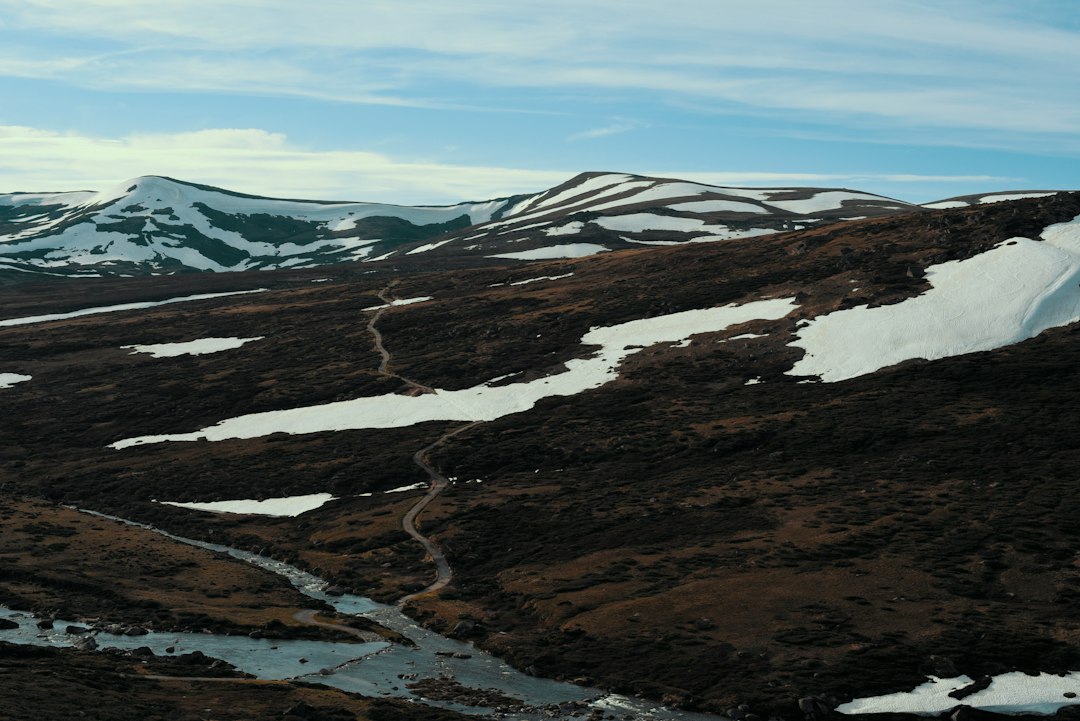
The frozen wilderness, a canvas of white stretching as far as the eye could see, was both the hunter’s adversary and his greatest ally. For the primitive peoples who eked out an existence in these harsh, mountainous terrains, the reindeer was not merely a source of sustenance but the very lifeblood of their survival. Their ability to track these elusive creatures across vast, snow-laden landscapes was a testament to a profound understanding of nature, honed through millennia of observation and passed down through generations. It was a skill born not of brute force, but of keen intellect, patience, and an almost supernatural connection to the environment.
The act of tracking reindeer in such unforgiving conditions was a complex ballet, choreographed by the subtle cues of the wild. It was a holistic endeavor, demanding mastery of multiple sensory inputs and an intimate knowledge of the reindeer’s behavior, its physiology, and its migratory patterns. These ancient hunters were not simply following footprints; they were reading the story the landscape told, a narrative written in snow, wind, and the silent passage of life.
Primitive hunters developed remarkable skills to track reindeer across snowy mountain ridges, utilizing their deep understanding of animal behavior and the environment. They would observe subtle signs such as tracks in the snow, broken branches, and even the patterns of snow displacement to follow their prey. For a fascinating exploration of how ancient peoples interacted with their environment and the mysteries surrounding their practices, you can read more in this related article: Glacier Mystery: The Mirror’s Reflection.
Reading the Unwritten Language of the Snow

The snow, seemingly an insurmountable barrier, was in fact the primary parchment upon which the reindeer hunter’s skills were written. It was a dynamic medium, constantly altered by the elements, yet revealing indelible truths to the practiced eye. Understanding the nuances of snow – its density, its texture, and how it interacted with a creature’s weight – was paramount.
The Art of the Footprint
The most obvious sign of a reindeer’s passage was its hoof print. However, a skilled tracker saw far more than just a single impression. They observed the depth of the print, noting how deeply the hoof sank into the snow. A shallow print suggested a lighter, perhaps younger animal, or one moving at a casual pace. A deep impression, conversely, indicated a heavier animal or one that had exerted itself, possibly in flight. The spread of the toes, the clarity of the dewclaw marks (if present), and the general shape of the hoof could reveal the species and even the approximate age and sex of the animal.
Crucially, the age of the print was deduced by observing how the wind and subsequent snowfall had altered its appearance. A fresh print would have sharp, defined edges. As time passed, the wind would begin to erode these edges, softening them and sometimes filling the impression with fine, windblown snow. Fresh snowfall would obliterate older prints, forcing the hunter to constantly seek out the most recent signs. A hunter could distinguish between a print made minutes ago and one made hours, or even days, prior by the subtle changes in the snow’s texture and compaction around the edge of the impression.
Beyond the Print: The Subtle Traces
Reindeer rarely moved without leaving a trail of subtle clues beyond their direct footprints. The wise tracker learned to interpret these secondary signs with as much diligence as the primary ones.
The Scrape and the Browse
In snowy conditions, reindeer would often scrape away snow with their hooves to reach buried vegetation or lichens. These scraped areas, even when the hoof print itself had been obliterated by wind, provided a strong indication of recent activity. The depth and extent of the scrape offered insights into the reindeer’s feeding behavior and how long ago it had been there. Furthermore, the presence of chewed twigs or browsed branches, especially those with fresh cuts from the reindeer’s teeth, marked a feeding stop. The height at which these branches were browsed could also indicate the size of the animal, with larger animals reaching higher.
The Droppings Trail
Reindeer droppings, or dung pellets, were another vital indicator. Their appearance, size, and consistency could reveal the animal’s diet and health, but more importantly for tracking, their freshness. Fresh droppings would be moist and retain their shape. Older droppings would become drier, harder, and more brittle, eventually blending with the snow. A scattering of droppings, rather than a concentrated pile, often suggested a nomadic herd on the move, while a concentrated pile might indicate a resting or bedding area.
The Hair and the Trail
Occasionally, reindeer would shed hair, particularly during seasonal changes. These fine strands, caught on branches, rocks, or embedded in the snow, were invaluable clues. Their color, length, and the direction they lay (indicating the direction of movement) provided further confirmation. More importantly, a trail could be discerned not just by prints, but by the disturbed snow. A herd moving through deep snow would create a subtle but discernible trough, a path of compacted snow that, to the trained eye, was as clear as any footprint. The width of this trough indicated the number of animals that had passed through.
The Symphony of the Senses: Listening to the Mountain’s Secrets
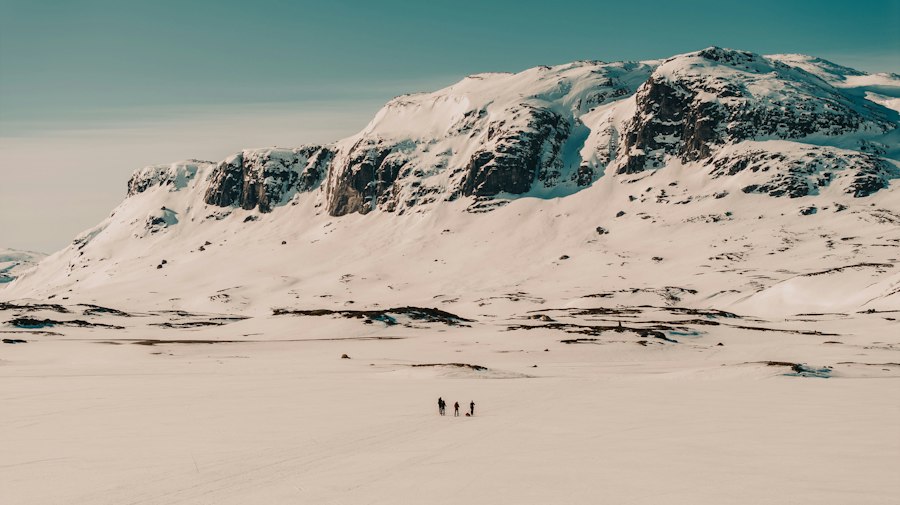
While sight was the primary tool, the primitive hunter’s ears were equally attuned to the subtle symphony of the mountain. The wind, often a harsh mistress, could also carry vital information, and the silence of the snow amplified sounds that might otherwise be lost.
The Wind’s Whispers and the Call of the Herd
The wind was a constant companion and a powerful informant. It could reveal the direction of movement of a herd by carrying the scent of the animals or the sound of their movement. A hunter would learn to discern the subtle rustling of snow disturbed by a passing herd, a sound easily masked by the general howl of the wind but distinct to a sensitive ear. Furthermore, the calls of the reindeer themselves – the occasional bleat or grunt – could be carried for considerable distances on the wind, especially in the open expanses of snowy ridges.
The Silence That Speaks Volumes
The profound silence of a snow-covered landscape could be as informative as any sound. The absence of the usual sounds of wildlife – the chirping of birds, the scurrying of smaller mammals – could indicate the presence of a large predator or, more relevantly, a large herd of reindeer that had, through their passage, silenced the smaller creatures. The subtle crack of ice underfoot, the whisper of snow dislodged by a falling branch – these were all sounds that a hunter would instinctively associate with potential signs of animal movement or activity.
Decoding the Reindeer’s World: Behavior and Environment
The most effective tracking was not merely reactive; it was proactive. It involved understanding the reindeer’s needs, their habits, and their relationship with the mountain environment. This knowledge allowed hunters to anticipate their movements rather than just follow their tracks.
The Rhythm of Migration and the Lure of Sustenance
Reindeer were creatures of habit, their lives dictated by the seasons and the availability of food. Primitive hunters meticulously studied these patterns. They knew that during winter, reindeer would descend to lower altitudes where vegetation was more accessible. They understood that certain types of lichen, a primary food source, grew on specific rock faces or in particular valleys, and they would anticipate the reindeer’s presence in these areas.
The presence of water sources, even frozen ones, also played a role. Reindeer needed to drink, and areas around unfrozen springs or meltwater streams would be predictable gathering points. Similarly, during blizzards, reindeer would seek shelter in sheltered valleys or behind large rock formations, and hunters would know to look for them in these protected areas.
Social Dynamics and Herd Psychology
Reindeer lived in herds, and understanding herd dynamics was crucial. A lone animal might be injured or a juvenile separated from its mother. A large herd suggested a strong, healthy population. The behavior of the herd itself offered clues. If the animals were grazing peacefully, it indicated a sense of security. If they were restless, alert, and looking in a particular direction, it suggested they had sensed danger or were preparing to move. Hunters learned to distinguish between the cautious alert of a single sentinel and the widespread unease of a herd sensing imminent threat. The direction of their collective gaze could reveal the direction from which danger was perceived, or towards which they intended to flee.
Primitive hunters developed remarkable skills to track reindeer across snowy mountain ridges, utilizing their keen observation of the environment and animal behavior. They would often follow subtle signs such as disturbed snow, droppings, and tracks left by the reindeer, allowing them to navigate the challenging terrain effectively. For a deeper understanding of these ancient hunting techniques and the cultural significance behind them, you can explore a related article that sheds light on the intricate relationship between early humans and their environment at this link.
The Hunter’s Arsenal: Tools and Techniques for the Cold
| Tracking Method | Description | Effectiveness | Challenges |
|---|---|---|---|
| Footprint Analysis | Identifying and following fresh reindeer tracks in snow to determine direction and speed. | High in fresh snow; allows precise tracking. | Tracks can be obscured by wind or new snowfall. |
| Observation of Natural Landmarks | Using mountain ridges, valleys, and vegetation patterns to predict reindeer paths. | Moderate; helps anticipate movement routes. | Requires deep knowledge of terrain and animal behavior. |
| Following Scat and Other Signs | Locating droppings, broken branches, and grazed vegetation as indicators of recent presence. | Moderate; confirms presence but less precise for direction. | Signs degrade quickly in harsh weather. |
| Use of Dogs | Employing trained dogs to scent and track reindeer over snow. | High; dogs can detect scent trails invisible to humans. | Requires trained animals and favorable weather conditions. |
| Wind and Weather Pattern Awareness | Understanding how wind and snow affect scent and track visibility. | Supports other methods; improves tracking success. | Complex and variable; requires experience. |
While keen senses and knowledge were paramount, primitive hunters also employed specific tools and techniques to enhance their tracking abilities in the unforgiving snowy environment. These were not elaborate inventions, but simple, effective adaptations born from necessity.
The Staff of Steadfastness and the Glimpse of Insight
The hunting staff, often made of strong wood and tipped with bone or stone, served multiple purposes. It was a walking stick, providing stability on treacherous, icy slopes. It was a probe, used to test the depth of snowdrifts or to determine the consistency of the ground beneath. More importantly, it could be used to gently nudge snow aside, revealing hidden tracks or other subtle signs without disturbing them further. The simple act of tapping the snow with a staff could reveal hollow spaces beneath, indicative of animal burrows or even areas where reindeer had bedded down.
The Art of Stealth and the Strategic Advance
Moving silently and invisibly was as critical as finding the trail. Hunters wore clothing made from animal hides, carefully dyed to blend with the snow and rock. They learned to tread lightly, avoiding the creation of loud noises. When approaching a known or suspected reindeer location, they would often use the terrain for cover, moving behind ridges, rocks, or thickets of stunted trees.
The wind, when in their favor, could be a powerful ally in their stealth. If the wind was blowing from the reindeer towards the hunter, it would carry their scent away from the animals, making detection far less likely. Conversely, if the wind was blowing from the reindeer towards the hunter, they would have to proceed with extreme caution, potentially abandoning a direct approach for a more circuitous route or waiting for a change in wind direction. The hunter’s understanding of wind direction was so profound that they would often plan their entire approach based on it, accepting the need for a longer, more arduous journey if it meant a greater chance of success.
Primitive hunters developed remarkable skills to track reindeer across snowy mountain ridges, utilizing their keen observations of animal behavior and environmental cues. They learned to read the subtle signs left in the snow, such as tracks and droppings, which indicated the presence and movement patterns of their prey. This ancient practice of tracking not only required a deep understanding of the landscape but also a profound connection to the natural world. For a fascinating exploration of how traditional practices have evolved over time, you might find this article on manufacturing shifts in the southern US interesting here.
Legacy in the Snow: The Enduring Skill of the Ancient Tracker
The ability of primitive hunters to track reindeer across snowy mountain ridges was far more than a survival skill; it was a profound demonstration of human adaptability, intelligence, and a deep, intrinsic connection to the natural world. It was a testament to an era where humanity lived in true partnership with its environment, reading its every subtle cue, and drawing its very existence from its bounty. While modern technology has transformed many aspects of hunting, the fundamental principles of observation, patience, and understanding the intricate language of nature that underpinned the success of these ancient trackers remain timeless and inspiring. Their legacy is etched not in stone, but in the whispers of the wind, the dance of shadows, and the silent, enduring wisdom passed down through generations, a wisdom still relevant to anyone who seeks to truly understand the wild.

Life 20,000 Years Ago | When an Ice Age Wildfire Traps Your Primitive Family
FAQs
What techniques did primitive hunters use to track reindeer?
Primitive hunters employed various techniques to track reindeer, including observing animal tracks in the snow, following scent trails, and listening for sounds made by the herd. They also utilized their knowledge of reindeer behavior and migration patterns to anticipate where the animals would be located.
How did weather conditions affect tracking reindeer?
Weather conditions played a significant role in tracking reindeer. Snow cover could obscure tracks, making it more challenging to follow the animals. However, fresh snow also provided clearer tracks, allowing hunters to identify the direction and number of reindeer. Additionally, hunters had to consider wind direction and temperature, which could influence the reindeer’s movement and behavior.
What tools did primitive hunters use for tracking?
Primitive hunters used simple tools such as wooden staffs or sticks to probe the snow and uncover tracks. They might also have used stone or bone implements to mark trails or create makeshift sleds for transporting their catch. Their keen observation skills were their most valuable tools in tracking reindeer effectively.
How did the terrain impact the tracking process?
The mountainous terrain posed both challenges and advantages for tracking reindeer. Steep ridges and deep valleys could hide tracks or make it difficult to follow a herd. However, hunters often used high vantage points to spot reindeer from a distance, allowing them to plan their approach more effectively.
What role did social cooperation play in tracking reindeer?
Social cooperation was crucial for primitive hunters when tracking reindeer. Groups would work together to cover larger areas, share knowledge about the terrain and animal behavior, and coordinate their movements to increase the chances of a successful hunt. This teamwork allowed them to track and hunt reindeer more efficiently across challenging landscapes.