
You might not think about it often, but the way refineries are financed, or their “credit,” directly influences how much you pay at the pump. This isn’t a simple, linear relationship, but a complex interplay of factors that ultimately impacts the price of gasoline you see every day. Understanding this connection can demystify some of the volatility in fuel costs.
Refinery credit refers to the financial arrangements that allow oil refineries to operate, purchase crude oil, and manage their inventory and operations. It’s essentially the access refineries have to borrowing money and other forms of financial support. This credit is crucial for several reasons. Refineries are capital-intensive businesses. They require massive upfront investments in infrastructure, technology, and ongoing maintenance. Beyond that, they need to purchase enormous quantities of crude oil – the raw material for gasoline, diesel, and other fuels – which is a significant ongoing expense.
The Role of Banks and Financial Institutions
Your local gas station isn’t directly purchasing crude oil from a global market. Instead, it’s buying refined products from a refinery. Refineries, in turn, are buying crude oil. The ability of a refinery to secure credit from banks, investment firms, and other financial institutions is paramount to its ability to function. These institutions provide the liquidity – the ready cash – that refineries need to:
- Fund day-to-day operations: This includes paying for labor, utilities, chemicals, and other operational expenses.
- Purchase crude oil: Refineries often buy crude oil in large bulk shipments, requiring significant financial outlay. They might use credit to manage the gap between purchasing the crude and selling the refined products.
- Manage inventory: Holding large stocks of crude oil and refined products incurs costs and requires financing.
- Invest in upgrades and maintenance: Refineries are complex industrial facilities that require continuous investment to remain efficient and compliant with regulations.
A refinery with strong creditworthiness can access lower interest rates on loans and more favorable financing terms. This translates to lower operating costs. Conversely, a refinery with poor credit may struggle to secure financing, leading to higher borrowing costs or even operational disruptions. This financial strain can and does trickle down to the price of the fuel you purchase.
Trade Finance and its Importance
Beyond traditional bank loans, refineries heavily rely on trade finance. This involves a range of financial instruments designed to facilitate international trade, which is essential for the global oil market. Refineries often import crude oil and, for globally traded products, may export refined fuels. Trade finance mechanisms can include:
- Letters of Credit: These are guarantees from banks that a payment will be made to a seller if certain conditions are met. For a refinery purchasing crude oil from an international supplier, a letter of credit provides assurance to the supplier, making the transaction more secure and potentially lowering the price.
- Factoring and Invoice Discounting: These involve selling accounts receivable (invoices) to a third party at a discount for immediate cash. Refineries might use these to free up working capital.
- Commodity Financing: Specifically tailored for the trading of commodities like crude oil and refined products, this can involve financing against the value of the commodities themselves.
The availability and cost of these trade finance instruments directly impact a refinery’s ability to conduct business smoothly and efficiently. If trade finance becomes more expensive or harder to obtain, refineries face increased costs, which they will attempt to recoup through higher product prices.
Refiner credits play a significant role in determining gas station prices, as they directly impact the cost structure for fuel retailers. When refiners face higher costs due to regulatory requirements or market fluctuations, these expenses are often passed down to consumers at the pump. For a deeper understanding of how external factors can influence prices and environmental concerns, you might find it interesting to read about the implications of climate change on global economies in this article: Antarctica’s Melting Ice Caps Threatening Sea Level Rise.
How Creditworthiness Affects Refinery Operations
A refinery’s creditworthiness is not merely an abstract financial concept; it has tangible consequences for its operational capacity and efficiency, which in turn, influence gasoline prices.
Access to Crude Oil
The lifeblood of any refinery is crude oil. The ability to secure a consistent and timely supply of crude oil is paramount. Refineries with strong credit are better positioned to:
- Negotiate favorable purchasing terms: Suppliers are more willing to offer discounts, extended payment terms, or prioritize deliveries to creditworthy buyers. This reduces the refinery’s direct cost of acquiring its raw material.
- Secure diverse supply chains: Strong credit allows refineries to tap into a wider range of crude oil sources, mitigating risks associated with single-source supply disruptions. This stability can prevent price spikes caused by localized shortages.
- Weather market fluctuations: When crude oil prices are volatile, a refinery with robust financing can afford to purchase more crude when prices are lower, stocking up for future refining. This strategic purchasing can buffer them and their customers from sudden price surges.
Conversely, a refinery with weak credit might face challenges securing sufficient crude oil, potentially leading to reduced throughput (the amount of crude processed) and higher per-unit costs if they are forced to pay premiums or accept less favorable terms. This operational constraint can limit the supply of refined products, contributing to higher prices in local markets.
Maintenance and Upgrades
Refineries are complex industrial facilities that require constant maintenance and periodic upgrades to remain competitive, efficient, and compliant with environmental standards. These activities are expensive.
- Scheduled Maintenance: Refineries undergo planned shutdowns for essential maintenance and repairs. These can be costly but are vital to prevent larger, more disruptive breakdowns. Access to credit ensures these maintenance schedules can be met without financial distress.
- Unscheduled Maintenance: Breakdowns happen. Having access to credit allows refineries to quickly address unexpected issues, minimizing downtime. Extended downtime means lost production and potentially selling less product to the market.
- Capital Expenditures: Investing in new technology, improving energy efficiency, or meeting stricter environmental regulations requires significant capital. A refinery with good credit can more easily finance these investments, which can lead to long-term cost savings and increased operational efficiency. These savings, if realized, can eventually translate to more stable or even lower prices, although the upfront investment itself can sometimes lead to temporary price adjustments.
If a refinery’s credit is poor, it may be forced to defer essential maintenance or delay capital expenditures. This can lead to:
- Increased risk of breakdowns: This can cause unscheduled shutdowns, reducing output and potentially leading to supply shortages.
- Reduced efficiency: Older, less efficient equipment can increase operating costs (e.g., higher energy consumption).
- Non-compliance: Failure to meet environmental regulations can result in fines or operational restrictions.
These issues ultimately increase the cost of producing gasoline, and those costs are passed on to consumers.
Inventory Management
Refineries often hold significant inventories of both crude oil and refined products. This inventory management is a delicate balance.
- Strategic Stockpiling: When crude oil prices are low, a refinery with good credit can purchase and store large quantities, hedging against future price increases of its raw material.
- Meeting Demand Fluctuations: Having adequate refined product inventory allows refineries to meet seasonal demand spikes (e.g., increased driving in summer) without having to rush production and potentially incur overtime costs.
The financing of this inventory is crucial. If a refinery can secure credit at favorable rates, the cost of holding inventory is minimized. If credit is expensive or difficult to obtain, the cost of carrying inventory increases, which can lead to higher prices to offset these carrying costs. Furthermore, if a refinery cannot adequately finance its inventory, it may be forced to sell products at a discount to generate immediate cash, disrupting the market and potentially creating price volatility.
The Link Between Credit and Crude Purchase Prices

The price of crude oil is the single largest component of the gasoline price you see at the pump. Therefore, any factor that influences a refinery’s ability to purchase crude oil at the lowest possible cost will directly impact gasoline prices.
Negotiating Power and Volume Discounts
Refineries are large-scale purchasers of crude oil. Their ability to buy in massive volumes typically grants them significant negotiating power. However, this negotiating power is amplified when they have strong credit.
- Securing Better Prices: Suppliers are more inclined to offer discounts to buyers who can guarantee payment and purchase large, consistent volumes. A refinery with access to ample credit can confidently commit to large purchase orders, driving down the per-barrel cost of crude.
- Volume Commitments: Strong credit allows refineries to commit to long-term supply contracts or to purchase at specific price points, locking in lower costs for the crude they will process in the future. This predictability is highly valued by crude oil producers.
If a refinery’s credit is weak, its purchasing power is diminished. It may be forced to:
- Pay market price without discounts: This is the most basic impact – foregoing any volume-based price reductions.
- Be subject to higher prices: In tighter markets, suppliers may prioritize creditworthy customers, leaving those with weaker credit to pay premiums to secure supply.
- Face payment limitations: In extreme cases, a refinery with poor credit might have to pay cash upfront for crude, limiting its ability to purchase from the most advantageous sources or at the most opportune times.
The Cost of Financing Crude Purchases
Even when purchasing crude oil, the financing involved can have a direct cost. Refineries often don’t pay for crude oil immediately upon taking delivery. There’s a grace period, during which the crude is being transported or even already in the refinery. Financers pay the supplier, and the refinery repays the financier later. The cost of this financing is factored into the refinery’s overall cost of crude acquisition.
- Lower Interest Rates: A refinery with excellent credit can secure loans or other financing for its crude purchases at very low interest rates. This effectively reduces the cost of the crude oil.
- Higher Interest Rates: Conversely, a refinery with poor credit will face significantly higher interest rates on its financing. This added cost is directly added to the cost of the crude oil for that refinery.
This difference in financing costs can amount to millions of dollars for a large refinery, and these differences are ultimately reflected in the price of the gasoline they produce.
Impact on Crude Oil Futures Markets
Refineries also participate in the futures markets to hedge their crude oil purchases and sales. Their ability to engage in these sophisticated financial strategies is also dependent on their creditworthiness.
- Margin Requirements: Trading in futures markets requires posting margin, a deposit of collateral. A refinery with strong credit can meet these margin requirements more easily and at a lower cost.
- Leverage: Access to credit allows refineries to use leverage in their futures trading, potentially offsetting price increases more effectively.
If a refinery’s credit is compromised, it may be unable to participate effectively in these hedging strategies, increasing its exposure to price volatility in the crude oil market. This increased risk can lead to greater price swings in the refined products as they try to manage unhedged price exposures.
Refinery Operations and Product Pricing
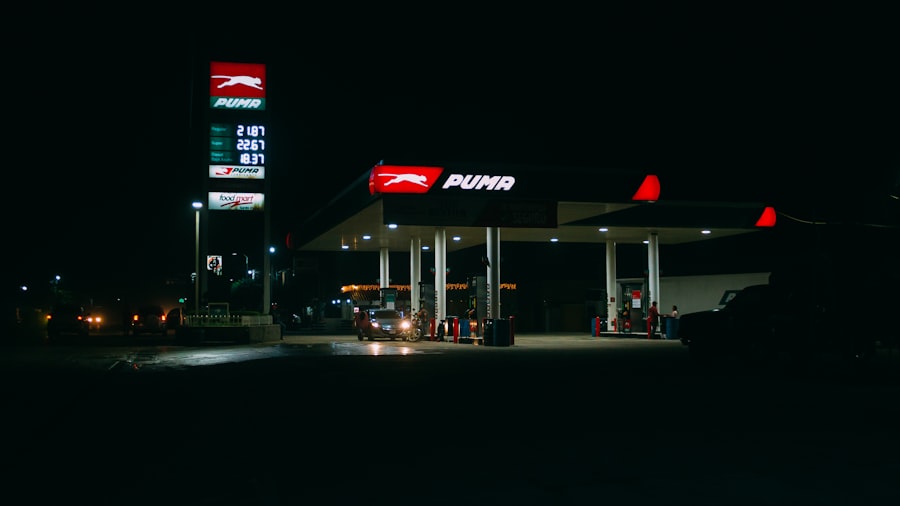
The pricing of refined products like gasoline is not solely dictated by the cost of crude oil. The operational efficiency and financial health of the refinery play a substantial role, and credit is a foundational element of that health.
Refining Margins and Cost of Operations
The difference between the cost of crude oil and the selling price of refined products is known as the refining margin. This margin is what allows refineries to cover their operating costs, invest in their facilities, and generate profit.
- Lower Operating Costs: As discussed, good credit leads to lower borrowing costs, better negotiation with suppliers, and more efficient operations. These factors all contribute to lower operating costs for the refinery, meaning they need a smaller margin to remain profitable.
- Higher Operating Costs: Conversely, poor credit can lead to higher borrowing costs, less favorable supplier terms, and less efficient operations due to deferred maintenance or outdated technology. These issues increase operating costs, requiring wider refining margins to cover.
When refineries face higher operating costs, they will aim to pass these costs onto consumers in the form of higher gasoline prices. The refining margin, therefore, is a direct reflection of the refinery’s ability to operate cost-effectively, which is significantly influenced by its credit standing.
Plant Utilization Rates and Supply
The rate at which a refinery operates, often referred to as its utilization rate, is a critical factor in the supply of refined products.
- High Utilization: Refineries with ample credit can operate at high utilization rates. They can secure the crude oil needed, maintain their equipment, and produce at or near their maximum capacity. This leads to a consistent and ample supply of gasoline.
- Low Utilization: A refinery struggling with credit may be forced to reduce its throughput due to a lack of working capital to purchase crude, or due to necessary but unfunded repairs. This reduced output directly impacts the supply of gasoline available to the market.
When refinery utilization rates fall across a region or country, the reduced supply of gasoline tightens the market. Even if crude oil prices remain stable, lower refinery output can lead to higher gasoline prices simply due to the imbalance between supply and demand. This is a direct consequence of the refinery’s inability to operate at full capacity due to its financial constraints, often tied to its credit.
Impact of Refinery Closures and Capacity Reductions
In instances where a refinery’s financial situation becomes untenable, it may lead to permanent closure or significant capacity reduction.
- Reduced Regional Supply: The closure of even a single refinery can have a noticeable impact on gasoline supply in its operating region. If that refinery was a significant producer, its absence creates a supply vacuum.
- Increased Reliance on Imports: Consumers in affected regions may become more reliant on gasoline imported from other areas or countries. This often comes at a higher cost due to transportation expenses and potential geopolitical considerations.
- Competitive Landscape: The loss of a refinery can reduce competition among suppliers in a given area, potentially allowing remaining refineries and distributors to command higher prices.
These drastic measures are often the result of prolonged financial distress, where the refinery’s creditworthiness has eroded to the point where it can no longer sustain operations. The resulting impact on gasoline prices can be significant and prolonged, directly felt by consumers.
Refiner credits play a significant role in determining gas station prices, as they can influence the overall cost of fuel production and distribution. When refiners face higher costs due to these credits, they may pass those expenses onto consumers at the pump. This dynamic is particularly relevant in the current economic climate, where fluctuations in supply chains are impacting various industries. For a deeper understanding of how global shifts in manufacturing, such as companies moving from China to Mexico, can affect fuel prices and the broader economy, you can read more in this insightful article exploring the shift.
The Broader Economic Implications of Refinery Credit
| Refiner Credit | Gas Station Prices |
|---|---|
| High | Low |
| Low | High |
| Medium | Medium |
The impact of refinery credit extends beyond the immediate price of gasoline, influencing broader economic indicators and stability.
Investment and Economic Growth
The refining sector is a significant employer and contributor to local and national economies. The health of this sector is tied to its ability to attract investment and maintain its operational capacity.
- Attracting Capital: Refineries with strong creditworthiness are more attractive to investors, whether they are seeking debt financing or equity participation. This influx of capital is essential for expansion, upgrades, and the development of new refining capacity.
- Job Creation and Retention: A thriving refining sector supports numerous jobs, both directly within the refineries and indirectly through associated industries (e.g., transportation, maintenance services).
- Economic Stability: The reliable production of essential fuels contributes to overall economic stability. When refining capacity is threatened by financial difficulties, it can create uncertainty and ripple effects throughout the economy.
Conversely, if refinery credit is consistently weak, it can deter investment, leading to underinvestment in the sector. This can result in aging infrastructure, reduced efficiency, and a shrinking refining footprint, all of which can eventually lead to higher energy costs and a drag on economic growth.
Energy Security and Independence
A robust domestic refining industry is a cornerstone of national energy security. The ability to process crude oil into usable fuels domestically reduces reliance on foreign sources.
- Reduced Vulnerability to Geopolitics: When a nation has sufficient refining capacity, it is less vulnerable to supply disruptions caused by international conflicts, trade disputes, or political instability in oil-producing countries.
- Price Stability: Domestic refineries can help to insulate a nation’s fuel market from the extreme price volatility that can occur in the global oil market.
The creditworthiness of refineries directly impacts their ability to operate and maintain capacity. If this credit falters, it can erode a nation’s refining capabilities, making it more dependent on imports and less secure in its energy supply. This increased dependence can often lead to higher and less predictable fuel prices.
Consumer Impact and Affordability
Ultimately, the cost of gasoline impacts every consumer’s budget. The complex financial mechanisms surrounding refinery credit, though often unseen, have a direct bearing on how much you pay for fuel.
- Direct Price Fluctuations: As detailed, increased costs in refinery credit translate to higher operating costs, which are passed on to consumers in the form of higher gasoline prices.
- Regional Price Disparities: The financial health of refineries can contribute to regional price differences. Areas with fewer, less creditworthy refineries may experience higher prices due to localized supply constraints or increased operating costs among the existing facilities.
- Economic Strain: When fuel prices rise significantly due to underlying financial pressures in the refining sector, it can place a substantial burden on households, particularly those with lower incomes, impacting their ability to afford transportation and other essential goods and services.
Understanding that the creditworthiness of these industrial giants plays a role, however indirectly, in the price you see on the digital display at the gas station can offer a more nuanced perspective on the complex world of energy economics. It underscores that the “price at the pump” is a culmination of global commodity markets, intricate financial instruments, and the operational realities of the businesses that transform crude oil into the fuels that power our lives.
FAQs
What is refiner credit?
Refiner credit refers to the amount of money that refiners receive for producing gasoline. This credit is influenced by various factors such as the cost of crude oil, refining costs, and market demand.
How does refiner credit affect gas station prices?
Refiner credit can impact gas station prices as it directly affects the cost of producing gasoline. When refiner credit is high, gas station prices may increase to cover the higher production costs. Conversely, lower refiner credit may result in lower gas prices for consumers.
Are there other factors that influence gas station prices?
Yes, in addition to refiner credit, other factors such as taxes, distribution and marketing costs, and local market competition can also influence gas station prices.
How do refiner credits vary across different regions?
Refiner credits can vary across different regions due to differences in refining capacity, transportation costs, and local market conditions. As a result, gas prices may also vary from one region to another.
Can consumers do anything to mitigate the impact of refiner credit on gas prices?
Consumers can consider factors such as fuel efficiency, carpooling, and using public transportation to reduce their overall fuel consumption and mitigate the impact of refiner credit on gas prices. Additionally, staying informed about market trends and seeking out competitive gas prices can also help consumers save on fuel costs.