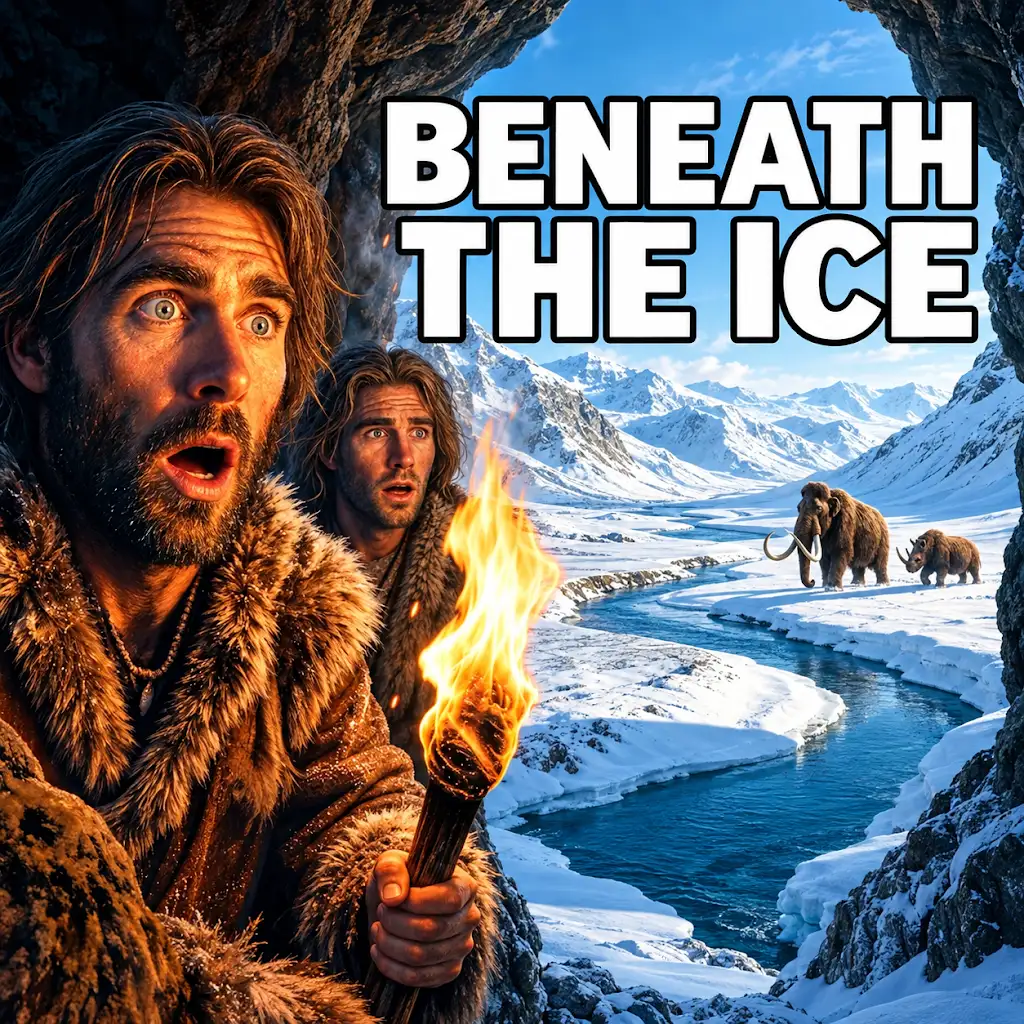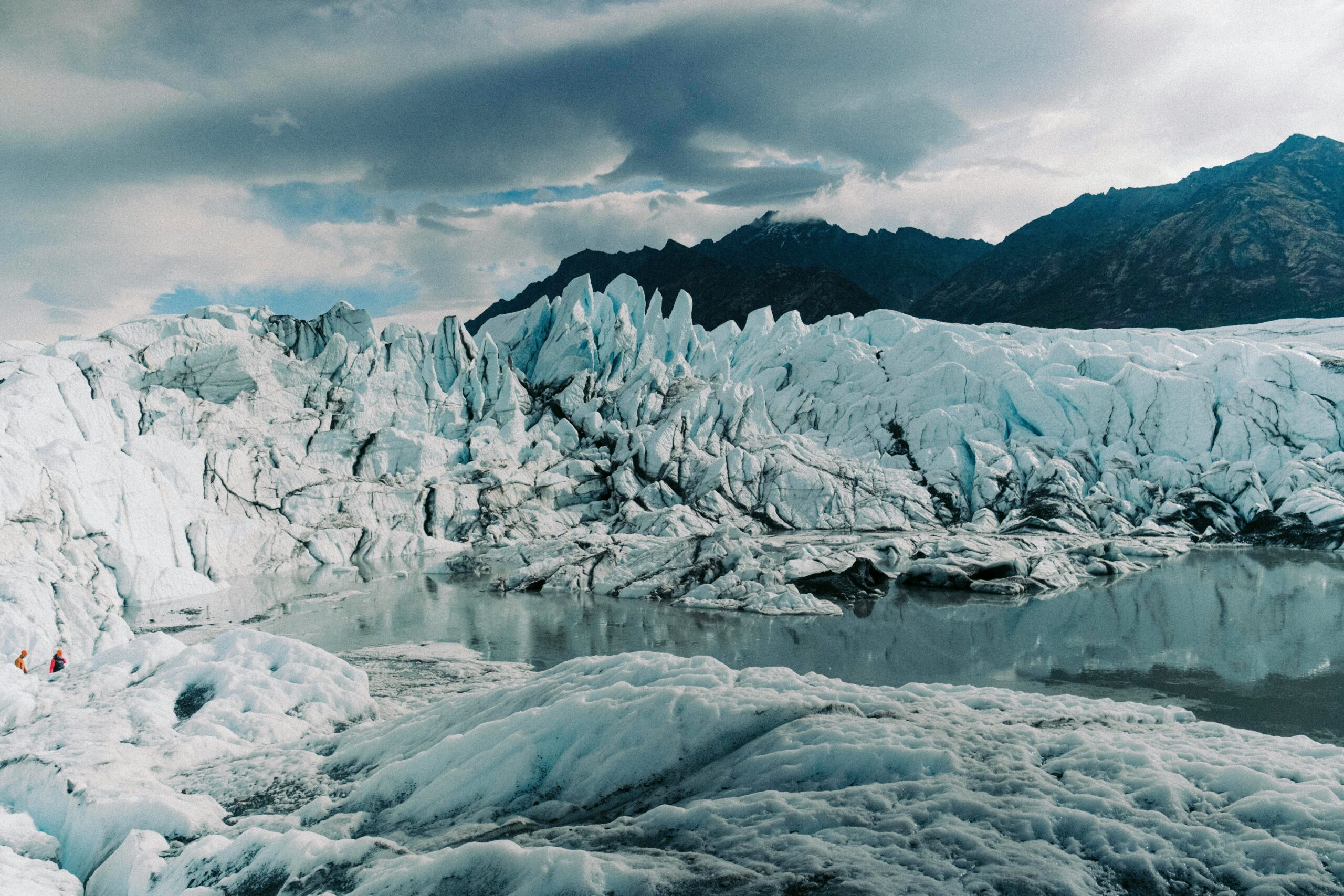
The colossal forces of ice, unimaginable in their scale and power, played a far more profound role in the story of humanity than is often appreciated. For millennia, vast glaciers dominated the Earth’s landscapes, their slow but inexorable movement carving mountains, shaping valleys, and fundamentally altering coastlines. These titanic ice sheets, expanding and contracting with climatic shifts, were not mere passive backdrops to early human existence; they were active architects of the world in which our ancestors evolved and migrated. The very pathways our species took out of Africa, the resources available to them, and the challenges they faced were inextricably linked to the waxing and waning of these frozen giants. Understanding this dynamic interplay between ice and early humans unlocks crucial insights into our species’ remarkable journey across the globe and its tenacious survival against formidable odds.
The Glacial Cradle: Africa and the Exodus
The story of human migration is intimately tied to the African continent, the undisputed cradle of our species. While not experiencing the massive continental ice sheets seen in the Northern Hemisphere, Africa’s climate, and therefore its habitability, was nonetheless significantly influenced by global glacial cycles. During periods of glaciation, global sea levels dropped, exposing land bridges and creating new routes for migration. Conversely, interglacial periods saw rising sea levels, fragmenting landscapes and creating barriers. For early hominins venturing beyond Africa, the drawbridge was often lowered by the very existence of ice elsewhere.
The Influence of Aridity on Early Dispersal
The Pleistocene epoch, often referred to as the “Ice Age,” was characterized by dramatic fluctuations between glacial and interglacial periods. During glacial maxima, vast amounts of water were locked up in continental ice sheets, leading to significantly lower sea levels. This had a profound impact on Africa. While the north experienced expansion of deserts, the equatorial regions often saw increased aridity. However, these arid spells were interspersed with periods of greater rainfall, creating dynamic and shifting environments. It is believed that periods of increased aridity in Africa, coupled with the lowering of sea levels in the Red Sea region, may have created land bridges and thus facilitated the initial Out of Africa migrations. These arid phases would have concentrated water sources and game animals, forcing hominin populations to either adapt to these challenging conditions or seek out more hospitable environments, potentially leading them across the Sinai Peninsula and into the Levant. The availability of freshwater and predictable prey would have been paramount, and the shifting patterns of these resources, dictated by glacial-driven climate shifts, would have steered early exploratory forays.
The Sahara as a Shifting Barrier and Conduit
The Sahara Desert, today an almost insurmountable obstacle, has a complex and dynamic history tied to glacial cycles. During glacial periods, the Sahara generally became more arid, expanding its desert conditions. However, during interglacial periods, the African monsoon intensified, leading to what is known as the “Green Sahara.” These wetter phases transformed vast swathes of the Sahara into a savanna-like environment, complete with rivers, lakes, and grasslands, teeming with life. These “green corridors” would have provided vital pathways for dispersal, allowing early humans to move between different regions of Africa and potentially to the north and east. Conversely, during glacial maxima, the desertification of the Sahara would have acted as a formidable barrier, isolating populations and potentially driving them to concentrate around shrinking water sources, thus influencing their movements and interactions. The alternating phases of aridification and verdancy would have presented both opportunities and challenges, shaping the routes and timing of early human dispersals.
Shifting glaciers had a profound impact on early human populations, influencing migration patterns, resource availability, and the development of early societies. As these massive ice sheets retreated, they opened up new landscapes and habitats, allowing humans to explore and settle in previously uninhabitable regions. This transition not only facilitated the spread of various cultures but also led to advancements in technology and adaptation strategies. For a deeper understanding of how environmental changes shaped ancient civilizations, you can read more in the article “Lost Ancient High Tech: What Happened?” available at this link.
The Northern Frontier: Glacial Landscapes and Human Adaptation

As early humans ventured out of Africa, they encountered landscapes dramatically sculpted by ice. The vast continental ice sheets of the Northern Hemisphere presented a formidable and alien environment, but also one that held unexpected opportunities for those who could adapt. The presence of ice, in its various forms and at different stages of retreat and advance, directly influenced the migratory routes, the available resources, and the very survival strategies of these pioneering populations.
Ice-Free Corridors and Coastal Routes
The massive ice sheets that covered much of North America and Eurasia during glacial periods were not impenetrable. Periods of glacial retreat, even temporary ones, would have opened up pathways for human movement. One of the most significant hypothesized routes for the peopling of the Americas, for instance, is the “ice-free corridor” that may have opened up between the Cordilleran and Laurentide ice sheets as they began to melt. This corridor, though likely a challenging and dynamic environment, would have offered a terrestrial route for migration. Simultaneously, the lowering of sea levels during glacial periods would have exposed vast coastal plains, creating new terrestrial environments and offering rich marine resources. Early humans may have followed these exposed coastlines, utilizing the abundance of seafood and the relative ease of travel compared to navigating interior ice-bound terrains. These coastal routes could have served as important highways, connecting disparate populations and facilitating the spread of technology and culture. The timing of the opening and closing of these corridors, dictated by glacial cycles, would have been critical factors in the pace and direction of human expansion.
Glacial Refugia and Resource Availability
During periods of maximum glaciation, large areas of the Northern Hemisphere were uninhabitable. However, scattered pockets of land, known as glacial refugia, remained ice-free and supported ecosystems that could sustain human life. These refugia, often found in mountainous regions or along coastlines, acted as crucial reservoirs for both flora and fauna, and consequently, for human populations. Early humans likely congregated in these areas, relying on the specialized resources that persisted through the harsh conditions. The retreat of glaciers from these refugia would have then allowed human populations to expand outwards, recolonizing previously ice-covered lands. The types of resources available in these refugia – particular plant species, animal herds adapted to cold climates like mammoth and reindeer – would have dictated the survival strategies and technological innovations of the people who inhabited them. The presence or absence of these critical resources, directly influenced by the glacial ebb and flow, shaped the subsistence patterns and the success of early human groups.
The Sea Level Connection: Shaping Coastlines and Migration Pathways
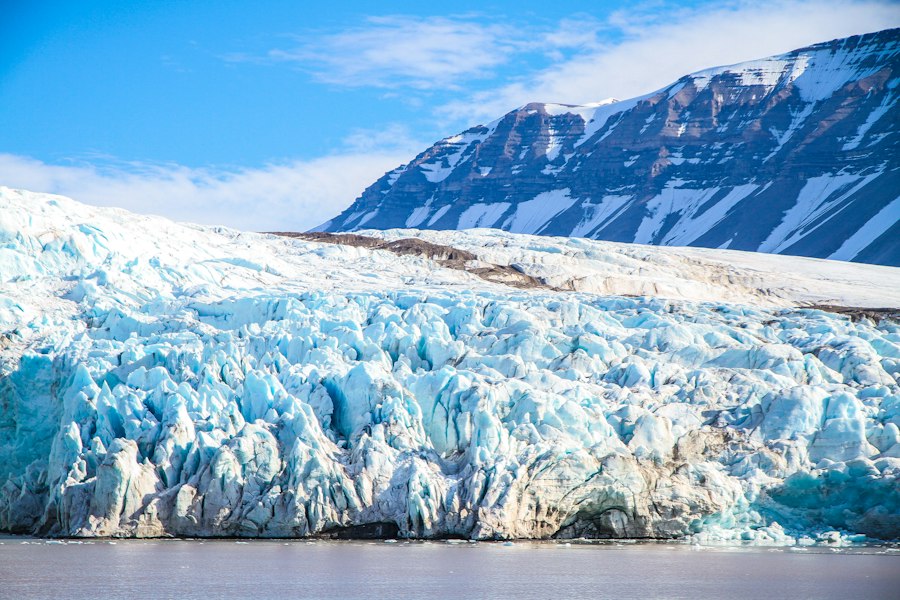
The most visible and dramatic impact of glaciation on the Earth’s surface, beyond the ice itself, is its influence on sea levels. During glacial periods, the immense volume of water locked up in ice sheets caused global sea levels to plummet, sometimes by over 100 meters. This phenomenon had a transformative effect on coastlines worldwide, exposing vast areas of continental shelf and creating new land bridges that were inaccessible during interglacial periods. Conversely, as glaciers melted and sea levels rose, these newly exposed lands were submerged, reshaping coastlines and isolating populations.
Exposed Continental Shelves: New Worlds for Exploration
The lowering of sea levels during glacial maxima effectively created entirely new landscapes. Vast areas of what are now continental shelves, particularly in regions like Beringia (connecting Asia and North America) and Doggerland (connecting Britain and mainland Europe), became dry land. These exposed shelves were not barren wastelands but often expansive plains that offered new opportunities for hunting, foraging, and settlement. For early humans, these areas represented a significant expansion of their habitable world, offering new migratory routes and access to previously unavailable resources. The land bridge of Beringia, for example, is considered a crucial pathway for the peopling of the Americas, allowing for terrestrial migration between continents. Similarly, the Doggerland land bridge would have facilitated movement between populations in northwestern Europe. The exploration and exploitation of these newly accessible environments were directly facilitated by the glacial-induced drop in sea levels.
The Double-Edged Sword of Rising Seas
As the Earth transitioned from glacial to interglacial periods, the melting of ice sheets caused sea levels to rise, often dramatically. This rise had a dual effect on human migration and settlement. On one hand, it submerged the land bridges and exposed continental shelves that had previously facilitated movement, thereby creating new barriers and isolating populations. This could lead to the development of distinct cultural and genetic lineages in geographically separated groups. On the other hand, rising sea levels created new coastlines and estuaries, which often became rich in marine resources. These newly formed coastlines could have served as new migratory routes, particularly for groups adept at exploiting marine food sources. The formation of islands and archipelagos, as rising seas inundated lower-lying areas, also presented unique challenges and opportunities for human adaptation and innovation, leading to the development of seafaring capabilities and specialized island adaptations in later human history.
Resource Dynamics: Sustenance in an Ice-Shaped World
The ebb and flow of glaciers profoundly influenced the availability and distribution of vital resources upon which early human survival depended. From the types of game animals available to the location of fertile lands and freshwater sources, the glacial environment dictated where and how humans could subsist. Understanding these resource dynamics is key to comprehending the success and limitations of early human migrations.
Mammoth Steppe and Tundra Ecosystems
During glacial periods, much of the Northern Hemisphere was dominated by the “mammoth steppe” – a vast, treeless grassland ecosystem characterized by cold, dry conditions and supporting large herds of megafauna like mammoths, woolly rhinoceroses, and steppe bison. These animals provided a crucial source of food, hides, and bones for the hunter-gatherer societies that inhabited these regions. The migratory patterns of these herds, often dictated by seasonal availability of grazing and water, would have heavily influenced human movements and hunting strategies. Similarly, tundra environments, found at higher latitudes and altitudes, also supported specialized cold-adapted fauna. The ability of early humans to successfully hunt and utilize these large herbivores, and to navigate the challenging terrain of the steppe and tundra, was a testament to their adaptability and the development of sophisticated hunting technologies, such as projectile points and specialized tools. The presence of these ecosystems was a direct consequence of glacial climate.
Glacial Meltwater and River Systems
Glacial meltwater played a critical role in shaping landscapes and providing essential freshwater resources. As glaciers retreated, they released vast quantities of meltwater, feeding into the formation and reshaping of rivers, lakes, and wetlands. These water sources were not only vital for drinking but also attracted game animals and provided opportunities for fishing and gathering aquatic resources. The location of early human settlements was often closely tied to these meltwater-fed river systems, which provided a reliable source of sustenance and served as important migratory corridors. The dynamic nature of glacial meltwater, with its seasonal variations and the potential for both floods and droughts, would have required considerable adaptability from early human populations. The geological evidence of ancient riverbeds and terraces, formed by glacial meltwater, provides archaeologists with clues about the preferred habitation areas of early humans.
Shifting glaciers played a crucial role in shaping the lives of early humans, influencing their migration patterns and access to resources. As the climate changed and glaciers retreated, new landscapes emerged, providing fertile grounds for hunting and gathering. This transformation is explored in detail in a related article that discusses the impact of ancient climate on human development. For more insights, you can read about it here. Understanding these dynamics helps us appreciate how early humans adapted to their environment and laid the groundwork for future civilizations.
The Long Shadow of Ice: Technological and Cultural Innovations
| Metric | Impact on Early Humans | Details |
|---|---|---|
| Migration Patterns | Forced relocation | Glacier shifts caused early humans to move to more hospitable areas, leading to migration out of Africa and into Eurasia. |
| Resource Availability | Fluctuating food sources | Glacial advances and retreats altered animal populations and vegetation, impacting hunting and gathering opportunities. |
| Habitat Changes | New environments | Melting glaciers created new lakes and rivers, while advancing ice sheets reduced habitable land, influencing settlement locations. |
| Technological Adaptations | Innovation in tools | Changing climates and environments led to the development of specialized tools for hunting and shelter construction. |
| Population Dynamics | Population bottlenecks | Harsh glacial periods caused reductions in population size, affecting genetic diversity among early humans. |
| Cultural Development | Social complexity | Environmental pressures from shifting glaciers may have encouraged cooperation and social organization for survival. |
The challenges posed by glacial environments, and the opportunities they presented, spurred significant technological and cultural innovations among early human populations. Survival in these dynamic and often harsh landscapes demanded ingenuity, cooperation, and the development of specialized toolkits and social structures. The legacy of these ice-age adaptations can be seen in the very foundations of human civilization.
Lithic Technologies and Fire Control
The necessity of processing tough hides, butchering large game, and working with bone and antler drove the refinement of lithic technologies. The production of sharp stone tools, such as scrapers, hand axes, and projectile points, became increasingly sophisticated. The development of bifacial tools, hafting techniques, and specialized microblades all represent crucial advancements that enabled early humans to effectively exploit the resources of glacial environments. Furthermore, the mastery of fire was perhaps the single most important technological innovation for survival in cold climates. Fire provided warmth, allowed for the cooking of food (making it more digestible and nutritious), offered protection from predators, and facilitated the working of materials like bone and wood. The consistent and controlled use of fire would have been essential for human expansion into higher latitudes and for surviving the long, cold winters of glacial periods.
Social Organization and Symbolic Expression
Surviving in the challenging and often unpredictable environments shaped by glaciers likely fostered increased social complexity and cooperation. The hunting of large game, for example, would have required coordinated group efforts, sharing of resources, and effective communication. The establishment of base camps and the sharing of knowledge about hunting grounds, weather patterns, and resource availability would have been crucial for long-term survival. Beyond practical necessities, the glacial period also saw the emergence of symbolic expression, including cave art, personal adornments, and burial practices. These artistic and symbolic endeavors suggest a capacity for abstract thought and a developing sense of identity and community, perhaps even a way of navigating and making sense of a world dominated by the awe-inspiring power of ice. The enduring legacy of these early innovations laid the groundwork for the complex societies that would eventually flourish in the post-glacial world.