Understanding the Purpose and Principles of Willow Windbreaks
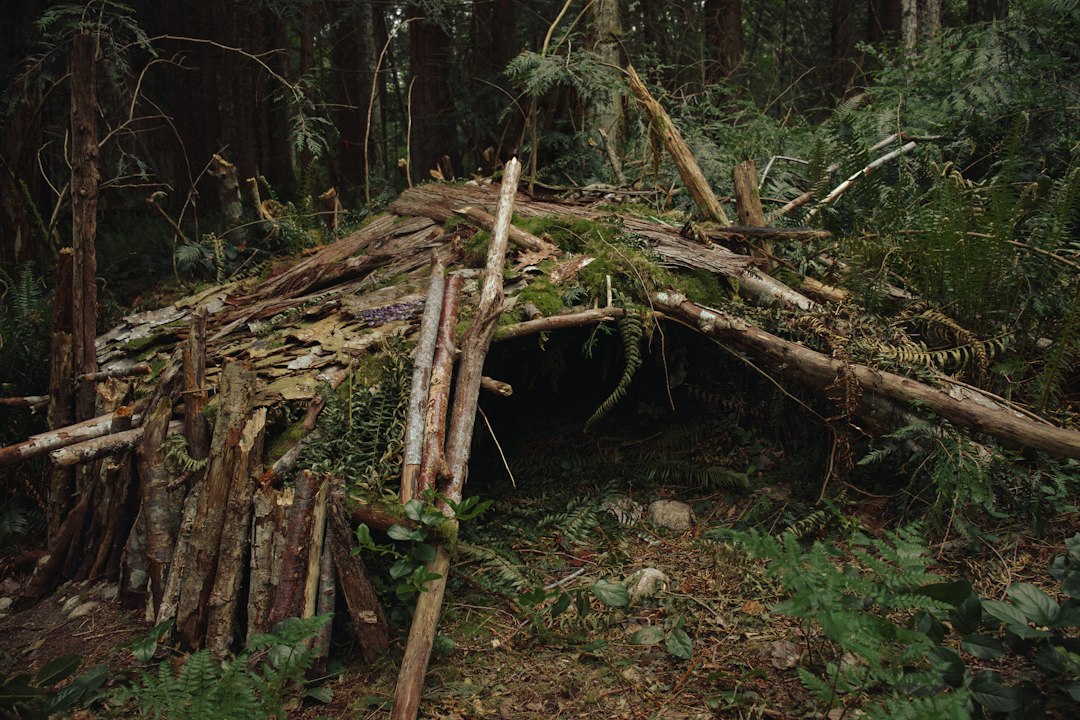
A willow branch windbreak shelter offers a unique and sustainable solution for creating protective spaces outdoors. Unlike rigid structures, these natural shelters leverage the inherent flexibility and resilience of willow branches to bend and sway with the wind, rather than resist it. This characteristic makes them incredibly effective at diffusing wind energy, significantly reducing its impact on the area behind the shelter. The primary purpose of such a windbreak is to offer protection from the elements, primarily wind, but also to provide shade and a degree of privacy. They can transform an exposed campsite into a comfortable haven, shield a delicate garden from harsh gusts, or create a tranquil seating area in a breezy garden.
The principles behind building a willow windbreak are rooted in natural engineering. The interwoven branches create a permeable barrier, allowing some air to pass through, which prevents the sudden downdrafts often associated with solid walls. This porosity is key to its effectiveness. Imagine a solid wall; the wind hits it, stops, and then surges over the top or around the sides, creating turbulent and often stronger gusts. A willow windbreak, however, acts like a sieve, slowing the wind down gradually and creating a much calmer zone. This natural diffusion is not only more effective but also more aesthetically pleasing and harmonious with the surrounding environment. Furthermore, willow itself is a highly renewable resource. When managed correctly, it can be harvested repeatedly without depleting the plant, making this an eco-friendly building material.
The design of a willow windbreak can vary greatly depending on its intended use and the aesthetic preferences of the builder. They can be simple, free-standing structures or integrated into existing landscapes. The height, density, and shape can all be adapted to suit specific needs. For instance, a low, dense windbreak might be ideal for protecting low-lying plants, while a taller, more open structure could serve as a comfortable seating enclosure. The weave of the willow branches also plays a crucial role. Tighter weaves will offer more wind resistance and shade, while looser weaves will allow for more airflow. Understanding these fundamental principles is the first step towards successfully constructing a functional and beautiful willow windbreak shelter.
Building a willow branch windbreak shelter can be an effective way to protect crops and livestock from harsh weather conditions. This method not only utilizes readily available materials but also promotes sustainability by integrating natural elements into agricultural practices. For those interested in exploring more about ancient techniques that demonstrate the ingenuity of water management, you may find this article on hydraulic engineering fascinating: Ancient Hydraulic Engineering Marvels: Masterpieces of Water Management.
Gathering and Preparing Your Willow Materials
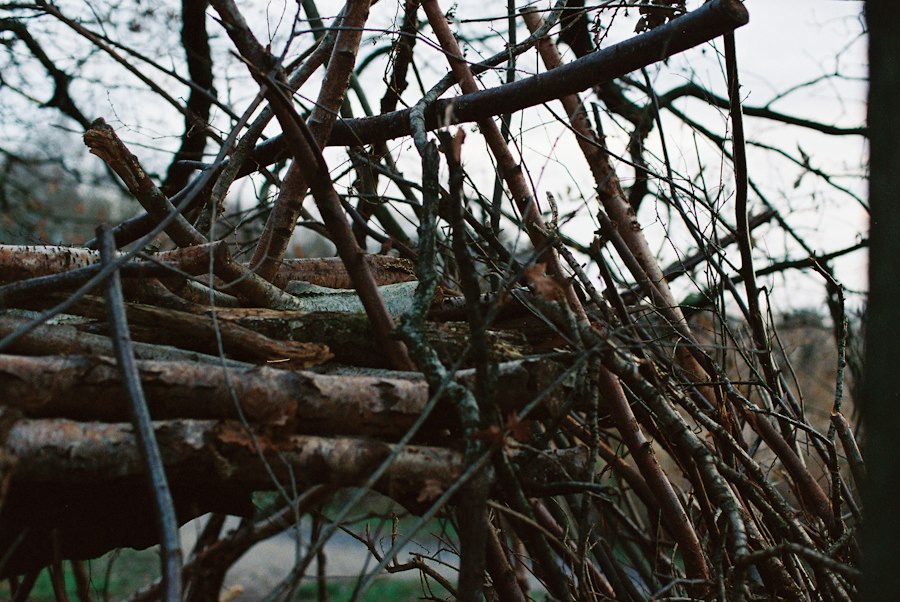
The success of any willow branch windbreak hinges on the quality and quantity of the materials used. Willow branches are the primary building blocks, and their selection, harvesting, and preparation are critical stages that directly influence the durability, flexibility, and overall appearance of the finished shelter. It is essential to choose the right species of willow, as some varieties are better suited for weaving and construction than others. Species like Salix viminalis (common osier willow) and Salix purpurea (purple osier willow) are highly regarded for their long, flexible, and relatively straight branches, which are ideal for weaving and create a dense, interlocking structure. Other willows may have shorter, thicker, or more brittle branches, making them less suitable for this purpose.
Selecting the Right Willow Species and Harvesting Techniques
When sourcing willow, prioritize fresh, living branches. These will be the most pliable and easiest to work with. Avoid branches that are dead, dry, or brittle, as they will snap during the weaving process and compromise the integrity of the windbreak. The ideal branches for weaving are typically between 1 to 3 years old, as they possess the best balance of flexibility and strength. They should be relatively straight, with minimal branching along their length. The length of the branches needed will depend on the desired height and scale of your windbreak, but generally, longer branches will allow for more continuous weaving and a stronger structure.
Harvesting should ideally be done during the dormant season, which is typically in late autumn or winter. This is when the sap is down, and the branches are less likely to suffer damage. When cutting the branches, use sharp secateurs or a pruning saw to make clean cuts. This promotes healthy regrowth for the willow plant and ensures the branches themselves are not crushed or damaged at the point of harvest. It is also important to be mindful of sustainable harvesting practices. If you are harvesting from a wild source, only take what you need and ensure you are not damaging the parent plant. If you have access to a managed willow coppice, this is an excellent and sustainable source. Avoid over-harvesting from any single area to allow the willow to regenerate effectively.
Processing and Conditioning Willow Branches
Once harvested, the willow branches need some preparation before they can be woven into a windbreak. The most crucial step is “buffing” or removing the bark. While some rustic windbreaks might leave the bark on for a more natural look, for a more refined and longer-lasting structure, removing the bark is recommended. Bark can trap moisture, leading to rot and decay over time, and can also make the branches sticky and difficult to handle. Bark can be removed by hand by pulling the branches through a specially made willow stripping tool, or by using the edge of a knife to gently scrape it away. This process requires patience and can be quite labor-intensive, especially for large quantities of willow.
After de-barking, the willow branches are often left to dry partially. This drying process makes them more pliable and less prone to shrinking and cracking once woven into the shelter. The ideal moisture content is when the branches are flexible but not so wet that they are limp. This can be achieved by storing them in a cool, dry place for a few days to a couple of weeks, depending on the humidity and thickness of the branches. Some builders choose to soak the willow in water for a period to rehydrate them and make them even more pliable, especially if the branches have dried out too much. This soaking can also help to soften the fibers, making the weaving process smoother. For particularly stubborn branches, a short period of steaming can also be employed to increase flexibility.
Designing and Structuring Your Windbreak
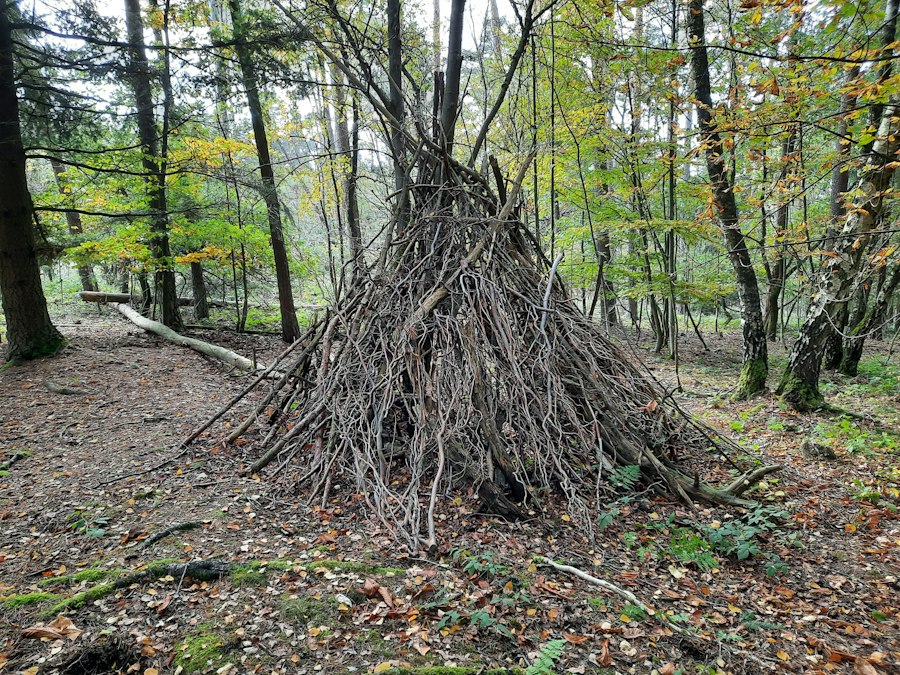
The design and structural foundation of a willow branch windbreak are paramount to its functionality and longevity. Before even touching a willow branch, thoughtful planning is required to ensure the windbreak serves its intended purpose effectively and can withstand the forces of nature. This stage involves considering the location, size, shape, and the underlying framework that will support the woven willow. A well-designed structure will not only be aesthetically pleasing but also robust and durable.
Determining Location, Size, and Shape
The placement of the windbreak is the first critical design decision. It should be situated in a way that strategically blocks prevailing winds without creating undesirable turbulence elsewhere in the area. Consider the prevailing wind direction for your region. Observing how existing elements, like trees or buildings, deflect wind can offer valuable insights. For instance, if you aim to protect a garden bed, positioning the windbreak on the side from which the harshest winds typically blow will be most effective. Conversely, avoid placing it so close to another structure that it redirects wind directly at it, potentially causing damage. The size of the windbreak is dictated by the area you wish to protect and the desired level of enclosure. A small seating area might only require a modest shelter, while a larger patio or garden space might necessitate a more expansive structure. Measure the dimensions of the area you want to shield and then plan the windbreak accordingly.
The shape of the windbreak is another important design consideration. While a straight line offers direct protection, curved or angled designs can be more effective at diffusing wind energy and creating a more inviting and dynamic space. A semi-circular or horseshoe shape can create a sheltered pocket that is open to views while still providing significant protection from the wind. Consider the visual impact of the windbreak on its surroundings. A flowing, organic shape will often blend more seamlessly into a natural landscape than a rigid, angular one. Think about how the windbreak will integrate with existing features in your outdoor space, such as trees, shrubs, or pathways.
Establishing a Sturdy Support Framework
Willow branches, while flexible, are not inherently rigid enough to stand on their own, especially when woven into a significant structure. Therefore, a robust support framework is essential to provide the necessary stability and shape to the windbreak. This framework acts as the skeleton upon which the willow weaving will be applied. The type of framework chosen will depend on the desired height, density, and permanence of the windbreak.
For smaller, temporary windbreaks, sturdy stakes driven firmly into the ground can suffice. These stakes should be made of durable material like treated lumber, metal poles, or even thicker, seasoned hardwood branches. The spacing of these stakes will depend on the length of your windbreak and the flexibility of your willow branches, but generally, they should be placed close enough to provide ample support for the weaving. For taller or more permanent structures, a more substantial framework is required. This could involve creating a series of upright posts connected by horizontal beams, forming a simple fence-like structure. These posts should be deeply set into the ground, perhaps with concrete for added stability, especially in areas prone to strong winds or unstable soil. The horizontal elements will provide attachment points for the willow weaving and help maintain the overall shape.
Consider the weave pattern when designing the framework. If you intend to use a specific weaving technique, such as a tight, panel-like weave, the framework should be designed to accommodate this. For example, closely spaced vertical stakes will facilitate a more compact weave. If you plan on a looser, more naturalistic weave, the framework can be simpler. The framework itself can also be made from willow, using thicker, seasoned branches for the main posts and perhaps thinner, more flexible branches for cross-members, creating a fully natural structure. Regardless of the material, ensuring the framework is plumb, level (where desired), and securely anchored is crucial for the windbreak’s long-term success.
The Art of Weaving Willow Branches
Once the framework is in place and the willow branches have been prepared, the process of weaving begins. This is where the visual appeal and the protective function of the windbreak truly come to life. Willow weaving is an ancient craft, and the techniques employed can range from simple interlacing to intricate patterns. The key is to create a dense enough structure to effectively diffuse wind while allowing for some airflow.
Basic Weaving Techniques for Windbreak Construction
The most common and effective weaving technique for windbreak construction is a simple over-under interlacing. This involves taking a prepared willow branch and weaving it horizontally through the vertical supports of the framework. The branch is passed in front of one support, behind the next, in front of the following, and so on, until the end of the branch is reached or a desired length is covered. Once the first branch is in place, the next branch is started, often slightly overlapping the previous one, and continues the same over-under pattern. This creates a continuous, interlocking mesh.
To build density and strength, it is advisable to weave multiple layers of willow. After completing a horizontal layer, another can be started, perhaps using branches of a slightly different thickness or color for visual interest. The direction of the weave can also be varied. While horizontal weaving is common, diagonal or even vertical weaving can be incorporated to add strength and visual texture. For a more robust windbreak, consider interweaving branches at different angles, creating a more complex and solid barrier. Ensure that each new branch is firmly pushed into place, tightening the weave as you go. This constant tightening is vital to prevent the windbreak from becoming loose and less effective over time.
Creating Density and Durability in the Weave
The effectiveness of a willow windbreak is directly proportional to its density. A loose weave will allow too much wind to pass through, rendering it less protective. To achieve a dense weave, use plenty of willow branches and pack them tightly together. As you weave, use your hands or a piece of wood to push each new branch firmly against the previous ones. This compression helps to create a solid barrier that can effectively slow down wind. If you are using longer branches, try to weave them in sections, ensuring that the joins between branches are staggered and well-covered by subsequent weaving.
Durability is also a key consideration. The willow branches, even after processing, will eventually degrade over time. To enhance durability, consider using thicker branches for the core of the windbreak, as they will offer more structural integrity. When weaving, overlap the ends of branches generously. This overlap provides a stronger connection and prevents gaps from forming. For particularly exposed areas, consider reinforcing the windbreak with additional horizontal or diagonal braces woven into the structure, particularly at points where the wind is likely to exert the most pressure.
Incorporating Design Variations and Artistic Touches
While functionality is paramount, the aesthetic appeal of a willow windbreak should not be overlooked. Willow weaving offers a fantastic opportunity for artistic expression. Experiment with different weaving patterns. A simple diagonal weave can create a striking visual effect, or a basket-weave pattern can add depth and texture. Consider using willow branches of varying colors and thicknesses. Different willow species have distinct bark colors, and even within the same species, branches can vary in hue. This variation can be used to create stripes, patterns, or subtle color gradations in the windbreak.
You can also incorporate decorative elements. Small branches can be twisted into spirals or loops and woven into the structure. Some builders even weave in natural found objects like driftwood or smooth stones to add unique character. The shape of the windbreak itself can be a form of artistic expression. Instead of a straight line, consider a gentle curve, a wave, or even an abstract sculptural form. The height can also be varied, creating visual interest and catering to different needs for protection. Remember to consider the overall landscape and how the windbreak will complement its surroundings. A well-designed willow windbreak can be as much a piece of natural art as it is a functional shelter.
Building a willow branch windbreak shelter can be an effective way to create a microclimate that protects plants and animals from harsh weather conditions. For those interested in understanding how environmental factors influence various aspects of life, including work settings, you might find it insightful to explore the evolution of the American factory worker. This article offers a fascinating perspective on how industrial environments have changed over time, which can be related to the ways we adapt our living spaces to better suit our needs. You can read more about it in this related article.
Maintaining and Enhancing Your Willow Windbreak
| Metric | Description | Typical Value | Unit |
|---|---|---|---|
| Branch Length | Average length of willow branches used | 1.5 – 3 | meters |
| Branch Diameter | Thickness of willow branches suitable for structure | 1 – 3 | centimeters |
| Windbreak Height | Height of the shelter windbreak wall | 1.2 – 2 | meters |
| Windbreak Length | Length of the shelter windbreak wall | 3 – 5 | meters |
| Branch Density | Number of branches per square meter for effective windbreak | 15 – 25 | branches/m² |
| Wind Reduction Efficiency | Percentage reduction in wind speed behind the shelter | 40 – 70 | % |
| Construction Time | Time required to build a basic willow branch windbreak shelter | 3 – 6 | hours |
| Durability | Expected lifespan of the shelter before major repairs | 1 – 2 | years |
A willow branch windbreak, while made from natural materials, is not a set-it-and-forget-it structure. Regular maintenance is essential to ensure its continued effectiveness and longevity. Over time, willow branches can loosen, break, or begin to degrade. Proactive care will not only extend the lifespan of your windbreak but also enhance its protective qualities.
Regular Inspection and Repair
Periodically inspect your windbreak for any signs of damage or wear. This includes checking for loose branches, broken weaves, or any areas where the density has diminished. Pay close attention to areas that are exposed to the strongest winds or are particularly susceptible to physical impact. Loose branches can be re-tightened by pushing them further into the weave or by using a small mallet to gently tap them into place. Broken branches should be removed and replaced with new, freshly prepared willow branches. Weave the new branches in tightly, ensuring they are well-integrated into the existing structure.
Look for any signs of rot or decay, especially at the base of the windbreak where it meets the ground. If you notice any degradation, consider reinforcing the affected area with new branches or, in more severe cases, replacing the compromised sections entirely. If your windbreak is supported by a wooden framework, inspect the posts and horizontal elements for any signs of rot or insect infestation. Repair or replace any damaged framework components to maintain the structural integrity of the windbreak.
Seasonal Care and Rejuvenation
Seasonal care can significantly prolong the life of your willow windbreak. In autumn or winter, after the main growing season has ended, is an ideal time to perform more significant maintenance. This is also a good time to harvest new willow branches for repairs or for strengthening weak areas. You can add new layers of willow to particularly worn sections or to increase the density if you find the windbreak is no longer as effective as it once was.
Consider trimming back any overgrown or unruly willow branches that might be detracting from the windbreak’s appearance or becoming a hazard. This trimming can also encourage the willow to produce new, more flexible growth in the following season. If you have planted live willow stakes as part of your framework, this is also the time to prune them back to encourage bushier growth and denser weaving. Some willow species can be “coppiced,” meaning they are cut back to near ground level. This practice encourages vigorous new growth and can be a way to replenish your willow supply while also rejuvenating the windbreak’s structure.
Expanding and Enhancing Your Windbreak’s Functionality
Beyond basic maintenance, there are several ways to expand and enhance the functionality of your willow windbreak. You can increase its height by adding more layers of woven willow or by extending the framework and weaving upwards. To increase its width or length, simply extend the existing framework and continue the weaving process. This allows you to adapt your windbreak as your needs change.
Consider integrating other natural elements to enhance its protective qualities. Planting fast-growing shrubs or small trees on the windward side of the willow windbreak can create a layered defense against the wind, with the willow acting as a final diffusing barrier. Conversely, on the leeward side, you can plant species that thrive in sheltered conditions, benefiting from the reduced wind speeds. For added privacy, you can weave denser patterns or incorporate additional natural materials like straw, reeds, or even overlapping layers of larger leaves. If your windbreak is intended to create a seating area, consider adding a natural seating surface made from smoothed logs or flat stones within the sheltered space. By thinking creatively, a willow windbreak can evolve from a simple protective barrier into a multi-functional outdoor feature.
Building a willow branch windbreak shelter can be an effective way to protect crops and livestock from harsh weather conditions. For those interested in understanding how agricultural practices can be influenced by economic factors, a related article discusses the impact of nearshoring on inflation and its potential effects on farming operations. You can read more about this topic in the article found here. By exploring these connections, farmers can better prepare for the challenges posed by both environmental and economic changes.
The Environmental and Aesthetic Benefits of Willow Windbreaks
Willow branch windbreaks offer a compelling combination of environmental consciousness and inherent natural beauty, setting them apart from conventional constructed shelters. Their construction and existence resonate with principles of sustainability and a desire to work in harmony with the natural world, yielding benefits that extend beyond mere physical protection.
Sustainability and Renewable Resource Utilization
Willow is a remarkably sustainable material. It is a fast-growing plant that can be harvested repeatedly from the same source without causing long-term damage, a practice known as coppicing. This ensures a continuous supply of building material without the environmental impact associated with logging mature forests or manufacturing artificial materials. When properly managed, willow plantations can also contribute to biodiversity by providing habitats for various insects and birds. The energy required to grow and harvest willow is significantly lower than that for materials like concrete, steel, or even processed lumber, further reducing its carbon footprint. Choosing willow for a windbreak is a direct endorsement of a renewable resource, contributing to a more sustainable approach to outdoor construction and landscaping.
Furthermore, the natural decomposition of willow branches means that at the end of its lifespan, the windbreak will return to the earth without leaving behind persistent pollutants. This contrasts with the disposal of manufactured materials, which can contribute to landfill waste. The entire lifecycle of a willow windbreak, from growth to eventual decay, is one that is largely integrated into natural cycles, minimizing environmental impact and promoting a circular economy of natural materials.
Harmonious Integration with Natural Landscapes
Unlike artificial structures that can often appear jarring or out of place in an outdoor setting, willow windbreaks blend seamlessly into their surroundings. The natural texture, color, and form of the willow branches allow them to merge aesthetically with gardens, parks, and natural landscapes. This integration creates a sense of continuity and enhances the overall beauty of the outdoor space. The windbreak can become a feature in itself, contributing to the organic and evolving character of the environment.
The living nature of the willow, if planted as live stakes, also means the windbreak can change and grow with the seasons, offering a dynamic and ever-evolving visual element. The way the branches sway and bend with the wind adds a sense of movement and life to the structure, further enhancing its natural appeal. This contrasts with rigid, static structures that can feel unchanging and perhaps even imposing within a natural setting. A willow windbreak, when thoughtfully designed and constructed, can feel like a natural extension of the landscape, providing shelter without compromising the inherent beauty and tranquility of the outdoors. It offers a rustic charm and a connection to traditional building methods that are increasingly valued in modern design.