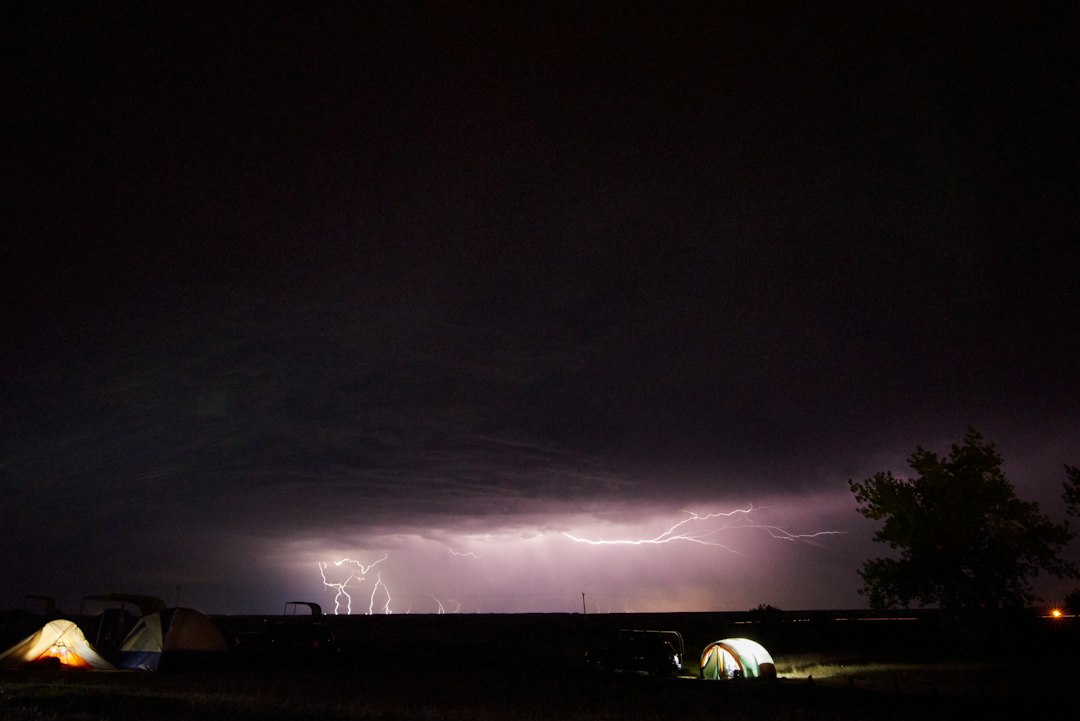
Preparing for the Tempest: The Crucial Pre-Storm Fire Rituals
The ominous signs of an approaching storm often manifest not just in darkening skies and a shift in the wind, but also in a primal instinct to seek warmth and security. For those who rely on fire for survival – be it for heat, cooking, or even psychological comfort – preparation before the tempest hits is paramount. A well-maintained fire can be a beacon of hope in the face of adversity, but a fire extinguished by the elements is a missed opportunity, a dangerous vulnerability. Therefore, understanding the essential pre-storm fire rituals is not merely about convenience; it is a fundamental aspect of survival.
The first and most critical step in preparing for a storm-battered fire is the meticulous selection and organization of fuel. This begins long before the first raindrop falls. It requires foresight and an understanding of the different types of wood and their combustion properties. Hardwoods, such as oak, maple, and hickory, burn longer and hotter, providing sustained warmth essential during prolonged periods of adverse weather. Softwoods, like pine and fir, ignite more easily, making them excellent tinder and kindling for getting the fire started. A wise survivor will have a substantial stockpile of both, ensuring a layered approach to fuel management.
Securing Your Fuel Supply: Beyond Just Gathering
The gathering of fuel is only the initial phase; its preservation is equally, if not more, important. Exposed to the relentless assault of rain and wind, even the driest wood can become saturated and useless. Therefore, creating a dedicated, dry storage space is non-negotiable. This could range from a simple tarp-draped lean-to to a more robust, elevated wood shed. The key is to ensure that the fuel is kept off the damp ground and shielded from direct precipitation. Elevating the wood, perhaps on pallets or larger logs, allows for better air circulation, which further aids in keeping it dry and preventing the insidious growth of mold and mildew.
Furthermore, the size and type of fuel pieces matter. Having a variety of sizes, from fine tinder to split logs, allows for a controlled and adaptable fire. Small, dry twigs and bark shavings are essential for catching the initial flame, while progressively larger pieces can be added as the fire gains strength. Large, seasoned logs are the workhorses, providing the sustained heat needed to weather the storm. When storing, it is beneficial to stack the wood in a way that promotes airflow, rather than creating dense, moisture-trapping piles. A well-organized woodpile can be the difference between a roaring fire and a sputtering ember when the wind howls.
Creating a Fire’s Sanctuary: Fortifying the Fire Pit
The fire pit itself is the heart of the operation, and its vulnerability during a storm cannot be overstated. Wind can easily extinguish flames, and driving rain can douse even a well-established fire. Therefore, fortifying the fire pit is a crucial pre-storm undertaking. This involves creating a sheltered environment that can withstand the onslaught of the elements.
Windbreaks: The First Line of Defense
The most immediate threat to a fire during a storm is the wind. Simple windbreaks can be constructed using natural materials readily available in most wilderness settings. Large rocks, strategically placed, can deflect the harshest gusts. Fallen logs, particularly those that are dense and heavy, can also serve as effective barriers. If available, a well-built stone wall around the fire pit offers superior protection. The goal is to create a physical barrier that disrupts the airflow, allowing the flames to burn unimpeded. The height and density of the windbreak will depend on the anticipated severity of the storm.
Rain Shields: Keeping the Flames Dry
While windbreaks address horizontal assault, rain presents a different challenge. Water falling directly onto the fire can rapidly cool the embers and extinguish the flames. Therefore, a rain shield is essential. This can be as simple as a large, sturdy piece of canvas or a tarp stretched tautly over a frame and positioned above the fire pit. The angle of the shield should be steep enough to allow water to run off easily, rather than pooling and potentially dripping onto the fire. In a more permanent setup, a solid roof constructed from branches and leaves, or even more durable materials, can provide excellent protection. It is important to ensure that the rain shield does not completely seal off the fire pit, as some airflow is necessary for combustion. A balance must be struck between protection and ventilation.
Mastering the Art of Ignition: Reliable Fire-Starting Techniques
Even with the best-prepared fuel and a fortified fire pit, a fire cannot be started without a reliable ignition method, especially under adverse conditions. The flimsy disposable lighter that works perfectly on a calm day can become a useless tool when faced with wind and moisture. Therefore, it is imperative to have multiple, robust fire-starting methods at one’s disposal.
Redundant Ignition Sources: Never Rely on One
The cardinal rule of storm-proofing your fire is redundancy. Relying on a single ignition source is a recipe for disaster. Waterproof matches, stored in a sealed container, are a good starting point. However, even waterproof matches can be rendered ineffective if the striking surface becomes wet. Therefore, carrying a dedicated striker, such as a ferrocerium rod and striker, is essential. Ferrocerium rods produce extremely hot sparks, even when wet, and can ignite tinder with practice. Lighters, while convenient, should be considered a backup, and if using a standard butane lighter, ensure it is protected from the elements and has a full fuel supply. For the truly prepared, a magnifying glass, while less practical in cloudy or stormy conditions, can still be a viable option during brief lulls in the weather, harnessing the sun’s rays.
Tinder Preparation: The Foundation of Flame
The success of any ignition method hinges on the quality of the tinder. Tinder is the material that catches the initial spark or flame and begins to smolder, eventually igniting the kindling. In wet conditions, finding dry tinder can be a significant challenge. Therefore, pre-preparation is key. Carrying a small, waterproof container filled with finely shredded bark, cotton balls treated with petroleum jelly, or commercially available fire starters can be a lifesaver. These materials are designed to ignite easily and burn for a sustained period, giving the kindling ample time to catch. Even natural materials can be made more fire-friendly. Birch bark, with its high oil content, burns even when damp, and scraping its outer layer into fine shavings can create excellent tinder. Fatwood, a resin-rich pine wood, is another natural wonder that ignites readily and burns intensely, even in challenging conditions.
When trying to keep a fire alive during a storm, it’s essential to understand the principles of fire management and the environment around you. For those interested in exploring how historical navigation and environmental conditions have influenced survival techniques, you might find the article on uncovering glacial history with the Piri Reis map intriguing. It provides insights into how ancient explorers adapted to their surroundings, which can offer valuable lessons for modern-day survival strategies. You can read more about it here: Uncovering Glacial History with the Piri Reis Map.
Building the Blaze: Layering Fuel for Resilience
Once the fire is successfully ignited, the focus shifts to building a robust and resilient blaze that can withstand the forces of the storm. This is not a haphazard process but a carefully orchestrated layering of fuel, designed to create a self-sustaining inferno that can endure wind and rain. The transition from spark to a roaring fire requires a methodical approach.
The Kindling Cascade: From Ember to Flame
The immediate task after ignition is to nurture the nascent flame by introducing kindling. Kindling consists of small, dry twigs and slivers of wood, typically no thicker than a pencil. These pieces readily catch fire from the smoldering tinder. It is crucial to add kindling gradually, allowing each piece to ignite before adding the next. Overcrowding the nascent fire with too much kindling can smother the flames. The kindling should be arranged in a way that allows for good airflow. A small teepee or log cabin structure often works well, providing a frame for the flames to climb. As the kindling begins to burn fiercely, it creates a bed of hot embers that are ready to receive larger fuel.
When facing the challenge of keeping a fire alive during a storm, it’s essential to understand not only the techniques for maintaining your flame but also the broader implications of survival in adverse conditions. For insights into how crises can affect personal safety and property rights, you might find it interesting to read about the government’s seizure of private property in times of emergency. This article provides a deeper context that can enhance your understanding of the stakes involved in survival situations. You can check it out here.
Fueling the Inferno: Gradual and Strategic Addition
As the kindling burns brightly, it is time to introduce progressively larger pieces of fuel. This is where the pre-selected and organized fuel supply becomes critical. Start with pieces of wood that are slightly larger than the kindling, such as finger-thick sticks. Again, add these gradually, ensuring that each piece ignites and contributes to the growing fire. Once these larger pieces are burning well, you can begin adding split wood and then larger logs. The key is to avoid overwhelming the fire. Adding too much wood at once can cool the flames and make it difficult for them to sustain combustion, especially in windy conditions.
The strategic placement of fuel is also important. Position larger logs so that they shield the core of the fire from direct wind. As the fire burns, it will naturally consume the fuel, and the ashes will create an insulating layer that helps retain heat. The goal is to create a fire that is not only burning but also radiating significant heat, capable of warming the surrounding area and providing a psychological boost. If the wind is particularly strong, you may need to build the fire slightly larger than you normally would to compensate for the increased air movement.
Maintaining the Flame: Vigilance and Adaptation in the Face of Fury
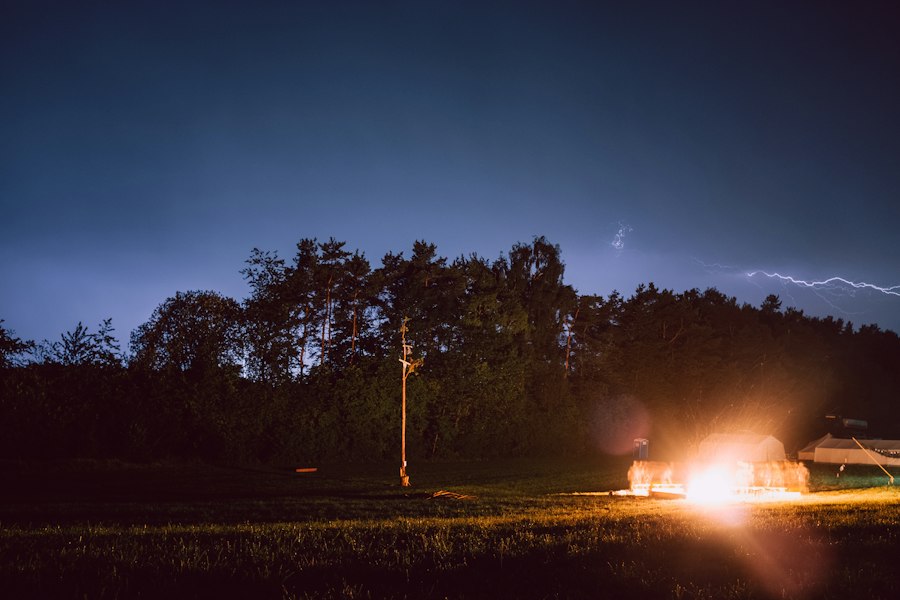
The most challenging aspect of keeping a fire alive during a storm is not starting it, but maintaining it. The elements are relentless, and constant vigilance and a willingness to adapt are paramount. A fire that is left unattended, even for a short period, can be extinguished by a sudden gust of wind or a downpour.
Constant Monitoring: The Watchful Eye of the Survivor
The survivor must act as the guardian of the flame. This means remaining alert to the fire’s condition and the changing environmental factors. Regularly check the wind direction and intensity, as well as the intensity of the rainfall. Are the windbreaks holding? Is the rain shield effectively deflecting water? Are the flames faltering or strengthening? These are questions that must be constantly assessed. If the flames begin to die down, it is a sign that more fuel is needed, or that the airflow needs to be adjusted. If the wind is increasing, you may need to add more fuel to create a stronger, more resilient fire, or reinforce your windbreaks.
Adjusting for Wind and Rain: Responsive Fire Management
The key to maintaining a fire during a storm is responsiveness. When faced with strong gusts of wind, you may need to add larger, heavier logs to the fire to create a more substantial burning mass that is less susceptible to being blown out. The arrangement of the fuel may also need to be adjusted. You might need to stack logs more tightly to reduce the surface area exposed to the wind, or shift them to create a more compact core.
When rain becomes a significant factor, the rain shield becomes even more critical. Ensure that it is positioned correctly and that water is not dripping onto the fire. If the rain is exceptionally heavy and persistent, you may need to add fuel more frequently to compensate for the cooling effect of the moisture. The ashes that accumulate around the fire can also act as a buffer against moisture, so it is important not to clear them away unless absolutely necessary. The goal is to create a self-sustaining fire that can regenerate itself, but during a storm, this often requires active intervention and adaptation.
Replenishing Fuel Strategically: Don’t Wait Until It’s Too Late
A common mistake is to wait until the fire is faltering before adding more fuel. This is especially dangerous during a storm. By the time the flames are visibly diminishing, it may be too late to revive them, particularly if the conditions are harsh. Therefore, it is crucial to anticipate the fire’s needs. Regularly assess the amount of fuel remaining and add new pieces proactively. It is better to have a slightly larger fire than you initially need, than to be caught with insufficient fuel when the storm is at its peak.
When adding fuel, do so in a manner that does not disrupt the existing flames. Carefully place new logs or branches onto the burning embers, allowing them to catch fire before adding more. If the wind is strong, you may need to shield the new fuel with your body or other available materials until it ignites. The process of replenishing fuel should be as seamless and efficient as possible, minimizing the time the fire is exposed to the elements without a robust burning core. This proactive approach to fuel management is a cornerstone of successful storm-weathering fires.
Beyond Survival: The Psychological Comfort of a Storm-Proof Fire
While the primary objective of keeping a fire alive during a storm is survival – providing warmth, a means to cook, and purify water – the psychological impact of a steady, comforting flame cannot be overstated. In the face of nature’s fury, a fire becomes more than just a source of heat; it transforms into a symbol of resilience, control, and hope.
A Beacon of Warmth and Security
The relentless howl of the wind and the drumming of rain can induce feelings of isolation and vulnerability. A well-tended fire offers a tangible counterpoint to these anxieties. Its warmth radiates outwards, creating a small pocket of comfort and security amidst the chaos. The flickering light can ward off the oppressive darkness, providing a sense of presence and company. For those facing extended periods of isolation, the rhythmic crackling of the fire can be a soothing balm, a reminder of life’s enduring rhythm even in the most challenging circumstances.
The Ritual of Resilience: Building Confidence
The act of preparing for and maintaining a fire during a storm is itself a powerful ritual of resilience. Each step, from gathering and drying fuel to constructing windbreaks and managing the flames, contributes to a growing sense of competence and control. This process builds confidence in one’s ability to overcome adversity. The successful ignition and sustained burning of a fire in the face of extreme weather can be a profound morale booster, instilling a belief that even the most formidable challenges can be met and overcome. This psychological fortitude is as crucial to survival as the physical warmth provided by the flames.
A Focal Point for Planning and Reflection
A fire often serves as a natural focal point, a place where individuals can gather, plan, and reflect. During a storm, this becomes even more important. The controlled environment around the fire allows for clearer thinking and communication, enabling individuals to strategize their next steps, assess their resources, and make informed decisions. The flickering light can encourage introspection and a deeper understanding of the situation. It provides a stable anchor in a chaotic world, allowing for a measure of calm and focus amidst the storm’s disarray. The enduring flame is a testament to human ingenuity and the persistent drive to endure, a powerful symbol that transcends mere physical survival.