The vast tapestry of human history is inextricably woven with the threads of environmental influence. For our Paleolithic ancestors, a period spanning roughly 2.5 million to 10,000 years ago, the capricious nature of weather was not merely an inconvenience but a fundamental architect of their existence, dictating the very routes of their migrations and the strategic locations of their settlements. Understanding these ancient climatic dynamics is key to unlocking the secrets of humanity’s dispersal across the globe and the adaptive strategies that allowed our species to not only survive but thrive in diverse and often challenging landscapes.
The Rhythmic Dance of Glacial Cycles and Interglacial Thaws
The Paleolithic era was characterized by profound climatic oscillations, primarily driven by Milankovitch cycles – long-term variations in Earth’s orbit and axial tilt. These cycles orchestrated dramatic shifts between glacial periods, characterized by extensive ice sheets covering vast swathes of the Northern Hemisphere, and warmer interglacial periods, where these ice masses receded. These shifts were not uniform; they unfolded over tens of thousands of years, creating dynamic environmental conditions that directly influenced the availability of resources and the habitability of different regions.
Ice Sheets as Impenetrable Barriers and Arid Deserts as Deadly Traps
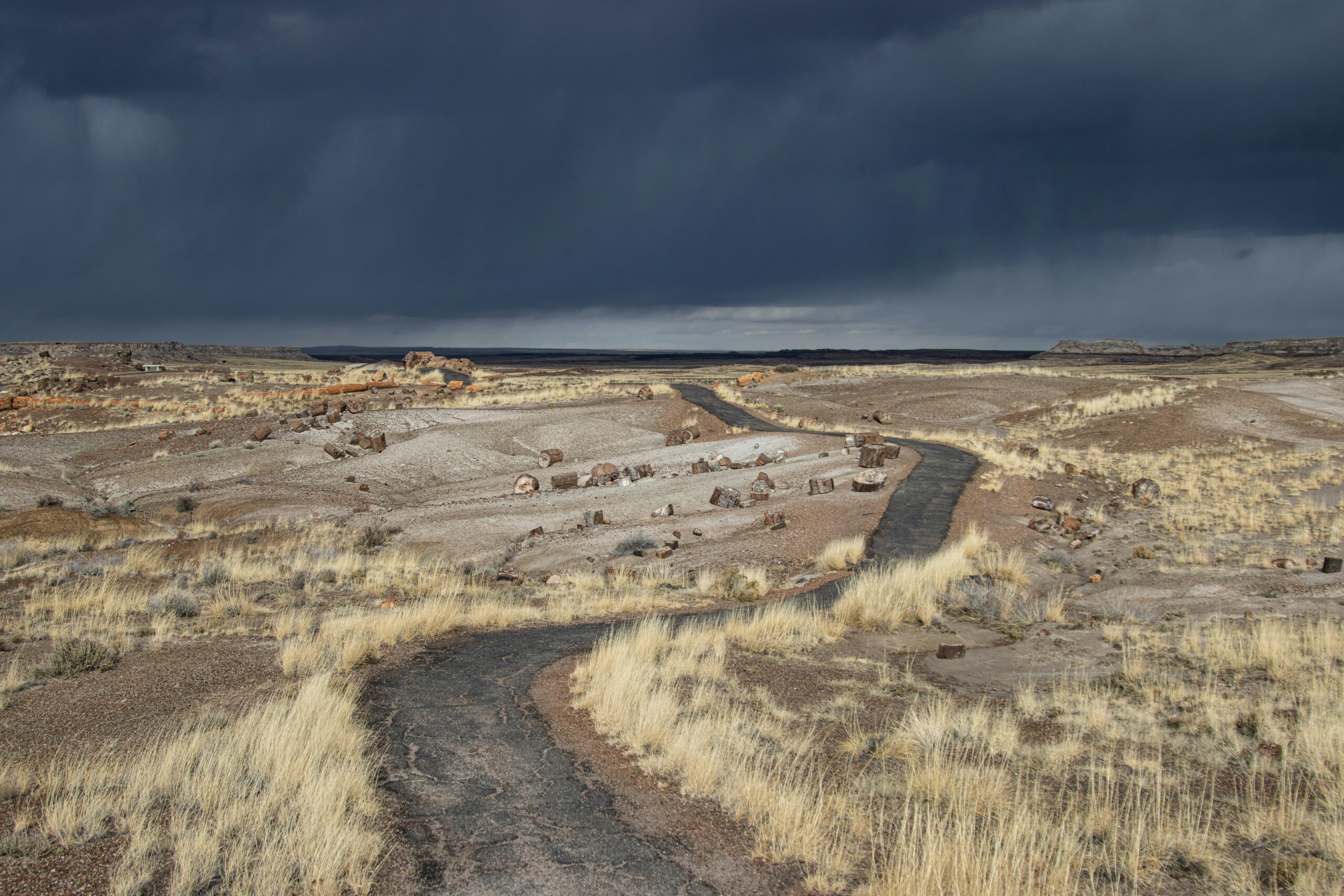
During glacial maxima, massive ice sheets, like those that covered much of North America and Eurasia, acted as formidable physical barriers. These frozen expanses rendered vast territories uninhabitable and impassable for early humans. Consequently, human migrations were often forced to circumnavigate these icy fortresses, following coastlines or seeking out ice-free corridors. The extreme cold also led to arid conditions in regions far removed from the ice, creating “cold deserts” with limited plant and animal life, presenting equally challenging environments for survival. These arid zones, devoid of readily available water and game, would have served as significant deterrents to prolonged settlement and migration, pushing populations towards more hospitable areas.
Interglacial Thaws: Opening New Horizons and Reshaping Landscapes
Conversely, interglacial periods brought about significant melting of glaciers and a general warming trend. This thawing process had a multifaceted impact. Firstly, it opened up previously inaccessible landmasses, particularly those that had been buried under ice. These newly exposed regions often featured fertile soils and abundant vegetation, attracting both human and animal populations. Secondly, the retreat of ice sheets altered drainage patterns, creating new river systems, lakes, and wetlands. These water sources were crucial for survival and became focal points for early human settlements, providing essential resources for drinking, sanitation, and supporting diverse ecosystems. The increased moisture also fostered the growth of forests and grasslands, expanding the carrying capacity of the land and supporting larger game populations, thus enabling population growth and further dispersal.
The study of how weather patterns influenced the movement of Paleolithic peoples is a fascinating topic that sheds light on early human migration and adaptation. For a contemporary perspective on how environmental factors can impact movement and logistics, you might find the article on the challenges of US-Mexico overland shipping insightful. It explores how modern weather conditions affect transportation routes and supply chains, drawing parallels to how ancient populations may have navigated their landscapes in response to climatic changes. You can read more about it here: The Challenges of US-Mexico Overland Shipping.
Water: The Lifeline Dictated by Ancient Climates

The availability and distribution of fresh water, intrinsically linked to weather patterns, were paramount to Paleolithic human survival and settlement choices. Ancient hydrological systems were shaped by the prevailing climatic regimes, influencing where early humans could establish themselves and the patterns of their nomadic movements.
Rivers as Highways and Lakes as Anchors for Settlement
During wetter interglacial periods, rivers would have expanded and flowed more reliably, serving as natural highways for migration. Following river valleys provided consistent access to water, supported riparian vegetation, and often harbored abundant fish and game. These river systems likely facilitated long-distance movements, allowing groups to traverse vast distances and explore new territories. Similarly, larger lakes, fed by rainfall and glacial meltwater, would have provided stable and predictable water sources, acting as crucial anchors for more semi-permanent or recurring settlements. Archaeological evidence from sites situated near ancient lakeshores often reveals evidence of sustained human occupation, indicating their importance as reliable hubs for foraging and social interaction.
Arid Spells and Shifting Water Sources: The Imperative of Mobility
In contrast, periods of prolonged drought or aridification, often associated with glacial advances or shifts in atmospheric circulation, would have rendered many surface water sources unreliable. During such times, Paleolithic groups would have been forced to become exceptionally mobile, following receding waterlines, seeking out underground springs, or relying on more resilient water-gathering strategies. The constant need to adapt to fluctuating water availability would have reinforced nomadic lifestyles, requiring a deep understanding of the landscape and its seasonal water cycles. The ability to predict where and when water might be found, even during challenging climatic conditions, would have been a critical survival advantage.
Vegetation and Fauna: The Climatic Influence on Subsistence Strategies
The types of plants available for foraging and the species of animals that could be hunted were directly dictated by the prevailing weather patterns. Consequently, the distribution and abundance of these resources profoundly shaped human subsistence strategies and, by extension, their migration routes and settlement patterns.
Grasslands and Megafauna: Opportunities and Challenges
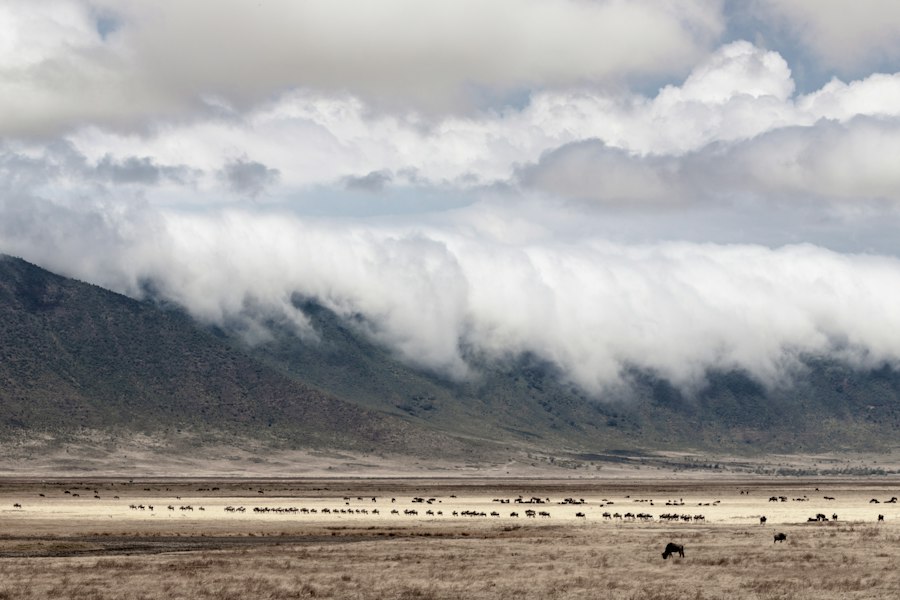
Expansive grasslands, flourishing during specific climatic periods, supported large herds of megafauna – mammoths, bison, horses, and reindeer. These herbivorous giants represented a significant and calorie-rich food source for Paleolithic hunters. Migration routes of these herds, dictated by seasonal availability of grazing and water, would have pulled human populations along with them. However, hunting megafauna also presented considerable challenges, requiring sophisticated group coordination, specialized tools, and a deep understanding of animal behavior. The presence or absence of these large game animals would have been a primary factor in determining the habitability of a region for hunter-gatherer groups.
Forested Environments and Diverse Smaller Game
In contrast, wetter and more temperate interglacial periods often favored the growth of forests. While these environments might have offered less concentrated sources of large game, they provided a richer diversity of edible plants, nuts, berries, and smaller animals like deer, rabbits, and birds. Hunting in forested areas would have required different strategies, perhaps involving more stalking, trapping, and utilizing projectile weapons effective in denser vegetation. The availability of these diverse resources allowed for more localized foraging patterns and could support smaller, more dispersed social groups. The transition between grassland and forest environments, often dictated by climatic shifts, would have necessitated adaptive changes in both hunting and gathering techniques.
Resource Depletion and the Drive for New Territories
The carrying capacity of any given environment was not static. Over-exploitation of local resources, exacerbated by climatic instability, could lead to depletion. When a particular area could no longer sustain a population, human groups were compelled to move. This constant pressure to find new, unexploited territories was a significant driver of migration, pushing populations into unexplored regions and further contributing to the global dispersal of humanity. Weather patterns, by influencing the rate of resource regeneration or the susceptibility of ecosystems to over-exploitation, played an indirect but crucial role in this process.
Coastal and Inland Dynamics: Climate’s Influence on Settlement Location
The balance between coastal and inland environments, and the accessibility of resources within each, was dynamically altered by climatic shifts, influencing where Paleolithic humans chose to establish their camps and more permanent settlements.
Coastal Migrations and the Allure of Marine Resources
During periods of lower sea levels, often associated with glacial maxima, vast areas of the continental shelf were exposed. This would have opened up new terrestrial landscapes for exploration and settlement, potentially connecting landmasses that are now separated by water. However, interglacial periods, with rising sea levels, would have submerged these areas, reshaping coastlines and potentially forcing inland migrations. Conversely, as sea levels stabilized or even receded slightly in certain periods, the coastlines offered a rich and diverse array of marine resources – shellfish, fish, and marine mammals. These coastal environments could support relatively large populations due to the consistent availability of food, leading to the establishment of significant long-term settlements along these shores. The influence of tidal cycles and seasonal availability of marine life would have been a key factor in site selection.
Inland Refugia and the Strategy of Seasonal Mobility
Inland areas, while potentially subject to greater temperature extremes, could offer refuge during periods of coastal instability or overpopulation. During glacial periods, ice-free areas in inland Europe and Asia would have been crucial for survival, acting as refugia for both human and animal populations. These inland settlements might have been more transient, dictated by the seasonal availability of water and game, or they could have been strategically located near reliable inland water sources like springs or river confluences. The ability to move between coastal and inland environments, taking advantage of seasonal resource peaks in each, would have been a sophisticated survival strategy employed by many Paleolithic groups, heavily influenced by the prevailing climatic conditions.
The study of how weather patterns influenced the movement of Paleolithic peoples offers fascinating insights into early human behavior and adaptation. For instance, the changing climate conditions during the last Ice Age prompted groups to migrate in search of more hospitable environments, which ultimately shaped their social structures and survival strategies. A related article discusses the significance of ancient sites like Nabta Playa, where early communities demonstrated advanced understanding of astronomy and seasonal changes. You can explore this intriguing connection further in the article about the Nabta Playa stone circle and its role in understanding ancient human interactions with the environment.
The Adaptive Imperative: Paleolithic Innovations Driven by Weather
| Time Period | Weather Pattern | Effect on Paleolithic Movement | Region | Evidence/Metric |
|---|---|---|---|---|
| Last Glacial Maximum (~26,500 – 19,000 years ago) | Cold and dry climate, expanded ice sheets | Restricted movement; populations concentrated in refugia | Europe, Asia | Genetic bottlenecks; archaeological sites clustered in southern Europe |
| Post-Glacial Warming (~19,000 – 11,700 years ago) | Rapid warming, melting glaciers | Expansion into previously glaciated areas; increased migration routes | Europe, North America | Spread of tool technologies; new settlement sites in northern latitudes |
| Younger Dryas (~12,900 – 11,700 years ago) | Sudden return to cold, dry conditions | Temporary retreat or slowed migration; adaptation to harsher environments | North America, Europe | Changes in faunal remains; shifts in hunting patterns |
| Early Holocene (~11,700 – 8,000 years ago) | Warmer, wetter climate | Increased mobility and population growth; exploitation of diverse habitats | Global | Increase in site density; diversified toolkits |
| Mid-Holocene Climatic Optimum (~8,000 – 5,000 years ago) | Warm and stable climate | Expansion into arid regions; development of semi-permanent settlements | North Africa, Middle East | Archaeological evidence of early agriculture and sedentism |
The constant challenges posed by fluctuating weather patterns were a powerful catalyst for innovation among Paleolithic humans. Their ability to adapt their technologies, social structures, and cognitive abilities to changing environmental conditions was central to their success and their remarkable global dispersal.
Shelter and Clothing: Responses to Temperature Extremes
The need for protection against the cold and heat drove the development of increasingly sophisticated shelter and clothing. Early shelters may have consisted of natural caves and rock overhangs. However, as humans migrated into more exposed environments, they developed more complex dwellings, such as semi-subterranean huts constructed from animal bones, hides, and turf, offering insulation against extreme temperatures. Similarly, the development of tailored clothing from animal hides, sewn together with bone needles, provided essential protection against the biting winds and freezing temperatures of glacial periods. The type of materials available and the severity of the climate directly influenced the design and effectiveness of these innovations.
Tool Technologies and Hunting Strategies: Responding to Resource Availability
The availability of different animal species and plant resources, dictated by climatic conditions, spurred the refinement of tool technologies. The need to hunt large, dangerous megafauna during glacial periods likely led to the development of more efficient projectile weapons like spears and later, possibly, the spear-thrower (atlatl). In forested environments, tools for processing wood and plant materials, such as scrapers and awls, would have been crucial. The ability to fashion a diverse range of tools for different purposes, and to adapt these tools to the specific challenges presented by the environment, was a hallmark of Paleolithic ingenuity. Furthermore, the understanding of animal migration patterns, plant phenology, and seasonal resource availability, all intricately linked to weather, was essential for successful foraging and hunting.
Social Organization and Knowledge Transmission: The Power of Collective Adaptation
Surviving in dynamic and often unpredictable environments also necessitated sophisticated social organization and effective knowledge transmission. Larger group sizes, facilitated by abundant resources during interglacial periods, could support more complex hunting strategies and defense against predators. Conversely, resource scarcity during arid spells might have favored smaller, more mobile groups. The passing down of crucial environmental knowledge – where to find water, what plants are edible, how to track game – from generation to generation, often through oral traditions and direct mentorship, was vital for survival. This accumulated knowledge, honed by generations of experience with prevailing weather patterns, allowed Paleolithic humans to navigate and inhabit an astonishing range of ecological niches across the globe, demonstrating a profound and enduring connection between climate, human adaptation, and our evolutionary journey.

Life 20,000 Years Ago: How Humans Survived the Ice Age
FAQs
1. How did weather patterns influence Paleolithic movement?
Weather patterns played a significant role in determining the movement of Paleolithic people as they followed animal migrations and seasonal changes in search of food and resources.
2. What impact did changing weather have on Paleolithic settlements?
Changing weather patterns could force Paleolithic people to abandon their settlements and move to new areas in search of better conditions for hunting and gathering.
3. How did the Ice Age affect Paleolithic movement?
The Ice Age led to the expansion of glaciers and changes in sea levels, which influenced the distribution of resources and the movement of Paleolithic groups across different regions.
4. Did Paleolithic people adapt to different weather conditions?
Yes, Paleolithic people developed various tools, clothing, and shelter to adapt to different weather conditions, allowing them to survive and thrive in diverse environments.
5. How did weather patterns impact the social structure of Paleolithic societies?
Weather patterns affected the social structure of Paleolithic societies by influencing group dynamics, resource distribution, and the need for cooperation in order to navigate and survive in changing environments.