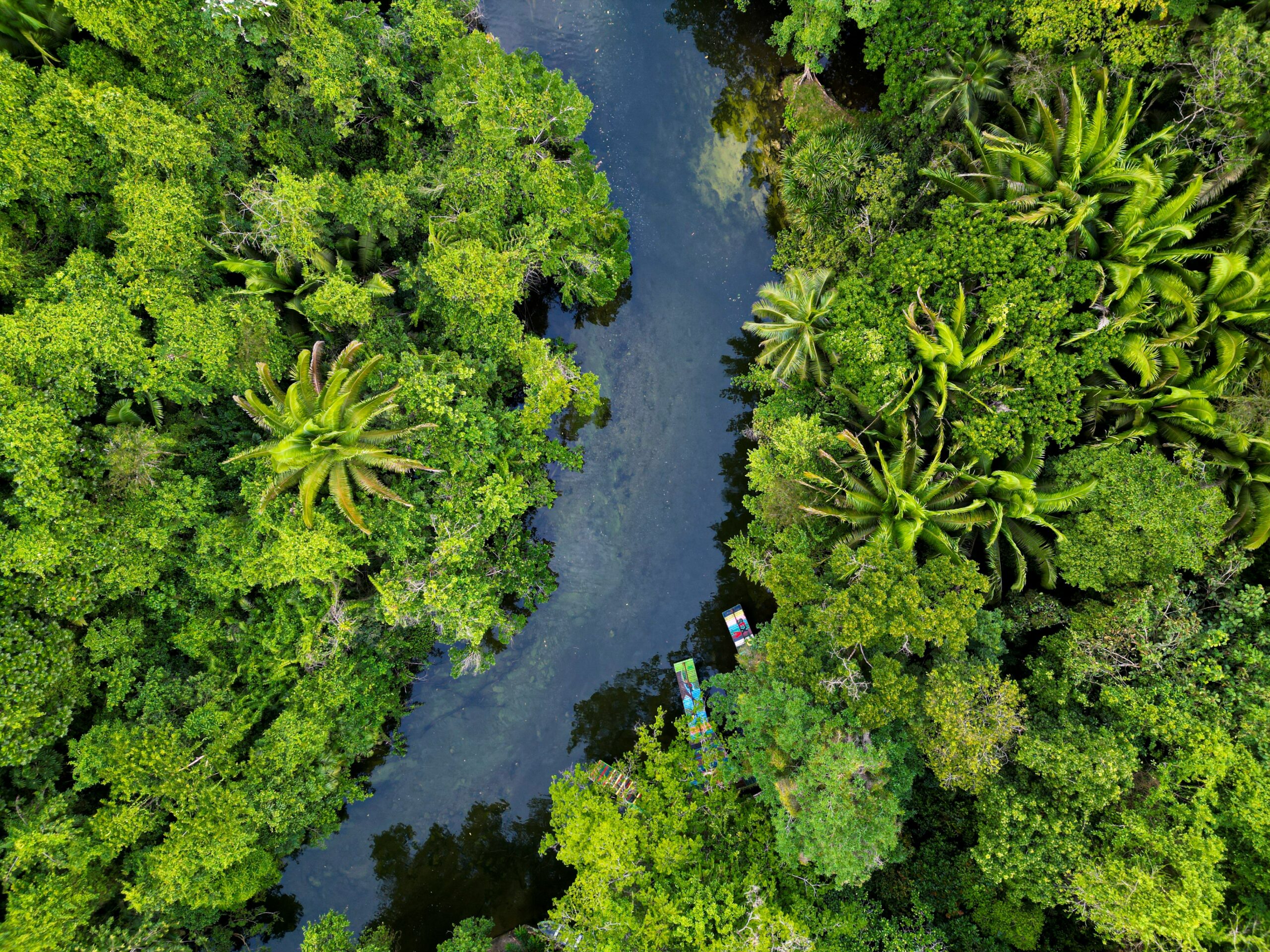
The verdant lungs of our planet, the Amazon rainforest, are under siege. This vast, biodiverse ecosystem, a critical regulator of global climate and home to an unparalleled array of life, is facing unprecedented pressure from human activities. From the extraction of natural resources to the expansion of agriculture, the footprints of humanity are leaving an indelible mark, threatening the delicate balance of this irreplaceable wilderness. Understanding the multifaceted nature of this impact is crucial to fostering effective conservation strategies and ensuring the Amazon’s survival for generations to come.
The most visible and arguably the most devastating impact of human activity on the Amazon rainforest is deforestation. Vast swathes of forest are cleared, transforming vibrant ecosystems into landscapes unrecognizable from their original state. This relentless clearing is driven by a complex interplay of economic forces and societal demands, creating a cascade of negative consequences that extend far beyond the immediate destruction of trees.
Agricultural Expansion: Feeding the World, Devouring the Forest
The insatiable demand for food and agricultural products is a primary driver of deforestation in the Amazon. As global populations grow, so does the need for land to cultivate crops and raise livestock.
Cattle Ranching: The Dominant Force
Cattle ranching stands out as the single largest contributor to Amazonian deforestation. Millions of hectares of forest are cleared to create pastures for beef production, a commodity with a significant global market. The process often involves burning down forests, releasing vast amounts of carbon dioxide into the atmosphere. The expansion of cattle ranches is not merely about domestic consumption; a substantial portion of Amazonian beef is exported, connecting distant consumers to the destruction of this vital ecosystem. The economic incentives for cattle ranchers are strong, often driven by government policies that favor land clearing and by the perceived economic value of cattle over standing forests.
Soy Cultivation: A Global Commodity
Soybean cultivation, primarily for animal feed and biofuel, has also become a major force behind deforestation. While some soy farming occurs on already cleared land, a significant portion encroaches upon forested areas, particularly in the southern and eastern Amazon. The high global demand for soy, coupled with its economic viability, incentivizes further land conversion. Concerns about the sustainability of soy production, including issues of land grabbing and the displacement of indigenous communities, are growing.
Other Agricultural Practices
Beyond cattle and soy, other agricultural activities contribute to forest loss. The cultivation of palm oil, bananas, and other cash crops, while perhaps on a smaller scale individually, collectively add to the pressure on the rainforest. Small-scale subsistence farming, while often less destructive in its immediate impact, can also lead to forest clearing in areas where land is scarce or traditional practices are under pressure.
Logging: The Value of Timber
The Amazon is a treasure trove of valuable timber species, and the demand for these resources fuels both legal and illegal logging operations. While sustainable forestry practices exist, they are often overshadowed by more destructive methods.
Legal Logging and its Challenges
In theory, legal logging operations are supposed to adhere to strict regulations designed to minimize environmental damage. However, enforcement can be weak, and even legal operations can lead to fragmentation of the forest, increased soil erosion, and disruption of wildlife habitats. The selection of high-value trees can lead to a decline in biodiversity as certain species are preferentially removed.
Illegal Logging: A Rampant Problem
Illegal logging is a pervasive issue in the Amazon, often operating with impunity. Armed with powerful machinery, loggers enter protected areas and indigenous territories, felling trees without permits or regard for environmental consequences. This illicit trade is driven by lucrative international markets for exotic hardwoods. The social and environmental costs of illegal logging are immense, contributing to forest degradation, increased risk of fires, and the displacement of traditional communities.
Infrastructure Development: Opening Up the Frontier
The development of infrastructure, such as roads, dams, and mining operations, often opens up previously inaccessible areas of the Amazon, facilitating further deforestation and exploitation.
Road Construction: Pathways to Destruction
The construction of roads, particularly unpaved logging roads and highways, is a major catalyst for deforestation. These roads not only provide access for loggers and farmers but also lead to increased human settlement and the fragmentation of forest ecosystems. Roads can disrupt wildlife corridors, making it harder for animals to migrate and find food, and can also open up areas to illegal activities like hunting and land grabbing.
Hydropower Projects: Flooding and Displacement
The construction of large-scale hydroelectric dams in the Amazon basin has profound environmental and social impacts. These projects flood vast areas of rainforest, displacing wildlife and human communities, altering river ecosystems, and releasing significant amounts of methane, a potent greenhouse gas, from submerged vegetation. The long-term ecological consequences of damming these vital waterways are still being studied, but the immediate impact is undeniable.
Mining: Extracting Wealth, Scarring the Land
The Amazon holds immense mineral wealth, and the pursuit of gold, iron ore, and other valuable resources leads to extensive mining operations. These operations can be highly destructive, involving the clearing of large areas of forest, the excavation of land, and the use of toxic chemicals like mercury, which pollutes rivers and contaminates ecosystems. Both large-scale industrial mining and small-scale artisanal mining contribute to deforestation and environmental degradation.
Human influence on the Amazon rainforest has become a critical topic of discussion, particularly in light of the ongoing environmental challenges faced by this vital ecosystem. The article titled “The Downfall of Civilization: Tech’s Role” explores how technological advancements and human activities contribute to deforestation and habitat destruction in the Amazon. For a deeper understanding of the intersection between technology and environmental degradation, you can read the article here: The Downfall of Civilization: Tech’s Role.
Biodiversity Loss: A Silent Extinction
The Amazon rainforest is renowned for its extraordinary biodiversity, a testament to millions of years of evolution. However, human impacts are leading to a rapid and alarming decline in this rich tapestry of life, pushing countless species towards extinction.
Habitat Destruction and Fragmentation: The Loss of Homes
As forests are cleared and fragmented, the habitats of countless species are destroyed or reduced. This loss of living space makes it difficult for animals and plants to find food, reproduce, and survive. Fragmentation isolates populations, leading to reduced genetic diversity and increased vulnerability to diseases and environmental changes. Species with specialized habitat requirements are particularly at risk.
Overhunting and Poaching: Depleting Wildlife Populations
The hunting of wildlife for food, sport, and the illegal pet trade has a significant impact on Amazonian fauna. Many species, including primates, jaguars, and various bird species, are threatened by overhunting. Poaching, often driven by economic incentives, further exacerbates the problem, pushing populations to unsustainable levels and disrupting ecological balance.
Climate Change: An Amplifying Threat
The Amazon rainforest plays a critical role in regulating global climate, but it is also increasingly vulnerable to the impacts of climate change. Rising temperatures, altered rainfall patterns, and increased frequency of extreme weather events like droughts and floods are placing immense stress on the ecosystem.
Rising Temperatures: Straining Resilience
Warmer temperatures can affect plant physiology, reproductive cycles, and the distribution of species. Some species may not be able to adapt quickly enough to these changes, leading to population declines and local extinctions. The increased risk of wildfires, fueled by hotter and drier conditions, is also a major concern.
Altered Rainfall Patterns: Droughts and Floods
Changes in rainfall patterns, including prolonged droughts and more intense rainfall events, can have devastating consequences. Droughts can lead to widespread tree mortality, increased fire risk, and a scarcity of water for both wildlife and human populations. Conversely, extreme rainfall can cause flooding, soil erosion, and damage to habitats.
Indigenous Communities: Guardians Under Threat
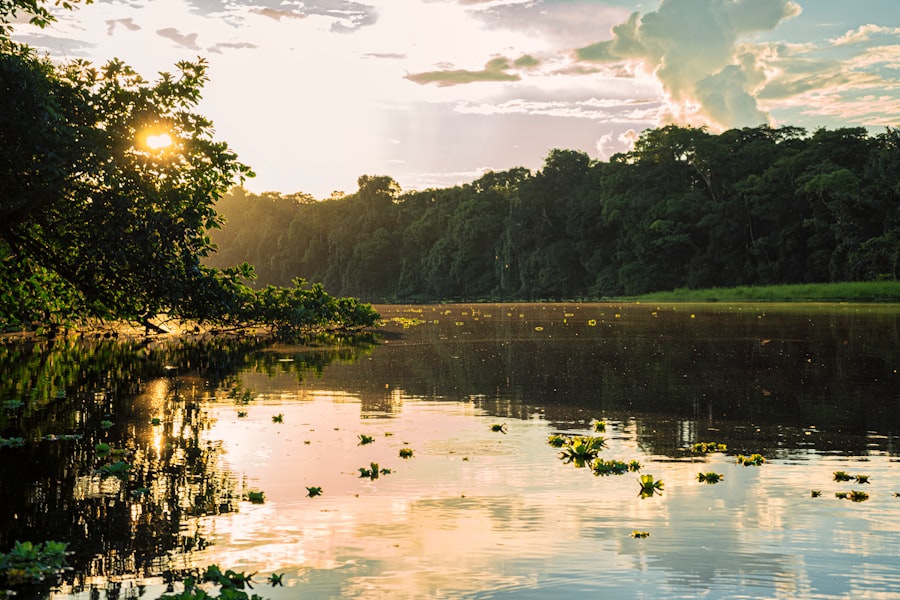
For millennia, indigenous communities have lived in harmony with the Amazon rainforest, developing intricate knowledge systems and sustainable practices. However, their way of life, their territories, and their very existence are increasingly threatened by human impacts.
Land Rights and Displacement: Losing Their Homes
The expansion of agricultural frontiers, logging, and mining often encroaches upon indigenous lands. Many indigenous communities face displacement and the loss of their ancestral territories, disrupting their traditional livelihoods and cultural practices. The struggle for land rights is a constant battle, often met with resistance and violence.
Cultural Erosion: The Loss of Traditional Knowledge
As indigenous communities are forced to adapt to external pressures, their traditional knowledge and cultural practices are at risk of erosion. The loss of this invaluable knowledge, accumulated over generations of living in and understanding the rainforest, is a significant blow to both the communities themselves and to the collective human understanding of this ecosystem.
Health Impacts: The Scars of Exploitation
Indigenous communities are often on the front lines of environmental degradation, experiencing direct health impacts from pollution caused by mining operations, the introduction of diseases from outside populations, and the disruption of their traditional food sources.
Fires: The Inferno’s Spread

Wildfires, both natural and human-induced, have become a growing concern in the Amazon. While some fires occur naturally, the vast majority are now linked to human activities, exacerbating deforestation and biodiversity loss.
Human-Caused Ignitions: Clearing Land for Profit
The most common cause of fires in the Amazon is the deliberate use of fire to clear land for agriculture and cattle ranching. Farmers often use fire as a cheap and quick method to remove vegetation and prepare land for planting. These fires can easily spread out of control, especially during dry seasons, engulfing vast areas of intact forest.
The Dry Season’s Fury: Amplified Risks
The Amazon experiences a distinct dry season, during which the forest becomes more susceptible to ignition. When coupled with deforestation and the increased presence of flammable materials, the dry season becomes a period of heightened fire risk. These fires not only destroy trees but also release massive amounts of carbon into the atmosphere, contributing to climate change, and further degrade the remaining forest, making it more vulnerable to future fires.
Human influence on the Amazon rainforest has been a topic of significant concern, particularly as deforestation and land conversion continue to threaten its biodiversity. A related article explores the intricate relationship between ancient water management systems and sustainable practices that could inform modern conservation efforts. This piece highlights how understanding these historical methods can provide valuable insights into preserving the Amazon’s ecological balance. For more information, you can read the article on ancient water management systems here.
The Global Implications: A World at Stake
| Aspect | Metrics |
|---|---|
| Deforestation | Number of acres cleared annually |
| Wildlife Impact | Number of species at risk |
| Carbon Emissions | Amount of CO2 released from deforestation |
| Indigenous Communities | Number of communities affected by human activity |
The Amazon rainforest is not merely a regional concern; its health has profound implications for the entire planet. The loss of this vital ecosystem impacts global climate, biodiversity, and the potential for future scientific discoveries.
Climate Regulation: The Earth’s Thermostat
The Amazon rainforest acts as a massive carbon sink, absorbing vast quantities of carbon dioxide from the atmosphere. Deforestation and fires release this stored carbon, significantly contributing to greenhouse gas emissions and accelerating global warming. The rainforest also plays a crucial role in regulating regional and global weather patterns through evapotranspiration, influencing rainfall far beyond its borders.
Water Cycles: A Global Hydrological Engine
The Amazon basin is a vast hydrological system, generating a significant portion of South America’s rainfall and influencing global ocean currents. The destruction of the rainforest disrupts these water cycles, potentially leading to droughts in distant regions and altering ocean salinity.
Medicinal and Scientific Potential: Untapped Treasures
The Amazon rainforest harbors an incredible diversity of plant and animal life, many of which hold potential for new medicines, scientific discoveries, and biotechnological innovations. The loss of this biodiversity means the potential loss of cures for diseases and invaluable insights into the natural world.
Economic and Social Consequences: A Ripple Effect
The degradation of the Amazon has significant economic and social consequences, both regionally and globally. The loss of ecosystem services, such as water purification and climate regulation, can lead to economic losses. Furthermore, the displacement of indigenous communities and the loss of cultural heritage represent profound social tragedies. The ongoing destruction of the Amazon is a stark reminder of the interconnectedness of our planet and the urgent need for sustainable practices to protect this irreplaceable natural wonder. The collective action of individuals, governments, and corporations is essential to curb the destructive forces at play and ensure the Amazon’s continued existence as a vibrant and vital ecosystem for all life on Earth.

Millions Once Lived in the Amazon. LiDAR Found the Evidence
FAQs
What is the human influence on the Amazon rainforest?
Human influence on the Amazon rainforest includes deforestation for agriculture, logging, mining, and infrastructure development. Additionally, human activities contribute to climate change, which affects the Amazon’s ecosystem.
How does deforestation affect the Amazon rainforest?
Deforestation in the Amazon rainforest leads to the loss of biodiversity, disruption of the water cycle, and contributes to climate change. It also impacts indigenous communities and threatens the survival of many plant and animal species.
What are the consequences of human influence on the Amazon rainforest?
The consequences of human influence on the Amazon rainforest include habitat destruction, loss of biodiversity, disruption of the water cycle, and increased greenhouse gas emissions. These consequences have far-reaching impacts on the global climate and the well-being of indigenous communities.
What measures are being taken to mitigate human influence on the Amazon rainforest?
Efforts to mitigate human influence on the Amazon rainforest include conservation initiatives, sustainable land use practices, reforestation projects, and the enforcement of environmental regulations. International cooperation and support for indigenous land rights are also crucial in protecting the Amazon.
How can individuals help reduce their impact on the Amazon rainforest?
Individuals can help reduce their impact on the Amazon rainforest by supporting sustainable and ethical products, reducing meat consumption, and advocating for policies that protect the rainforest. Additionally, supporting organizations and initiatives that work towards the conservation of the Amazon can make a positive impact.