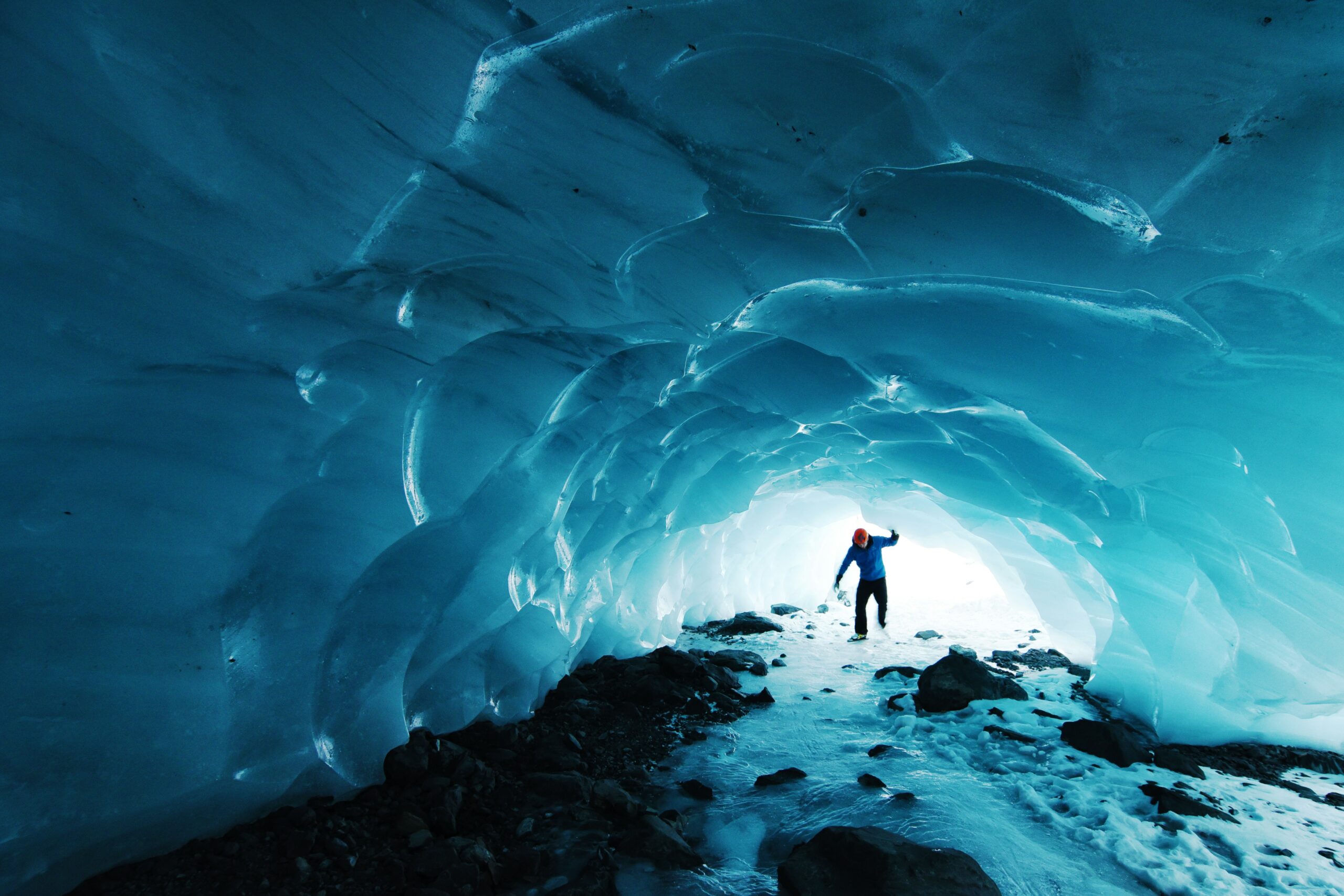
The biting winds, a constant, mournful howl, were more than just a sound; they were a physical force. For early humans, the Ice Age was not a distant geological epoch of textbooks and museum displays, but a stark, unforgiving reality. Life was a perpetual negotiation with a planet locked in a frozen grip. Yet, within this seemingly insurmountable environmental onslaught, humanity not only survived but began to lay the foundations for its eventual global dominance. This is a testament to a profound and often underestimated quality: human resilience. The ability to adapt, innovate, and persevere in the face of extreme adversity is etched into our very being, forged in the crucible of Pleistocene winters.
The Unrelenting Glacial Environment
The Ice Age, a period characterized by recurring cycles of glaciation, presented a relentless barrage of environmental challenges. Vast ice sheets, some kilometers thick, advanced and retreated, dramatically reshaping landscapes, altering coastlines, and influencing weather patterns for millennia. This was not a static environment; it was a dynamic and often violent one, demanding constant vigilance and ingenuity from its hominin inhabitants. The very air seemed colder, the days shorter, and the resources scarcer.
The Perpetual Struggle for Sustenance
Food procurement during the Ice Age was a daily, often life-or-death, struggle. The familiar flora and fauna that sustain modern humans were drastically different, if present at all, in many glacial regions. Mammoth herds, woolly rhinoceros, and other megafauna became crucial, yet formidable, food sources. Hunting these creatures required not only immense courage and physical prowess but also sophisticated planning, coordinated group efforts, and the development of specialized tools. The scarcity of plant-based foods during prolonged winters meant that preserving meat, through drying, smoking, or freezing, became an essential survival skill. This constant pressure to find, secure, and store sustenance shaped social structures and fostered cooperation, as individuals quickly learned that their survival depended on the collective. The ability to exploit a wide range of prey, from small game to colossal herbivores, demonstrates a remarkable dietary flexibility that was key to survival across diverse glacial environments.
Shelter Against the Storms
The primal need for shelter was amplified to an extreme degree. Exposed to brutal blizzards, sub-zero temperatures, and the constant threat of freezing, early humans had to devise ingenious ways to protect themselves. Natural shelters like caves and rock overhangs were highly sought after, offering immediate respite. However, these were often insufficient or unavailable. The development of constructed shelters, such as tents made from animal hides stretched over frames of bone or wood, or more elaborate structures utilizing mammoth bones and turf, represented a significant technological leap. These were not just rudimentary coverings; they were warm, windproof havens that allowed for communal living, social interaction, and the continuation of essential activities, even during the harshest weather. The ability to build and maintain these shelters, often in challenging terrain, speaks volumes about the practical intelligence and foresight of our ancestors. The careful selection of building materials, understanding insulation properties, and strategic placement for protection against prevailing winds all contributed to their effectiveness.
The history of human resilience during ice ages showcases the remarkable adaptability and survival strategies of our ancestors in the face of extreme environmental challenges. For a deeper understanding of how societies have navigated crises throughout history, you might find the article on elite assets during economic downturns particularly insightful. It explores how wealth and resources can influence survival and stability in tumultuous times, drawing parallels to the resilience demonstrated by humans in past ice ages. You can read more about this intriguing topic in the article found here: Elite Assets in a Crash: What the Wealthy Own.
Innovation: The Spark of Survival

Faced with an environment that offered little in the way of easy comfort or abundant resources, early humans demonstrated an extraordinary capacity for innovation. Their survival was not a matter of passively enduring the cold, but of actively transforming their circumstances through ingenious tool-making and the development of new behaviors. This period saw the refinement and invention of technologies that not only addressed immediate needs but also laid the groundwork for future advancements.
Mastering Fire: A Transformative Force
The control and utilization of fire was arguably one of the most significant breakthroughs in human history, and its importance during the Ice Age cannot be overstated. Fire provided warmth, a critical factor in surviving frigid temperatures. It offered protection against predators, which were deterred by flames. Crucially, fire enabled the cooking of food, making it more digestible, nutritious, and safer to consume. This dietary improvement likely had profound impacts on human health and development. Beyond sustenance, fire allowed for extended activity into the night, fostering social bonding and the sharing of knowledge. It also played a role in tool production, allowing for the hardening of wooden spear tips and the eventual development of more complex manufacturing processes. The ability to create and control fire required a significant cognitive leap, involving the understanding of cause and effect and the deliberate manipulation of natural forces.
Lithic Technologies: Shaping the World with Stone
The Ice Age witnessed a remarkable evolution in stone tool technology, often referred to as lithic technology. Early hominins had already developed basic stone tools, but during this period, techniques became more sophisticated and specialized. The development of the Levallois technique, for example, allowed for the creation of carefully prepared cores from which predictable, high-quality flakes could be struck. This precision allowed for the manufacture of a wider range of tools, including scrapers for processing hides, knives for butchering, and points for spears. The ability to craft these tools, often from specific types of stone transported over considerable distances, demonstrates not only technological skill but also foresight and resource management. The sheer diversity of lithic assemblages found at Ice Age sites points to a sophisticated understanding of material properties and the functional requirements of different tasks.
Social Structures and Cooperation

The harsh realities of the Ice Age environment did not foster isolation; instead, they demanded and solidified cooperative social structures. Individual survival was a rare and precarious endeavor. It was within the warmth of a shared hearth, under the protection of a communal shelter, and through the combined efforts of a group that early humans truly began to thrive.
The Strength of the Group
The successful hunting of large game, the construction of robust shelters, and the defense against formidable predators all necessitated organized group action. These were not amorphous gatherings, but rather communities with established roles and shared responsibilities. The division of labor, with individuals specializing in hunting, toolmaking, gathering, or childcare, would have increased efficiency and ensured the survival of the group as a whole. The transmission of knowledge and skills, from the mastery of fire-making to the techniques of flintknapping, was facilitated through social interaction, ensuring that vital survival strategies were passed down through generations. The development of complex social bonds, characterized by empathy, altruism, and reciprocity, was not merely a social nicety but a fundamental survival mechanism.
Communication and Knowledge Transfer
While the specifics of early human language remain a subject of ongoing research, it is undeniable that effective communication was a crucial element of their resilience. The ability to convey complex instructions for hunting, to warn of danger, to share information about resource locations, and to maintain social cohesion would have been paramount. Storytelling, rituals, and shared experiences likely played a role in reinforcing group identity and transmitting cultural knowledge. The development of symbolic communication, perhaps through rudimentary art or ornamentation, could have further enhanced social bonds and the transmission of abstract ideas. The very fact that humans were able to populate such diverse and challenging environments suggests a sophisticated capacity for shared understanding and coordinated action.
Adaptation and Cognitive Evolution
The pressures of the Ice Age environment acted as a powerful selective force, favoring individuals and groups with enhanced cognitive abilities and a greater capacity for behavioral flexibility. This period was not just about physical survival; it was also about the forging of the human mind.
Problem-Solving and Behavioral Flexibility
The unpredictable nature of the Ice Age demanded constant adaptation. Glacial advances and retreats, changes in prey availability, and localized environmental shifts required hominins to constantly re-evaluate their strategies and develop novel solutions to emerging problems. This continuous engagement with complex environmental challenges likely spurred the development of higher-order cognitive functions, such as foresight, planning, and abstract reasoning. The ability to learn from experience, to innovate in response to novel situations, and to adjust behavior based on changing circumstances was a hallmark of human resilience during this era. This adaptability extended beyond mere survival, allowing for the exploration of new territories and the exploitation of diverse ecological niches.
The Dawn of Symbolic Thought
Evidence from Ice Age sites suggests a burgeoning of symbolic thought and artistic expression. The creation of cave paintings, engravings, and personal ornaments, though often rudimentary by modern standards, indicates a capacity for abstract representation and a desire to imbue the world with meaning beyond immediate survival needs. These early forms of art could have served various purposes, from recording significant events and hunting successes to spiritual or ritualistic practices. This development of symbolic thought is a profound indicator of cognitive evolution, suggesting that humans were not simply reacting to their environment but were actively interpreting and shaping their understanding of it. This capacity for imagination and abstract thought provided a foundation for the development of culture, religion, and ultimately, complex human societies.
Throughout history, human resilience has been tested during the harsh conditions of the ice ages, showcasing our ability to adapt and survive in the face of adversity. A fascinating exploration of how ancient societies navigated these challenges can be found in a related article that discusses the interplay between power and knowledge among ancient elites. This article sheds light on the strategies employed by these groups to maintain control and ensure survival during difficult times, illustrating the complex dynamics of human society. For more insights, you can read the full article here.
Legacy of the Ice Age Survivor
| Period | Ice Age Event | Human Species | Key Adaptations | Survival Strategies | Estimated Population |
|---|---|---|---|---|---|
| 2.4 million – 1.4 million years ago | Early Pleistocene Glaciations | Homo habilis, Homo erectus | Use of stone tools, control of fire | Migration to warmer regions, use of caves for shelter | Thousands to tens of thousands |
| 300,000 – 30,000 years ago | Last Glacial Period (Weichselian/Wisconsin) | Homo sapiens, Neanderthals | Development of clothing, advanced tools, hunting techniques | Seasonal migration, development of shelters, social cooperation | Hundreds of thousands |
| 26,500 – 19,000 years ago | Last Glacial Maximum | Homo sapiens | Improved clothing, use of bone and antler tools | Storage of food, complex social structures, art and symbolic behavior | Estimated 10,000 – 50,000 globally |
| 19,000 – 11,700 years ago | Late Glacial Period | Homo sapiens | Development of agriculture beginnings, domestication of animals | Permanent settlements, diversified diet | Increasing towards hundreds of thousands |
The legacy of the Ice Age human is woven into the fabric of our modern existence. The challenges and triumphs of our Pleistocene ancestors shaped not only our physical form but also our cognitive capacities, social instincts, and our inherent drive to innovate and adapt. The resilience that allowed them to endure glacial epochs continues to manifest in human societies today, enabling us to overcome natural disasters, societal upheavals, and personal adversity.
The Blueprint for Future Success
The innovations born from necessity during the Ice Age – the control of fire, sophisticated toolmaking, communal living, and symbolic expression – formed the essential building blocks for subsequent human development. These foundational achievements enabled further exploration, population growth, and the eventual emergence of agriculture, complex civilizations, and technological revolutions. The inherent adaptability and problem-solving skills honed in a world of perpetual challenge became our species’ most enduring advantage. Every technological advancement, every societal restructuring, and every act of collective resilience can be traced back to the fundamental lessons learned in the frozen landscapes of our ancient past.
An Enduring Human Trait
Human resilience is not a relic of the past; it is a living, breathing testament to our species’ capacity for survival and flourishing. The ability to face hardship with courage, to find solutions in the face of seemingly insurmountable odds, and to emerge stronger from adversity is a defining characteristic of humanity. The Ice Age, with its extreme conditions, served as an unparalleled proving ground for this vital trait, forging the enduring spirit that has allowed us to not only survive but to continually redefine what it means to thrive, against all odds. The echoes of those early survivors, who faced down the frozen fury of the planet, can still be heard in the persistent hum of human ingenuity and the indomitable will to endure.

20,000 Years Ago | The Coldest Journey in Human History
FAQs
1. How did early humans adapt to survive during ice ages?
Early humans adapted to survive during ice ages by developing new tools, creating warm clothing from animal hides, seeking shelter in caves, and mastering the use of fire for warmth and cooking.
2. Did ice ages lead to the extinction of any human species?
While ice ages posed significant challenges to human survival, they did not lead to the extinction of any human species. Instead, early humans demonstrated resilience by adapting to the harsh conditions and evolving to thrive in different environments.
3. What evidence supports the idea of human resilience during ice ages?
Archaeological findings, such as ancient tools, cave paintings, and the discovery of early human remains in various regions, provide evidence of human resilience during ice ages. These artifacts demonstrate the resourcefulness and adaptability of early humans in the face of extreme environmental conditions.
4. How did early humans obtain food during ice ages?
Early humans obtained food during ice ages through hunting animals, fishing in frozen lakes and rivers, gathering edible plants, and scavenging for resources. They also developed hunting strategies and techniques to secure food sources in challenging environments.
5. What role did social cooperation play in human resilience during ice ages?
Social cooperation played a crucial role in human resilience during ice ages. Early humans formed close-knit communities to share resources, knowledge, and skills, which helped them survive and thrive in harsh ice age conditions. Working together allowed them to overcome challenges and adapt to changing environments more effectively.