
The biting winds of the Pleistocene, often synonymous with the imposing presence of colossal mammoths and saber-toothed cats, also heralded a period of extreme hardship for the early humans who navigated its frozen landscapes. Survival during these prolonged and frigid Ice Age winters was a testament to their ingenuity, adaptability, and deep understanding of their environment. Far from the abundance of warmer climes, these early peoples faced a stark reality where every calorie counted, and the procurement of food was a relentless, life-or-death struggle. Their winter diet was not a matter of preference but a sophisticated strategy honed over generations, meticulously adapted to the limited resources available when the world was draped in ice and snow.
The Seasonal Scramble for Sustenance
The stark contrast between summer and winter dictated a dramatic shift in the food sources available to Ice Age humans. While the warmer months offered a more diverse bounty, the onset of winter brought about a profound scarcity. This necessitated a complete reorientation of hunting and gathering strategies. Understanding this seasonal fluctuation is crucial to comprehending their winter dietary choices.
Summer’s Generosity and Winter’s Challenge
During the brief but productive summers of the Pleistocene, early humans likely enjoyed a more varied diet. Abundant plant life, from roots and tubers to berries and edible leaves, would have been readily available. This period also saw a surge in animal populations, making hunting more successful. Large herbivores, such as mammoths, bison, and deer, would have been a primary focus. The fat reserves gained from these animals, as well as the stored plant foods, would have been critical for surviving the lean winter months. However, the onset of winter, marked by freezing temperatures and widespread snow cover, rendered many of these summer resources inaccessible or depleted. Plant life withered, and migratory animals often moved to warmer regions. This sudden scarcity demanded a strategic shift in their foraging and hunting practices, pushing them towards more resilient and preserved food sources.
The Art of Preservation: Drying, Smoking, and Storing
The most effective strategy for overcoming winter’s scarcity was the meticulous art of food preservation. Without refrigeration, early humans relied on time-tested methods to extend the shelf life of their gathered and hunted provisions. These techniques were not merely about convenience; they were essential for ensuring a continuous food supply throughout the harsh winter.
The process of drying was likely one of the earliest and most fundamental methods employed. Thinly sliced meat and fish, exposed to the dry, cold air and wind, would dehydrate, significantly inhibiting bacterial growth. This technique would have been particularly effective in the arid conditions often found in glacial environments. Smoking, achieved by exposing food to the smoke of burning wood, offered a dual benefit. The smoke imparted a distinct flavor and acted as an antibacterial agent, while the heat from the fire also contributed to drying. This method was particularly suited for meat and fish, transforming them into palatable and long-lasting provisions.
Storing food was equally critical. Caves and natural rock shelters, often insulated by their geological formations, provided ideal locations for keeping preserved foods cool and protected from the elements and scavengers. Indigenous knowledge of suitable storage locations, often passed down through oral traditions, would have been invaluable. For less perishable items, such as dried roots and tubers, pits dug into the ground and lined with insulating materials like grass or leaves would have offered a rudimentary form of underground storage, maintaining a more stable temperature than exposed surfaces. The successful implementation of these preservation techniques directly translated into the ability to endure the unforgiving winters, showcasing the sophisticated ecological knowledge possessed by these ancient peoples.
During the Ice Age, humans adapted their diets to survive the harsh winter conditions, relying heavily on large game such as mammoths and reindeer, as well as foraging for edible plants and nuts that could be stored for the colder months. This adaptability is a fascinating aspect of human history, showcasing our resilience and resourcefulness. For more insights on strategies for survival and adaptation in challenging circumstances, you can read a related article on safeguarding wealth against hyperinflation at this link.
The Hunter’s Prize: Meat as the Winter Staple
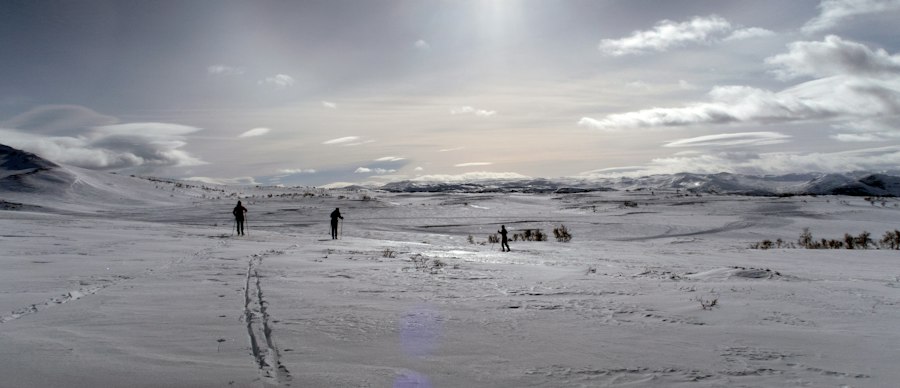
During the brutal winters of the Ice Age, meat formed the cornerstone of the human diet. When plant life was dormant and inaccessible, the successful hunt of large game provided not only sustenance but also crucial fats and proteins essential for survival in extreme cold. The procurement and consumption of meat were central to their existence, shaping their social structures and technological advancements.
Mammoth, Bison, and the Art of the Big Hunt
The iconic megafauna of the Pleistocene represented a significant dietary windfall for Ice Age hunters. Mammoths, with their thick layers of fat, offered a calorific bounty that could sustain a community for extended periods. Bison, though perhaps less massive than mammoths, were also a vital food source, their meat lean and nutritious. The hunting of these large animals was a dangerous undertaking, requiring immense skill, coordination, and specialized tools.
Evidence from archaeological sites, such as kill sites with discarded tools and animal remains, suggests organized group hunts. Spears tipped with sharpened stone points, designed for penetrating thick hides, were likely the primary hunting weapons. The sheer size and power of these animals meant that a successful hunt was a communal effort, involving a deep understanding of animal behavior and terrain. The process of bringing down such a creature would have been a triumph, providing a substantial food source for weeks or even months. The fat rendered from these animals was not only a source of energy but also crucial for insulation, helping early humans cope with the frigid temperatures.
Smaller Game and the Importance of Variety
While the pursuit of megafauna garnered significant attention, the importance of smaller game should not be underestimated. Mammoths and bison were not always readily available, and their hunting was often seasonal. Therefore, the ability to hunt and trap smaller animals provided a more consistent and reliable food source throughout the year, especially during lean winter periods.
Deer, reindeer, and various smaller mammals like rabbits and foxes would have been actively hunted. These animals, while providing less fat than their larger counterparts, offered essential proteins and nutrients. Trapping, using simple snares and pits, would have been an effective method for securing these smaller prey without the need for the dangerous and energy-intensive pursuit of larger animals. The diverse range of smaller animals available would have also contributed to a more balanced diet, ensuring a broader spectrum of essential vitamins and minerals. Furthermore, the efficient utilization of every part of the animal, from the meat to the organs and even marrow, maximized the nutritional benefits derived from each successful hunt.
Bone Marrow: A Hidden Treasure Trove
Beyond the muscle meat, bone marrow represented a highly prized and calorically dense component of the Ice Age winter diet. The long bones of large mammals, when cracked open, revealed a rich, fatty substance that was a virtual powerhouse of energy and essential nutrients.
The marrow was likely extracted using stone tools, such as hammerstones, to smash the bones. This fatty substance was easily digestible and provided a significant source of calories, crucial for enduring the extreme cold and the high energy demands of winter. It was also a good source of minerals and other essential fatty acids. In a world where every calorie mattered, the extraction and consumption of bone marrow were a vital strategy for maximizing the nutritional yield from every animal carcass. This practice underscores the sophisticated understanding of animal anatomy and the resourcefulness of Ice Age humans in extracting every possible benefit from their kills.
The Forager’s Resilience: Nuts, Roots, and Other Winter Survivors

While meat was the dominant food source during the Ice Age winters, the contribution of plant-based foods, however limited, cannot be entirely overlooked. Early humans possessed an intimate knowledge of the plant world, and certain hardy specimens, often preserved or harvested before the deepest freeze, played a supplementary role in their survival.
Hardy Roots and Tubers: Stored Beneath the Frost
Even in the frozen grip of winter, certain edible roots and tubers could be a valuable source of carbohydrates and other nutrients. Many of these underground storage organs were harvested during the warmer months and meticulously stored for later consumption.
Species like wild yams, cattail rhizomes, and various species of edible roots would have been staples if available. These plants store energy in their roots and tubers, allowing them to survive the winter and regenerate in the spring. Early humans likely learned to identify the signs of these plants even when covered by snow, perhaps by observing the residual stalks or recognizing characteristic terrain. Once unearthed, these roots and tubers would have been processed – often boiled or roasted – to make them more digestible and palatable. The starch content of these items provided essential carbohydrates, a vital energy source for maintaining body temperature and fueling strenuous activities. The knowledge of where to find these underground reserves and how to process them effectively was a testament to their deep ecological understanding.
Nuts and Seeds: Tiny Packages of Energy
Nuts and seeds, when available, represented compact sources of fat and protein, offering a welcome addition to the winter diet. Acorns, various types of nuts, and seeds from grasses and other plants would have been gathered during the autumn and stored.
The primary challenge with nuts, particularly acorns, was the presence of tannins, which make them bitter and indigestible. Early humans likely developed methods to leach out these tannins, often by soaking them in water or boiling them. This process would have transformed them into a more palatable and nutritious food. Seeds, when dried, were also easily stored and could be ground into a flour or eaten whole. These tiny, energy-dense packages provided valuable fats, proteins, and fiber, contributing to a more balanced and resilient diet. The ability to identify, gather, and process these often overlooked resources highlights the comprehensive foraging strategies employed by Ice Age populations.
The Role of Stored Berries and Dried Fruits
While fresh berries were a summer treat, the preservation of this resource through drying would have extended its availability into the winter months. Certain berries, when dried, retained a significant portion of their nutritional value and sweetness.
The sun-drying process, or even air-drying in sheltered locations, would have concentrated the sugars and nutrients in berries, making them a convenient and energy-rich food. These dried berries could be eaten directly, added to stews, or ground into a paste. Their vitamin content, even after drying, would have provided essential antioxidants, crucial for immune system support during the stressful winter months. While not a primary food source, the inclusion of dried fruits and berries would have offered a welcome burst of flavor and essential micronutrients, contributing to the overall health and well-being of Ice Age communities.
The Chemical Advantage: Fat and Its Crucial Role
In the extreme cold of the Ice Age winters, fat was not merely a dietary preference; it was a fundamental requirement for survival. The human body’s ability to metabolize fat for energy and its role in insulation made it the most sought-after nutrient during this challenging period.
Fat as Fuel: Powering Through the Cold
The primary function of fat in the diet of Ice Age humans was to provide a readily available and highly efficient source of energy. The human body can store large amounts of fat, and during periods of strenuous activity and extreme cold, this stored energy is mobilized to maintain core body temperature and fuel metabolic processes.
The fatty tissues of hunted animals, particularly large herbivores like mammoths and bison, were an invaluable source of this vital nutrient. Rendered animal fat, such as tallow, could be stored and used for cooking, adding calories to other foods, and even as a fuel source for lamps, providing warmth and light in their shelters. The consumption of fatty meats and organs directly contributed to maintaining a healthy body fat percentage, which acts as insulation against the cold. Without adequate fat intake, individuals would be more susceptible to hypothermia and would expend significantly more energy simply trying to stay warm, creating a dangerous calorie deficit.
The Importance of Essential Fatty Acids
Beyond its role as a pure energy source, animal fat also provided essential fatty acids that the human body cannot synthesize on its own. These “essential” fats play critical roles in various bodily functions, including brain development, immune system function, and reducing inflammation.
The consumption of the whole animal, including organs and fatty tissues, would have provided a spectrum of these vital nutrients. For example, the omega-3 and omega-6 fatty acids found in animal fats are crucial for maintaining healthy cell membranes and supporting cognitive function. In the harsh environment of the Ice Age, where resources were scarce and physical demands were high, ensuring adequate intake of these essential nutrients would have been paramount for overall health and resilience. The reliance on animal fats meant that these crucial fatty acids were naturally incorporated into the diet, contributing significantly to the survival and well-being of Ice Age populations.
Fat in Preservation: Extending Edible Lifespans
The inherent properties of fat also played a role in the preservation of other food items. Layering meat in animal fat, for instance, could create an anaerobic environment, further inhibiting the growth of spoilage-causing bacteria and extending the shelf life of preserved meats.
This technique, sometimes referred to as “confit” in a modern culinary context, would have been particularly effective in the cold, dry conditions of the Ice Age. By effectively sealing the meat from the air, the rate of oxidation and microbial degradation was significantly slowed. This method, combined with drying and smoking, offered a multi-pronged approach to ensuring food security throughout the winter. The fat itself, being relatively stable in cold temperatures, could also be stored for extended periods, providing a consistent source of energy and a means of preserving other perishable items, further solidifying its importance in the Ice Age winter diet.
During the Ice Age, humans faced significant challenges in securing food during the harsh winter months, relying heavily on hunting and gathering strategies. They primarily hunted large game such as mammoths and reindeer, while also foraging for edible plants and nuts that could be stored. For a deeper understanding of how ancient societies adapted to environmental changes, you might find it interesting to explore this related article on economic stabilization measures for recovery, which discusses how communities can thrive despite adversity. You can read more about it here.
The Social and Technological Fabric of Winter Survival
| Food Type | Description | Seasonal Availability | Nutritional Benefits |
|---|---|---|---|
| Large Game Meat | Mammoths, reindeer, bison, and other large herbivores hunted for meat | Available year-round, hunted more in winter due to animal migration and easier tracking in snow | High in protein and fat, essential for energy and warmth |
| Small Game and Birds | Hares, rabbits, ptarmigans, and other small animals | Available year-round, though more challenging to catch in winter | Protein source, supplements diet when large game is scarce |
| Fish and Aquatic Animals | Fish from unfrozen rivers and lakes, seals in coastal areas | Seasonal, depending on ice cover and location | Rich in omega-3 fatty acids and protein |
| Roots and Tubers | Edible underground plant parts dug up before or during winter | Collected in late autumn and stored for winter use | Carbohydrates and fiber, energy source |
| Dried Fruits and Nuts | Collected and dried during warmer months for winter consumption | Stored from autumn harvest | Vitamins, minerals, and fats |
| Bird Eggs | Collected during spring and summer, stored or consumed fresh | Seasonal, mostly spring and summer | Protein and fats |
| Frozen Plants and Berries | Some berries and plants preserved naturally by freezing | Available in early winter before complete freeze | Vitamins and antioxidants |
The challenges of Ice Age winters fostered a strong sense of community and drove the development of sophisticated technologies. The procurement, preparation, and consumption of food were not solitary pursuits but intricately woven into the social and technological fabric of these early human societies.
Communal Hunting and Resource Sharing
The success of hunting large game during the winter months was almost invariably a collective endeavor. The inherent dangers and the sheer scale of these animals necessitated cooperation, coordination, and a shared commitment to the group’s survival.
Organized hunts required specialized roles, with some individuals acting as trackers, others as drivers to herd prey towards traps or ambushes, and still others as the primary spear-throwers. The successful kill was a triumph for the entire community, and the resulting carcass was typically shared equitably among its members. This system of resource sharing ensured that even those who were less physically able, such as the elderly or injured, received a portion of the vital food supply. This not only promoted social cohesion but also maximized the survival chances of the entire group. The distribution of meat, fat, and other usable parts of the animal was a complex social act, governed by unwritten rules and traditions that reinforced interdependence.
The Evolution of Tools for the Cold
The demands of winter survival spurred significant technological innovation. The creation of specialized tools for hunting, butchering, and processing food was essential for extracting maximum benefit from scarce resources.
Stone tools, such as finely flaked projectile points for spears, scrapers for hide preparation, and awls for working bone and leather, were crucial. The development of hafting techniques, binding stone points to wooden shafts, increased the effectiveness and range of their hunting weapons. For butchering, sharp stone knives and choppers were indispensable for dismembering large carcasses and separating meat from bone. Beyond hunting implements, tools for processing plant materials, such as grinding stones for nuts and seeds, also played a role. The constant refinement and adaptation of these tools, often made from readily available materials like flint, obsidian, and bone, directly reflected the ingenuity and resourcefulness of Ice Age humans in overcoming the environmental challenges of winter.
The Role of Fire: Warmth, Cooking, and Social Hub
Fire was perhaps the single most transformative technology for Ice Age humans, and its importance during the winter months cannot be overstated. It provided essential warmth, enabling them to survive in frigid shelters, and was fundamental to food preparation.
The ability to cook food, particularly tough meats and fibrous roots, rendered them more digestible, unlocked nutrients, and killed harmful pathogens. Roasting meat over an open fire or boiling it in rudimentary containers (perhaps animal bladders or skin bags) would have significantly improved the nutritional yield of their diet. Furthermore, the hearth served as a social focal point. Around the flickering flames, communities would gather to share meals, stories, and knowledge, strengthening social bonds and transmitting vital survival information across generations. The control and maintenance of fire were critical skills, requiring constant attention and a deep understanding of fuel sources, making it an indispensable element of winter survival and social life.

Life 20,000 Years Ago: The Ultimate Ice Age Fight to Survive
FAQs
1. What did Ice Age humans eat in winter?
Ice Age humans primarily ate a diet consisting of meat from large animals such as mammoths, bison, and deer during the winter months. They also consumed fish, shellfish, nuts, seeds, and berries when available.
2. How did Ice Age humans preserve food for winter?
Ice Age humans preserved food for winter by drying, smoking, or freezing meat and fish. They also stored nuts, seeds, and berries in cool, dry places to ensure a food supply during the colder months.
3. Did Ice Age humans have access to plant-based foods in winter?
Yes, Ice Age humans had access to plant-based foods in winter. While fresh fruits and vegetables were scarce during this time, they gathered nuts, seeds, and berries during the warmer months and stored them for consumption in winter.
4. How did Ice Age humans adapt to the scarcity of food in winter?
Ice Age humans adapted to the scarcity of food in winter by hunting larger animals for meat, which provided them with essential nutrients and energy. They also relied on their knowledge of the environment to find and store food sources for the colder months.
5. Were Ice Age humans able to maintain a balanced diet in winter?
Ice Age humans were able to maintain a relatively balanced diet in winter by consuming a variety of foods, including meat, fish, nuts, seeds, and berries. While their diet may have been limited compared to other seasons, they adapted to ensure they received essential nutrients for survival.