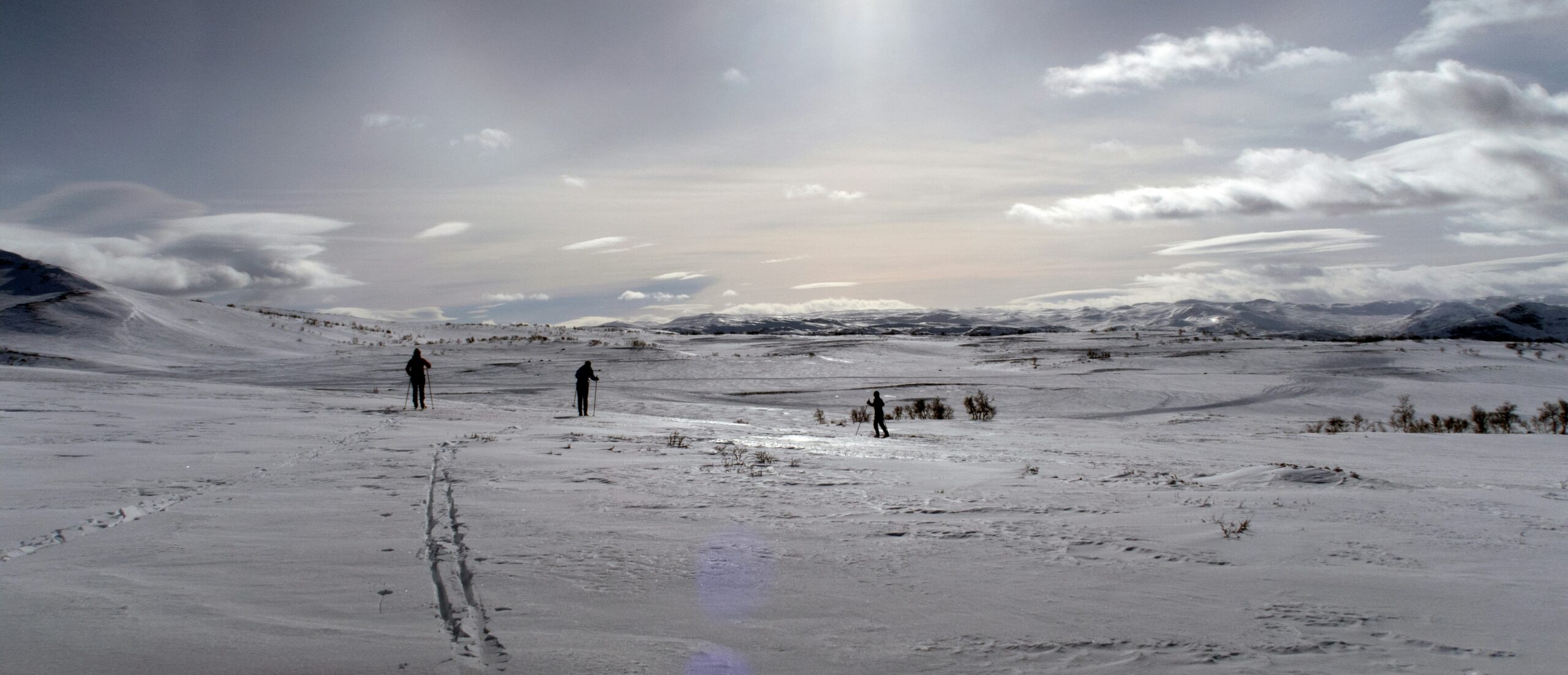
The Whispers of Winter: Ancient Tracks in the Deep White
The biting wind, a sculptor of snowdrifts, painted a vast, pristine canvas across the Pleistocene landscape. For the Ice Age hunters, survival was a relentless dance with winter, and their prey, masters of this frozen realm. To thrive, they developed an intimate understanding of the deep snow, a silent language spoken in tracks and subtle disturbances. Their tracking techniques were not merely about finding sustenance; they were a profound communion with the environment, a testament to keen observation and an ancestral wisdom honed over millennia. This article delves into the sophisticated strategies employed by these ancient predators to navigate and hunt through the challenging terrain of deep snow, exploring how they read the frozen earth and the stories etched upon it.
Researchers have recently explored the sophisticated tracking techniques employed by Ice Age hunters navigating through deep snow, shedding light on their survival strategies and adaptability in harsh environments. These ancient methods, which included the use of animal tracks and environmental cues, reveal a deep understanding of the landscape and wildlife. For a broader perspective on how modern societies adapt to changing conditions, you might find the article on Mexico potentially replacing China as a manufacturing hub interesting. It discusses contemporary strategies in response to global shifts, much like the adaptive techniques of our ancestors. You can read more about it here: Mexico Replacing China as Manufacturing Hub.
## Reading the Frozen Narrative: The Language of Snow

The snow itself was a dynamic book, constantly rewritten by wind, temperature, and the passage of creatures. Ice Age hunters learned to decipher its ephemeral script with an acuity that modern observers can only marvel at. They understood that each snowfall was a fresh page, but the layers beneath held the ongoing saga. Their knowledge was not just about identifying a print; it was about understanding the context, the history of the snowpack, and the likely intentions of the animal leaving its mark.
### The Anatomy of a Track: Beyond Simple Impression
For the Ice Age hunter, a track was a complex data point. It was not simply a shape pressed into the snow but a three-dimensional artifact, providing a wealth of information. The depth of the impression indicated the weight and gait of the animal. A deep, splayed print suggested a heavy animal struggling, while a lighter, more deliberate print might point to a cautious or more agile creature. The stride length, the distance between successive tracks, offered clues about the animal’s speed and mood. A long, bounding stride could signify flight or purposeful travel, whereas shorter, more hesitant steps might indicate feeding or a wounded animal.
The shape of the individual prints was, of course, paramount. Familiarity with the distinct paw or hoof prints of various prey species – mammoths, woolly rhinoceros, reindeer, ancient horses – was fundamental. However, the subtle variations within these categories were equally important. A lion’s track, for example, might differ slightly depending on whether it was a mature male, a female, or a younger individual. The claw marks, if visible, provided further identification, distinguishing between canids like wolves or dire wolves and felids.
Furthermore, the “melt-out” patterns around a track could reveal crucial details. In warmer periods, even brief ones, the edges of a print would begin to soften and expand. The degree of this melt-out could indicate how recently the track was made. Conversely, a sharp, crisp edge suggested a very fresh imprint, perhaps made just moments before. The presence of ice crystals within or around the track also offered temporal clues, indicating refreezing events.
### The Subtle Art of Disturbance: Snow as a Storyteller
Beyond the direct impression of a foot, the disruption of the snowpack itself held significant meaning. The displacement of snow, the way it was flung or pushed aside, painted a more dynamic picture of an animal’s movement. A deep rut might suggest an animal pushing through dense snow, perhaps carrying a heavy load or moving with great force. The pattern of displaced snow could also reveal directional changes, sudden stops, or leaps.
The hunter would also look for evidence of feeding. Scattered snow, disturbed vegetation at ground level, or even gnaw marks on exposed branches indicated that an animal had paused to forage. The extent of this disturbance could suggest how long the animal had been in the area and whether it was actively feeding or merely resting. The presence of scat, though often buried by snow, could be revealed by slight depressions or disturbances in the snowpack, offering further confirmation of prey presence and even its recent activity.
Wind-sculpted snow, a constant feature of the Ice Age environment, added another layer of complexity. Hunters understood how the wind affected snow deposition, creating drifts and scouring patterns. They learned to distinguish between natural snow formations and those created by an animal’s passage. A patch of snow that seemed unnaturally compressed or cleared might indicate where an animal had bedded down, sought shelter, or even defecated. The tell-tale ripple marks left by the wind were also something they could interpret, recognizing that they could obscure or even mimic animal tracks if not understood in their context.
## Environmental Signposts: Decoding the Landscape
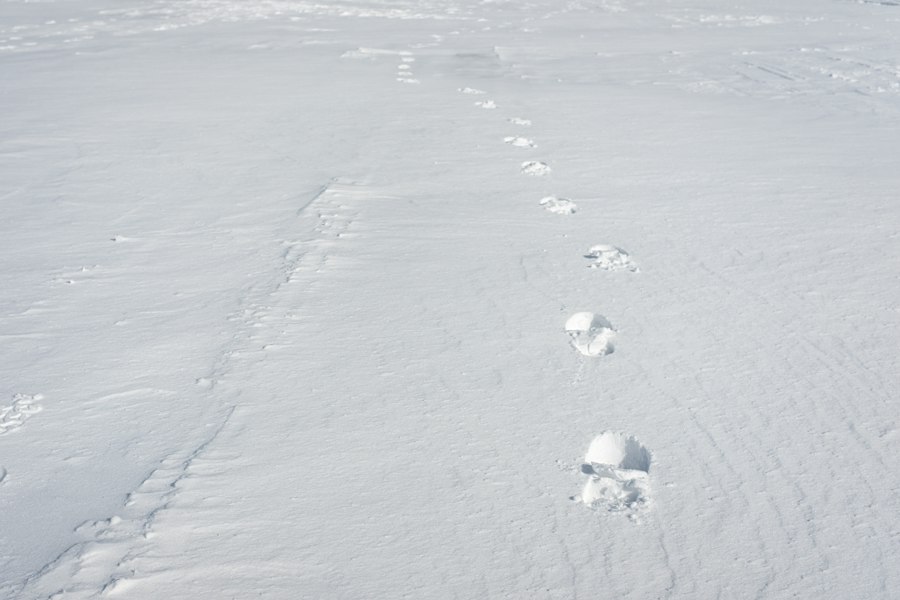
The Ice Age hunter’s ability to read the snow was inextricably linked to their profound understanding of the wider environment. They were not simply tracking an animal in isolation but within its ecological niche, utilizing every available natural signpost to refine their pursuit. This holistic approach allowed them to predict animal behavior and anticipate their movements with remarkable accuracy.
### Flora as Indicators: The Edible and the Evaded
The vegetation, even when buried under snow, provided vital clues. The presence of specific plant species, particularly those that were palatable to certain herbivores, would draw animals to those areas. Hunters knew, for instance, that areas with exposed lichens or hardy winter grasses would likely attract reindeer. They would examine the snow around these areas for signs of grazing or browsing. The depth of the snow itself would dictate which plants were accessible, and a hunter could infer from the snow depth and the type of vegetation where animals might be finding sustenance.
Conversely, the absence of certain plants could also be significant. If a particular area known for its rich vegetation was conspicuously devoid of animal signs, it might suggest that the animals were actively avoiding it, perhaps due to the presence of predators or other perceived dangers. The exposed, winter-bare branches of trees and shrubs were also read. Gnaw marks or snapped twigs, indicative of browsing, pointed directly to animal activity. The height of these marks could even suggest the size of the animal that had been feeding.
### Topography and Weather Patterns: The Architect’s Influence
The natural contours of the land played a crucial role in directing animal movement and, consequently, the hunter’s pursuit. Valleys and ravines often served as natural windbreaks, offering shelter from the harsh winter gales. Animals would instinctively seek these areas for rest and protection. Conversely, open plains, while offering visibility, could be treacherous in deep snow and were often avoided during severe weather unless there was a specific reason to be there, like a large herd migration.
Hunters understood how snow accumulated on different slopes. North-facing slopes, receiving less direct sunlight, would retain snow longer and in greater depths, while south-facing slopes might offer clearer patches or areas where snow was more easily disturbed. This knowledge allowed them to predict where animals might find easier passage or where they might be more likely to be concentrated.
Weather patterns were another crucial element. A sudden drop in temperature might drive animals to seek shelter in denser forests or caves. A heavy snowfall could lead them to follow more established, or at least less snow-laden, routes. Experienced hunters could read the sky, understanding how approaching storms might influence prey behavior and thus their own hunting strategy. They knew that animals often sought higher ground before a blizzard, or conversely, descended into valleys to escape the wind.
## Adapting to the White Abyss: Techniques for Navigating Deep Snow
Moving through deep snow presented a significant physical challenge, not only for the prey but for the hunters themselves. They developed a range of techniques to conserve energy, maintain stealth, and effectively pursue their quarry in this demanding environment. Their movements were efficient, economical, and deeply attuned to the rhythm of the snow.
### The Art of the Glide: Utilizing Natural Aids
While the exact form of Ice Age footwear is debated, it is highly probable that some form of snowshoe or rudimentary skis were employed. Such devices would have distributed the hunter’s weight over a larger surface area, preventing them from sinking too deeply into the snow. This would have been crucial for covering long distances and maintaining a reasonable pace. The materials used would have been readily available – stretched animal hides over wooden frames or possibly carved wooden planks. The specific design would have been optimized for the types of snow encountered – perhaps wider and flatter for powdery snow, and narrower and more buoyant for crusty snow.
Beyond personal equipment, hunters understood how to utilize natural features for easier passage. They would seek out areas where the snow was shallower, such as along frozen rivers or streams, or in the lee of large rocks or fallen trees where wind had scoured the snow. They also learned to recognize and exploit existing animal trails. While a fresh animal trail was a clear indication of prey, older, packed trails could offer a more stable and less energy-intensive route for the hunter. However, they would have been wary of blindly following such trails, as they could also lead to ambushes or areas where prey had deliberately tried to mislead pursuers.
### Stealth and Sound: The Silent Predator’s Edge
In the echoing silence of a snow-covered landscape, sound carried with unnerving clarity. Ice Age hunters were masters of minimizing their auditory footprint. Their movements were deliberate and fluid, avoiding sudden shifts or the crunch of twigs beneath their feet. They understood the acoustic properties of different snow types – powdery snow muffled sounds, while a thin crust could crack and betray their presence.
When approaching prey, they would often move downwind to prevent their scent from alerting the animal. They would also utilize the natural sounds of the environment to mask their own movements. The howl of the wind, the creak of ice, or the calls of other animals could all be used as auditory cover. The ability to predict where an animal might be less alert, such as during feeding or resting periods, was crucial for maximizing the effectiveness of their stealth.
The visual aspect of stealth was equally important. Their camouflage, whether through natural pelts or darkened skins, would have blended seamlessly with the winter environment. They would have moved in a manner that mimicked natural movements, avoiding any sharp or sudden gestures that might catch the eye of prey. They understood the visual limitations of prey animals, particularly in low light conditions, and used this knowledge to their advantage.
Ice Age hunters developed remarkable tracking techniques to navigate and hunt in deep snow, showcasing their adaptability to harsh environments. These methods not only highlight their survival skills but also provide insight into how ancient communities interacted with their surroundings. For a deeper understanding of how environmental factors influenced migration patterns and community dynamics, you can explore this related article on the impact of environmental migration. It offers valuable context that connects the challenges faced by Ice Age hunters to modern-day issues. You can read more about it here.
## Tracking in the Face of Adversity: Challenges and Adaptations
| Tracking Technique | Description | Effectiveness in Deep Snow | Tools or Indicators Used | Challenges |
|---|---|---|---|---|
| Footprint Analysis | Identifying and following animal footprints in snow to track movement. | High | Visual observation of footprints, size, depth, and stride length. | Snow melting or wind can obscure tracks quickly. |
| Snow Disturbance Patterns | Observing broken branches, bent grass, or disturbed snow indicating animal passage. | Moderate | Close inspection of snow surface and surrounding vegetation. | Requires keen observation; subtle signs can be missed. |
| Wind Direction and Scent Tracking | Using wind patterns to locate scent trails left by animals. | Low to Moderate | Wind awareness, possibly using natural materials to detect scent direction. | Cold air and snow can reduce scent dispersion. |
| Behavioral Pattern Recognition | Predicting animal movement based on known habits and terrain. | Moderate to High | Knowledge of animal habits, terrain features, and seasonal behavior. | Requires extensive experience and knowledge. |
| Use of Natural Landmarks | Tracking animals by following natural landmarks and terrain features. | Moderate | Observation of terrain, ridges, valleys, and water sources. | Snow cover can alter appearance of landmarks. |
The deep snow environment presented numerous challenges that required constant adaptation and a deep well of resilience from Ice Age hunters. The sheer physical exertion, the potential for getting lost, and the ever-present threat of dangerous prey demanded a sophisticated and unwavering approach.
### Navigating the Whiteout: Orientation in a Featureless Landscape
In conditions of low visibility, such as during snowstorms or whiteouts, traditional tracking methods could become significantly hampered. The wind could obliterate fresh tracks within minutes, and the featureless expanse of snow could disorient even the most experienced hunter. In such situations, their knowledge of the terrain became paramount. They would rely on subtle cues like the gradient of the land, the direction of the wind, or the shape of distant, snow-dusted landmarks to maintain their bearings.
They may have also developed mnemonic techniques or visual aids, perhaps etched into bone or wood, that served as navigational aids. The ability to orient themselves by the sun or stars, even when partially obscured by snow, would have been a vital skill. They might have also employed a strategy of moving incrementally, making short, controlled advances and constantly re-evaluating their surroundings, rather than attempting long, straight traverses. The use of personal markers, such as strategically placed stones or branches, could have also aided in retracing their steps or marking routes.
### The Perilous Pursuit: Encountering Dangerous Prey
Hunting large, dangerous herbivores like mammoths or woolly rhinoceros in deep snow was an inherently perilous undertaking. The snow could impede the hunters’ agility, making them vulnerable to charges or trampling. The hunters’ strategies in these scenarios were likely to be highly coordinated and involve specialized roles. They would have relied on a deep understanding of the animal’s behavior – its predictable charging patterns, its blind spots, and its vulnerabilities.
Group hunting was almost certainly essential for tackling such formidable prey. This would have involved carefully orchestrated maneuvers to surround, disorient, and ultimately bring down the animal. The use of projectile weapons, such as spears or atlatls, would have been critical for delivering disabling blows from a safe distance. The snow itself could even be turned to their advantage, with hunters potentially using it to funnel prey into pre-determined kill zones or to obscure their own approach. The knowledge of when to press an attack and, more importantly, when to retreat and regroup, would have been as crucial as the ability to strike.
## The Legacy in the Tracks: Echoes of Ancestral Wisdom
The tracking techniques of Ice Age hunters were not merely survival skills; they were an intrinsic part of their cultural identity and their connection to the natural world. The ability to read the snow, to understand its nuances and the stories it held, fostered a profound respect for the environment and its inhabitants. These ancient methods, passed down through generations, represent a sophisticated form of ecological intelligence that continues to resonate today.
### The Transfer of Knowledge: Oral Traditions and Mentorship
The complex art of tracking in deep snow was not something learned from books or diagrams. It was a deeply immersive process, passed down through oral traditions and hands-on mentorship. Elders would have spent countless hours with younger generations, demonstrating the subtle signs, explaining the animal behaviors, and guiding them through the practice of reading the snow. Stories and myths likely incorporated tracking scenarios, reinforcing key lessons and ethical considerations. This continuous transfer of knowledge ensured that the accumulated wisdom of generations was not lost.
### Modern Relevance: Lessons for Today’s Wilderness
While the specific prey and environmental conditions have changed, the fundamental principles of Ice Age tracking remain remarkably relevant for modern wilderness enthusiasts and researchers. The emphasis on keen observation, understanding animal behavior, respecting the environment, and moving with intention are timeless lessons. The ability to read subtle signs in the snow, to understand the impact of weather and terrain on animal movement, and to practice stealth and efficiency are skills that can enhance safety and appreciation for the natural world for anyone venturing into snowy landscapes. The Ice Age hunters, in their silent pursuit, left an indelible legacy of wisdom etched not just in the snow, but in the very fabric of human ingenuity and our enduring connection to the wild.

Life 20,000 Years Ago | When an Ice Age Wildfire Traps Your Primitive Family
FAQs
What tracking techniques did Ice Age hunters use in deep snow?
Ice Age hunters employed various tracking techniques, including observing animal tracks, scat, and other signs of wildlife activity. They would look for distinctive footprints in the snow, which could indicate the size and type of animal. Additionally, they often followed trails where animals had moved, paying attention to the direction and depth of the tracks to determine the best approach for hunting.
How did Ice Age hunters differentiate between animal tracks?
Hunters differentiated between animal tracks by examining the size, shape, and spacing of the footprints. Each species left unique impressions based on their foot structure and gait. For example, the tracks of large mammals like mammoths were much larger and deeper than those of smaller animals like rabbits or foxes. Hunters also noted the pattern of the tracks, such as whether they were single-file or spread out, which could indicate the behavior of the animals.
What role did weather conditions play in tracking during the Ice Age?
Weather conditions significantly impacted tracking techniques. Fresh snowfall could obscure tracks, making it challenging to follow animals. However, hunters often took advantage of the contrast between animal tracks and the surrounding snow, especially when the sun was low or when the snow was slightly melted. Additionally, colder temperatures could preserve tracks for longer periods, allowing hunters to track animals over time.
Did Ice Age hunters use any tools for tracking in deep snow?
While the primary tracking methods relied on keen observation and experience, Ice Age hunters may have used simple tools to aid in their tracking efforts. For instance, they could have utilized sticks or branches to probe the snow for hidden tracks or to mark trails. Additionally, they might have used their own footwear to create a clearer path when following animal tracks.
How did tracking techniques contribute to the survival of Ice Age hunters?
Tracking techniques were crucial for the survival of Ice Age hunters as they allowed them to locate food sources in harsh environments. By effectively tracking animals, hunters could plan successful hunts, ensuring they had enough resources for sustenance. This skill not only provided food but also helped in understanding animal behavior and migration patterns, which were essential for long-term survival in the Ice Age landscape.