The gnawing chill of the Pleistocene gripped the land, a stark and unforgiving epoch dominated by colossal beasts. For our ancient human ancestors, survival was a daily, brutal negotiation with these formidable Ice Age megafauna. They were not merely prey; they were also existential threats. To understand the lives of these early humans is to delve into a world where mastering the hunt of giants and fortifying their precarious camps against their might were paramount to the continuation of the species. This exploration delves into the ingenious strategies employed by these pioneering hunters and defenders, illuminating the remarkable adaptability and intelligence that characterized human resilience in a world shaped by ice and colossal creatures.
The Art of the Hunt: Strategies for Taking Down Giants
The sheer scale of Pleistocene megafauna – mammoths, woolly rhinoceroses, giant sloths, and aurochs – presented an immense challenge to small bands of hunter-gatherers. A direct confrontation would have been suicidal. Therefore, Ice Age humans developed sophisticated hunting techniques that relied on intellect, teamwork, and an intimate understanding of their prey’s behavior and physiology, rather than brute force alone. These strategies often involved elaborate planning, the exploitation of the environment, and the utilization of specialized tools.
Environmental Exploitation and Opportunism
One of the most effective methods employed by early humans was the use of natural terrain to their advantage. Steep ravines, bogs, and narrow canyons could be used to isolate individuals or small groups of animals, making them more vulnerable. Hunters would herd their chosen prey towards these natural traps, where exhaustion or a fall could disable the animal. This required meticulous scouting and an understanding of migration routes and preferred watering holes or grazing areas. Evidence for this can be found in the spatial distribution of kill sites, often located in constricted valleys or near cliffs. For example, the famous Torralba and Ambrona sites in Spain reveal evidence of mammoth hunting where the animals may have been driven into marshy areas, leading to their incapacitation.
Another crucial element was opportunism. While planned hunts were likely common, humans were also adept at capitalizing on opportunities presented by nature. A sick, injured, or young animal separated from the herd would become a primary target. Similarly, if a large animal became trapped by natural events like a flash flood or a snowfall that impeded its movement, human hunters would seize the chance to bring it down with less risk. This adaptive approach highlights the flexibility and resourcefulness of these early populations.
Cooperative Drives and Strategic Ambush
Group hunting was not just about numbers; it was about coordinated action and specialized roles. When hunting large herbivores like mammoths or aurochs, entire communities or significant portions thereof would participate. This involved driving the animals towards a pre-determined kill zone, often a natural trap as mentioned above, or a carefully constructed pitfall. The drive itself was a complex operation, involving shouting, the use of fire (though direct fire-hunts of megafauna are debated and likely risky), and the creation of noise to disorient and direct the animals.
Ambush hunting was another highly effective strategy. Hunters would conceal themselves along known pathways or at water sources, waiting for the opportune moment to strike. This required immense patience and stealth. Once the animal was within striking distance, a coordinated attack would commence. Spears, often tipped with stone points crafted from flint, chert, or obsidian, were the primary projectile weapons. These were not merely sharp sticks; they were meticulously engineered tools, designed to inflict deep wounds. The effectiveness of these spears was enhanced by the use of spear-throwers, known as atlatls. These devices significantly increased the velocity and range of thrown spears, allowing hunters to engage large animals from a safer distance and deliver more powerful blows.
Exploiting Weaknesses and Anatomical Targets
Successful megafauna hunting demanded a deep understanding of the animal’s anatomy and behavior. Hunters would aim for vulnerable areas, such as the flanks, legs, and head. A well-placed thrust to the hindquarters could hobble a large animal, making it easier to subdue. Strikes to the chest or abdomen could cause significant blood loss and internal damage. Targeting the head was more dangerous but could lead to a quicker kill if successful.
Furthermore, hunters likely observed the social dynamics of megafauna herds. They would attempt to isolate a specific individual – perhaps an older, weaker animal, or a young one – from the protective group. By understanding herd behavior, such as the tendency of animals to move in predictable patterns or to defend their young, hunters could exploit these very instincts to their advantage. The sheer effort required to bring down such enormous creatures meant that every member of the hunting party played a crucial role, from scouts and drivers to those who delivered the final, fatal blows.
Recent studies on ice age megafauna hunting and camp defense strategies have shed light on the survival tactics of prehistoric humans. An intriguing article that delves deeper into this topic can be found in a new documentary, which explores the ancient secrets unearthed through archaeological findings. For more insights into how early humans adapted to their environment and defended their camps against large predators, you can read the article here: Unearthed Ancient Secrets Revealed in New Documentary.
Fortifying the Frontier: Camp Defense Against Predatory Giants

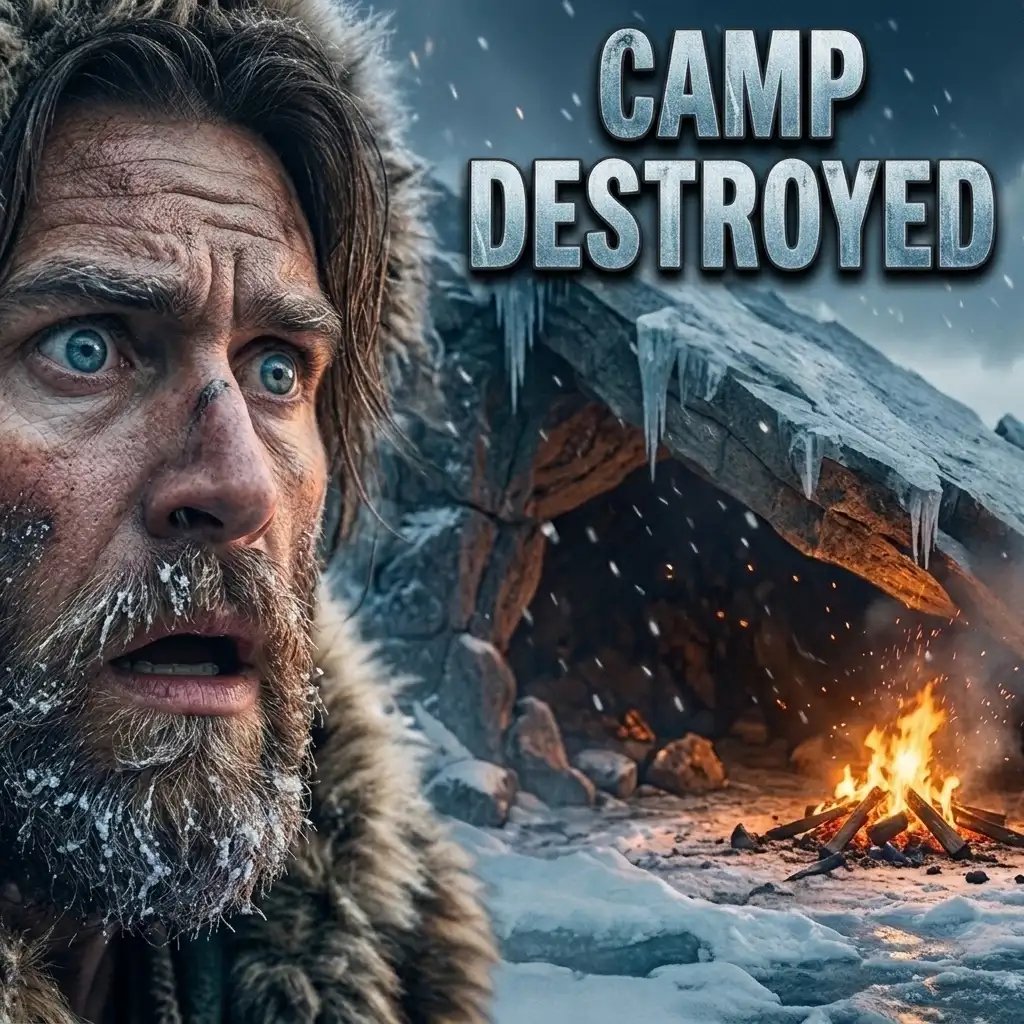
While hunting megafauna was a source of sustenance, these same colossal creatures posed a grave threat to human encampments. Saber-toothed cats, cave bears, dire wolves, and even stampeding herbivores could devastate a settlement, posing a clear and present danger to its inhabitants, especially the vulnerable. Consequently, the defense of their camps was as critical as their hunting prowess. Human ingenuity was applied not only to acquiring food but also to creating sanctuaries in a world teeming with apex predators and unpredictable megafauna.
Site Selection and Natural Barriers
The choice of a campsite was the first line of defense. Early humans favored locations that offered natural protection. Caves and rock shelters were ideal, providing a solid, defensible structure that was difficult for large predators to penetrate. The narrow entrances of many caves could be easily blocked with rocks or branches, creating a formidable barrier. Even in open-air sites, proximity to cliffs, dense thickets, or bodies of water could offer an advantage. Rivers could act as natural moats, deterring some predators, while dense undergrowth might obscure the camp from view or funnel approaching threats into more easily defended choke points.
Beyond the immediate surroundings, the elevation of a camp could also be a strategic consideration. A site on a rise or a small hill might provide better visibility of approaching dangers and make it more difficult for larger animals to charge directly into the settlement. The careful selection of a location was an unspoken but essential part of Ice Age survival, a testament to the pragmatic decision-making of early humans.
Constructed Defenses and Obstacles
Where natural defenses were insufficient, humans constructed their own. The archeological record reveals evidence of rudimentary but effective defensive structures. These could include palisades made from sharpened wooden stakes, forming a barrier around the camp. While not impenetrable to a determined charge, such a barrier would serve as a significant deterrent, slowing down attackers and providing the inhabitants with valuable time to react.
Pit traps, originally used for hunting, could also be employed for defense, dug around the perimeter of a camp to ensnare or injure approaching predators. The creation of these obstacles required considerable labor and organization, indicating a level of communal effort focused on the safety of the group. The use of thorny branches and interwoven brush piles could also have served as a deterrent, creating an uncomfortable and hazardous perimeter for large, thick-skinned animals.
Fire as a Deterrent and Sentinel
Fire was a cornerstone of early human life, providing warmth, light, and the ability to cook food. However, its role in camp defense was equally significant. Large bonfires maintained around the perimeter of a settlement would have served as a powerful deterrent to many nocturnal predators, which are often wary of open flames. The flickering light and the crackling sounds of a fire would have made the camp appear occupied and potentially dangerous to animals accustomed to the darkness.
Furthermore, sentinels armed with burning brands could actively ward off approaching threats, keeping them at bay. The strategic placement of fires and the maintenance of a constant watch, especially during the night, would have been crucial for maintaining security. Evidence of repeated hearth use in specific locations suggests the establishment of permanent or semi-permanent camps where fire management was a continuous and vital practice.
The Arsenal of Survival: Tools and Technologies for a Dangerous World

The survival of Ice Age humans was inextricably linked to their ability to innovate and craft tools. Their technological prowess, honed over millennia, provided them with the means to hunt megafauna and defend their camps effectively. These tools were not simply utilitarian objects; they were extensions of human intellect and skill, reflecting a deep understanding of materials and their potential applications in a challenging environment.
Lithic Mastery: The Power of Stone Tools
The creation of stone tools, particularly projectile points and cutting implements, was a hallmark of Ice Age technology. Skilled knappers transformed raw stone such as flint, chert, obsidian, and quartzite into meticulously crafted tools. Projectile points for spears, made from various types of stone, were sharpened and shaped to maximize their penetration and durability. Different forms of points likely served different purposes, with some optimized for piercing thick hides and others for inflicting maximum tissue damage.
Beyond projectile points, knives, scrapers, and axes fashioned from stone were essential for butchering carcasses, preparing hides, and shaping wood for other tools and defenses. The precision and uniformity of many of these tools suggest a sophisticated understanding of flaking techniques and a standardized knowledge base passed down through generations. The quality and type of stone used also indicate extensive trade networks or extensive knowledge of local geological resources.
The Leverage of the Atlatl and Other Projectile Devices
The spear-thrower, or atlatl, was a revolutionary invention that dramatically enhanced the effectiveness of early human hunters. This simple yet ingenious lever mechanism allowed hunters to launch spears with significantly greater force and accuracy than they could by hand alone. By extending the hunter’s arm and increasing the leverage, the atlatl enabled them to engage large, dangerous prey from a safer distance. This technological advancement was a critical factor in enabling humans to hunt animals that were far larger and more powerful than themselves.
While the atlatl is the most well-known projectile aid, it is possible that other, less archaeologically preserved devices were also in use. The development of standardized hunting techniques, such as the use of specific throwing arcs and the coordination of multiple throwers, would have further amplified the impact of these tools. The subtle modifications in atlatl designs found in different archeological contexts also speak to regional adaptations and ongoing technological refinement.
Bone, Antler, and Wood: Versatile Materials
While stone tools often receive the most attention, other materials played equally vital roles in the Ice Age arsenal. Bone, antler, and wood were readily available and highly versatile. Antler, for instance, was frequently used to create spear points, harpoons, and awls. Its strength and resilience made it an excellent substitute for stone in certain applications. Similarly, bone could be fashioned into needles for sewing hides, scrapers, and even decorative items.
Wood was crucial for crafting spear shafts, spear-throwers, shelter poles, and potentially even bows and arrows, though direct evidence for early bows is scarce and debated. The ability to shape and work wood using stone tools was a fundamental skill that expanded the range of available technologies. These organic materials, though less likely to survive in the archeological record than stone, were integral to the daily lives and survival strategies of Ice Age peoples.
Understanding the Prey: Behavioral Ecology and Hunting Intelligence
The success of Ice Age megafauna hunters was not solely a matter of tools and tactics; it was deeply rooted in an intimate and profound understanding of their prey. These humans were keen observers of the natural world, possessing a detailed knowledge of animal behavior, physiology, and ecological niches. This understanding allowed them to anticipate their prey’s movements, exploit their weaknesses, and minimize their own risks.
Migratory Patterns and Herd Dynamics
The seasonal migrations of large herbivores like mammoths and bison were predictable events, and early humans meticulously tracked these movements. They understood when and where these animals would congregate, making them more accessible targets. Knowledge of herd dynamics was also crucial. Hunters would have observed which individuals were typically at the front or rear of a moving herd, which animals were more aggressive, and which were more likely to be isolated. They would also have understood the protective instincts of mothers towards their young, sometimes using this to lure or trap adult animals.
This ecological knowledge was not static; it was accumulated and refined over generations. Archeological evidence, such as the remains of multiple individuals from the same species found at kill sites, suggests that hunters were capable of coordinating efforts to bring down entire herds or significant portions thereof. This required a sophisticated understanding of herd cohesion and the ability to disrupt it strategically.
Physiological Vulnerabilities and Anatomical Acumen
A deep understanding of megafauna anatomy was essential for effective hunting. Hunters knew where to strike to inflict the most damage, aiming for vital organs or areas that would cause debilitating injuries. They understood the thickness of hides, the strength of bones, and the likely points of weakness. This anatomical knowledge allowed them to select appropriate weapons and to strike with precision when the opportunity arose.
Furthermore, they would have recognized signs of weakness or illness in individual animals. A limp, lethargy, or unusual behavior would have marked an animal as a more accessible target. This opportunistic hunting, based on recognizing and exploiting individual vulnerabilities, would have been a vital supplement to planned hunts.
The Cognitive Leap: Planning, Communication, and Abstract Thought
The complexity of these hunting and defense strategies points to significant cognitive abilities in Ice Age humans. The planning required for a coordinated hunt of a mammoth, involving multiple individuals, specialized roles, and the use of the environment, speaks to advanced problem-solving skills. The communication necessary to orchestrate such an operation, whether through vocalizations, gestures, or an early form of language, would have been substantial.
The development and transmission of these complex strategies over time also suggest the capacity for abstract thought and symbolic representation. The knowledge of toolmaking, hunting techniques, and defensive measures was not merely instinctive; it was learned, refined, and passed down. This transmission of knowledge is a hallmark of human culture and a crucial factor in our species’ remarkable success in adapting to and shaping its environment, even in the face of such formidable challenges.
The fascinating world of ice age megafauna hunting and camp defense reveals much about the survival strategies of our ancestors. Recent studies suggest that early humans developed sophisticated techniques not only for hunting large animals but also for protecting their camps from potential threats. For a deeper understanding of how ancient knowledge and practices shaped human history, you might find this article on ancient cartography particularly enlightening, as it explores the connections between navigation, resource management, and survival in prehistoric times.
The Legacy of Resilience: Lessons from the Ice Age Frontier
| Aspect | Metric | Details |
|---|---|---|
| Primary Megafauna Hunted | Species | Mammoth, Mastodon, Giant Ground Sloth, Woolly Rhinoceros, Saber-toothed Cat |
| Average Group Size for Hunting | Number of Hunters | 5-15 individuals |
| Hunting Tools | Types | Spears, Atlatls (spear-throwers), Stone blades, Bone tools |
| Success Rate of Hunts | Percentage | Estimated 30-50% per hunting attempt |
| Camp Defense Strategies | Methods | Fire use, Watch posts, Defensive pits, Barricades made from wood and bones |
| Frequency of Camp Attacks | Incidents per year | Estimated 1-3 attacks by predators or rival groups |
| Average Camp Size | Number of Individuals | 20-50 people |
| Duration of Hunting Expeditions | Time | Several hours to multiple days |
| Energy Expenditure per Hunt | Calories Burned | Estimated 3,000-5,000 calories per hunter |
| Use of Dogs or Other Animals | Role | Possible early domestication for tracking and defense |
The Ice Age was a period of immense environmental and ecological pressure. The challenges posed by megafauna, both as a source of sustenance and as a formidable threat, demanded exceptional levels of ingenuity, cooperation, and resilience from our early human ancestors. The strategies they employed in hunting and camp defense were not merely a matter of survival; they were formative experiences that shaped human culture, social structures, and cognitive development.
The Genesis of Cooperation and Social Structure
The complex nature of megafauna hunting and the need for communal defense fostered strong social bonds and cooperative behaviors. Bringing down a mammoth or defending a camp against a pack of dire wolves was not an endeavor for a solitary individual. It required coordinated effort, specialization of roles, and a high degree of trust and communication within the group. This necessity for cooperation likely played a significant role in the development of early human social structures, the formation of bands and tribes, and the nascent stages of complex social organization. The shared risks and rewards of these activities would have reinforced group cohesion and a sense of collective responsibility.
The Evolution of Human Cognition and Technology
The challenges of the Ice Age were a powerful catalyst for cognitive evolution. The need to plan intricate hunts, to understand the complex behaviors of large animals, and to devise effective defensive strategies spurred the development of problem-solving abilities, foresight, and abstract reasoning. The continuous refinement of tools and technologies, from finely crafted stone points to the sophisticated use of the atlatl, demonstrates a remarkable capacity for innovation and adaptation. This evolutionary pressure undoubtedly contributed to the development of human intelligence, language, and the capacity for complex cultural transmission.
A Foundation for Future Dominance
The mastery of hunting Ice Age megafauna and the ability to defend their settlements against these powerful creatures were foundational achievements that paved the way for human expansion and dominance. By successfully navigating one of the most challenging environments in Earth’s history, early humans not only survived but thrived. Their accumulated knowledge, honed skills, and resilient spirit laid the groundwork for the subsequent development of agriculture, settled societies, and ultimately, the global civilization we inhabit today. The echoes of those ancient hunters and defenders resonate in our own capacity for innovation, cooperation, and our enduring drive to understand and interact with the world around us.