
The biting winds of the Pleistocene offered little respite, and for early human families, survival was a constant negotiation with a formidable environment. Beyond the immediate challenges of finding sustenance and avoiding predators, the very concept of “home” took on a profound significance. Ice Age shelters were not merely static structures; they were dynamic living spaces, meticulously chosen, adapted, and shared, reflecting a complex interplay of social organization, technological innovation, and an intimate understanding of the natural world. These ancient families, facing a landscape sculpted by glaciers and marked by extreme seasonality, were adept at carving out sanctuaries that facilitated not only physical protection but also social cohesion and the transmission of vital knowledge.
The Strategic Selection of a Sanctuary
The decision of where to establish a shelter was a cornerstone of Ice Age survival, a choice laden with strategic considerations that extended far beyond immediate shelter from the elements. These ancient peoples possessed an acute awareness of their surroundings, understanding that a well-chosen location could dramatically improve their chances of thriving. This involved a multifaceted assessment of environmental factors, resource availability, and potential threats, all weighed in the balance by experienced individuals.
Proximity to Essential Resources
Foremost among the selection criteria was the proximity to vital resources necessary for daily life. Water sources, whether glacial meltwater streams, springs, or seasonal lakes, were paramount. Without a reliable water supply, long-term habitation was simply not feasible. Equally critical was the availability of food. Areas rich in game animals, either for hunting or scavenging, or those that supported edible plant life during warmer months, were highly prized. This could mean choosing locations near migratory routes, waterholes where animals congregated, or valleys known for their seasonal abundance of berries, roots, and tubers. The knowledge of these resource hotspots was accumulated over generations, passed down through oral traditions and learned through direct observation.
Defensive Advantages and Visibility
Beyond resource access, the defensibility of a potential shelter was a crucial factor. Caves and rock shelters offered natural protection from the elements and also provided a degree of security from predators, both animal and, potentially, human. Overhangs and cliff faces could deter large carnivores, and narrow entrances could be more easily defended. Furthermore, visibility was a key consideration. A well-chosen site often offered a vantage point from which to observe approaching dangers, whether it was a pack of wolves or a rival group of humans. This elevated perspective allowed for early detection, providing precious time to prepare for threats or to retreat if necessary. Conversely, locations that offered too much concealment could be detrimental, as they might also hide lurking dangers.
Microclimatic Considerations and Protection from the Elements
The extreme climatic fluctuations of the Ice Age demanded careful attention to microclimatic conditions. While a cave might offer protection from wind and precipitation, its interior could be damp and cold. Families would therefore assess the orientation of cave entrances to maximize solar gain during the day, or conversely, to minimize exposure to prevailing winds. Rock shelters, while less enclosed than caves, could be strategically positioned to block harsh winds and to capture warmth from the sun. In open-air sites, the choice of terrain would also be critical, favoring areas with natural windbreaks such as dense thickets or large rock formations. The understanding of how sunlight moved across the landscape throughout the day and across the seasons was a sophisticated form of environmental intelligence that directly impacted the habitability of a chosen site.
In exploring how ancient families negotiated shelter spaces during the Ice Age, it is fascinating to consider the broader context of information control and its implications on survival strategies. The dynamics of resource allocation and communal decision-making in harsh environments can be paralleled with modern discussions on how information is managed and manipulated. For a deeper understanding of these themes, you can read about the evolution of information control in the article titled “The History of Information Control: From Censorship to Digital Surveillance” available at this link.
Adapting and Enhancing Natural Dwellings
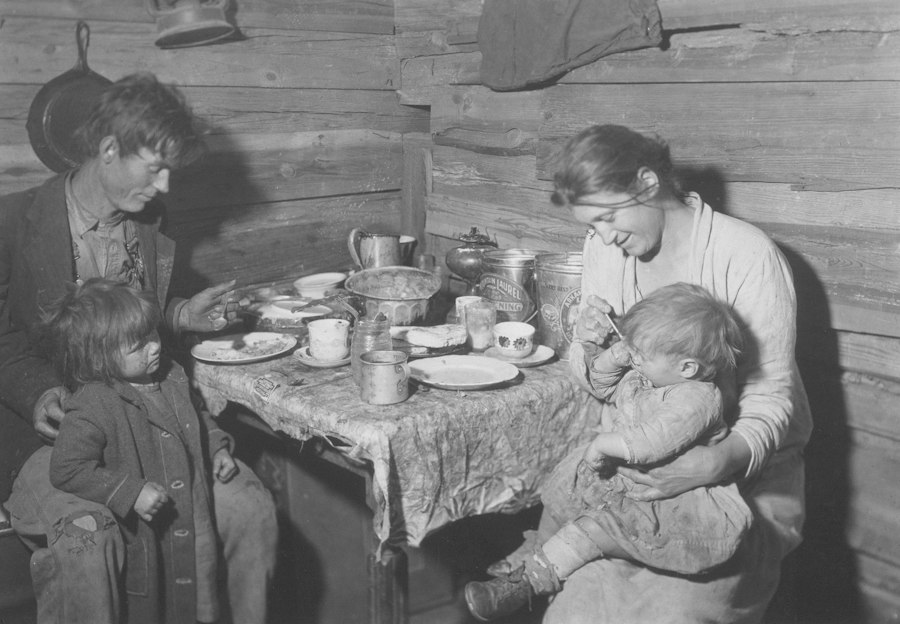
While natural formations like caves and rock shelters provided excellent starting points, Ice Age families rarely occupied these spaces in their pristine, unaltered state. They actively modified and enhanced them, transforming them into more comfortable, functional, and secure living environments. This process of adaptation demonstrates a remarkable ingenuity and a deep understanding of materials and construction techniques.
Modifying Cave Entrances and Interiors
For those fortunate enough to find a cave, the primary focus was often on controlling the entrance. This could involve constructing barriers from stacked stones, woven branches, or animal hides to block prevailing winds, prevent the ingress of snow or rain, and to deter animals. In some cases, internal partitions might be erected using stones or bone fragments to create distinct zones within the cave for sleeping, cooking, or storage. These modifications served to create a more controlled internal climate, reducing drafts and retaining warmth. Evidence of hearths within caves, often centrally located, suggests a deliberate effort to manage fire for warmth, light, and cooking, with ventilation managed through the natural openings or carefully constructed channels.
Constructing Open-Air Shelters from Local Materials
In regions lacking extensive cave systems, or for nomadic groups on the move, the construction of open-air shelters was essential. These dwellings were typically fashioned from readily available materials, reflecting the immediate environment. Mammoth bones, large animal ribs, and sturdy branches formed the structural framework, often creating dome-like or lean-to structures. These frameworks were then covered with layers of animal hides, interlaced with grasses, sedges, and other vegetation for insulation. The thickness and layering of these materials were crucial for trapping heat and providing protection from precipitation. The size and complexity of these open-air shelters would vary depending on the size of the family group, the prevailing climate, and the duration of their stay in a particular location. Archaeological evidence of postholes and hearths in open-air sites provides insights into the construction methods and the organization of living space.
The Role of Fire and Insulation
Fire played an indispensable role in making any shelter habitable during the Ice Age. Beyond its utilitarian functions of cooking and light, fire was a primary source of warmth, allowing families to survive the frigid nights and to maintain core body temperature. The strategic placement of hearths, both inside caves and in open-air structures, indicates a deliberate effort to maximize heat distribution. Insulation was equally critical. The use of animal hides, furs, and plant materials as bedding and for lining walls served to trap body heat and to buffer against the cold. The accumulation of organic debris within shelters, such as discarded food scraps and natural materials, would also have contributed to a rudimentary form of insulation over time.
Social Dynamics Within the Dwelling
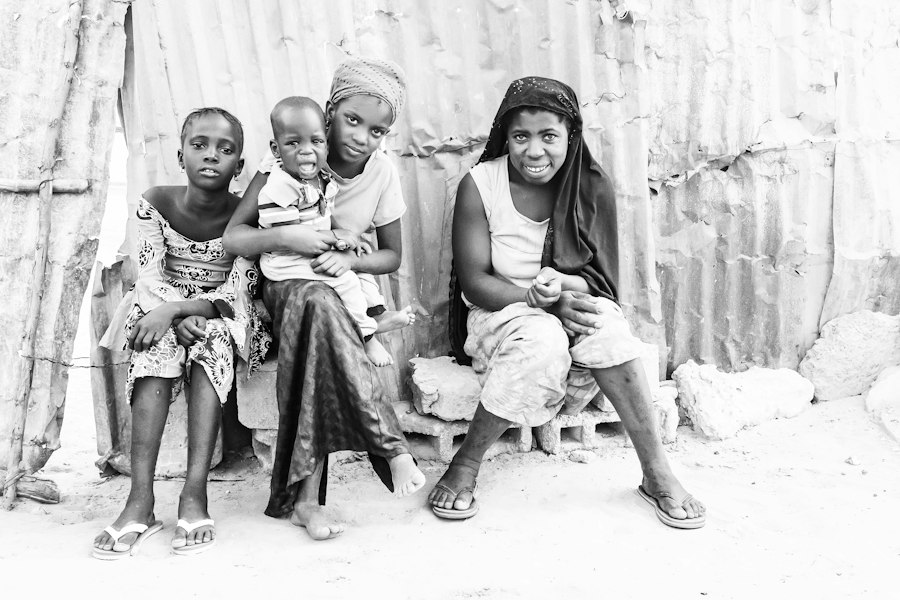
The Ice Age shelter was far more than just a physical structure; it was the crucible in which social bonds were forged and maintained. The close proximity and shared reliance within these often-cramped spaces fostered a complex web of social interactions, necessitating cooperation, defined roles, and mechanisms for conflict resolution. The spatial organization within the shelter mirrored and reinforced these social dynamics.
The Family Unit as the Core Social Group
The fundamental unit of Ice Age society was the family, and the shelter was its primary domain. This typically comprised parents, children, and often extended family members, creating a multi-generational household. The shared experience of survival, the need for collective effort in hunting and gathering, and the protection offered by the group all contributed to the strong cohesion of these family units. The shelter provided a consistent locus for these interactions, facilitating the transmission of knowledge, skills, and cultural norms from older generations to younger ones.
Spatial Zoning and Activity Areas
Within the shelter, a degree of spatial zoning likely existed, reflecting the division of labor and the varying activities undertaken. Areas near the entrance might have been designated for tool making or processing of hides, while the interior, particularly near the hearth, would have been the center of domestic life, including food preparation and childcare. Sleeping areas, often layered with furs and grasses, would have been situated in the warmest and most protected parts of the dwelling. The observation of wear patterns on the ground and the distribution of artifacts within archaeological sites can offer clues about these distinct activity areas and the social organization they represent.
Cooperation, Resource Sharing, and Conflict Management
Life in an Ice Age shelter demanded constant cooperation and a high degree of resource sharing. The success of a hunting expedition, the gathering of essential plants, or the maintenance of the shelter itself all relied on collective effort. This interdependence fostered a culture of mutual support. However, close living quarters and the stress of survival could also lead to conflict. While direct archaeological evidence of conflict resolution is scarce, the need for social harmony within the group would have necessitated mechanisms for managing disputes, likely through established social norms and the intervention of elders or leaders. The shared living space, therefore, served not only as a physical refuge but also as a training ground for social skills and a testing ground for community cohesion.
Daily Life and Ritual Within the Shelter
The rhythms of daily life within an Ice Age shelter were dictated by the demands of survival and punctuated by moments of ritual and social bonding. The shelter was the stage for the mundane tasks that sustained life, but also for the symbolic activities that gave meaning and structure to their world.
Food Preparation and Consumption
The preparation and consumption of food were central activities within the shelter. Hearth areas would have been the focal point for roasting meat, boiling roots, or preparing other foodstuffs. The sharing of meals provided an important opportunity for social interaction and reinforcing group bonds. The careful processing of game, from butchering to tanning hides, would have been undertaken within or immediately outside the shelter, utilizing tools that were likely crafted and maintained within the domestic space. The types of food remains found within shelters offer invaluable insights into diet and subsistence strategies.
Tool Production and Maintenance
The creation and maintenance of tools were essential for every aspect of Ice Age life, and these activities were integral to the domestic sphere. Flint knapping, bone carving, and the crafting of wooden implements would have taken place within the shelter, utilizing readily available materials. The presence of debitage (waste material from tool making) and unfinished tools in archaeological contexts is a strong indicator of these activities occurring within or adjacent to dwellings. This domestic production ensured that families had the necessary implements for hunting, gathering, cooking, shelter construction, and defense.
Sleep, Rest, and the Transmission of Knowledge
The shelter provided a much-needed respite from the harsh realities of the external environment. The communal sleeping areas, likely layered with insulating materials, offered warmth and security. Beyond mere rest, these periods of close proximity were invaluable for the transmission of knowledge. Elders would recount stories, impart hunting techniques, explain the properties of plants, and share the lore of their ancestors, ensuring the continuation of their cultural heritage. The visual environment within the shelter, illuminated by firelight, may also have been a space for storytelling through gestures or even rudimentary art, though direct evidence for the latter within shelters is often challenging to find.
In exploring how ancient families negotiated shelter spaces during the Ice Age, it is fascinating to consider the strategies they employed to adapt to their harsh environments. These early humans had to make critical decisions about where to settle, often seeking natural formations that provided protection from the elements and predators. For a modern perspective on negotiation tactics in different contexts, you might find it interesting to read about how companies navigate legal loopholes in various regions, as discussed in this article on Chinese companies exploiting Mexico loophole. Understanding these dynamics can shed light on the timeless nature of negotiation and adaptation.
The Legacy of Ice Age Dwellings
| Metric | Description | Estimated Value | Source/Method |
|---|---|---|---|
| Average Shelter Size | Typical floor area used by a family group for shelter | 10-20 square meters | Archaeological site measurements (e.g., caves, rock shelters) |
| Family Group Size | Number of individuals sharing a shelter space | 4-8 persons | Ethnographic analogy and skeletal remains |
| Duration of Shelter Use | Length of time a shelter was occupied continuously | Weeks to months | Stratigraphy and hearth residue analysis |
| Thermal Insulation Techniques | Materials and methods used to retain heat inside shelters | Animal hides, layered vegetation, stone walls | Artifact and ecofact analysis |
| Spatial Organization | Arrangement of living, sleeping, and activity areas within shelters | Designated hearth center, peripheral sleeping zones | Spatial distribution of artifacts and features |
| Resource Sharing | Negotiation of space and resources among family groups | Shared hearths, communal storage areas | Ethnographic studies and site layout |
| Access to Shelter | Methods of entering and exiting shelters to minimize heat loss | Single narrow entrance, animal skin doors | Structural remains and ethnographic parallels |
The enduring legacy of Ice Age shelters lies not only in the archaeological remnants they have left behind but also in the fundamental principles of adaptation, social organization, and resourcefulness they represent. These ancient families, facing an unforgiving world, demonstrated an extraordinary capacity to create secure and functional living spaces that fostered survival, community, and the perpetuation of their cultures.
Archaeological Insights into Past Lives
The meticulous excavation of Ice Age shelters has provided invaluable insights into the lives of our distant ancestors. The discovery of hearths, tools, animal remains, and personal adornments offers a tangible connection to their daily routines, their diets, their technological capabilities, and their social structures. These archaeological puzzles, pieced together with scientific rigor, allow us to reconstruct not just their physical environments but also aspects of their social dynamics and belief systems. The preservation of organic materials in cold environments has been particularly crucial, offering a window into perishable technologies and dietary practices that would otherwise be lost to time.
Enduring Principles of Human Ingenuity
The lessons learned from Ice Age shelters are timeless. They underscore the fundamental human drive to create shelter, to adapt to challenging environments, and to forge strong social bonds. The ingenuity displayed in utilizing local materials, in mastering fire, and in organizing communal living spaces continues to resonate with our own efforts to build sustainable communities and to overcome environmental challenges. The Ice Age family, negotiating its living space with such remarkable success, serves as a powerful testament to the resilience and adaptability of the human spirit.
The Foundation for Future Societies
The strategies and innovations developed by Ice Age families in their shelters laid the groundwork for the more complex societies that would eventually emerge. The established patterns of communal living, the division of labor, and the development of specialized skills within the domestic sphere were crucial steps in the long evolutionary trajectory of human civilization. The Ice Age shelter, therefore, was not just a temporary refuge but a vital incubator for the social and technological foundations upon which future human endeavors would be built.
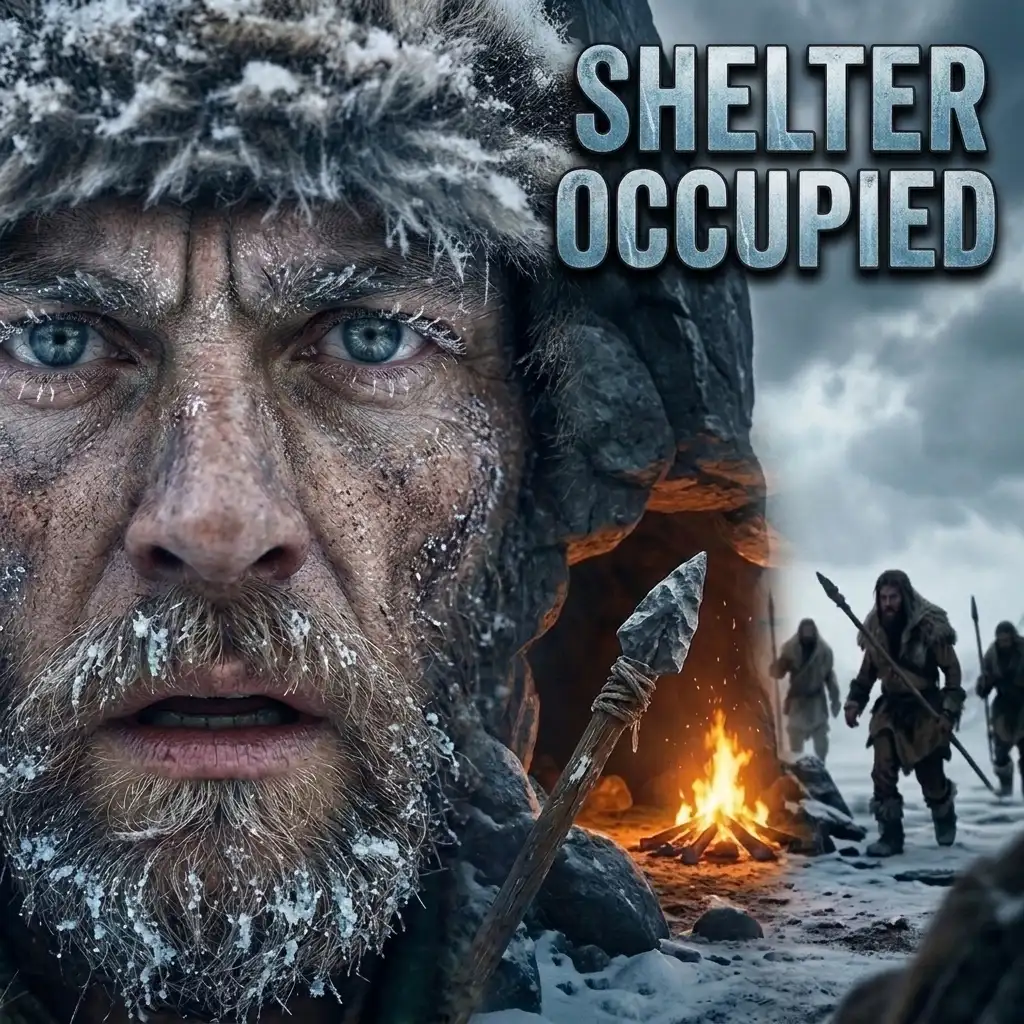
➡️Life 20,000 Years Ago | When Strangers Claim Your Winter Shelter 🚨
FAQs
What types of shelters did ancient families use during the Ice Age?
During the Ice Age, ancient families primarily used natural shelters such as caves and rock overhangs. They also constructed temporary structures using materials like wood, animal hides, and stones to create insulated living spaces that could withstand the harsh cold.
How did ancient families negotiate shelter spaces among themselves?
Negotiation for shelter spaces often involved social dynamics, including kinship ties and alliances. Families would communicate and collaborate to share resources, and in some cases, they might have established territorial claims based on prior usage or availability of resources.
What role did climate play in the selection of shelter locations?
The climate significantly influenced shelter selection, as families sought locations that provided natural protection from the elements. They favored areas with access to water, food sources, and natural barriers against wind and snow, which were crucial for survival during the Ice Age.
Did ancient families have specific strategies for maintaining their shelters?
Yes, ancient families employed various strategies to maintain their shelters, including regular repairs and modifications to improve insulation and durability. They would also clean and organize their living spaces to ensure hygiene and efficiency, which was vital for their health and survival.
How did the availability of resources affect shelter negotiations?
The availability of resources such as food, water, and raw materials for construction directly impacted shelter negotiations. Families would prioritize locations that offered abundant resources, leading to competition or collaboration with neighboring groups to secure the best shelter sites.