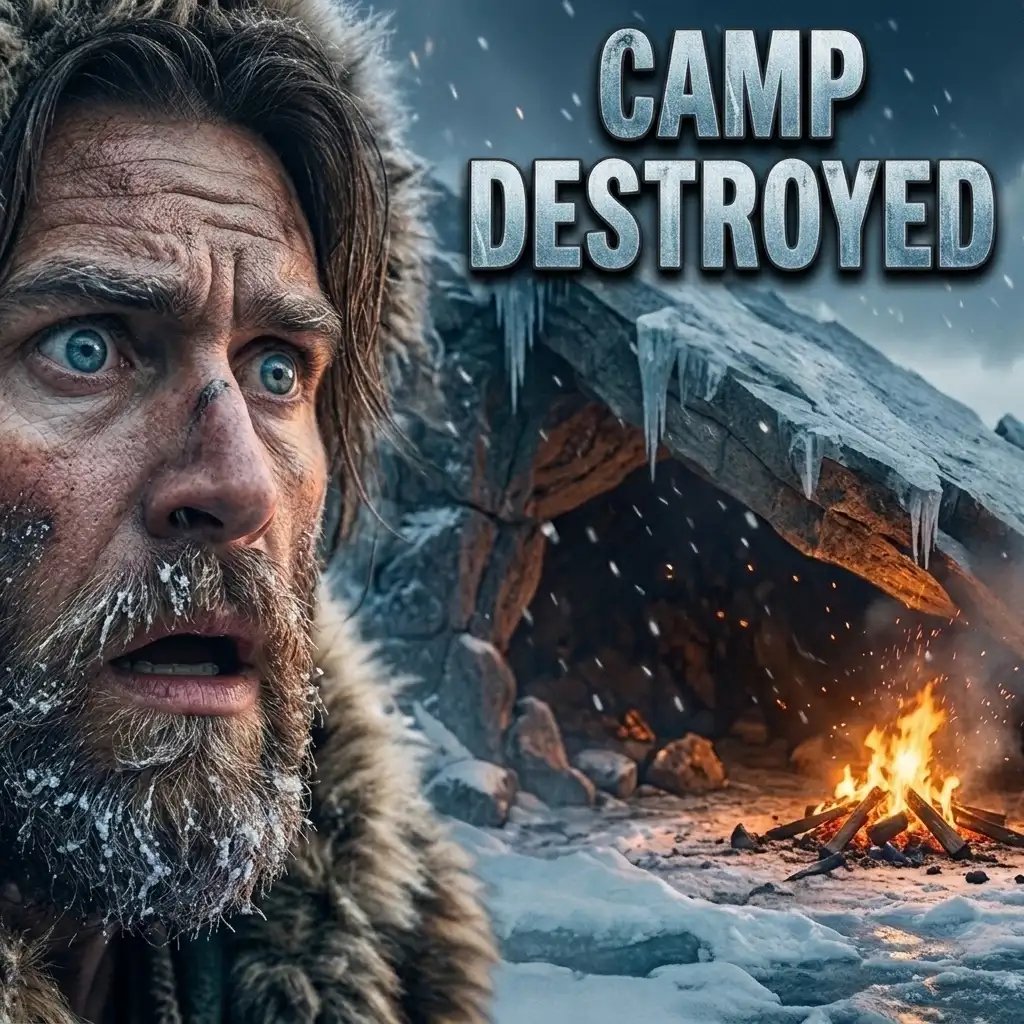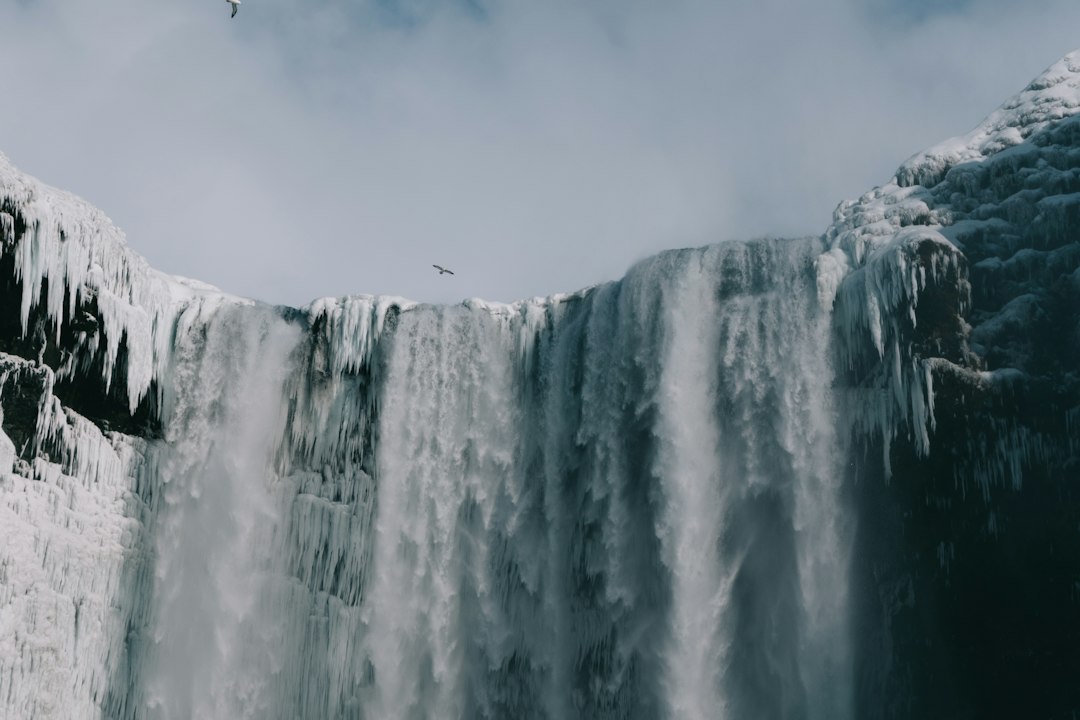
The screen flickered to life, not with the familiar CGI sheen of animated creatures, but with the stark, monochrome beauty of wind-scoured ice. This was the opening gambit of “Ice Age Survival: A Cinematic Documentary of Endurance and Hope,” a film that eschewed the fantastical for the fiercely factual. It promised a journey not through anthropomorphized prehistoric beasts, but through the raw, unyielding realities faced by life during Earth’s most brutal epochs. The documentary immediately established its tone: solemn, awe-inspiring, and deeply respectful of the tenacity of existence. It wasn’t a tale of sabre-toothed tigers battling mammoths for comedic effect; it was a meticulous, often harrowing, exploration of how life, in its myriad forms, adapted, persevered, and ultimately thrived against the relentless pressure of glacial periods.
The film’s narrative arc was ambitious, spanning millennia of dramatic climatic shifts. It began by painting a vivid picture of interglacial periods, brief respites where ecosystems flourished, teeming with biodiversity. These were the fleeting golden ages, the warm breaths before the world plunged back into the frigid grip of ice. The documentary’s visual language was masterful, employing a combination of breathtaking paleo-art reconstructions, sophisticated CGI that seamlessly blended with actual geological formations, and expert interviews that grounded the spectacle in scientific understanding. The voiceover, delivered with a measured gravitas, acted as a guide, illuminating the complex interplay between climate, geology, and the evolution of life.
The documentary did not shy away from the immensity of the challenge. It depicted the sheer scale of glaciers, colossal rivers of ice that reshaped continents, carving out valleys, pushing mountains aside, and burying entire landscapes under their crushing weight. The narrative emphasized the profound environmental changes: sea levels dropping dramatically as water locked away in ice sheets, vast swathes of land exposed, creating new migratory routes and habitats, only to be submerged again as the ice retreated. This cyclical nature of immense geological and climatic forces formed the bedrock of the film’s exploration of survival.
Echoes of the Deep Freeze
The core of “Ice Age Survival” lay in its detailed examination of the biological strategies that allowed life to endure. It moved beyond simplistic notions of adaptation, delving into the intricate genetic, physiological, and behavioral mechanisms that enabled species to overcome the profound challenges of extreme cold, limited food resources, and drastically altered landscapes. The film presented a compelling argument that these periods, while devastating, were also powerful engines of evolution, forcing life to innovate or perish.
The Great Migration of Megafauna
One of the most visually striking segments focused on the grand migrations of megafauna. The documentary showcased the immense journeys undertaken by herds of mammoths, woolly rhinoceroses, and giant ground sloths. These were not just seasonal movements; they were epic treks spanning continents, driven by the search for scarce vegetation and the avoidance of the encroaching ice. The filmmakers utilized sophisticated tracking simulations, illustrating the vast distances covered and the immense energy expenditure required for these journeys. Expert paleontologists explained the complex social structures within these herds, crucial for coordinating movements, protecting young, and sharing vital information about the safest routes and available resources. The film highlighted how these migrations were not simply about finding food but also about navigating the ever-shifting ice fronts and treacherous terrain.
The documentary meticulously detailed the physiological adaptations that allowed these giants to survive. The thick fur of mammoths and rhinoceroses, the subcutaneous fat layers, and the modified circulatory systems designed to conserve heat were all brought to life through stunning animations and expert commentary. Viewers were educated on how these animals were uniquely equipped to withstand temperatures that would have been lethal to modern counterparts. The film also touched upon the dietary shifts, showing how these herbivores adapted to consuming tougher, more fibrous vegetation that could survive under snow or on frozen ground.
The Ingenuity of Smaller Survivors
While the megafauna often captured the imagination, “Ice Age Survival” also shone a much-needed spotlight on the remarkable resilience of smaller organisms. The documentary explored the strategies of early rodents, birds, and even insects, demonstrating that survival was not solely the domain of the colossal. It detailed how rodents would burrow deep into the earth, creating insulated nests and subsisting on stored food reserves. The film highlighted the incredible foresight and planning involved in these seemingly simple survival tactics.
The avian world provided another fascinating case study. “Ice Age Survival” detailed the remarkable migratory patterns of birds, some undertaking journeys of thousands of miles to escape the harshest conditions. For those that remained, the documentary showcased adaptations like thicker plumage, changes in metabolic rates, and specialized foraging techniques to find limited food sources in frozen environments. The film presented compelling evidence of how insects, through diapause (a state of suspended development) and overwintering in sheltered locations, managed to persist through the frigid epochs. The sheer diversity of these survival strategies, from the microscopic to the colossal, underscored the pervasive nature of life’s will to continue.
In exploring the themes of survival and resilience, the cinematic documentary “Ice Age Survival Story” offers a gripping portrayal of how ancient humans adapted to extreme conditions. For those interested in understanding the psychological and financial impacts of survival in modern times, a related article titled “Surviving a Depression: What Happens to Your Bank Accounts?” provides valuable insights into the challenges faced during economic downturns. You can read the article here: Surviving a Depression.
The Shifting Sands of Time
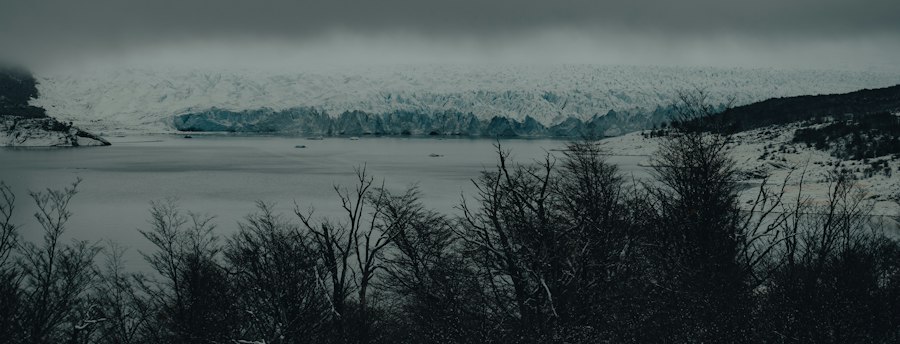
The documentary masterfully illustrated the dynamic nature of the Earth’s climate, demonstrating that ice ages were not static periods of unending cold but rather characterized by cycles of intense glaciation interspersed with warmer interglacial periods. This ebb and flow, the relentless push and pull of ice, was a central theme, shaping the evolution and distribution of life. The film emphasized that the end of one ice age was not necessarily a permanent thaw, but often a prelude to another, creating a continuous evolutionary pressure cooker.
The Pulse of Glacial Advance and Retreat
“Ice Age Survival” provided a gripping visual narrative of glacial advance and retreat. Using time-lapse simulations and geological evidence, the film depicted the agonizingly slow but immensely powerful creep of ice sheets, their weight crushing landscapes and their icy tongues extending across continents. The documentary showcased the profound impact of these movements, explaining how they carved out fjords, sculpted mountains, and created vast outwash plains. The sheer scale of these transformations was emphasized, making the viewer appreciate the geological forces at play over vast stretches of time.
The film also delved into the causes of these glacial cycles, presenting a balanced overview of scientific theories. The Milankovitch cycles, variations in Earth’s orbit and axial tilt, were explained as the primary long-term drivers. However, the documentary also highlighted the role of feedback mechanisms, such as changes in atmospheric CO2 concentrations and albedo (reflectivity of the Earth’s surface), in amplifying or dampening these climatic shifts. The interplay of these factors created the pulsating rhythm of ice ages, a constant flux that demanded perpetual adaptation from life.
Refugia: Havens in the Storm
A significant portion of the documentary was dedicated to the concept of glacial refugia – pockets of land that remained relatively ice-free during the harshest periods. These isolated havens were crucial for the survival of many species, acting as reservoirs from which life could repopulate the wider landscape once the ice began to recede. The film utilized detailed mapping and paleo-environmental reconstructions to identify these critical areas.
The importance of these refugia extended beyond mere survival; they also became hotspots for evolutionary divergence. As populations became isolated in these pockets, they developed unique adaptations to their specific microclimates, leading to the emergence of new species or distinct subspecies. The documentary presented compelling examples of how species found in modern ecosystems owe their origins to populations that weathered the ice ages in these hidden sanctuaries. The narrative underscored the fragility of these refugia, often vulnerable to extreme local conditions, further emphasizing the precariousness of survival. The film celebrated these overlooked oases, silent witnesses to life’s determined fight against the encroaching frost.
The Dawn of New Worlds

“Ice Age Survival” concluded by exploring the profound and lasting impact of these glacial periods on the trajectory of evolution. The documentary argued that the immense pressures of ice ages were not merely destructive but also acted as powerful catalysts for innovation, shaping the diversity and complexity of life we see today. The extinction events, while tragic, cleared ecological niches, allowing for the rise of new forms and the diversification of existing ones.
In exploring the challenges faced by ancient humans during the Ice Age, one can draw parallels to contemporary issues highlighted in a related article about environmental changes. The survival strategies of our ancestors provide valuable insights into resilience, which is particularly relevant in light of the current threats posed by rising sea levels. For a deeper understanding of these modern challenges, you can read more in this informative piece on the threat of rising sea levels.
Extinctions and Opportunities
The film did not shy away from the grim reality of extinction events that punctuated the ice ages. It depicted the disappearance of iconic megafauna, such as the dire wolf and the giant sloth, and explored the complex web of factors that led to their demise – habitat loss, climate change, and potentially human predation in later periods. However, the documentary framed these extinctions not as an ultimate defeat for life, but as a selective pruning.
The narrative transitioned to how these extinctions created ecological vacuums. The film showcased how smaller, more adaptable mammals and birds, who had weathered the ice ages in refugia, seized these opportunities. This led to periods of rapid diversification and the evolution of new lineages. The rise of primates, for instance, was linked to the opening up of forest habitats in the wake of glacial retreat. The documentary effectively conveyed the idea that extinction, while a loss, also paved the way for new beginnings.
The Legacy of Resilience
The enduring message of “Ice Age Survival” was one of unwavering resilience. The documentary demonstrated that the same evolutionary pressures that shaped life during the ice ages have left an indelible mark on our planet’s biosphere. Many modern species carry the genetic legacy of their ice-age ancestors, possessing innate abilities to adapt to changing environments. The film highlighted the ongoing relevance of these ancient survival strategies in the face of contemporary environmental challenges.
The documentary concluded with a poignant reflection on humanity’s own journey through these epochs. It touched upon the adaptations of early humans, their development of tools, fire, and sophisticated social structures as crucial survival mechanisms. The film subtly suggested that the same spirit of endurance and innovation that allowed ancient life to thrive in the face of glacial oblivion is a fundamental characteristic of life itself, a testament to its enduring power and capacity for adaptation. The final images, of a vibrant, diverse ecosystem flourishing in a post-glacial world, left the viewer with a profound sense of hope and a deep appreciation for the extraordinary story of life on Earth.