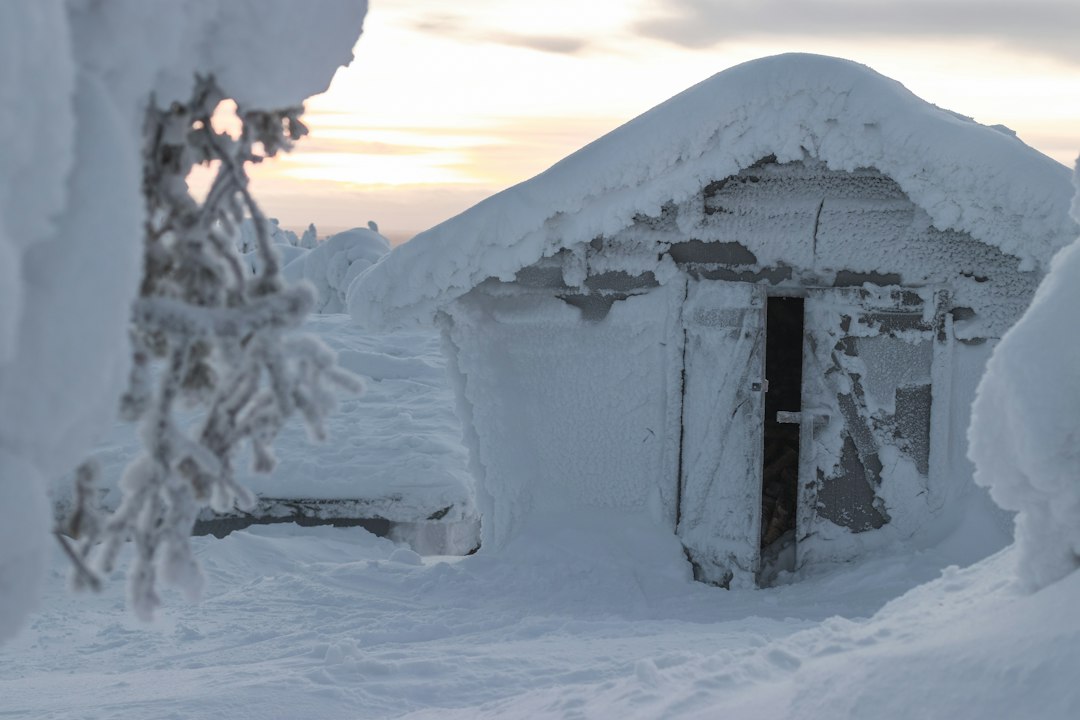
The biting wind, a relentless sculptor of the Pleistocene landscape, was a constant threat to human survival. Twenty thousand years ago, as glaciers locked vast swathes of the Northern Hemisphere in their icy grip, finding and maintaining shelter was not merely a matter of comfort; it was an existential imperative. The dynamics of shelter in this frigid world were complex, involving a sophisticated understanding of the environment, available resources, and the social structures that enabled collective survival. This exploration delves into the multifaceted strategies our ancestors employed to shield themselves from the unforgiving elements, illuminating the ingenuity and resilience that defined Ice Age life.
The Arctic Canvas: Environmental Pressures on Shelter
The Last Glacial Maximum, peaking around 20,000 years ago, painted a starkly different world. Vast ice sheets extended far south, altering weather patterns and creating formidable barriers. Understanding these environmental pressures is crucial to appreciating the challenges faced by Ice Age hominins in their quest for shelter.
Climate and Geography: The Frozen Realm
The defining characteristic of this era was the extreme cold. Average global temperatures were significantly lower than today, with continental interiors experiencing particularly harsh conditions. Vast tundra landscapes, characterized by permafrost, sparse vegetation, and short, intense summers, dominated much of the habitable zone. Glacial meltwater rivers, often wide and fast-flowing, presented navigational challenges and shaped settlement patterns. Coastal areas, though potentially offering marine resources, were also subject to sea-ice formation and the associated dangers. Mountain ranges were often impassable, even during warmer interstadial periods, forcing populations to adapt to specific geographical niches. The availability of sunlight, a vital resource for warmth and survival, was also drastically reduced during the long polar nights, necessitating strategies for light and heat management within shelters.
Resource Scarcity: The Search for Building Materials
Unlike later periods of human history, the Ice Age environment offered limited readily available building materials in many regions. Forests were often confined to southern refugia or river valleys. The dominant vegetation was typically low-lying shrubs, grasses, and mosses, which, while useful for insulation, were not ideal for structural purposes. Animal resources, though plentiful in the form of megafauna like mammoths, woolly rhinoceroses, and reindeer, were also a primary food source, leading to a constant balancing act between consuming and utilizing them for shelter. Bone, hide, and sinew played critical roles, but their procurement and processing required significant effort and skill. The scarcity of wood, particularly in open tundra environments, drove innovation in the use of alternative materials like snow, ice, and even animal dung.
Predator Threats: Fortifications Against the Wild
Beyond the passive threat of the elements, Ice Age hominins also faced active predation from large carnivores. Saber-toothed cats, cave lions, and wolves were formidable hunters, and shelters often needed to provide a degree of defense against them. While direct confrontation was likely avoided, the choice of shelter location and its construction could offer a strategic advantage. Caves and rock shelters, with their natural defensibility, were highly sought after. Sites with narrow entrances or elevated positions could deter predators. The construction of artificial shelters might have incorporated elements of fortification, though this is more speculative and likely varied based on the specific threats and available resources. The constant awareness of predator presence would have undoubtedly influenced the selection and design of living spaces.
The dynamics of survival shelters during the Ice Age, approximately 20,000 years ago, reveal fascinating insights into how early humans adapted to extreme environmental conditions. These shelters, often constructed from available materials like ice, snow, and animal hides, provided crucial protection against the harsh climate and predators. For a deeper understanding of how strategic thinking and planning can be applied to survival scenarios, you may find it interesting to explore the article on navigating international relations, which discusses key strategies for success in challenging environments. You can read more about it here: Navigating International Relations: Key Strategies for Success.
The Architect’s Palette: Materials and Their Ingenuity
The Ice Age hominin architect was a master of improvisation, transforming the raw materials of a frozen world into functional and surprisingly sophisticated shelters. The selection and utilization of these materials speak volumes about their environmental knowledge and technological prowess.
Mammoth Bones and Hides: The Megafauna Marvels
Perhaps the most iconic Ice Age shelters are those constructed from mammoth bones. These colossal structures, often found in Eastern European plains, utilized the large, sturdy long bones and skulls of mammoths to create frameworks. Rib cages, in particular, were adapted to form dome-like roofs. These skeletal frameworks were then likely covered with thick layers of mammoth hides, providing excellent insulation against the biting winds. The sheer scale of these constructions suggests a significant investment of communal effort and a deep understanding of the structural properties of mammoth anatomy. The choice of mammoths was not arbitrary; their abundance in certain regions and their immense size made them an unparalleled resource for building. The procurement and transportation of these massive bones would have been a considerable undertaking, highlighting the planning and coordination required.
Snow and Ice: The Ephemeral Fortresses
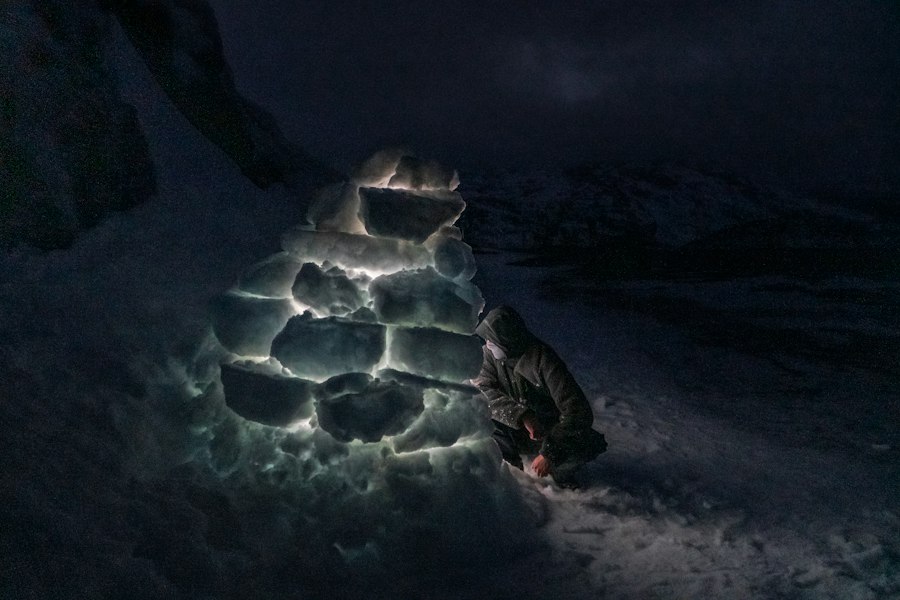
While the image of an igloo is often associated with Inuit cultures of a much later period, the principles of using snow for shelter were likely understood and employed during the Ice Age. In areas with consistent snowfall, snow could be packed and sculpted into forms offering surprisingly effective insulation. While permanent structures made entirely of snow and ice might have been less common due to their ephemeral nature and the need for constant maintenance, temporary shelters like snow caves or windbreaks constructed from packed snow would have been invaluable. The insulating properties of snow are exceptional; trapped air within its crystalline structure significantly reduces heat loss. The ability to carve into existing snowdrifts or build up compact snow walls would have provided crucial temporary refuge during blizzards or while on the move.
Stone and Earth: The Enduring Foundations
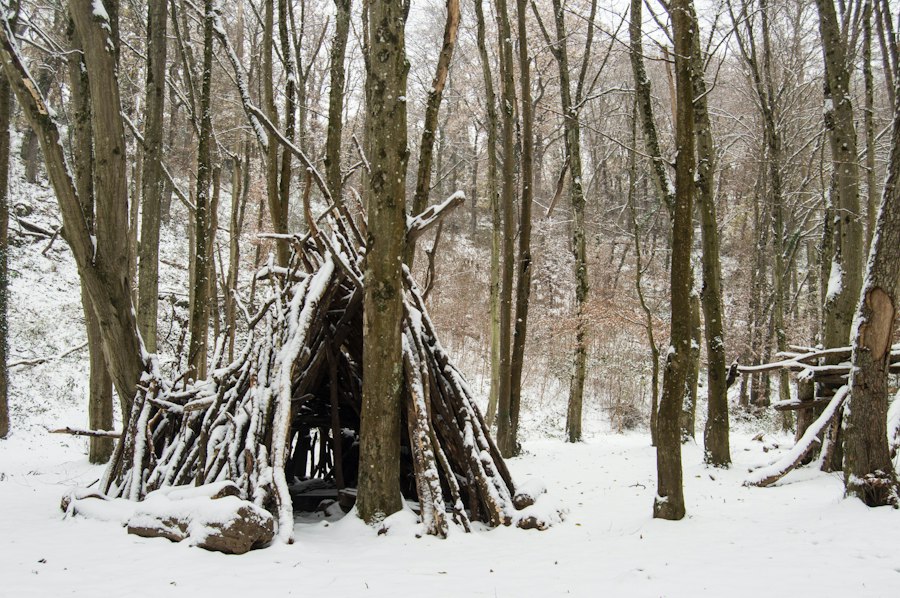
In regions where stone was readily available, it played a vital role in shelter construction. Natural rock formations and caves provided excellent natural shelters, offering immediate protection from the elements and predators. Where natural caves were insufficient or unavailable, hominins likely utilized stone to construct walls, either as freestanding structures or as foundations for shelters built with other materials. The strategic placement of stones could create windbreaks or reinforce more perishable structures. Earth, too, was a valuable resource. In less frigid regions, sod or packed earth could be used for walls, providing a degree of insulation. Excavations into hillsides or the creation of semi-subterranean dwellings would have also offered natural insulation and protection from wind. The permanence and durability of stone and earth constructions made them ideal for longer-term settlements.
Furs, Reeds, and Other Insulators: The Fine-Tuning of Warmth
Beyond the structural elements, the efficacy of any shelter was ultimately determined by its ability to retain heat. Animal furs, particularly from large mammals, would have been crucial for lining shelters, providing a soft and highly insulating interior. The hides themselves, once prepared, could also serve as internal partitions or ground coverings. Reeds and grasses, where available, could be woven or packed to fill gaps and further enhance insulation. The understanding of how to layer these materials to trap air and prevent drafts was likely a hard-won knowledge passed down through generations. The subtle art of weatherproofing a shelter, of sealing every crack and crevice, would have been a critical skill for survival in the extreme cold.
The Hearth’s Embrace: Heat and Light in the Darkness
The management of fire was inextricably linked to the concept of shelter. It was the source of warmth, light, and a psychological anchor in the often-perilous Ice Age nights. The dynamics of fire within a shelter were as important as the shelter itself.
Fireplace Design: Concentrating the Warmth
The placement and design of hearths were crucial for maximizing the efficiency of fire within a shelter. Open fires in the center of a large cave could dissipate heat too quickly. More sophisticated arrangements likely involved hearths built against walls, or within stone-lined pits, to reflect and concentrate heat into the living space. In artificial shelters, such as those built from mammoth bones, hearths might have been positioned strategically to radiate warmth towards sleeping areas. The use of reflective materials, perhaps polished bone or strategically placed stones, could have further enhanced the effectiveness of the hearth. The management of smoke was also a consideration; vents or openings in the shelter’s roof or walls would have been necessary to prevent suffocation and improve air quality.
Fuel Procurement and Storage: The Ever-Present Challenge
Maintaining a fire required a constant supply of fuel, a significant challenge in environments with sparse vegetation. Our ancestors would have relied on a variety of sources, including dried grasses, shrubs, and animal dung. In areas with forests, wood would have been a prized commodity. The nomadic lifestyle of many Ice Age groups meant that fuel procurement was often a daily or near-daily task. The storage of fuel, protecting it from snow and moisture, would have been equally important. Building up reserves during periods of abundance, such as after a successful hunt or during a brief summer thaw, would have been a wise strategy. The efficiency with which fuel was used, minimizing waste and maximizing heat output, would have been a critical factor in survival.
Light in the Long Night: Beyond the Flickering Flame
The long, dark winters of the Ice Age presented a significant challenge for human activity. Fire provided not only warmth but also the essential element of light. Torches, likely made from burning branches or bundles of dried vegetation, would have been used for illumination when moving outside the immediate vicinity of the hearth. Within shelters, the flickering light of the fire would have created a sense of security and allowed for a range of activities, from toolmaking and food preparation to social interaction and storytelling. The psychological impact of light in dispelling the darkness and the fear it represented cannot be overstated. The constant need for light would have driven innovation in fire management and the development of portable light sources.
The Social Matrix: Collective Shelter and Community
Shelter in the Ice Age was rarely an individual endeavor. The demanding nature of survival in such a harsh environment necessitated social cooperation, with shelter serving as a focal point for community life.
Communal Living: Sharing Space and Resources
Evidence from numerous Ice Age sites suggests that people lived in groups, sharing living spaces. Mammoth bone huts, for instance, were large enough to accommodate multiple individuals and families. This communal living facilitated the sharing of resources, including food, fuel, and labor for shelter construction and maintenance. It also provided a crucial social support network. The collective effort required to hunt large game, build robust shelters, and defend against predators would have been impossible for isolated individuals or small family units. Sharing the warmth of a communal hearth and the security of a shared dwelling would have been paramount for psychological well-being and physical survival.
Division of Labor: Specialized Skills for Survival
The successful operation of an Ice Age shelter likely involved a division of labor based on age, gender, and individual skills. While the exact divisions are difficult to ascertain, it is probable that individuals specialized in tasks such as hunting, gathering, toolmaking, fire tending, and shelter maintenance. Those with knowledge of animal behavior would have been crucial for successful hunting, while those with fine motor skills might have focused on crafting tools. The elderly, perhaps less able to participate in strenuous activities, could have contributed through their accumulated knowledge and experience. This specialization would have increased the efficiency of the group, ensuring that essential tasks were performed effectively. The cooperative nature of shelter construction and maintenance itself would have required clear communication and coordination.
Ritual and Symbolism: More Than Just Four Walls
While the primary function of shelter was protection, it also served as a space for social rituals and the expression of symbolic beliefs. Cave paintings, found in many Ice Age archaeological sites, suggest that these spaces were more than just dwellings; they were places of artistic expression and possibly spiritual significance. The communal hearth could have been the center of storytelling, song, and the transmission of cultural knowledge. The arrangement of artifacts within a shelter, the presence of specific objects, might have held symbolic meaning. The very act of creating and inhabiting a shelter could have fostered a sense of belonging and identity, reinforcing social bonds and providing a framework for understanding their place in the world.
The dynamics of ice age survival shelters around 20,000 years ago reveal fascinating insights into how early humans adapted to their harsh environments. These shelters, often constructed from natural materials like wood, stone, and animal hides, provided crucial protection against the extreme cold and predators. Understanding these ancient structures can shed light on the ingenuity of our ancestors and their resourcefulness in the face of adversity. For a deeper exploration of ancient mysteries, you might find this article on unexplained artifacts particularly intriguing, as it delves into the remnants of past civilizations and their survival strategies.
Beyond Survival: The Legacy of Ice Age Shelters
| Metric | Value | Unit | Notes |
|---|---|---|---|
| Average Shelter Temperature | 5 | °C | Estimated internal temperature maintained by insulation |
| Shelter Wall Thickness | 0.5 – 1.5 | meters | Thickness of ice, stone, or mammoth bone walls |
| Occupant Capacity | 5 – 15 | persons | Typical group size for survival shelters |
| Average Shelter Size | 15 – 30 | square meters | Floor area of typical shelters |
| Duration of Use | 1 – 6 | months | Seasonal or temporary use during harsh conditions |
| Primary Construction Materials | Stone, Mammoth Bones, Animal Skins, Ice | N/A | Locally sourced materials for insulation and structure |
| Fire Hearth Presence | Yes | N/A | Used for warmth and cooking inside shelters |
| Ventilation Openings | 1 – 2 | openings | Small vents to allow smoke escape and air circulation |
| Estimated Survival Rate | 60 – 75 | percent | Survival rate during harsh winter months with shelter use |
The shelters of the Ice Age were not merely passive responses to environmental pressure; they were active testaments to human ingenuity, adaptability, and social organization. Their legacy extends far beyond the immediate needs of survival, offering profound insights into the capabilities of our ancient ancestors.
Technological Innovations: Foundations of Future Development
The strategies employed in Ice Age shelter construction laid the groundwork for future technological advancements. The understanding of structural engineering demonstrated in mammoth bone huts, the principles of insulation learned from using snow and animal hides, and the mastery of fire management all represent significant leaps in human technological development. These innovations were not isolated incidents but were iteratively refined and passed down, influencing subsequent generations of builders and innovators. The ability to shape the environment to suit human needs, even in its most extreme forms, was a crucial step in our species’ trajectory.
Social Structures: The Dawn of Cooperation
The necessity for communal living and the division of labor in maintaining Ice Age shelters highlight the early development of complex social structures. These early forms of cooperation were essential for collective survival and laid the foundation for more elaborate societal organizations in later periods. The ability to coordinate efforts, share resources, and establish clear roles within a group were critical for the success of these small, resilient communities. The enduring nature of these social dynamics, evident in various forms throughout human history, can trace its roots back to the demanding realities of the Ice Age.
Resilience and Adaptation: A Blueprint for Humanity
The Ice Age hominin’s ability to not only survive but to thrive in one of Earth’s most challenging environments is a powerful testament to human resilience and adaptability. Their shelters were not just structures; they were expressions of a deep connection with their environment, a sophisticated understanding of its resources, and an unyielding drive to overcome adversity. The lessons learned from their shelter dynamics offer a profound blueprint for understanding humanity’s capacity to adapt and innovate in the face of environmental change, a message that remains remarkably relevant even today. The story of Ice Age survival is, in essence, the story of humanity’s enduring strength and ingenuity.

➡️Life 20,000 Years Ago | When Strangers Claim Your Winter Shelter 🚨
FAQs
What types of materials were used to construct ice age survival shelters?
Ice age survival shelters were primarily constructed using natural materials readily available in the environment. Common materials included animal hides, bones, wood, and stones. These materials provided insulation and protection from the harsh cold and wind, allowing early humans to create effective shelters.
How did the design of ice age shelters vary by region?
The design of ice age shelters varied significantly depending on the geographical region and climate. In colder areas, people often built igloo-like structures made of snow and ice, while in forested regions, they constructed huts using wood and bark. Coastal communities might have used materials like driftwood and seaweed to create their shelters.
What role did fire play in ice age survival shelters?
Fire was crucial for survival in ice age shelters, providing warmth, light, and a means to cook food. It also served as a deterrent against predators and insects. Early humans often built fire pits within or near their shelters to maximize heat retention and create a more hospitable living environment.
How did the size of ice age shelters accommodate group living?
Ice age shelters were often designed to accommodate small groups or families, reflecting the social structures of early human communities. Larger communal shelters could house multiple families, fostering cooperation and resource sharing. The size and layout of these shelters were influenced by the number of occupants and the need for communal activities.
What strategies did ice age humans use to maintain warmth in their shelters?
To maintain warmth in their shelters, ice age humans employed several strategies. They used thick insulation from animal hides and natural materials to reduce heat loss. Additionally, they positioned their shelters to minimize exposure to wind and utilized fire for heating. Group living also helped retain body heat, making communal shelters more efficient in maintaining warmth.